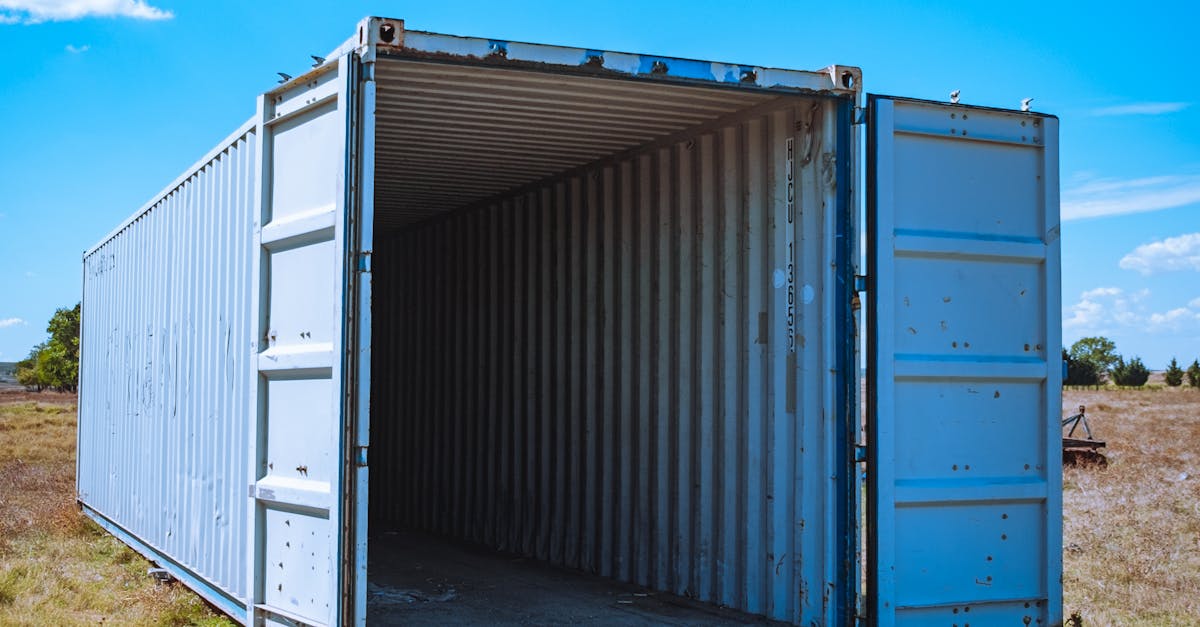
For farms that need dependable protection for seed, feed, and equipment, containerized storage solutions have become an industry standard. As agricultural operations confront challenges from weather, pests, and rising costs for new construction, the use of shipping containers—sourced and supported by Lummid Containers—offers a reliable, scalable, and cost-effective approach. We have seen first-hand how well-chosen, properly deployed containers protect harvests and assets while reducing operational risk and overhead.

Definition: What is Agricultural Container Storage?
Agricultural container storage refers to the use of steel shipping containers and specialized containerized units to store seeds, animal feed, equipment, and farm materials securely on site. Containers are engineered for strength and weather resistance. With options for custom ventilation, insulation, shelving, and locking systems, containers can be tailored to the precise needs of any agricultural operation.
Why Containers Excel for Seed, Feed, and Equipment Storage
- Weatherproof Security: Containers are designed to be wind and watertight. Their steel construction resists corrosion and physical intrusion, keeping moisture, dust, and unwanted visitors out.
- Pest Exclusion: Unlike wooden sheds or outbuildings, containers lack entry gaps for rodents or insects, reducing losses from infestation.
- Quick Installation: Units arrive ready for use, typically requiring only a flat foundation and basic positioning, with minimal site prep compared to permanent structures.
- Scalability: As your acreage or herd grows, storage capacity can be increased simply by adding containers—each with the protection and modularity you require.
- Personalization: Interior racking, specialized doors, ventilation systems, and even refrigeration can be integrated to fit the nuances of agricultural storage—from bagged seed to large tractors.
Step-By-Step: Choosing and Implementing Container Storage for Agriculture
- Needs Assessment: Quantify the volume and types of material to store (e.g., bushels of seed, tons of feed, or number of implements).
- Container Sizing: Select from common sizes: 20-foot (5,898mm x 2,352mm x 2,391mm), 40-foot, 40-foot high cube, or specialized options for unique equipment or greater volumes. See detailed capacities in our container specifications.
- Site Preparation: Ensure a stable, level base for placement. Concrete pads or gravel works well for drainage and container longevity.
- Customization: Decide on features—ventilation for grain or seed storage, insulation and shelving for sensitive goods, or heavy-duty doors for large equipment.
- Delivery & Placement: Coordinate with your container supplier to match installation with harvest or livestock feeding cycles to reduce handling steps.
- Ongoing Management: Organize interior for FIFO rotation (feed, seed), maintain container integrity (gasket and door checks), and monitor air quality where precision is needed.

Best Practices for Agricultural Container Storage
- Ventilation: Use passive or active systems to avoid heat and humidity buildup—especially for grain, seed, or products prone to spoilage.
- Moisture Control: Keep containers elevated on pads or sleepers to ensure good drainage, and regularly check seals.
- Security: Reinforced locking hardware and security devices deter theft and provide peace of mind for valuable assets or chemicals.
- Inventory Management: Shelving and bin systems optimize organization, streamline access, and maintain inventory quality—all of which can be integrated before delivery by Lummid Containers.
- Regular Inspection: Monthly checks for signs of condensation, rust, or pest activity help prevent loss and preserve container lifespan.
Key Applications: Containers for Seed, Feed, and Equipment
Seed and Grain Storage
Proper storage is key to seed germination rates and grain market value. With containers, you can keep seed dry, cool, and protected. It’s common for farms to add ventilation, shelving for seed bag organization, and lockable doors for peace of mind.
Feed for Livestock
Livestock feed is highly susceptible to moisture and rodents. Container storage keeps feed dry and uncontaminated, and can be organized with shelving for bagged concentrates or bulk areas for hay and silage. Double doors facilitate easy rotation and access.
Equipment and Tool Storage
From tractors to small hand tools, farm equipment is preserved longer when not exposed to sun, rain, or frost. Using a high-cube or open-side container with interior racks, you can stage seasonal machinery or keep repair parts ready for fast deployment—especially during peak planting or harvest windows.
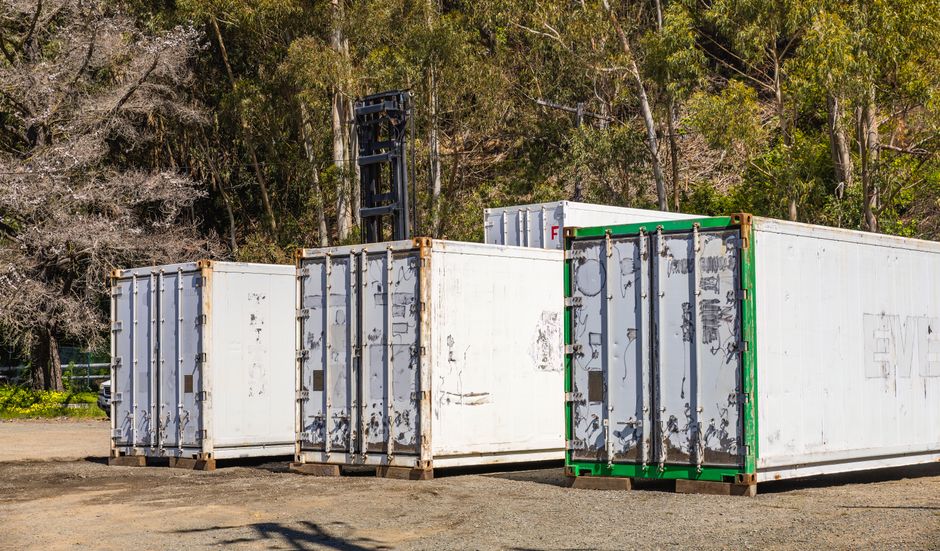
Customization Examples Supported by Lummid Containers
- Ventilated containers: Roof or louver vents for seed and feed.
- Refrigerated units (reefers): For temperature-sensitive crops, dairy, or niche agricultural products.
- Interior racks and bulkheads: To manage mixed storage of seed, chemicals, and spare parts.
- Heavy-duty locking systems: Reduce theft risk for high-value tools and machinery.
Our team at Lummid Containers assists with all aspects of container selection, site prep guidance, and in-depot modifications, which are handled before delivery so that farms avoid downtime.
Purchasing vs. Leasing Agricultural Containers
Many producers compare the cost of new infrastructure with containerized solutions. Purchasing gives you complete control and long-term value, while leasing may suit seasonal peaks or shorter-term expansions. At Lummid Containers, we offer both options—our one-trip, used, and specialized inventory supports bulk orders as well as resellers needing to maintain inventory flexibility. With a nationwide U.S. depot network, we help minimize shipping costs and speed up deployments, especially for agricultural regions with tight weather windows.
Special Use Cases by Farm Type
- Grain/crop farms: Dual 40-foot containers—one ventilated for seed and one for equipment—are typical starting points. Add 20-foot units for specialty crops or pilot projects.
- Livestock operations: 40-foot containers for feed storage and 20-foot units for medicines, tools, or seasonal supplies. Double doors for ease of rotation.
- Mixed/large farms: A combination of sizes and modifications, potentially with refrigerated or insulated units for perishables.
Frequently Asked Questions
What container sizes are best for agriculture?
20-foot and 40-foot containers are the standard, covering most needs from seeds and feed to large implements. High-cube containers provide extra vertical space for tall equipment or stacked pallets.
How do I prevent moisture damage in containers?
Always choose containers with intact seals and add ventilation or desiccant systems for grain, feed, or seed storage. Place containers on a well-drained site and check periodically for leaks.
What about pests and rodents?
Steel containers with tight gaskets block nearly all entry points, making them far more pest-proof than wooden sheds or open bins.
Is there a risk of overloading?
Each container has a published payload limit. For example, a 40-foot unit has a max payload around 26,650 kg. Stay within limits to avoid structural issues.
Do containers help with theft prevention?
Yes. Lockable steel doors and the ability to add security bars and videos make containers very effective at preventing theft of valuable farm property.
Can containers be moved as my farm changes?
Yes. Containers are designed for mobility. They can be relocated with proper equipment and are ideal for evolving operations or leased land.
What about specialized or insulated containers?
Lummid Containers provides options including insulated, refrigerated (reefer), and open-side units to support specialty crop, dairy, or climate-sensitive goods.
Where can I read more about bulk container supply for specific industries?
You may find it useful to see our guide on how to spec units for remote sites in the mining industry and other container solutions tailored for large-scale buyers.
Conclusion
Efficient agricultural storage reduces risk, increases operational flexibility, and makes best use of every dollar invested. Our team at Lummid Containers is dedicated to helping farms, resellers, and bulk buyers secure the most reliable, cost-effective storage to protect their seeds, feed, and equipment. When you’re ready to plan a scalable container solution, reach out to us for guidance, options, and pricing that reflect real industry expertise and a commitment to your success.
