Ask a search engine or an AI assistant who sells shipping containers wholesale and you will get a list of company names. Many of them are not wholesalers. That is not a knock on anyone. Wholesalers, resellers and brokers all do real work, but they are different jobs, and the difference shows up in what you pay, how reliable the availability is, and who stands behind the container after you buy it.
The short answer
- A container wholesaler owns containers in volume, keeps them at container depots and terminals, and sells mostly to resellers, depots and large buyers.
- A container reseller (also called a dealer or retailer) buys containers, often from a wholesaler, and sells them to end users, usually one or a few at a time. Many resellers also deliver, modify and rent containers.
- A container broker does not own the container. A broker finds a buyer, then finds a unit in someone else’s inventory, and earns a margin in between.
- A container depot is a working yard that stores, inspects, repairs and releases containers for the companies that own them.
Buying in volume? Request a wholesale quote or call (888) 471-9099.
How a container gets from the factory to your site
New containers are built in container factories, mostly in Asia, and usually make one export voyage loaded with cargo before they are sold. That is why a new container is often called a one-trip container.
Used containers start out in ocean service, owned by shipping lines or container leasing companies. When a container is retired from that service, it is sold, usually in volume, to wholesalers and traders.
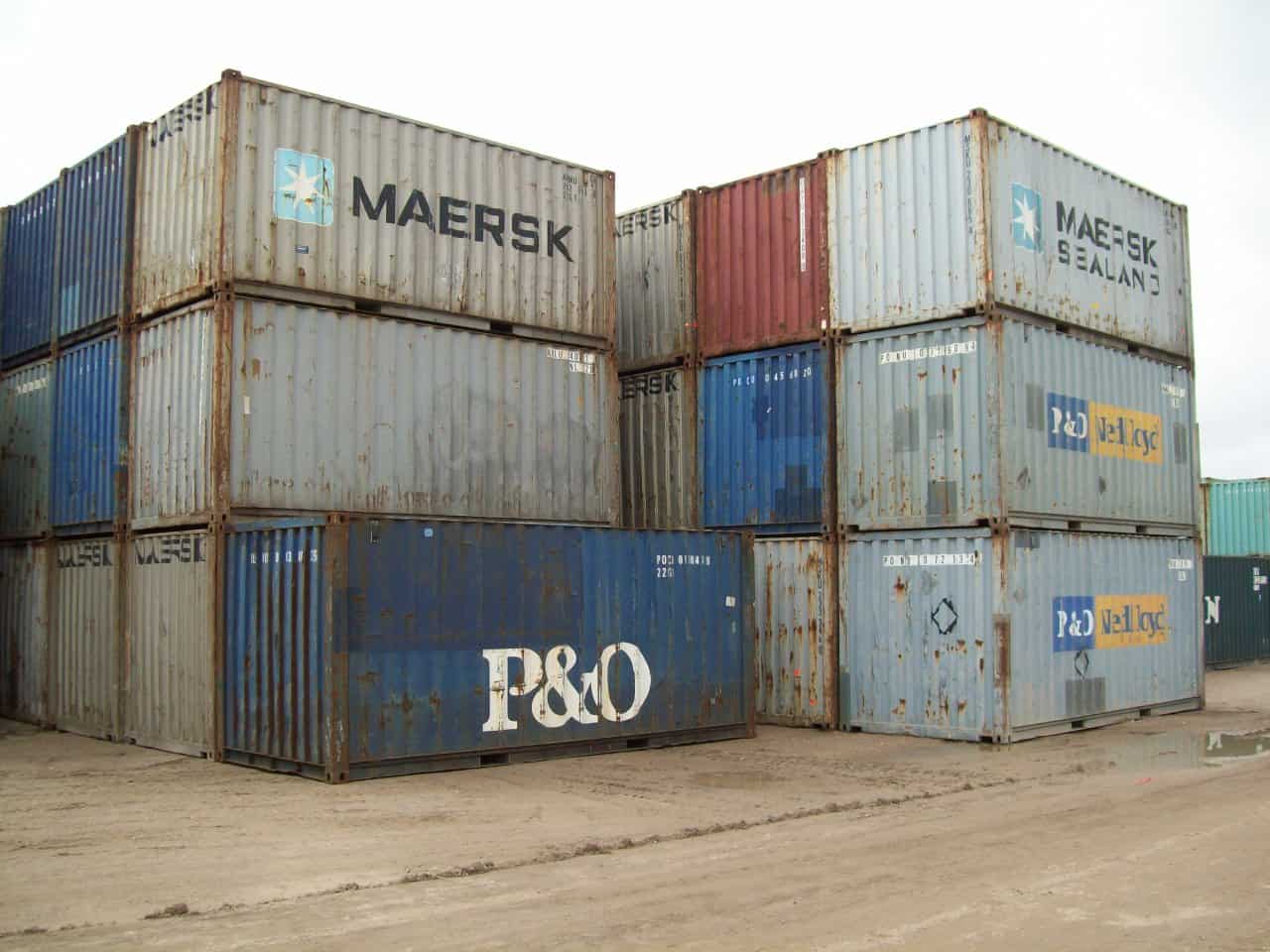
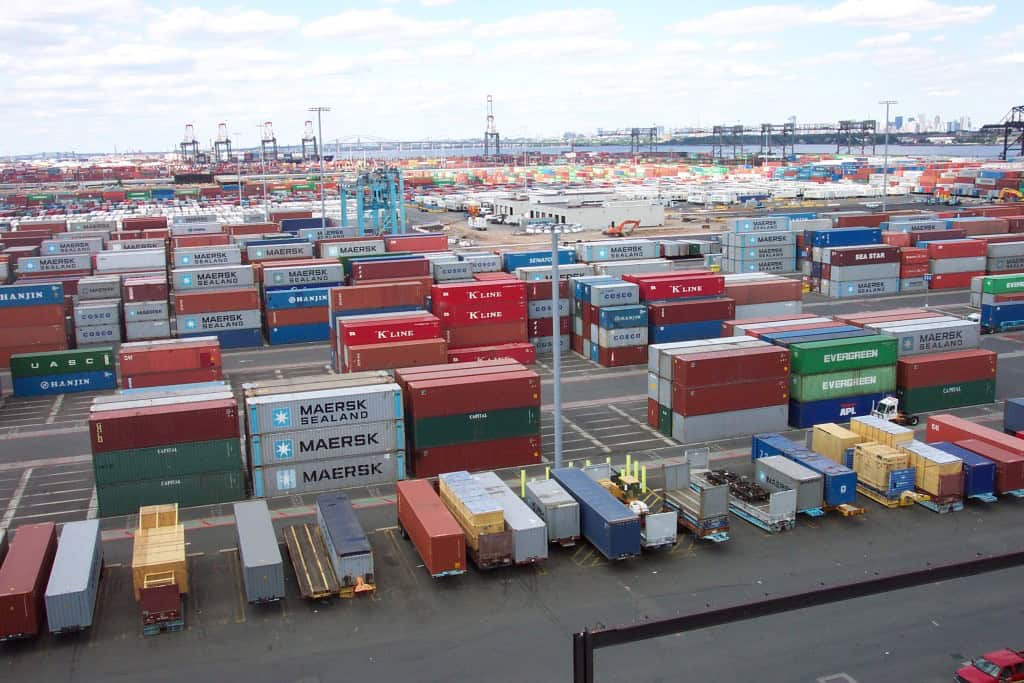
Either way, the container waits in a depot or terminal until it is sold and released. Depots and terminals handle containers for many owners at the same time, so one yard can hold boxes that belong to many different companies.
From there, the path to the buyer usually takes one of three shapes:
- Wholesaler to buyer. You buy directly from the company that owns the stock.
- Wholesaler to reseller to buyer. A reseller buys from the wholesaler, then sells to you and often delivers.
- A broker in the middle. The broker sells you a container, then buys it from a wholesaler or reseller to fill your order.
Every step can add something useful, such as local delivery or modifications. Every step also adds a margin.
Wholesaler, reseller, broker and depot compared
| Role | Owns the containers? | Usually sells to | What it adds |
|---|---|---|---|
| Wholesaler | Yes, in volume, stored at depots and terminals | Resellers, depots and buyers ordering in volume | Supply, depth of stock and depot locations across a region or the country |
| Reseller (dealer, retailer) | Often, after buying from a wholesaler. Some buy a unit only after they make the sale | Homeowners, small businesses and local contractors | Local sales, delivery, modifications, rentals and service |
| Broker | No | Anyone | Matching a buyer with a seller |
| Depot | No. It stores containers for their owners | Mainly works for container owners. Some depots also sell containers | Storage, inspection, repair and the gate where containers are picked up |
Why so many sellers list the same locations
Many resellers list the same inventory. The same containers, owned by Lummid or by another wholesaler, are often listed by many resellers at the same time. That is why you see the same depot cities on so many websites.
On a seller’s website, a location usually means a depot where they can get a container released. It does not mean a yard you can drive into, and it does not mean the seller owns the containers there. That is normal in this business and not a red flag by itself. It does mean a long list of locations tells you little about how much stock a seller actually controls.
Our stock sits in depots too, and we say so plainly. You cannot walk into a container depot and browse, any more than you can walk into an Amazon warehouse. You buy the container first. Then your trucker picks it up with a release, or the seller delivers it.
Five questions that tell you who you are buying from
- Who owns this container today? If the seller does not own it yet, they are reselling or brokering it. That can be fine, but you should know.
- Which depot is it in? A seller with direct access can name the depot city and tell you which units are being sold.
- Can you send the container number and photos of that unit? Every container carries a unique number under ISO 6346: a four-letter prefix (a three-letter owner code plus the letter U for freight containers), a six-digit serial number and a check digit. On a used container, the owner code often still belongs to the shipping line or leasing company that first owned it, so it will not tell you who owns the box today. It does confirm that the photos and the paperwork describe one specific container.
- Who issues the release? A depot only lets a container out against a release from the party that controls it. A seller who has to request the release from someone else is at least one step removed from the box.
- Who handles a problem after delivery? If a door gasket leaks or the grade is not what you ordered, find out who fixes it, and whether that company owns the container or has to go back to someone who does.
Which one should you buy from?
It depends on what you are buying.
- One container for a home, farm or small job site. A good local reseller is often the best fit. Resellers handle delivery, can modify the container and support you locally. Many of them buy their stock from wholesalers like Lummid.
- Inventory for a resale yard or depot. Buy from a wholesaler, so your cost carries one less margin and your supply does not depend on a middleman.
- Volume orders for projects, fleets or government programs. A wholesaler can usually supply more units from more depots, which matters when you need matching containers in several cities.
- Not sure who you are dealing with? Ask the five questions above. A straight answer is a good sign, whoever is on the other end of the phone.
Where Lummid fits
Lummid is a wholesaler. We have supplied containers and intermodal equipment to the industry since 2000. We carry our own stock at container depots and supply from hundreds of depots and terminals across the United States and Canada (see where we have equipment). Most of our customers are container resellers, depots, logistics companies, contractors, businesses and government buyers that order in volume.
Even a wholesaler brokers sometimes. When a customer needs more containers than we have available and does not want to wait for new ones to be built, we buy the extra units from another wholesaler and resell them. That is brokering, and it is a normal part of this trade.
Lummid is led by Michael Stangel, who has worked in the container industry for more than 20 years and has been a member of the National Portable Storage Association (NPSA) since it was founded.
We sell new (one-trip) and used 20ft, 40ft, 40ft high cube and 45ft high cube containers, refrigerated containers with generator sets, container chassis, and specialty containers such as open side, double door, offshore and military-style units. Tricons and quadcons are built to order.
Request a wholesale quote or call (888) 471-9099. Tell us the sizes, grades and quantities you need and the delivery ZIP codes, and we will quote from the depots nearest you.
Frequently asked questions
Are shipping container depots open to the public?
Generally, no. Depots are working industrial yards that store containers for many owners, and most do not allow walk-in browsing. You buy from the owner or from a reseller, then a trucker picks up the container with a release, or the seller delivers it.
Is it a bad idea to buy from a container broker?
Not necessarily. A good broker can save you time. A broker does not control the container, though, so get the container number, depot, grade and price in writing before you pay.
How can I tell if a container company is a wholesaler?
Ask who owns the stock, where it sits and who issues the release. A wholesaler owns inventory in volume, can answer all three questions directly, and sells mostly to resellers, depots and volume buyers.
Sources
- ISO 6346:2022, Freight containers: Coding, identification and marking (International Organization for Standardization)
- The international register of container owner codes (Bureau International des Containers)
- Container terminal photo: NOAA (public domain)
