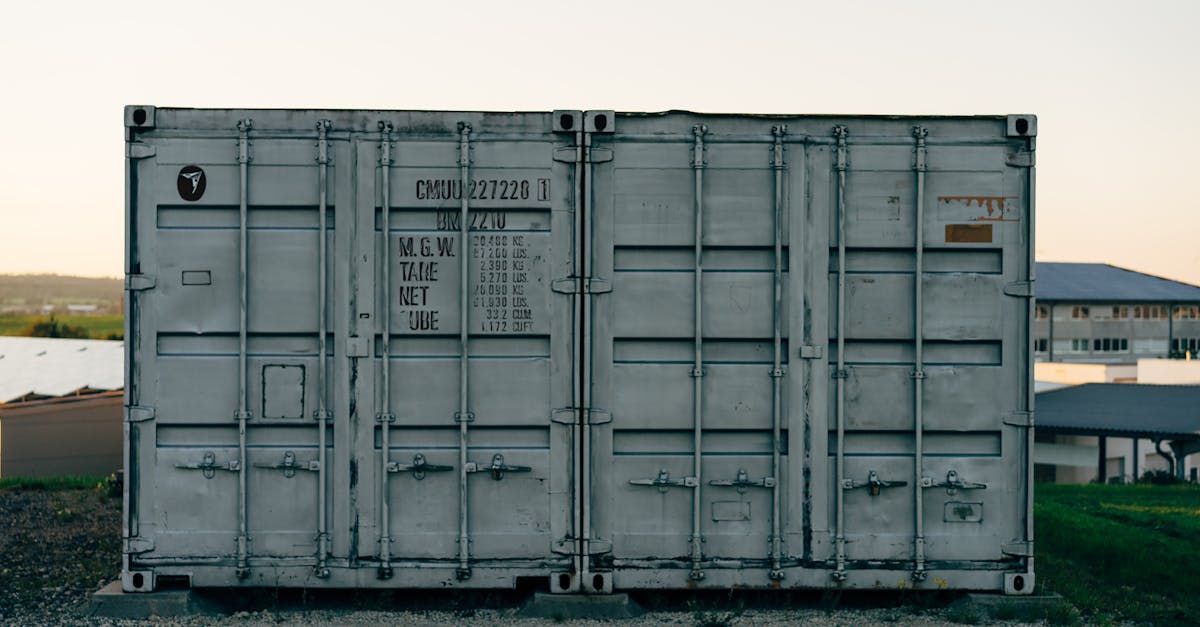
Joint Modular Intermodal Containers (JMICs) are a cornerstone of modern defense logistics, designed for flexibility, efficiency, and interoperability across military supply chains. Developed within the Joint Modular Intermodal Distribution System (JMIDS), JMICs are purpose-built to streamline the movement of military cargo across air, land, and sea, allowing defense procurement teams to maximize efficiency, meet compliance demands, and respond rapidly to changing operational requirements.
These containers are engineered as standardized modular units that interlock seamlessly and fit into conventional ISO footprints, enabling easy assembly into 20ft or 40ft containers as well as rapid breakdown for tactical redeployment. At Lummid Containers, we understand firsthand how these configurable, ISO-compatible containers empower defense agencies to solve challenges with supply continuity, fast turnarounds, and minimal logistical footprint. Our long-standing presence in the U.S. military supply sector positions us as a trusted source for military- and defense-ready intermodal equipment tailored to these demanding environments.
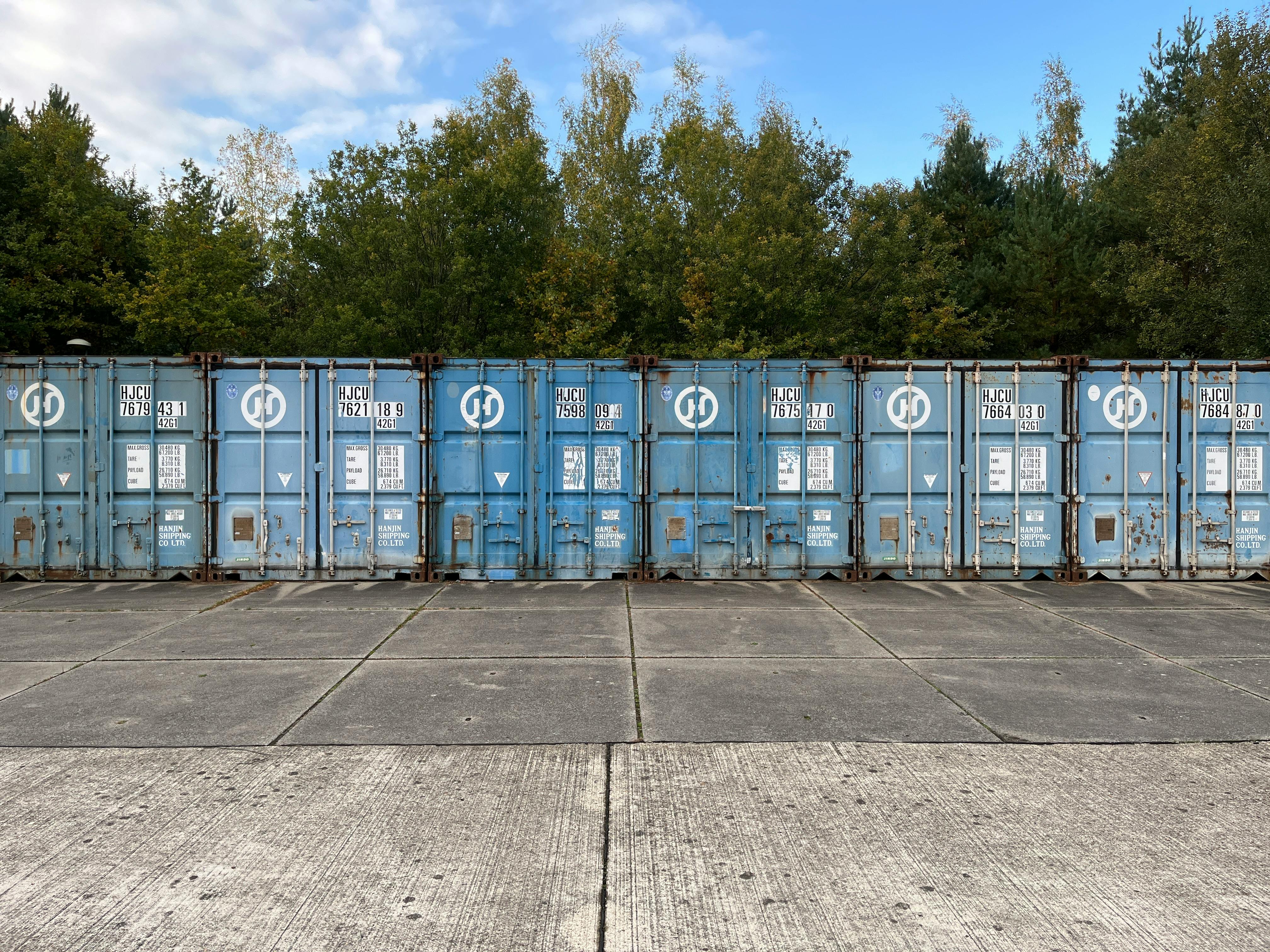
Definition: What Is a Joint Modular Intermodal Container (JMIC)?
A Joint Modular Intermodal Container, or JMIC, is a standardized, durable, and modular box built for intermodal military cargo movement. JMICs are constructed to MIL-STD-3028 specifications, making them compatible with various military and commercial handling systems. Their stand-out feature is modularity: individual units can be joined or nested, allowing users to create or break down containerized loads that fit both standard ISO containers (20ft, 40ft) and military pallet systems (such as the 463L aircraft pallet).
Key properties of JMICs include:
- Rigid, secure construction from materials such as aluminum and UHMW polyethylene for high durability
- Integrated interlocking mechanisms to assemble multiple units into ISO footprints
- Collapsibility to minimize volume when empty
- Compatibility with automated tracking and identification systems (such as RFID-enabled logistics platforms)
How JMICs Work: Step-by-Step Framework for Defense Procurement
Defense procurement teams can approach JMIC sourcing and operation using the following step-by-step framework:
- Analyze Cargo and Mission Needs: Start by defining operational requirements—payloads (such as munitions, medical supplies, or field equipment), handling environments, and transportation modes (land, sea, or air).
- Select the Right JMIC Configuration: Choose between full-size or half-size trunks based on load volumes and compatibility. For example, full-size JMIC trunks typically measure 1016 mm x 609 mm x 406 mm externally with a max payload of 35 kg.
- Verify Compliance and Integration: Ensure the products are compliant with defense standards like MIL-STD-3028, TAA, or NATO requirements. Traceability is key, so look for automated information technology (AIT) compatibility.
- Coordinate with Wholesale Suppliers: Work with providers like Lummid Containers who understand commercial-to-military conversion and offer TAA-compliant, ammo-grade, or custom-spec military containers for bulk orders across U.S. depots.
- Plan for End-to-End Logistics: Consider accessibility for deployment and retrograde operations. Modular and collapsible JMICs enable efficient moves in tight operational timelines, supporting rapid supply chain adjustments.
Lummid Containers: Your Trusted Source for Defense-Ready JMIC and Intermodal Equipment
At Lummid Containers, we supply a full range of ISO containers and military-specialized units—including JMIC-compliant options like 10ft Bicon, Tricons, Quadcons, TAA-compliant offices, and ammo-grade containers for hazardous or sensitive cargo. Our direct import pipeline from Asia and Europe, combined with a national depot network, means we can meet your bulk order needs quickly and cost effectively.
We bridge the gap between commercial logistics expertise and the unique requirements of defense procurement, making compliance, traceability, and secure delivery simple for your organization. We also offer modifications (doors, windows, insulation, and more) where mission requirements demand custom solutions.
- Military specialists: Extensive knowledge of TAA/UN Hazmat compliance, rapid turnaround for government and sector-specific projects
- Bulk sourcing: Wholesale supply with stable pricing and predictable availability
- End-to-end delivery: Integrated logistics support for smooth container moves from international ports to your sites
JMIC Specifications and Modular Options
JMICs are available in a variety of standard and customizable sizes, built to be compatible with common military and intermodal handling equipment. Here’s a quick reference:
| JMIC Type | External Dimensions (mm) | Tare Weight (kg) | Max Payload (kg) |
|---|---|---|---|
| Full-Size JMIC Trunk | 1016 x 609 x 406 | 15 | 35 |
| Half-Size JMIC Trunk | 1016 x 609 x 212 | 13 | 35 |
Both types are collapsible and designed for easy palletization and breakdown. Multiple JMICs can nest within larger ISO containers, drastically reducing logistics footprint during deployment and return operations. For a deeper dive into military storage options and configurations, see our guide on Military Storage Containers: Best Configurations for Secure Field Deployment.

JMIDS: Integrating JMICs, Platforms, and Technology
The backbone of the JMIC value proposition lies in the broader JMIDS ecosystem. For defense procurement teams, it’s vital to look at:
- JMIC Units: Modular containers for supplies, engineered to standard and tactical requirements
- Joint Modular Intermodal Platforms (JMIP): Wheeled or fixed base platforms that enable reconfiguration, easing transfers between sea, road, and air
- Automated Identification Technology (AIT): Integration with RFID and logistics data networks ensures traceability and efficient management through systems like LOGSA or JTAV
This integration speeds the breakdown and reassembly of cargo, helping procurement and deployment teams supply troops or field sites with less downtime and fewer lost shipments. The combination of modularity and technology support is especially impactful for munitions, hazardous materials, humanitarian aid supplies, and sensitive retrograde materials.
Benefits and Use Cases for Procurement Teams
Procurement professionals in defense, government projects, or supporting sectors like mining and construction consistently turn to JMICs for several advantages:
- Efficient Space Utilization: Modular design allows for compact loading and minimal empty return costs
- Interoperability: Designed for use by Army, Navy, Air Force, and Marines; meets U.S. and NATO standards
- Operational Agility: Rapid load reconfiguration and easy handling support fast-response missions
- Durability and Security: Materials and construction are field-tested for demanding environments, including hazardous and sensitive cargos
- Visibility and Compliance: Integration with automated tracking systems ensures continuous supply chain visibility
Imagine a logistics team tasked with deploying and recovering equipment across international theater operations. With JMICs, bulky general-purpose boxes give way to efficient, traceable, and agile cargo units. For more tips on compliance and supply chain best practices, check our article on military ISO supplier reliability.
Best Practices for Buying and Implementing JMICs
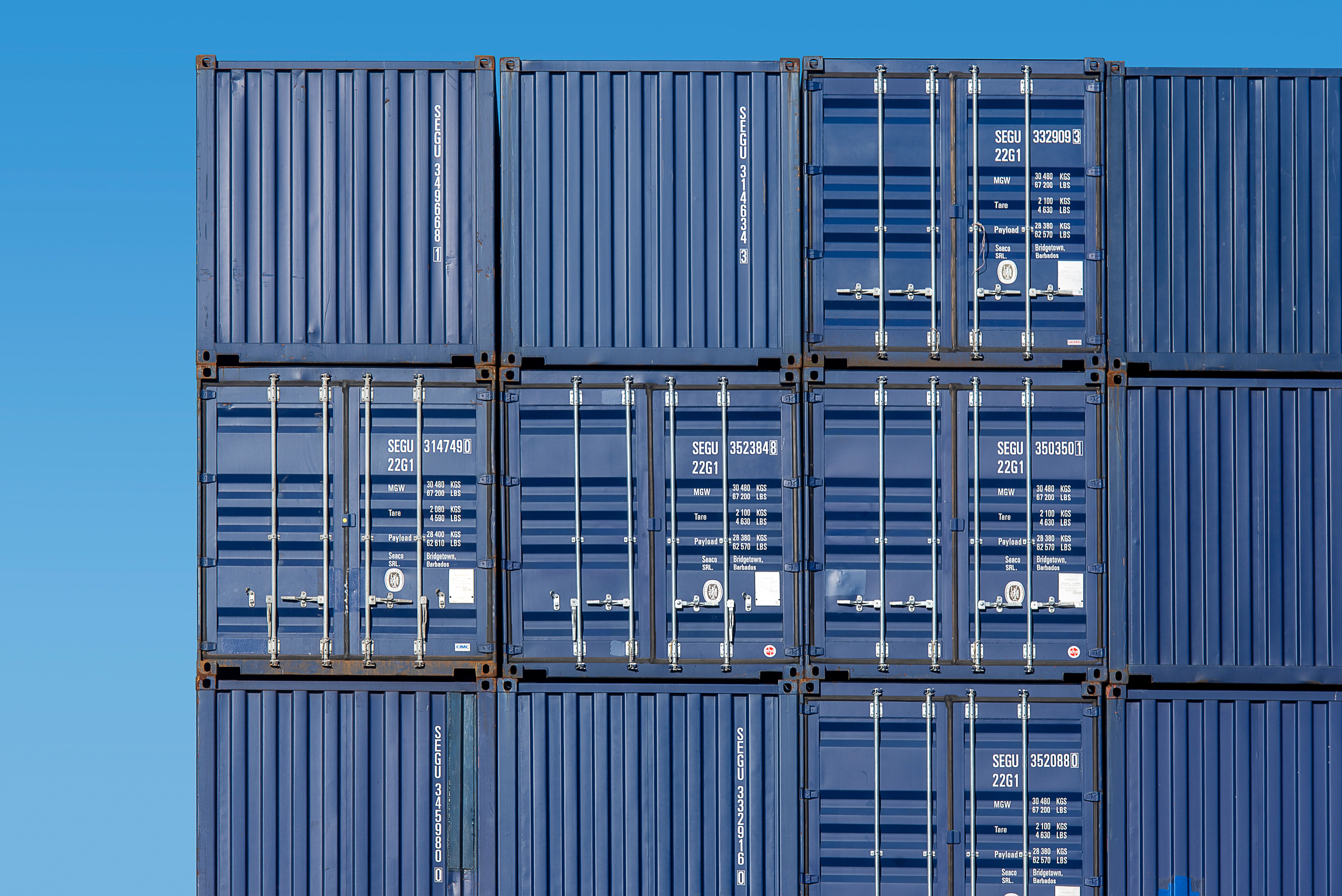
Based on years working with military, government, and commercial bulk buyers, we recommend following these best practices to maximize results with JMIC procurement:
- Align With Standards: Always validate against current MIL-STD and TAA requirements for your intended use case
- Engage Reputable Suppliers Early: Engage direct importers or wholesalers (like Lummid Containers) to assess market lead times and access depot coverage for on-time delivery nationwide
- Plan for Retrofitting: Determine any required modifications (windows, insulation, hazmat panels) at the quoting phase to avoid production delays
- Test Compatibility Before Scaling: Conduct pilot deployments or integrate with your current AIT setup to validate fit and traceability
- Leverage Nationwide Distribution: Use a supplier with depots near your final deployment zones to minimize trucking and maximize flexibility
Common Questions: FAQ for Defense Procurement Teams
What makes JMICs different from standard ISO shipping containers?
JMICs feature modular construction and collapsibility, allowing them to be joined into larger loads or broken down for tactical redeployment. They are engineered for military compatibility and come with built-in traceability features, whereas standard ISO containers are fixed box designs used for general commercial cargo.
Can JMICs be integrated into commercial logistics workflows?
Yes. While designed for military purposes, JMICs are built to ISO footprints, making them compatible with most commercial handling, stacking, and transportation systems. Lummid Containers can help with matching military needs to commercial supply chains.
Which JMIC configurations does Lummid Containers support?
We provide a wide range of JMIC-compatible containers, including 10ft Bicon, Tricons, Quadcons, high-cube, mobile office, and TAA/ammo-grade containers for sensitive and hazardous shipments. Custom modifications are also available.
How quickly can bulk JMIC orders be fulfilled?
Thanks to our national depot network and direct import capabilities, bulk JMIC deliveries can be coordinated efficiently. Lead times depend on current inventory and specific required modifications.
Are there best practices for reducing total logistics costs?
Yes. To reduce costs, leverage one-way container supply, consolidate procurement for volume discounts, and coordinate closely with your supplier to align deliveries with your operational calendar. Early engagement with distributors ensures smoother transport and reduced risk of last-minute surcharges.
Where can I get more details on military-grade options and compliance?
You can start with our resource on military-spec containers or reach out to us directly for tailored guidance.
Conclusion
JMICs empower defense procurement teams to achieve new levels of efficiency, compliance, and responsiveness. Their standardized, modular design supports flexible cargo configurations and rapid movement through all points of the defense supply chain. By partnering with Lummid Containers, procurement teams gain access to a full spectrum of compliant, durable, and customizable container solutions, with the peace of mind that comes from working with an industry leader in military intermodal logistics.
If your next project needs bulk military containers, modular platforms, or support navigating the complexities of defense procurement, reach out to us. Our team is ready to collaborate and deliver solutions—backed by experience, a national depot presence, and a commitment to your mission success. Contact Lummid Containers today to discuss your requirements, request quotes, or tap into our network for your next deployment.
