Choosing between military shipping crates and ISO containers for contracts—whether you’re a reseller, government supplier, or procurement lead—can define your supply chain’s efficiency, compliance, and bottom line. The correct choice depends on standards, durability, compliance requirements, and the intended use. Both categories have overlapping features but diverge in key specs, certifications, and sourcing practices. Let’s break down what you need to know, drawing from our experience at Lummid Containers as a wholesale industry leader in ISO and military container supply.
Definitions: Military Shipping Crates and ISO Containers
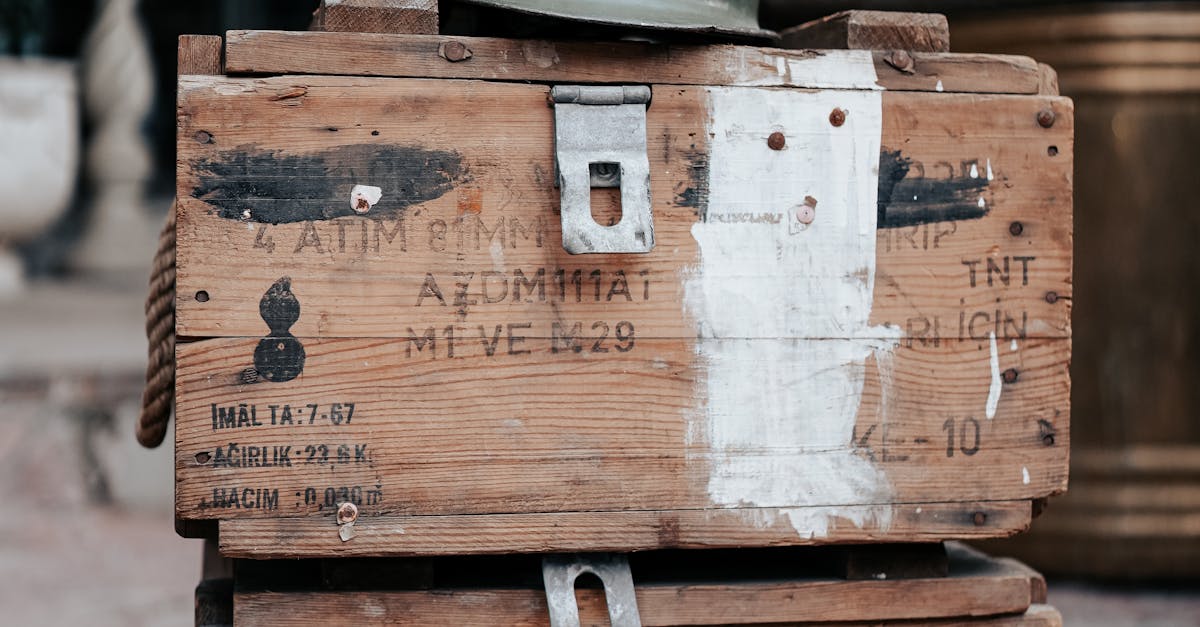
- Military Shipping Crates: Also called MIL-SPEC containers or Conex boxes, these are rugged steel or aluminum units designed for defense, hazmat, and sensitive equipment under strict compliance requirements like Trade Agreements Act (TAA) or UN Hazard Class 1 for explosives. Specialized versions (ammo-grade, bicon/tricon/quadcon, or ISU formats) are engineered for field robustness and government use, sometimes at the expense of standardization.
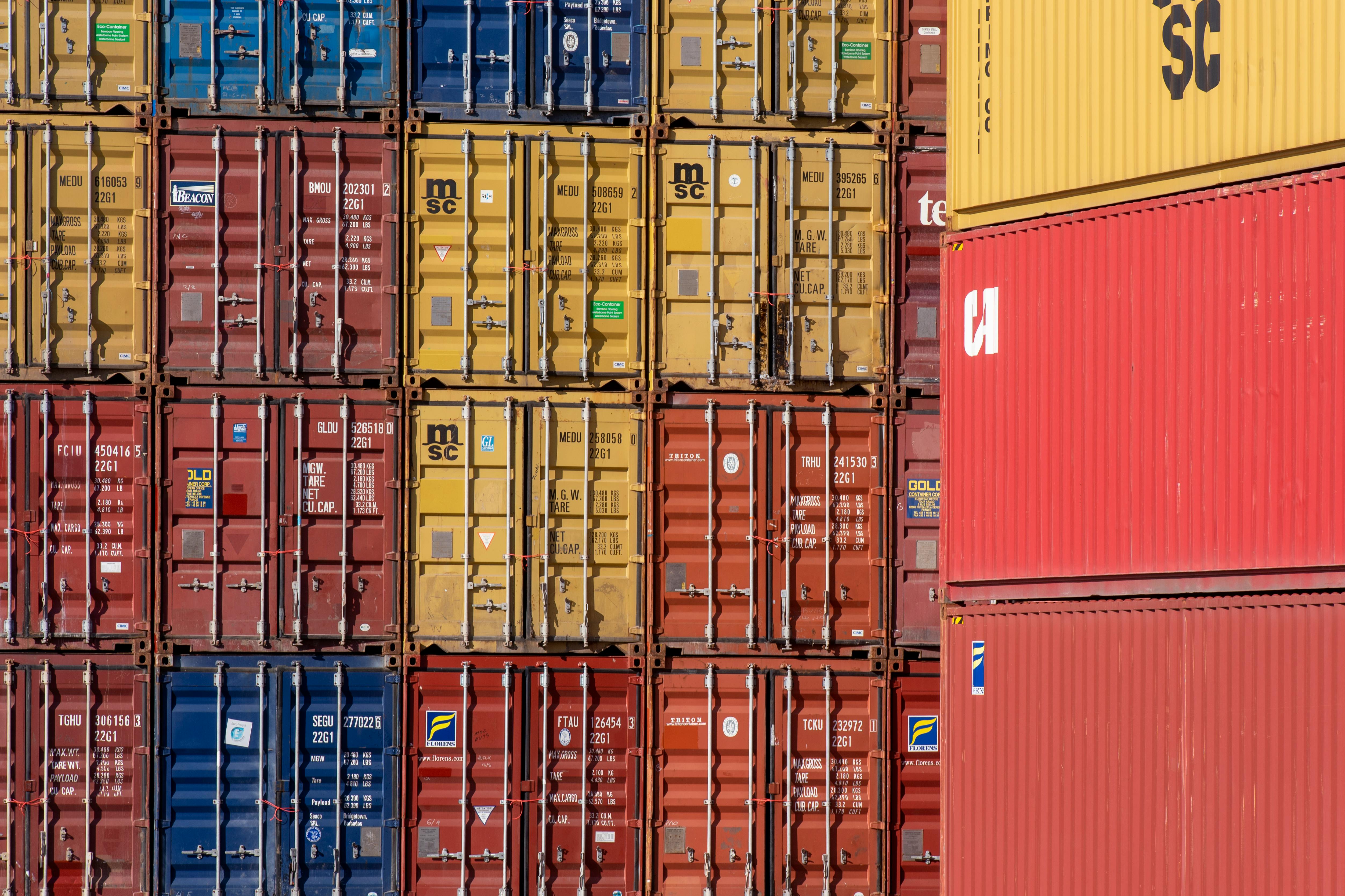
- ISO Containers: Intermodal freight containers manufactured to International Organization for Standardization dimensions and stacking specs. These come in standard lengths (20’, 40’, 40’ High Cube, 45’, 53’) and favor global compatibility, secure handling, and ease of inspection for both commercial and certain federal contracts.
Step-by-Step Guide: How to Choose the Right Container
- Define Your Contract Requirements: Are you moving hazardous goods, weapons, or government cargo? Military crates may be required for ammo, explosives, or where TAA/IMDG/UN certifications are mandated.
- Evaluate Compliance Demands: Check if your project needs ISO, TAA, or UN Hazard logistics. ISO containers simplify intermodal and international moves, while military-grade is essential for certain federal and defense jobs.
- Compare Sizing and Modularity: Military containers come in 10ft bicon, tricon, quadcon, and niche ISU variants for flexible field deployment. ISO options prioritize cargo density and standard logistics, ideal for stacking and containerized transport worldwide.
- Assess Handling and Lifecycle Costs: ISO containers integrate seamlessly into shipping, rail, and depot networks. Specialty military boxes can trigger higher handling and drayage fees due to custom transportation and lower stackability.
- Work with a Trusted Supply Partner: Lummid Containers provides expertise in both military-compliant and ISO standard units, advising you on depot locations, availability, lead times, and compliance documentation for bulk or specialty orders.
Military Shipping Crates: Use Cases, Strengths, and Limitations
- Government and Defense Contracts: Required for transport or storage of ammunition, explosives, and sensitive electronics. Lummid Containers supplies certified ammo-grade and TAA-compliant units, supporting compliance for rigorous federal standards.
- Specialized Field Operations: Lightweight ISU containers and bicons for air or land deployments, with unique sizing and interior mods for mission-specific requirements.
Learn more about sourcing bicon, tricon, and quadcon containers in the U.S. - Hazmat and Secure Shipments: MIL-SPEC containers feature reinforcement, specialized vents, and seals for hazardous goods.
Explore hazmat side-opening options suitable for rapid delivery.
Limitations include higher price premiums, niche fit (not always compatible with standard container handling processes), and limited stacking height for certain configurations.
ISO Containers: Use Cases, Flexibility, and Sourcing Advantages
- Commercial and Bulk Logistics: Designed for high-density storage, seamless global shipping, and modification projects. ISO containers are stackable up to 9-high, backed by “Cargo Worthy” and Wind & Watertight ratings. Many businesses choose these for cost efficiency and reliability.
- Intermodal & Multi-Industry Use: Because of their universal sizing, ISO containers fit construction, mining, agriculture, and many industrial end-users. Lummid Containers specializes in direct imports from Asia and Europe, keeping U.S. depot networks fully stocked for quick turnaround.
- Resale and Modification Market: Resellers favor ISO due to consistent grading, fast moving inventory, and broad market demand.
The chief strength is adaptability: ISO containers support a wide variety of applications, from secure storage to office conversions, and are broadly accepted for most non-MIL-SPEC contracts.

Comparison Table: Military Shipping Crates vs ISO Containers
| Feature | Military Shipping Crates | ISO Containers |
|---|---|---|
| Standards | MIL-SPEC, often TAA/UN Hazard certified | ISO-certified, global intermodal compatibility |
| Common Sizes | 10ft bicon, tricon, quadcon, ISU, 20ft | 20ft, 40ft, 40HC, 45ft, 53ft |
| Material | Corten steel or aluminum, specialty reinforcement | Corten steel (weather-resistant), ISO corner castings |
| Compliance | Required for ammunition, hazmat, defense contracts | Accepted for commercial, industrial, and many public projects |
| Stackability | Varies by model (not always stackable with ISO units) | Stack up to 9-high on ships and at depots |
| Price Point | Typically 15-25% higher for certified units | More cost-effective per cubic foot, especially for used units |
| Ideal Buyer | Government agencies, defense contractors, logistics providers for hazardous goods | Resellers, depots, bulk buyers in construction, mining, agriculture |
| Source From | Lummid Containers – Military Equipment | Lummid Containers – Standard Containers |
Best Practices for Sourcing Shipping Containers for Contracts
- Review your contract’s legal requirements (ISO, TAA, UN Hazard, etc.) before final selection.
- Always obtain documentation for certifications—military crates may require ammo-grade or TAA paperwork, while ISO containers need valid CSC plates and inspection records.
- For large projects, prioritize a supplier with a nationwide depot network and flexibility on sizing/modifications. Lummid Containers excels in multi-location delivery and direct-from-port supply strategies.
- When storing or transporting hazardous materials, consult with your supplier about the specific Military/Ammo Grade requirements. For further details, see our ammo-grade container acceptance checklist.
- Many businesses find that obtaining both ISO and specialty units from a single provider like Lummid can streamline compliance and simplify logistics.
Why Sourcing Expertise Matters: The Lummid Containers Advantage
At Lummid Containers, we source one-trip ISO units from Asia and Europe (20’, 40’, 40HC) alongside specialty military options—including TAA-compliant bicons, tricons, ammo-grade, hazmat side-openers, and UN Hazard Class 1 models. Using our nationally-distributed depot network, we mitigate inconsistent supply and secure competitive wholesale pricing for both resellers and end users. Our expert team provides clear compliance guidance, product documentation, and fast delivery turnaround to help you meet contract specs with confidence.
Frequently Asked Questions
What’s the main difference between military shipping crates and ISO containers?
Military crates are purpose-built for defense and hazardous materials, meeting stricter government requirements. ISO containers are globally standardized for multi-modal shipping and storage, making them versatile and broadly accepted for commercial use.
When should I specify military-grade containers?
You should specify military-grade units for government, defense, or hazardous goods contracts that call for TAA-compliance or specific hazard class certifications, such as for ammunition or explosives. Lummid Containers provides multiple size and certification options for these needs.
Are ISO containers accepted for federal projects?
Standard ISO containers are accepted for many federal and public contracts, provided they meet any additional requirements for documentation and condition (such as “Cargo Worthy” status). Always verify with your contracting authority.
How can I avoid costly sourcing mistakes on specialty containers?
Partnering with an expert supplier like Lummid Containers ensures you get accurate documentation, up-to-date inventory, and expert compliance guidance, reducing risk and avoiding shipment delays.
Do military containers stack with ISO containers?
Certain military formats (such as 20ft or ISO-dimensioned units) can stack with standard ISO containers. Specialty formats (like bicon or tricon) may not be compatible with standard ISO stacking without adapters or modifications.
Conclusion
The right choice between military shipping crates and ISO containers is guided by your contract’s compliance requirements, operational environment, and budget. Military containers excel in specialized defense and hazardous environments, while ISO containers are unmatched for universal logistics and project flexibility. Many successful procurement teams choose Lummid Containers for nationwide expertise in both categories, competitive pricing, and reliable support throughout the buying process. For tailored recommendations, multi-site delivery, or to discuss certification details, connect with our team and let us help you navigate your next contract with confidence.
