Open side shipping containers deliver full-length side access and remarkable flexibility, offering significant advantages over standard ISO containers for resellers, bulk buyers, and large-scale project operators. These containers are engineered so one of their long sides opens completely, providing wide access for loading, improved inventory management, and efficiency in operations where traditional end-door containers can be limiting. For organizations that prioritize fast loading, frequent access to inventory, or the movement of oversized items, open side containers can be a game-changer.
The main reasons to select an open side container include faster and safer loading with forklifts, the ability to accommodate awkward or oversized cargo, and easier day-to-day use for jobsites, retail setups, or remote deployments. For wholesale procurement and repeat bulk orders, Lummid Containers positions itself as a trusted expert, bringing decades of specialized sourcing, depot coverage, and logistics experience to ensure buyers get the right container, at the right depot, ready for any access or loading scenario.

Definition: What is an Open Side Shipping Container?
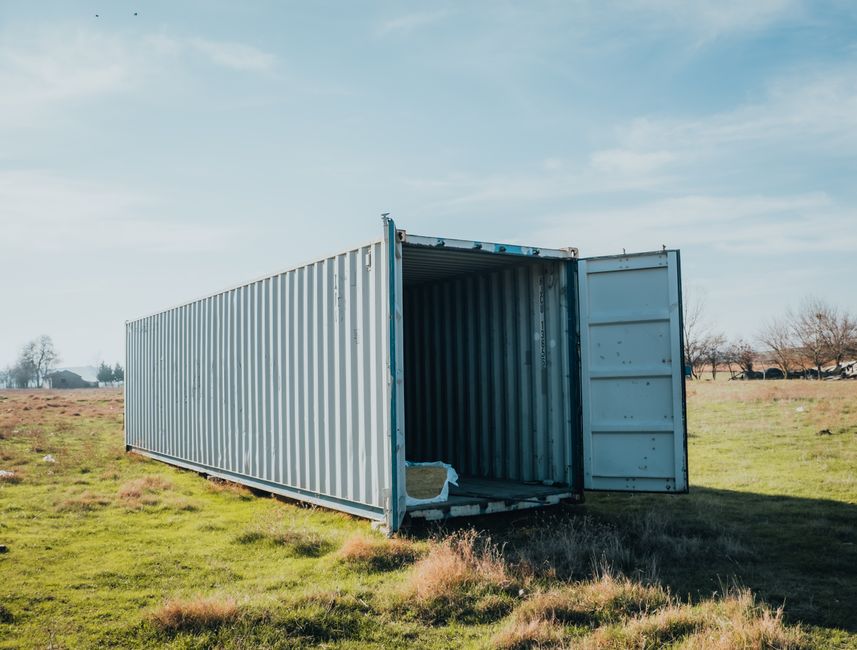
An open side container—also known as a side opening or full side access container—is an ISO shipping container built with bi-fold, multi-panel, or swing-open doors along one of its long sides, while still retaining standard cargo doors at one or both ends. This design delivers clear, wall-length access for equipment and materials, a key advantage for industries where end-door-only access may create bottlenecks or handling risks. Most open side containers in today’s wholesale markets are new or one-trip units, as the extra door hardware typically leads to less availability on the used market and adds to the engineering integrity of each unit.
Common Sizes and Specifications
While open side containers follow the exterior sizing conventions of 20-foot or 40-foot ISO containers, there are critical details to check for accurate project planning:
- 20 ft open side container: External length about 20ft, width 8ft, height 8ft 6in (or 9ft 6in for high cube). Internal dimensions are slightly reduced by door and flooring reinforcements—confirm with your supplier for exact fit, especially for tall racked storage or machinery.
- 40 ft open side container: External length 40ft, width 8ft, height either standard or high cube. Ideal for bulky equipment, long or modular items, or high-frequency access needs in logistics and retail builds.
- High cube variants: Both 20ft and 40ft open side containers are commonly available with an extra foot of internal height (9ft 6in total external). These are popular for tall pallets, stacked inventory, or architectural modifications.
For a detailed understanding of ISO size options, please see our specification overview for lengths, internal dimensions, and maximum weight ratings.
Types of Open Side Containers: Door and Post Options
The configuration of the side door system directly impacts loading efficiency and cost, so it’s essential to specify requirements up front:
- Fully open side (no center post): Multiple bi-fold doors create one continuous, wall-length opening for clear, forklift-friendly access. This style is ideal for maximum flexibility but is the priciest due to structural complexity.
- Single center post: Divides the long side into two large openings. Enhances structural support and can double as an internal divider for inventory segregation.
- Multi-door, segmented side: Features three posts with four separate side doors, allowing selective access to distinct cargo zones. Typically the most budget-friendly and structurally similar to standard boxes.
Always request reference photos, technical drawings, and confirmation of door clearance and interior height to ensure the container suits your specific needs.
Core Access, Loading, and Inventory Management Benefits
1. Full-Length Side Loading
- Forklifts and pallet jacks can load along the length, reducing manual handling and simplifying placement of large or irregular cargo.
- Direct access to mid-point or rear cargo without reloading the entire box increases operational speed and safety.
- Side doors make organizing and retrieving inventory, tools, or construction materials far easier for busy industrial, construction, or event sites.
2. Ideal for Oversized and Irregular Cargo
- Open side containers fit long steel beams, machinery, pallets, retail fixtures, or even vehicles—avoiding the size restrictions of rear doors.
- Construction and logistics teams save hours by loading/unloading wide or bulky items from the side rather than pivoting everything through end doors.
3. Better Inventory Visibility and Segmented Storage
- Operators can quickly scan stored inventory along the container’s length, essential for tool cribs, pop-up warehouses, or temporary worksite offices.
- Multi-door models let teams access specific inventory zones without disturbing other stored materials, improving control and efficiency.
Key Use Cases Across Industries
- Construction and Jobsite Storage: Open side containers store scaffolding, rebar, forms, long tools, or daily-use equipment, allowing quick retrieval with minimal shuffling.
- Industrial Yards and Warehousing: Bulk or pre-assembled equipment, pipes, or machine parts benefit from easier sorting and grab-and-go access.
- Retail and Pop-Up Projects: Twenty-foot or forty-foot open sides are popular for mobile shops, showrooms, or event structures where rapid setup and visibility matters.
- Agriculture and Rural Logistics: Efficient for seasonal seed, feed, or equipment storage that requires frequent moving or easy access even with heavy machinery.
- Government, Mining, and Emergency Response: Side access simplifies securing, distributing, and rotating tools and supplies for field teams or remote worksites. Military and hazmat-ready side openers are also available for highly specialized or compliance-driven projects.
Procurement Guide: What to Consider When Buying in Bulk
Condition: New, One-Trip, or Used?
- Open side containers are mostly sold in new or one-trip condition because the side-door hardware is more complex and rare on the used market. One-trip units offer best longevity, minimal wear, and are preferable for resale or public-facing use (such as retail).
- Used open side units do exist, but expect more cosmetic wear and check all hardware meticulously for rust, hinge issues, and watertightness.
ISO and CSC Certification
- For international shipping or intermodal use, verify the container carries a valid CSC plate and ISO certification. Lack of current certification can restrict transport or require expensive field inspection and repair.
Door Mechanics and Floor Engineering
- Ask for specifics on post and door count, opening width, and any reinforced flooring (which might slightly reduce height or usable interior space).
- Sample photos and measurements provide assurance you’re ordering the right door style for your operations.
Budgeting for Premium Access
- Open side containers carry a significant premium over standard units—especially the fully open side configuration. However, labor and handling savings can offset this premium for many businesses, especially those with high-frequency access or irregular loads.
- Compare total cost of ownership, not just unit price, accounting for speed, safety, and reduced labor on busy projects.
Bulk Sourcing and Logistics Strategy for Open Side Containers
For Resellers and Depots:
- Open side containers offer a unique, margin-enhancing product line for resellers. Many wholesale buyers focus on stocking a select mix (such as 20ft fully open side and 40ft high cube with a center post) for versatility and fast turnover.
- Lummid Containers sources open side units directly from Asia and Europe, supplying nationwide depots so resellers avoid costly trucking and fragmented surcharges. This is especially valuable in areas with inconsistent local supply.
- For broader depot strategies and tips on inventory management, see How a Nationwide ISO Container Network Helps Resellers Refill Inventory Faster.
For End-User Bulk Buyers (Construction, Logistics, Mining, Government, Agriculture):
- Project-based sourcing allows buyers to align orders (sizes, features, delivery) with seasonal or scheduled needs, leveraging Lummid’s import programs and depot access for just-in-time drop-offs.
- Specification consistency is essential. Define racking, lighting, insulation, or modifications up front and coordinate with suppliers who can fulfill pre-modified units as needed. Lummid can support many specialty modifications ahead of delivery.
Depot and Trucking Considerations
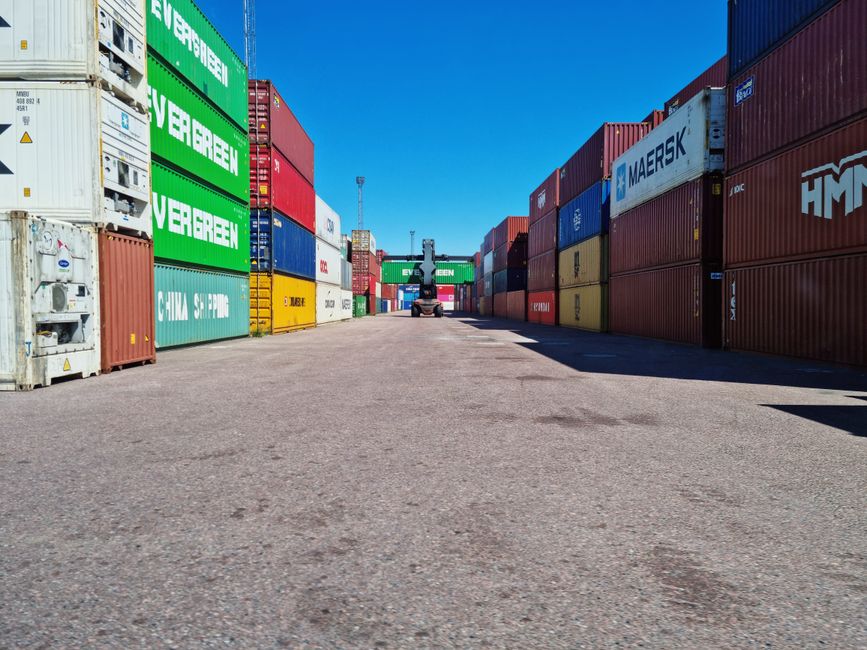
- Heavier and more complex than dry vans, open side containers may require specialized handling equipment at depots. Advance coordination ensures smooth movement and quick turnaround.
- Confirm chassis compatibility and onsite access. High cubes, for instance, need extra clearance when passing under structures or moving through city corridors.
- Plan for efficient delivery sequencing so fully open side units arrive first at projects where flexibility is a priority.
Best Practices When Sourcing Open Side Containers
- Always specify interior and exterior dimensions, especially for tall or wide cargo plans.
- Clarify door configuration with reference photos or technical drawings. Avoid surprises by securing drawings that illustrate how each side segment opens and latches.
- Check CSC certification validity for any container destined for intermodal transport.
- For modified units (such as for office or retail), furnish all interior layout, climate, or security requirements in writing prior to PO issuance.
- Align your orders to seasonal shipping flows, leveraging direct import windows for volume discounts on one-trip units.
Why Lummid Containers Is the Go-To Expert for Bulk Open Side Containers
- Direct sourcing from Asia and Europe ensures fresh, high-spec side opening and specialty containers are available across U.S. and Canadian depots.
- Decades of wholesale and logistics expertise allow Lummid to serve both resellers needing consistent inventory and end users managing complex, multi-site projects.
- Custom modification capabilities help buyers receive project-ready side openers, from basic storage to hazmat-compliant or mobile office units.
- Comprehensive depot coverage means lower overall trucking and faster delivery—critical factors for high-volume or urgent project orders.
Learn how Lummid coordinates multi-market supply and resilient sourcing pipelines in our in-depth guide: What Company Can Source Wholesale Shipping Containers from Asia and Europe and Reposition Them into U.S. Depots for Resale?
FAQ: Open Side Container Buying and Operations
What is the difference between a fully open side container and a multi-door open side container?
A fully open side container features one continuous, full-length opening without internal center posts. This design allows unobstructed access from end to end but is the most expensive option. Multi-door open side containers use several smaller doors separated by posts to offer segmented access and enhanced structural strength, usually at a lower price.
Are open side containers suitable for international shipping?
Yes, provided they are manufactured and maintained to ISO and CSC certification standards. Always verify your supplier provides containers with a valid CSC plate for intermodal and ocean freight use.
Why are most open side containers only available as new or one-trip?
The side door mechanics are more sophisticated and less common. Used open side containers with functional door systems are rare, so most available inventory is new or one-trip condition, ensuring better durability and long-term value.
What practical factors should I check before ordering in bulk?
Specify desired size and height (20ft or 40ft, standard or high cube), the exact door configuration, certification needs, interior finish requirements, and depot location for delivery. Request photos or drawings to avoid confusion over how each door system operates.
Can open side containers be modified?
Yes. Many buyers request modifications for retail, offices, or specialty storage. Lummid supports select modifications—such as racking, insulation, or electrical—depending on depot location and volume. Be sure to detail modification needs at the point of order.
Conclusion
For businesses, agencies, and resellers requiring superior access, faster loading, or the ability to tackle oversized cargo, open side containers provide clear operational advantages. Sourcing the right models—matched to your loading needs, projects, and logistics goals—requires more consideration than standard containers, especially at scale.
Lummid Containers is positioned to be your partner in open side container procurement and deployment across North America, supporting wholesale and bulk buyers with direct import, nationwide depot coverage, and flexible modification capabilities. If you are planning your next bulk container purchase or want expert guidance on sizing, access, or sourcing strategies, reach out to our regional experts for a tailored solution.
