
Florida has evolved into a critical hub for shipping container logistics in the United States, with its ports, trucking corridors, and depot network shaping how businesses access and move containers. The changes in port access, stricter trucking requirements, and the continued growth of container depots have a direct impact on availability, timelines, and costs for both wholesale resellers and bulk end users. Understanding these factors is essential for procurement teams, depot managers, and large buyers who need reliable and cost-efficient container supply across the state.
Lummid Containers stands at the center of these logistics shifts by enabling seamless container sourcing through its direct import channels, partnerships with major logistics providers, and its robust U.S. depot presence. Below, we’ll break down how port operations, road requirements, and depot networks affect container access in Florida—and why partnering with an expert like Lummid streamlines the process, reduces risk, and delivers real value whether you’re reselling or deploying containers in bulk projects.
Definition: What Shapes Florida’s Shipping Container Market?
The Florida shipping container ecosystem is powered by three major factors:
- Port Access: Major ports (Jacksonville, Miami, Tampa, Everglades) serve as primary entry points for international containers. Their capabilities—including vessel size accommodation and congestion levels—influence supply speed and cost.
- Trucking & Road Regulations: Rules on weight, size, environmental restrictions, and seasonal hazards (such as hurricanes) impact drayage and inland delivery of containers.
- Depot Network: The scale and reach of distribution depots across Florida determines how quickly and affordably businesses can pick up or receive containers post-import.

How Port Access Impacts Container Supply in Florida
Florida’s position on the Atlantic, established deepwater ports, and ongoing infrastructure upgrades mean containers arriving from Asia and Europe can be quickly offloaded and processed. For instance, Port Jacksonville’s handling of more than 1.4 million TEUs annually marks it as the state’s busiest, while Miami’s deepened channels now support the world’s largest containerships, pushing up throughput by as much as 20% in recent years.
For businesses, these upgrades have two key effects:
- Shorter import lead times compared to West Coast U.S. ports—vital for one-way units and spot buying.
- Lower potential for congestion-related surcharges and delays that can add hundreds of dollars per container in demurrage.
We at Lummid Containers leverage port efficiencies and priority booking through NVOCCs and freight forwarders to reduce inbound delays. This is especially significant for resellers who require steady inventory of 20ft, 40ft, and 40HC containers as well as specialty equipment, and for bulk buyers managing large-scale projects with demanding timelines.
Step-by-Step: Moving a Container From Florida Port to Customer
- Container Arrival at Port: Container vessels unload at Miami, Jacksonville, Tampa, or Everglades terminals. Post-Panamax vessel access allows higher container volume offload per call.
- Port Processing & Customs: Freight forwarders, including those partnered with Lummid, manage customs clearance, inspection, and handling documentation.
- Trucking Coordination: Containers are matched to available chassis and trucking carriers, factoring in oversize, weight permits, and state DOT restrictions.
- Depot Transfer or Direct Delivery: Units are moved from port terminals to Florida depots or directly trucked to customer locations, using Lummid’s optimized route planning and partnerships with trusted 3PLs.
- Depot Inventory & Customer Pickup: Containers are inspected, inventoried, and made available for resale, modification, or end-user deployment—often with 24-72 hour turnaround times depending on volume.
Trucking and Road Logistics: Key Regulatory Shifts
Florida’s trucking landscape has become more complex as containerized freight volumes rise and state authorities enforce safety, environmental, and infrastructure requirements. This presents challenges but also opportunities for buyers who work with logistics professionals that anticipate and navigate these regulations. Major recent developments include:
- Oversize/Overweight Requirements: Moves involving 53ft units or high cube containers require special state permits. Loads over 12 feet wide or 13.5 feet high may need escorts and route approvals.
- Electronic Logging Devices (ELDs): New mandates require all chassis hauls exceeding 150 miles to use ELDs, reducing risks from overdriving but increasing compliance costs for long-haul, cross-state shipping.
- Hurricane Season Precautions: Between June and November, all container trucking in Florida must use certified tie-downs to withstand winds up to 150 mph, adding complexity and cost during peak weather months.
- Chassis Availability: With high demand for 40-45ft gooseneck and tri-axle chassis, temporary shortages can create delays, but Lummid stocks multiple roadable options ready for quick Florida deployment.
- Fuel Surcharges: Increased diesel prices and subsequent surcharges impact per-mile hauling costs, making depot proximity and direct routes more valuable than ever.
Lummid Containers’ experience in coordinating port-to-depot transfers ensures that even when trucking windows extend due to regulation or weather, timelines and costs remain predictable. Many buyers find this level of expertise reduces unforeseen surcharges and shipment delays.
Depot Coverage: The Florida Network Advantage
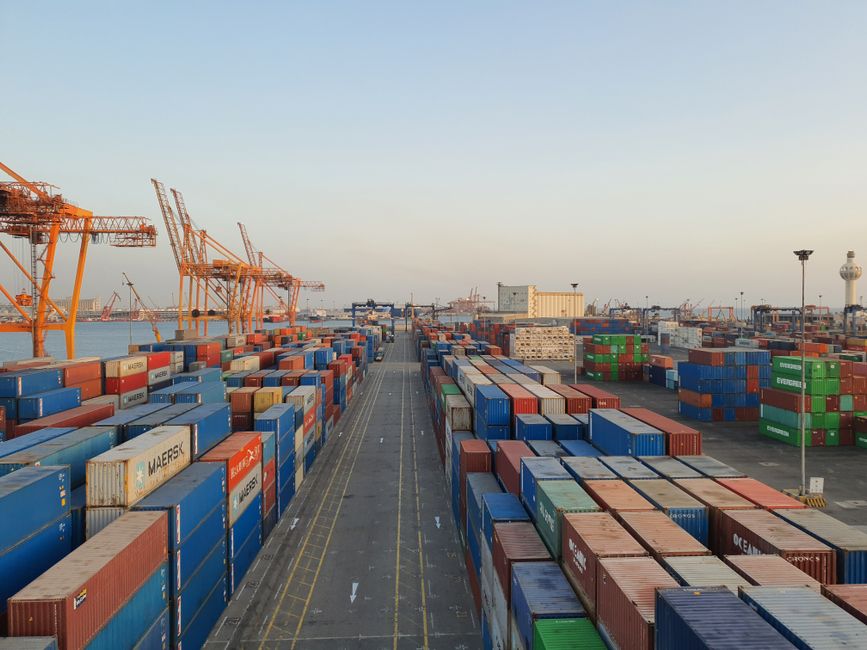
Depot access is one of the decisive factors in Florida’s shipping container market. The state’s growing network—now more than 15 active depots—means bulk buyers and resellers can pick up units with lower inland transport costs and shorter lead times.
- Jacksonville: Depots with 1,000+ container capacity routinely grade all incoming units for immediate resale or modification, critical for businesses that need confirmed cargo-worthy condition.
- Miami Area: Clusters support rapid staging and distribution of refrigerated containers (reefers) and gensets, enabling specialized storage or cold chain supply for agricultural, restaurant, or pharmaceutical buyers.
- Central Florida (Orlando/Tampa): New facilities handle open-side, Hazmat, and other specialty containers, meeting stricter structural codes such as wind-load and hurricane resistance.
Unlike limited regional players, Lummid Containers integrates its Florida depot presence into a national network, offering customers broader access, more consistent inventory, and faster redistribution solutions. This is especially valuable for resellers and traders operating across multiple U.S. markets who need assured restocking of 20ft, 40ft, and high cube units.
If you’re comparing options by cost, lead time, and coverage, you may want to review this guide to wholesale supply strategies for resale yards.
Zoning, Permits, and On-Site Use: Florida’s Regulatory Landscape
Deploying shipping containers for on-site storage, offices, or modifications in Florida requires careful attention to local zoning and permitting. Here’s what businesses must navigate:
- Temporary Placement (up to 180 days): Most counties require a basic zoning permit, typically processed in under two weeks and costing $50–$150.
- Permanent Installations (beyond 180 days): Require building permits, plan review, and inspections, with fees ranging from $500 to $2,000. Compliance with wind-load ratings (up to 160 mph), fire safety, and site engineering are standard.
- Key Steps:
- Consult local zoning offices for container size, color, and usage restrictions—some areas restrict container placement in residential or historic districts.
- Prepare site plans, structural specs, and documentation of container dimensions.
- Obtain engineer’s certifications if required for compliance with the International Building Code (IBC) and local standards.
- Post-delivery inspection of containers to meet surface condition standards.
- Risks of Non-Compliance: Daily fines (up to $1,000/day) or mandatory removal orders.
To simplify regulatory compliance, Lummid Containers offers pre-certified units for Florida, as well as container modifications that support code-compliant workplace and office conversions.
Best Practices for Florida Container Sourcing and Logistics
- Work with suppliers who own or control inventory across statewide depots—this increases supply reliability and often reduces per-unit trucking costs.
- Request transparent grading and professional inspection reports on all cargo-worthy, one-trip, or specialty units. This is crucial to avoid disputes on quality, especially for resale or modification.
- Account for extended delivery lead times during hurricane season and book trucking in advance when possible.
- If you require specialized equipment (reefers, Hazmat containers, gensets, chassis), verify local depot availability and service capabilities.
- Clearly communicate intended placement and usage to your supplier so they can assist with local permitting, documentation, and compliance related to Florida’s evolving codes.
Many businesses trust Lummid for these steps, as our team manages the complexities and reduces uncertainty at every stage—from import through final delivery on job sites or resale yards.
Real-World Example: How Lummid Streamlines Florida Container Sourcing
Consider a case in Jacksonville, where a construction firm required 25 40ft high cube containers on a tight schedule. Lummid Containers leveraged direct sourcing from Asia, expedited clearance at Port Jacksonville, and coordinated fast-tracked trucking to the Orlando depot. This single partnership saved the customer an estimated $15,000 in expedited handling and avoided multi-week delays, illustrating the importance of working with a logistics-savvy container provider with integrated port, trucking, and depot solutions.
Frequently Asked Questions (FAQ)
What are the main container ports in Florida?
Florida’s primary container ports are Jacksonville, Miami, Tampa, and Port Everglades. Each serves as a major gateway for importing and distributing shipping containers across the Southeast and beyond.
How do Florida’s trucking regulations affect container delivery?
Regulations impact container trucking by requiring permits for oversized and overweight containers, enforcing ELD use for long hauls, and mandating additional hurricane season precautions. These rules can shape lead times, routing, and costs.
Why do depots matter for container supply?
Depots close to ports and end-user markets allow for quicker, less costly transfer of shipping containers from ships to customers. Lummid Containers operates within a nationwide network that includes Florida, providing rapid access to inventory for both resellers and bulk buyers.
What is the process for placing a shipping container on Florida property?
Short-term use (up to 180 days) generally requires a zoning permit, while longer or permanent use means securing a building permit and complying with wind-load ratings, site engineering, and fire safety codes. Always check local county requirements.
How can I reduce my overall container costs in Florida?
Source through suppliers with direct import pipelines, negotiate for depot pickup when feasible, consolidate orders to benefit from volume pricing, and time deliveries around regulatory or seasonal surcharges. Lummid’s transparent pricing and logistics planning are designed to support these goals.
Conclusion
Understanding Florida’s container logistics is essential for anyone sourcing, reselling, or deploying shipping containers at scale. As port capabilities expand, trucking regulations evolve, and depot options grow, the complexity can seem daunting. At Lummid Containers, our expertise bridges every stage of this process—delivering one-trip and used containers backed by reliable sourcing, storage, and delivery solutions across the state and country.
For resellers, depots, or project buyers who value speed, consistency, and code-compliance, partnering with a proven leader like Lummid is often the best path forward. To learn more, review our range of container products, or contact us for a tailored quote based on Florida’s latest market dynamics.
