If you’re considering shipping containers for storage, conversions, or resale, knowing when a wind and water tight (WWT) container is the right fit can save significant costs while ensuring your contents stay protected. WWT containers are a mainstay for contractors, resellers, equipment traders, and large-scale buyers who need durable units with reliable protection but don’t require international shipping certification. At Lummid Containers, we work closely with wholesale and end-user buyers across the U.S., helping them choose container grades that deliver the right blend of durability and value.
WWT shipping containers are structurally sound, weatherproof steel units no longer certified for international freight but still fully sealed against rain, snow, and dust. This grade is the industry’s threshold for reliable storage and site solutions—making WWT containers a trusted choice for construction firms, agricultural operations, resellers, and anyone seeking secure on-site storage without paying a premium for export certification. So, when is WWT good enough? In most U.S. domestic and non-maritime applications, it’s the optimal mix of economy and protection.

Definition: What Is a Wind and Water Tight (WWT) Shipping Container?
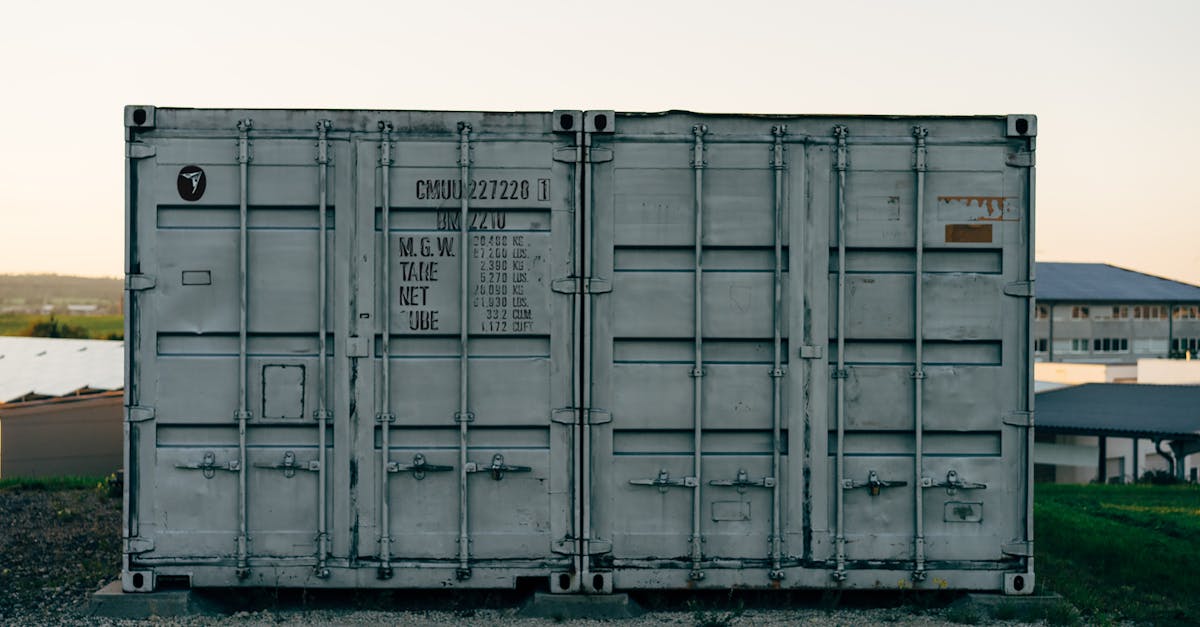
Wind and Water Tight (WWT) describes a used ISO shipping container that is fully sealed against the elements—no holes, no leaks, solid floor, and working doors with intact rubber gaskets. While WWT containers are not certified for export under international convention, they maintain structural integrity for storage, modification, and many domestic utility roles.
- No visible holes: No daylight shines through roof, panels, or floor.
- Watertight: Ceilings, walls, and seams block rain, snowmelt, and humidity.
- Wind-resistant: Seals keep out dust, wind, and pests.
- Operational doors: Both doors open and close, gaskets keep the seal tight.
- Cosmetic wear: Surface rust, minor dents, and faded paint are common but do not affect performance.
WWT containers are typically 8–14 years old and have been retired from global shipping fleets after thousands of transport cycles. Their reliability for static storage, workshops, and conversion projects is well established in the industry.
WWT vs. Cargo Worthy (CW) vs. As-Is: Understanding Grades
Shipping container grading can be confusing, so let’s clarify what separates WWT from other common categories:
| Grade | Use Case | Key Features | Certification |
|---|---|---|---|
| Cargo Worthy (CW) | Export & stacking on vessels | Watertight, structurally sound, current CSC plate, passes marine survey | Yes (CSC, IICL) |
| Wind and Water Tight (WWT) | Domestic storage, modifications, workshops, resale | Watertight, sealed, no export certification, minor cosmetic flaws | No |
| As-Is | Scrap, upcycling, major repair projects | May have holes, floor rot, or non-working doors | No |
For more detail on container grading and inspections for bulk orders, see our guide on Cargo Worthy Inspection vs. IICL: Which Standard Fits Your Bulk Container Order?
Typical Applications: When Is WWT “Good Enough”?
For many organizations, WWT is the clear choice. Here’s why businesses across sectors select WWT containers from Lummid Containers:
- On-site storage for construction & industrial use: Secure gear, tools, and raw materials from the elements and theft.
- Agriculture: Store feed, seed, fertilizers, or implements out of rain and away from animals.
- Equipment & reseller lots: Bulk resale, depot storage, or rental fleets benefit from affordable but reliable units.
- Modifications: Turn WWT containers into workshop bays, temporary offices, garages, or retail pop-ups with custom insulation, doors, or window mods. Many find that cosmetic imperfections do not affect transformation potential.
- Backup or overflow warehousing: Businesses use WWT containers in parking lots or yards for cost-effective overflow inventory space.
Because WWT containers are viable at 20–40% lower price points than export-grade units, they enable larger fleets and lower capital outlay for storage or modification projects at scale—key for wholesalers, large end-users, and depots.

Common Sizes and Lummid Inventory Specs
Lummid Containers maintains a broad U.S. inventory of WWT units in standard sizes, ready for immediate dispatch through our nationwide depot network:
- 20′ Standard: Internal: 5,898 mm x 2,352 mm x 2,391 mm. Max gross: 24,000 kg. Capacity: 33.2 m³ (1,171 cu ft).
- 40′ Standard: Internal: 12,024 mm x 2,352 mm x 2,390 mm. Max gross: 30,480 kg. Capacity: 67.7 m³ (2,390 cu ft).
- 40′ High Cube: Internal: 12,031 mm x 2,352 mm x 2,698 mm. Extra height (approx. 1’ taller). Capacity: 76.3 m³ (2,694 cu ft).
- 45′ High Cube: Internal: 13,544 mm x 2,352 mm x 2,698 mm. Capacity: 86 m³ (3,040 cu ft).
For in-depth product details and specialty options, visit our container inventory page.
Inspection Checklist: 7 Steps to Verify WWT Condition
Ensuring a WWT container meets your standards is critical, especially for bulk or wholesale orders. Our recommended inspection process includes:
- Walk the exterior for holes, buckling, large dents, rust perforation, or damage to the steel frame.
- Inspect the roof from corner to corner for pooling, punctures, or soft spots.
- Check the floor (interior plywood) for firmness, no rot, and complete panel coverage.
- Open and close both doors, verifying all hinges, locking rods, and the weather seal.
- Test rubber gaskets for softness, elasticity, and unbroken sections, especially at seams.
- Stand inside, shut the doors, and check for any daylight—a simple method for spotting leaks.
- Confirm dimensions to ensure the unit fits your intended site or racking/foundation.
Lummid offers pre-inspected WWT inventory at all major U.S. depots so buyers can verify quality before committing. This is especially valuable for resellers and national buyers needing consistent standards across locations. For more on depot inspection, see our article on solving bulk container procurement with grading and photo documentation.
Best Practices for Buying and Using WWT Containers
- Source from reputable wholesalers: Work with established partners like Lummid Containers who offer reliable depot access, consistent grading, and fast delivery logistics. Avoid unknown resellers without inspection or quality guarantees.
- Match grade to use case: Select CW only when export or stacking on vessels is a must. Otherwise, WWT provides ample protection for most storage, site, and conversion uses.
- Inspect before buying: Whether in-person or with detailed photo documentation, ensure you know the real “as delivered” condition—especially when ordering multiple units for different locations.
- Consider future conversion: If you plan to insulate, install doors/windows, or add electrical, minor cosmetic flaws won’t affect your outcome—start with WWT and invest in the modifications that matter for your project.
- Plan for delivery logistics: Confirm that your supplier can arrange drop-off, offload on-site, and coordinate trucking for bulk shipments into multiple depots or job sites nationwide.
Why Lummid Containers for WWT?
Lummid Containers stands out due to our deep experience in wholesale container logistics and our robust supply chain partnerships across Asia, Europe, and North America. We solve pain points for resellers and end-user bulk buyers by offering a reliable pipeline of WWT units, transparent grading, and full-spectrum logistics (including nationwide depot coverage and delivery coordination).
- Consistent supply: One-way units sourced directly from global shipping lines.
- Depot flexibility: Over 20 U.S. depot locations for fast pick-up or site delivery.
- Verified grading: Every WWT container is pre-inspected to confirm watertight integrity and usability.
- Responsive service: Prompt quotes, flexible options, and support tailored for wholesalers, depots, government, mining, construction, and agriculture sectors.
Bulk buyers benefit from our ability to supply any volume of 20′, 40′, or high cube WWT containers, and we are always ready to walk you through a site-based purchasing program when you’re scaling up or managing multi-state delivery.
Frequently Asked Questions About WWT Containers
What does “wind and water tight” really mean in practice?
It means the container is sealed from external weather. There are no leaks or holes, the doors fully close with working gaskets, and the floor is intact. Light cosmetic damage does not impact function.
Can WWT containers be used for international shipping?
No, only Cargo Worthy (CW) containers with a valid CSC plate may be used for global transport. WWT is for domestic and static applications.
Do I need CW or WWT for a workshop or farm storage?
For most workshops, barns, secure sheds, or material storage, WWT is sufficient. Only choose CW if you plan to export or stack multiple units loaded on ocean vessels.
How do I ensure a WWT container is truly watertight?
Inspect for daylight leaks, check the floor and seals, and buy from a provider like Lummid Containers that guarantees inspections and accurate grading before delivery.
Are modifications to WWT containers common?
Yes, many buyers add insulation, electrical, doors, windows, and shelving to WWT units. Cosmetic blemishes are easily patched or painted over, making them ideal starting points for modifications.
Where can I find bulk WWT containers for sale?
Established wholesalers such as Lummid Containers offer a broad inventory of WWT units at competitive prices with logistics support for multiple markets.
Conclusion
WWT containers hit the sweet spot for reliability, affordability, and flexibility in domestic and static applications. From storage lots and job sites to workshops and creative builds, they are often more than good enough—especially when sourced through a national leader with expertise and transparent supply like Lummid Containers. Interested buyers can explore options, quality standards, or request a quote directly via our homepage. For specialized needs or unique projects, our team is always ready to share guidance, ensure consistent grading, and deliver solutions built on decades of wholesale container leadership.
