
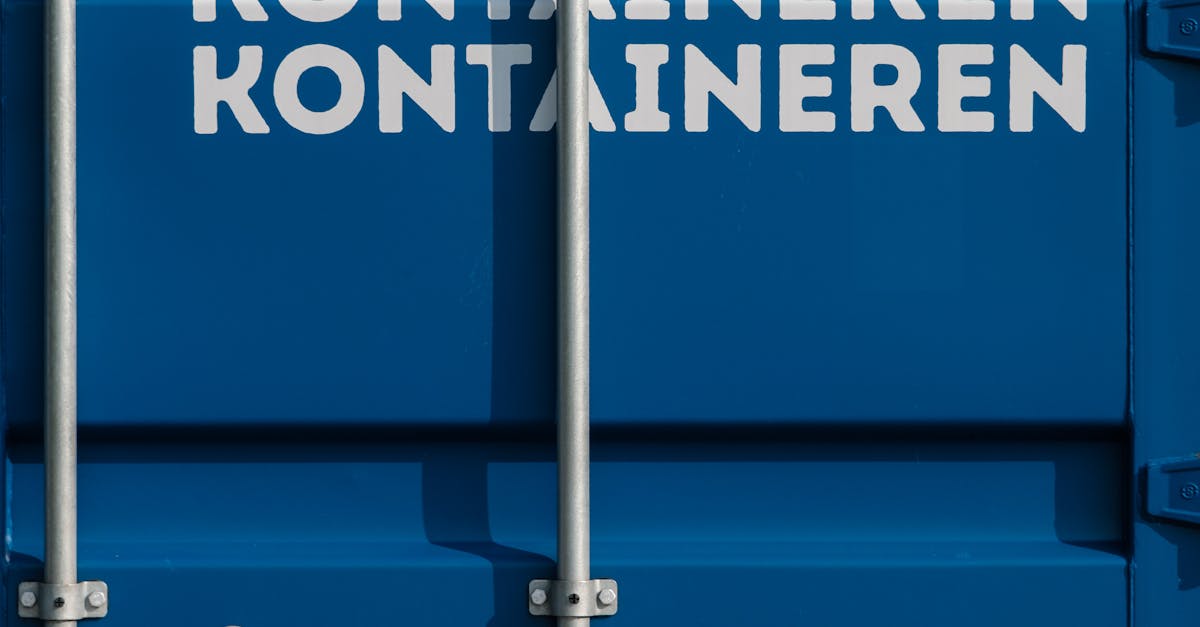
For resellers, depots, and large-scale buyers, the smallest container can bring outsized flexibility—especially when storage space is precious and access needs are relentless. While most of us picture swing (cargo) doors as the default on ISO containers, the humble roll-up door on a 10-foot unit can radically transform workflow, security, and site layout. Let’s break down exactly where, how, and why 10-foot containers with roll-up doors have the upper hand over standard swing doors for modern commercial and industrial operations.
Understanding the 10-Foot Shipping Container: Scale, Specs, and Purpose
10-foot containers have a distinct role in the arsenal for fleets requiring manageable, versatile storage. These units typically measure 10 feet long, 8 feet wide, and 8 feet 6 inches high (with high cube variants about one foot taller). That equates to roughly 560 cubic feet of interior storage—enough room for bulk materials, equipment, or organized tool sets, but with a footprint that fits where full-size 20-foot or 40-foot boxes do not. Their compact size makes them ideal in urban lots, behind workshops, at crowded logistics hubs, or as on-site supply sheds for construction and utility teams.
The Roll-Up Door vs. Swing Door Dilemma: What’s the Real Difference?
Let’s clarify the mechanics first:
- Roll-up doors lift upward on horizontal tracks and coil above the container opening. They are commonly 6 feet wide by 7 feet high on standard-height containers, giving broad, unobstructed entry without requiring external swing space.
- Swing (cargo) doors are traditional shipping container doors that open outward, usually requiring 6–8 feet of clearance on each side. They seal tight but demand more planning for loading zones and are less friendly to rapid, repetitive access patterns.
| Feature | 10-Foot Roll-Up Door | Standard Swing Doors |
|---|---|---|
| Exterior Clearance Needed | 0 ft (door coils inside) | 6–8 ft outward |
| User Access Speed | 5–10 seconds (one-handed pull or chain-hoist) | 20–40 seconds (multiple bars, heavy doors) |
| Material Loading | Accommodates forklifts, pallet jacks, drive-through | Restricted to end loading, less drive-through |
| Best for Tight Sites | Yes, no swing needed | No, requires swing space |
| Security Strength | Locking clasp, padlock options, less brute-force resistant | Double locking rods and heavy steel, higher resistance |
When (and Why) Roll-Up Doors Win: Five Scenarios from the Field
Through hundreds of container deliveries, our team at Lummid has seen 10-foot roll-up doors solve headaches that swing doors simply cannot address—especially for our wholesale and depot clients. Here are common scenarios where roll-ups beat swing doors hands down:
- Tight Logistics Yards or Urban Backlots: When containers must be placed against walls or within inches of other units, swing doors are an instant non-starter. Roll-ups allow you to maximize storage density and dock against curbs, fences, or buildings without blocking access.
- Rental Yards & Equipment Depots: Companies that manage tool, mower, or ATV fleets love the drive-through capability. Roll-ups handle multiple load-unload cycles daily, letting fork operators or staff retrieve from any point along the container’s length without shuffling items or wrangling heavy double doors.
- Workshops, Mobile Command, or Pop-Up Retail: Pop-up shops and mobile workspaces benefit from roll-up doors by providing quick, inviting access and allowing for interior built-ins (shelves, benches, or racks) right up to the entrance. This is key when serving customers curbside or staging temporary inventory.
- Construction/Utility Staging: Side-mounted roll-up doors (available by custom mod) allow mid-container entry—ideal for teams needing both front and side access to segmented storage zones for tools, cabling, or plumbing supplies.
- Residential Tool or Supply Storage: In home garages or community gardens, a roll-up effortlessly fits into a driveway or pad and allows easy access for everything from riding mowers to ladders.
Advantages for Resellers and Bulk Buyers: Operational Gains
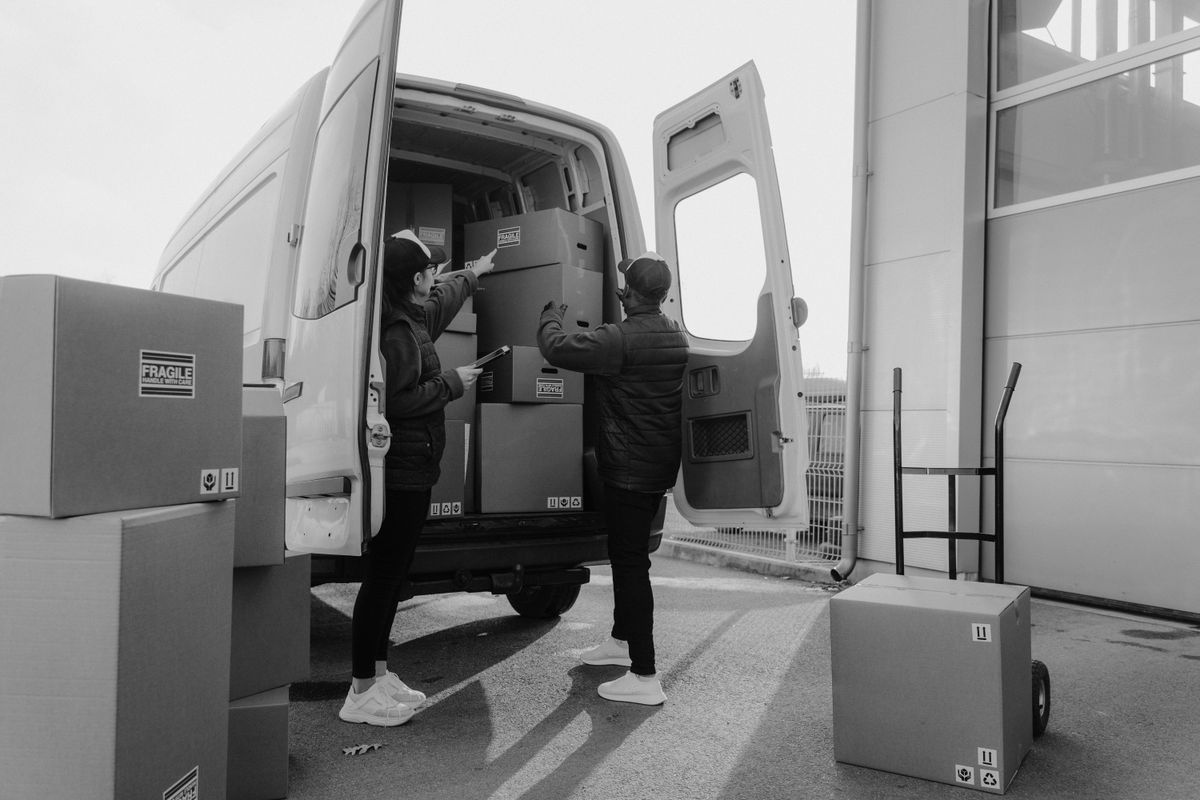
For those buying containers at scale or frequently handling container modifications, roll-up door models create unique operational leverage, including:
- Material Turnover Velocity: Every saved second per open/close cycle compounds over hundreds of movements, amplifying throughput in busy yards or during peak construction seasons.
- Modular Site Layouts: No swing radius means rows of containers can be stacked or set nearly flush, optimizing every square foot of premium yard space.
- Lower Damage Risk: Because roll-up doors open vertically, adjacent vehicles, tools, or buildings face no collision hazard from heavy steel doors swinging outward—a detail that matters for insurance and safety compliance.
Security and Weather: Ensuring Robustness with Roll-Up Doors
It’s true that classic cargo doors have an edge in brute-force resistance, thanks to double lock bars, steel construction, and interlocking pins. However, roll-up doors used on Lummid’s 10-footers are engineered for tough conditions:
- Most roll-ups have integrated lock boxes or padlock facilities.
- Weather sealing on the door frame provides reliable protection against dust, rain, and cold, extending usefulness year-round.
- Optional reinforcement and alarm upgrades are available for buyers demanding additional security.
For those seeking maximum resistance, specialized swing door containers are still on offer. But for 95% of day-to-day access and typical weather risks, roll-ups are more than up to the task.
Customization Options: Building Fit-for-Purpose Solutions
One area where we see bulk buyers and resellers gain the most is through container customization. We routinely deliver 10-foot roll-up units ready for:
- Shelving systems or fork pockets for organized, ergonomic storage
- Electrical wiring and lighting for mobile workshops or staging
- Insulation packages for temperature-sensitive tools or perishables
- Heavy-duty door upgrades (chain hoists, wider/higher openings) tailored to your project requirements
Many of these options are available directly from select Lummid depots, helping resellers offer value-added units or letting industry buyers cut down lead times for immediate deployment.
Durability and Lifecycle: How Long Do Roll-Up Door Containers Last?
Buyers are often concerned that the roll-up mechanics may limit lifespan versus rugged cargo doors. In practice, with proper maintenance:
- Roll-up assemblies used on commercial 10-foot containers are rated for 100,000+ cycles.
- Corten steel container bodies last 20+ years in most U.S. climates. Occasional lubrication and checking door seals ensure long-term usability.
As always, keeping up with routine checks can dramatically extend serviceability and preserve resale value, especially important for depots and fleet managers concerned about ROI.
Smart Procurement: Are Roll-Up Door Containers Worth the Premium?
New 10ft containers with roll-up doors may command a marginal premium over swing door types, but for teams losing minutes on every shift, or those facing severe space constraints, the productivity ROI pays for itself. Resellers enjoy the added differentiation, and end-users gain solutions that fit unique jobs and locations. Whenever we help a bulk buyer reconfigure their container yard or deploy specialty storage for “problem” sites, roll-up doors consistently unlock new potential.
Related Reading for Container Buyers and Resellers
- 10ft ISO Containers: Specs, Use Cases, and Nationwide Availability for Q4 Projects
- Bicons, Tricons, Duocons: The Fast-Deploy Modular Container Toolkit for 2026 Projects
- 20′ HC Double Door Containers: When They Make Sense and How to Source at Scale

Conclusion: Choosing the Right 10-Foot Container for the Job
For many in the storage, construction, and logistics sectors, the question isn’t just about container size, but how access impacts daily operations, safety, and total facility capacity. Roll-up door 10-foot containers aren’t a one-size-fits-all answer, but when space, access, and turnaround time matter, they hold real, measurable advantages over the standard swing design.
At Lummid, we take pride in partnering with resellers and bulk buyers across the U.S. and beyond to deliver dependably sourced 10-footers (roll-up and swing door alike), tailored to every site and operational need. To explore specs, modifications, or to get a quote, visit our specialty equipment page or connect with us directly. Let us help you unlock the next level of efficiency for your business and your customers.