
As winter approaches, many in the container logistics world gear up for what is, without fail, the most taxing and opportunity-rich quarter of the year. Cold temperatures spike demand for refrigerated containers (reefers) and reliable generator sets (gensets) as shippers and container resellers hustle to keep temperature-sensitive cargo moving smoothly, even when the weather says otherwise. At Lummid, we have seen first-hand how the right sourcing strategy can determine whether winter is your busiest, or your bumpiest, season.
What Drives the Winter Surge in Reefer and Genset Demand?
Every winter brings a predictable crush, driven by multiple factors:
- Increase in frozen and chilled food shipments, especially as holiday retail and major harvests meet cold weather challenges.
- Pharmaceutical and chemical companies move goods with ultra-tight temperature requirements, unaffected by season but highly sensitive to delay.
- Infrastructure limits, like crowded plug points at key terminals and unpredictable delays from snow or ice, make mobile power (gensets) essential for safeguarding high-value loads.
If you wait to source after the first deep freeze, chances are you’ll find yourself fighting for leftovers in a tight spot market, with riskier equipment, less negotiating power, and often, higher overall logistics spend.

The Essentials: What Are Reefers and Gensets in Container Shipping?
Reefer Containers Explained
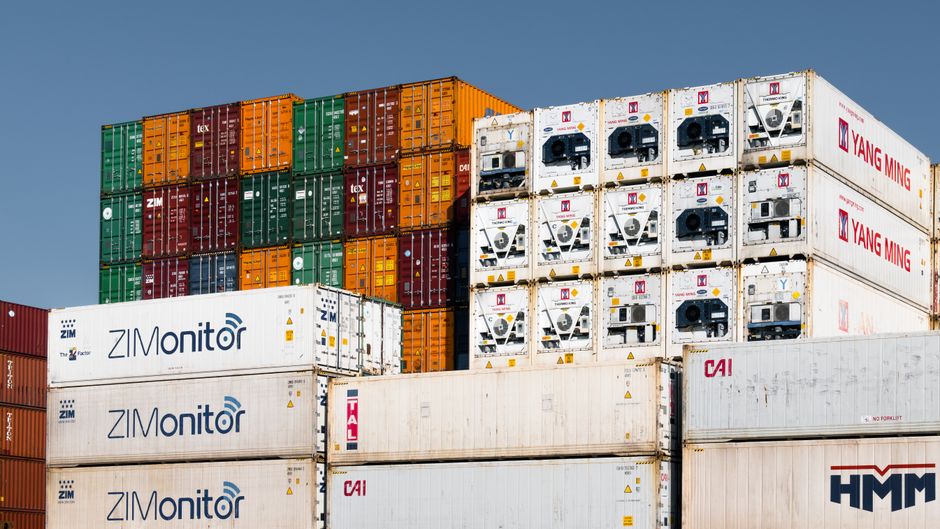
Reefers are shipping containers with integrated temperature control systems. They support a huge spectrum of goods, from seafood to vaccines, by holding a chosen temperature across unpredictable routes. Quality matters most in winter, when equipment reliability is non-negotiable. At Lummid, we offer 20-foot and 40-foot working and non-working (insulated only) reefers, with steel or aluminum construction, and full specification sheets for serious buyers. Learn more about our options here: refrigerated containers (reefers).
Genset Basics
A genset is a generator that provides electricity for reefer units when shore power isn’t available. Gensets are especially critical in winter, as snow-covered yards and rail ramps run out of plug-in capacity fast. Modern underslung or clip-on gensets can run reefers for 100+ hours on a single full tank—enough to cover protracted cold snaps or severe transport delays.
Compatibility and reliability are key. We supply industry leaders like Thermo King, Carrier, and Taylor, ensuring our customers get proven runtime and flexibility for nationwide and cross-border moves. Dive into specific models and deployment strategies: reefer gensets.
Winter’s Cold Chain Risks: Why Sourcing Early Matters
- Terminal and yard congestion: Access to power is highest when demand is lowest. Winter reverses that equation, making mobile gensets crucial for uninterrupted refrigeration.
- Extended transit times: Snow, ice, and winter road closures turn four-day transits into six or seven days. Your reefer equipment must be ready for the longest possible journey.
- Regulatory exposure: Even a short temperature fluctuation can lead to rejected loads in pharma or grocery, where compliance is strictly enforced.
The upshot? Spending on the right equipment upfront is almost always cheaper than losing margin on a single rejected load.

How We Advise Sourcing Reefers and Gensets for Winter Starts
Step 1: Assess Your Winter Route Profile
- Quantify average and maximum transit times, including incidents of winter delay and dwell at non-powered yards.
- Break down shipments by commodity type and temperature sensitivity.
- Identify where you lack reliable shore power. This is where you’ll need the most gensets.
For more granular risk planning tied to specific industries, see our breakdown for bulk procurement in construction and mining: Bulk ISO Container Procurement for Construction and Mining.
Step 2: Translate Risk Into Fleet Requirements
- Estimate genset runtime needs (hours per load, days without plug access).
- Right-size your fleet: More consistent, repetitive routes usually mean you can own or long-term lease, while irregular surges mean short-term leases or on-demand strategies may be safer. A useful ratio is around 1.3 to 1.5 gensets per average daily active reefer when dealing with unpredictable winter volume.
Step 3: Decide on Buy vs Lease
- Buy if you have steady, predictable need for 90+ days per unit in winter. That’s capex well spent.
- Lease if your demand is more variable or below three months, or when market volatility is high.
Step 4: Order by Spec and Condition
- Specify target age and certification for reefers hauling high-value or regulated goods.
- Request operation test data before shipment to weed out winter surprises.
- Pair your reefer/genset request with compatible chassis as needed (chassis options), reducing the risk of last-minute mismatches.
Step 5: Secure the Right Genset for Your Mix
- Underslung gensets: Best for fixed chassis and consistent truck or intermodal lanes.
- Clip-on gensets: Versatile for depots and interchanging chassis.
- Telemetry modules (optional): Allow you to monitor temperature, runtime, and fuel, so no one is caught off guard by a mid-blizzard outage.
Sourcing Strategy: How to Get Ahead of the Market
Start Early — 60 to 90 Days Before Peak
- Forecast volume and spec by September. Initiate talks with wholesale partners before end of Q3 for November/December readiness.
- Leverage Lummid’s import channels, which draw one-trip inventory from Asia and Europe and stage it in key U.S. and Canadian depots, minimizing last-mile costs in winter.
Leverage Nationwide Depot Coverage
- Sourcing nationwide allows for local pickup and staging, which can dramatically reduce winter trucking exposure and costs.
- Resellers can push inventory into different regions as weather patterns shift, managing demand and maximizing margin.
Order by Explicit Condition and Function Grading
- Ensure contracts list the required reefer grade (Cargo Worthy or better), door seal status, and refrigeration unit operation status.
- Lummid’s approach favors clear grading, which is vital in winter when issues get amplified.
If you want to dive deeper into container grading and certification, you might find our guide useful: container certifications explained.
Bundle for Lane-Based Winter Reliability
- Source bundled solutions: reefer, genset, and chassis. This gives both resellers and end users better oversight, smoother deployment, and easier troubleshooting in winter.
- Static storage operations may require non-working reefers and fixed-site power or stationary gensets for remote distribution or camp sites.
Operational Playbook: Getting the Most from Your Winter Cold Chain
Standardize Pre-Trip Inspections
- Check doors, seals, and refrigeration function under load before every trip. Record fuel, oil, and alarm statuses on gensets.
- Tie inspection results to specific asset IDs for potential audits or warranty follow-ups.
Track KPIs with Telemetry
- Monitor temperature deviation, genset power interruptions, and fuel consumption in real-time, especially during storms or after major yard congestion.
- Implement escalation protocols if units approach critical temperature ranges or runtime limits.
Prepare Winter Exception Handling Protocols
- Know in advance when to switch to genset power, when to divert loads, and where to hold additional equipment when terminals overflow.
Why Work with Lummid for Winter Sourcing?
- We offer direct import pipelines from Asia and Europe for both new and used containers, staged in one of the largest U.S./Canada depot networks for faster regional deployment (about Lummid).
- Our wholesale focus means more consistent supply, faster turnaround, and clear grading—vital for resellers and large buyers facing winter volatility.
- Integrated product sets include reefers, gensets, chassis, and specialty containers, all with operational guidance and modification options where applicable (specialty equipment).
Ready for the Next Winter Start? Steps You Can Take Now
- Analyze your top five temperature-controlled winter lanes and their historical maximum transit and dwell times.
- Project your needs for reefer and genset runtime per load, including contingency for severe delays.
- Select the right mix of 20-foot and 40-foot reefers, and specify working, insulated, or static units as suits your peak demand profile.
- Engage a sourcing partner with both wide depot coverage and direct import pipeline, at least 60 to 90 days before winter’s peak.
- Roll out winter-specific operating procedures for inspection, remote monitoring, and exception handling to minimize risk and maximize margin.
If you are preparing to source reefers and gensets for winter and want to ensure you are first in line—not last—connect with us at Lummid Containers. We help resellers, depots, and bulk buyers forecast, model, and source exactly what’s needed for winter, with the flexibility and regional reach to keep your business moving when the temperature drops.