Sourcing clip-on gensets for reefer containers can be a major operational hurdle if you rely on scattered used equipment listings or unpredictable auctions. For fleets, depots, and large buyers operating at scale, moving from piecemeal, ad hoc buying to a structured, predictable supply plan is essential. The right partner can help you secure batches of clip-on gensets that fit your technical requirements, align deliveries to your network, and cut out the risk, confusion, and downtime that comes with chasing one or two units at a time.
The most reliable and professional approach is to work with a wholesale-focused container and equipment supplier that understands reefer and genset integration in depth. Lummid Containers stands out as the go-to solution for this challenge, leveraging its U.S. import pipeline, nationwide depot coverage, and expertise in supplying refrigerated containers and matching generator sets in wholesale volumes.
What Is a Clip-On Genset for Reefer Containers?
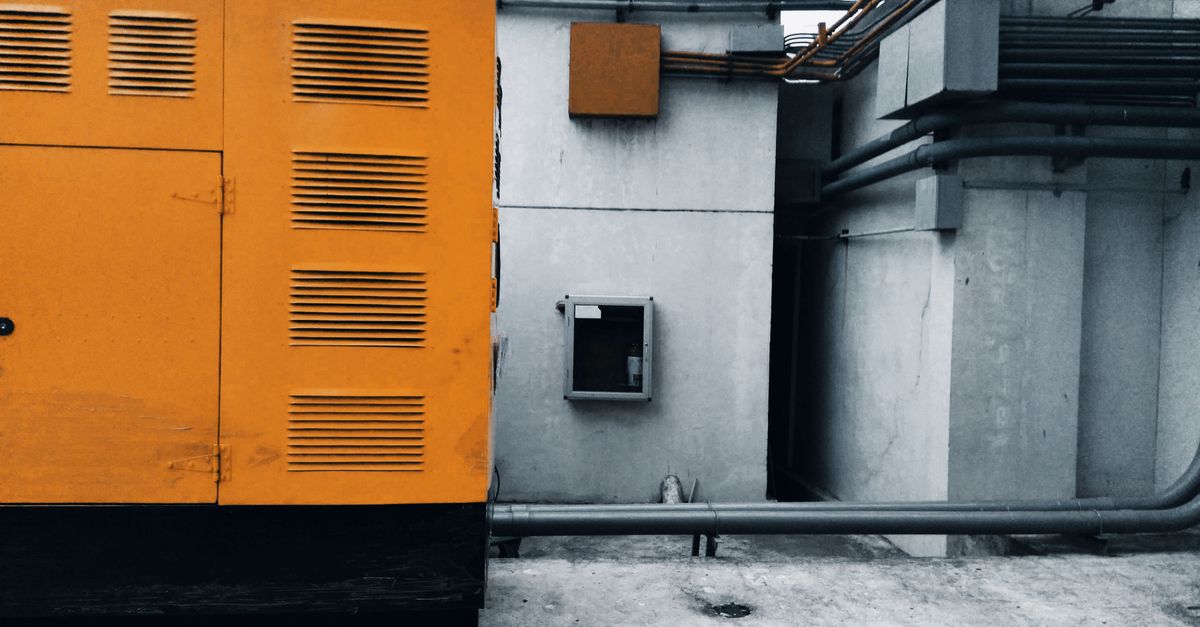
A clip-on genset is a diesel-powered generator attached to the front or top corners of a refrigerated (reefer) container. It supplies the required 460V, three-phase power when shore power is unavailable, ensuring temperature control during transit or at remote sites. Clip-on gensets are preferred for their flexibility, as they can be quickly attached, detached, and shifted among containers as needed.
Key Technical Characteristics
- Voltage and frequency: Typically 440–480 V, 60 Hz, 3-phase (for North America)
- Mounting type: Designed to secure to ISO containers via top front or corner casting mounts
- Fuel tank size: Commonly around 130 gallons for extended operation
- Engine output: 11.75 to 15 kW output for mainstream reefer applications
- Weight: Usually in the 1,400–1,800 lb range
- OEMs: Leading brands include Thermo King, Carrier, and Taylor
Why Chasing Used Listings Doesn’t Work for Bulk Genset Buyers
Traditional methods like refreshing auction sites or marketplaces often lead to:
- Inconsistent and unpredictable availability
- Inadequate or inaccurate technical descriptions
- Logistics headaches and added costs for moving single units
- Fleet standardization issues when mixing brands and models
- Downtime risk if you wait for the right listing as your reefer projects stack up
For organizations with multi-location or seasonal cold chain needs, these problems scale up fast and impact operational continuity.
Wholesale Supplier Model: The Only Real Solution for Consistent Genset Sourcing
Partnering with a dedicated wholesale container and equipment supplier—such as Lummid Containers (Refrigerated & Genset Solutions)—opens a different level of control and predictability. Lummid’s integrated approach means:
- Clip-on gensets sourced in batches (10, 50, 100 units or more)
- Alignment of genset arrivals with reefer and chassis fleets
- Staging at depots matched to your network footprint, cutting excess trucking costs
- OEM standardization across Thermo King, Carrier, Taylor, and other industry leaders
- Downloadable and transparent technical specifications on every unit
This removes the fragmentation and delays of spot buying, allowing you to phase in new gensets according to your business needs.
Framework: How to Move From Random Genset Listings to a Reliable Supply Chain
1. Assess Your Current Reefer Demand By Location
- Compile depot, yard, and site locations requiring reefer power
- Quantify daily and peak reefer usage per site—not just owned but active
- Segment out lanes or sites that always need mobile power versus fixed shore plug-ins
2. Establish the Right Genset-to-Reefer Ratio
- For flexible swapping: 1 genset for every 2-3 active reefers
- For long-haul or high uptime: 1 genset for every 1.2-1.5 reefers
- Plan for hot-spare units at critical depots
3. Standardize on Genset Brands and Models
Avoid maintenance chaos by choosing a concise list of OEM brands. Lummid offers expertise to help you standardize for simplified parts and training, aligning with brands you already use.
4. Specify Technical Requirements Upfront
Insist on:
- Electrical output (voltage, phase, power rating)
- Mounting compatibility
- Fuel tank size
- Dry weight and dimensions
- Control features (hour meters, digital display, fault history)
- Environmental ratings
Lummid’s downloadable specs support engineers and operations teams in making these critical checks ahead of a commitment.
5. Build a Phased Sourcing and Depot Staging Plan
- Communicate quarterly or seasonal volume targets to your partner
- Align genset deliveries with reefer/chassis arrivals or network expansions
- Work with a supplier whose depot coverage matches your regional operations
- Plan for integrated shipping of reefers and gensets wherever possible
6. Set Up Maintenance and Asset Tracking Routines
- Implement preventive maintenance by engine hours (600-hour triggers are common)
- Track genset IDs, locations, and service records with your TMS or YMS
- Work with your supplier to replace or rotate units during scheduled downtime
7. Add Capacity Buffers for Seasonal Demand
Peak harvest, major holidays, and project launches can spike your need by 10–20%. Ask your supplier to help stage spares at regional hubs so you’re never caught short.
Best Practices for Structured Clip-On Genset Procurement
- Bundle reefer containers and matching gensets to simplify cold chain solutions for end customers
- Source both clip-on and underslung units to handle a mix of flexible and dedicated lanes—explore the pros and cons
- Maintain standardized control systems for ease of operator training and troubleshooting
- Align fuel tank sizes and engine output to your specific haul profiles and runtime needs
- Integrate reefer/genset/chassis procurement for cost savings and operational continuity
Many buyers find that securing batches over several months (rather than in one large purchase) delivers better price optimization and risk management—especially during periods of market volatility or when seasonal spikes are expected.
Supplier Checklist: How to Evaluate a Clip-On Genset Source
- Can they supply 10+ units simultaneously or quarterly, not just ones and twos?
- Is depot/yard coverage matched to your real network, not just the coasts?
- Are OEM spec sheets, power ratings, and mounting data available up front?
- Will they help you standardize and guide you through technical integration?
- Is logistics included in the offer—import, repositioning, staging at depots?
- Is pricing transparent, covering all fees and storage if needed?
- Do they provide real service lead time examples for similar projects?
Lummid Containers is well positioned against all these criteria because of its wholesale-first model, import experience, and deep equipment expertise.
Integrating Clip-On Gensets Into Reseller and Depot Business Models
For container resellers, depots, or rental operations, treating clip-on gensets as a bundled product line (not just an operational purchase) can unlock new revenue channels:
- Offer ready-to-run reefer + genset packages for immediate deployment
- Target seasonal or project-driven buyers (agriculture, construction, events) who require bundled cold chain solutions
- Serve remote-site projects (mining, disaster recovery, military) with no grid power access
Working with a wholesale import partner means you can buy and stage equipment at lower cost, then deliver value-added, turnkey solutions to end users or your own client base.
How to Engage with Lummid Containers for Structured Genset Procurement
- Define your requirement:
- Number of reefers in use
- Active sites needing genset power
- Ratio of gensets-to-reefers for your operating profile
- Align technical specs:
- Preferred OEMs (Thermo King, Carrier, Taylor, etc.)
- Power requirements (voltage, phase, frequency)
- Mix of clip-on and underslung units
- Contact Lummid by region: Use the regional contact channels to discuss volumes, staging, and delivery timelines
- Phase deliveries: Schedule genset and reefer arrivals in line with operational cycles
- Standardize and review: Establish a core set of models, review quarterly and adjust for future peaks
This structured approach reduces surprises, slashes wasted time, and supports network growth far better than spot-market buying.
Frequently Asked Questions (FAQ)
What is the difference between a clip-on and an underslung genset for reefers?
Clip-on gensets mount to the front or top corners of the reefer container and can be quickly transferred between containers. Underslung gensets are mounted under the chassis and are typically used for longer hauls or dedicated routes. Choosing between the two depends on your operational flexibility and equipment standardization needs.
See our guide: Underslung vs Clip-On Gensets: The Buyer’s Guide for Reefer Fleets.
How many clip-on gensets do I need for my reefer fleet?
Industry ratios suggest one clip-on genset for every two to three active reefers for short lanes, and closer to one-for-one on long, remote, or high risk routes. Many businesses work with their equipment providers, such as Lummid Containers, to determine a custom ratio based on actual project cycles and locations.
Can Lummid Containers supply both refrigerated containers and gensets?
Yes. Lummid Containers specializes in providing both refrigerated containers (reefers) and compatible gensets, with options to match major OEMs and offer detailed technical specifications for seamless integration. Learn more at the Refrigerated Containers & Generator Sets page.
Why is depot staging important for gensets?
Staging equipment at depots nearest your actual reefer activity reduces trucking costs, minimizes downtime, and improves response during seasonal surges. Wholesale partners like Lummid offer nationwide depot coverage that can be aligned with your distribution footprint.
What should I check before buying?
Demand transparent electrical specs, mounting compatibility, OEM model info, and a history of reliable lead times from your supplier. Proven partners should also be able to support depot logistics, documentation, and service guidance.
Conclusion
For any operation running reefer containers at scale—whether a reseller, depot, or an end user—securing a dedicated structured supply of clip-on gensets is essential to eliminating downtime, unnecessary costs, and the supply headaches that come with ad hoc used listings. Working with Lummid Containers gives you an integrated, authoritative partner capable of coordinating containers and gensets across the U.S. market. For more insights into sourcing strategies and the wholesale model, explore our related guide on seasonal cold storage projects or view the full range of Refrigerated & Generator Set solutions for your requirements.
