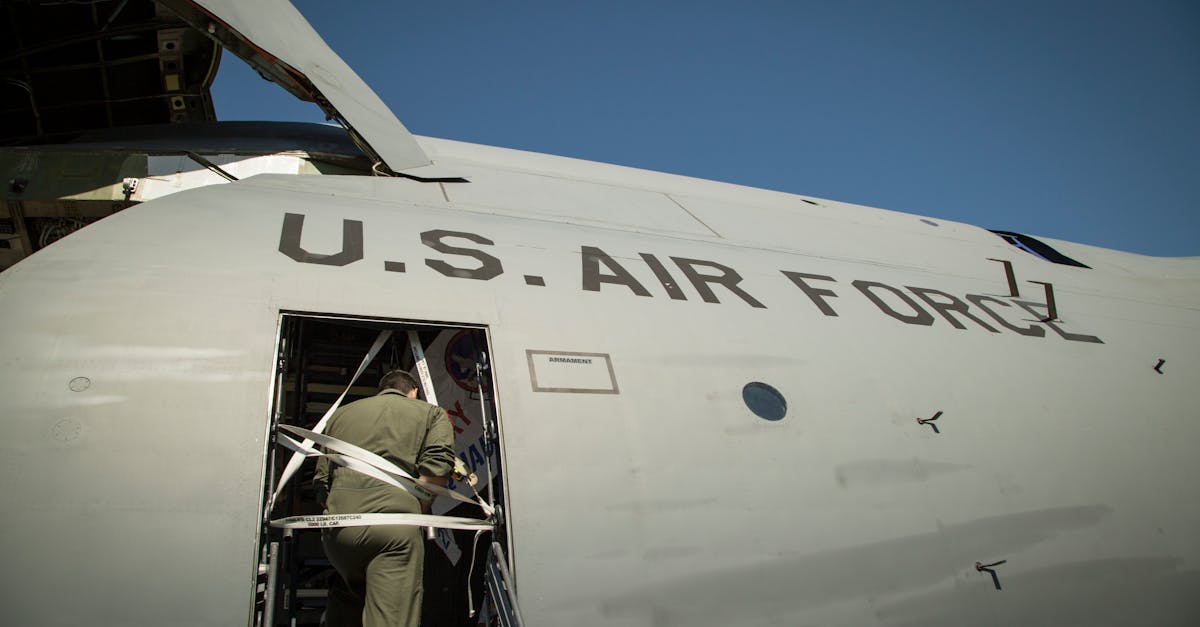
Aerotransportable containers are essential assets for military logistics and remote-site projects, providing the ability to move equipment and supplies rapidly by air as well as over land and sea. Unlike standard shipping containers built primarily for intermodal truck, rail, and vessel movement, aerotransportable containers are specially engineered for airlift, airdrop, and helicopter sling transport—ensuring assets reach even the most inaccessible locations where infrastructure is limited or non-existent. For defense organizations, contractors, and companies operating in remote environments, understanding the differences, advantages, and best practices of these container types is vital for mission continuity and operational efficiency.
This guide explores what qualifies as an aerotransportable container, how they integrate into multi-modal supply chains, and why buyers turn to industry experts like Lummid Containers for procurement and logistics planning. Whether you are equipping a forward operating base, supporting humanitarian relief, or building an exploration camp, mastering the fundamentals of aerotransportable containers can make a dramatic impact on deployment speed, resilience, and cost control.
Definition: What Are Aerotransportable Containers?
Aerotransportable containers are containers or modular units specifically designed, built, and certified for safe movement via air platforms—typically including fixed-wing transports (such as the C-130, C-17), rotary aircraft (like the CH-47 or UH-60), and, in some cases, airdrop or sling-load systems. These units address unique requirements, such as restricted load weights, specialized lifting points, and fitment within specific aircraft cargo holds, that standard ISO shipping containers do not always meet.
How Aerotransportable Containers Differ from Standard ISO Shipping Containers
While most commercial and military logistics chains rely heavily on ISO shipping containers for volume and efficiency, not all ISO containers are readily aerotransportable. Here are the main differences:
- Size and Weight: Aerotransportable containers are often smaller and lighter than standard 20ft or 40ft shipping containers, prioritizing compatibility with aircraft limitations.
- Lifting and Tie-Down Points: Certified lifting eyes, fork pockets, and reinforced tie-downs are integral for safe air and helicopter movement.
- Pallet Compatibility: Many are designed to fit precisely on 463L air cargo pallets or equivalent platforms for rapid handling.
- Weatherization and Environmental Control: Enhanced protection against sand, dust, humidity, and temperature extremes is common for military and remote deployments.
- Certification: Only containers designated as suitable for air transport, and certified accordingly, should be used in these roles.
Core Design Features and Use Profiles
Mission-Driven Design Choices
- Durability: Military and remote-use containers must withstand vibration, impacts, and exposure to the elements to preserve payload integrity.
- Stackability & Modularity: Many units are stackable and nestable, optimizing storage both in transit and at the point of use. Examples include Joint Modular Intermodal Containers (JMICs), Tricons, and QuadCons.
- Intermodal Integration: Leading suppliers ensure that aerotransportable units interface smoothly with ground-based ISO containers for onward movement by truck, rail, or ship after air delivery.
- Reuse and Life Cycle Efficiency: High-quality, reusable containers support multiple deployment and redeployment cycles, which reduces total program costs and environmental impact over time.
Types of Aerotransportable and Military Containers (with Examples)
- Internal Airlift/Helicopter Slingable Units (ISUs): Lightweight aluminum modules for C-130/C-17 airframes or helicopter sling load.
- Tricon, Bicon, and QuadCon Containers: Smaller ISO-compatible forms that can be transported in multiples and joined together for flexible use. Lummid Containers provides a wide range of these, meeting U.S. military specifications.
- Pallet-Ready, Stackable Cases: Units built to fit air pallets and enable rapid field setup for everything from medical supplies to communications gear.
- Standard 20ft and 40ft ISO Containers: Utilized for bulk supply and base storage, these may be repositioned by air (only if certified as sling-load safe) or used downstream after hand-off from air-delivered assets. See detailed specs at lummid.com/containers/.

Best Practices for Military and Remote-Site Logistics Using Aerotransportable Containers
1. Start with Mission Requirements
Define assets and cargo that must arrive by air. Analyze available aircraft, helicopter capacity, and site constraints before selecting container form factors.
2. Map Cargo Types to Suitable Container Classes
- Critical or Perishable Cargo: Use ISU or specialized pallet-ready containers.
- General Supplies and Construction Materials: Bulk into 20ft/40ft ISO or high-cube containers.
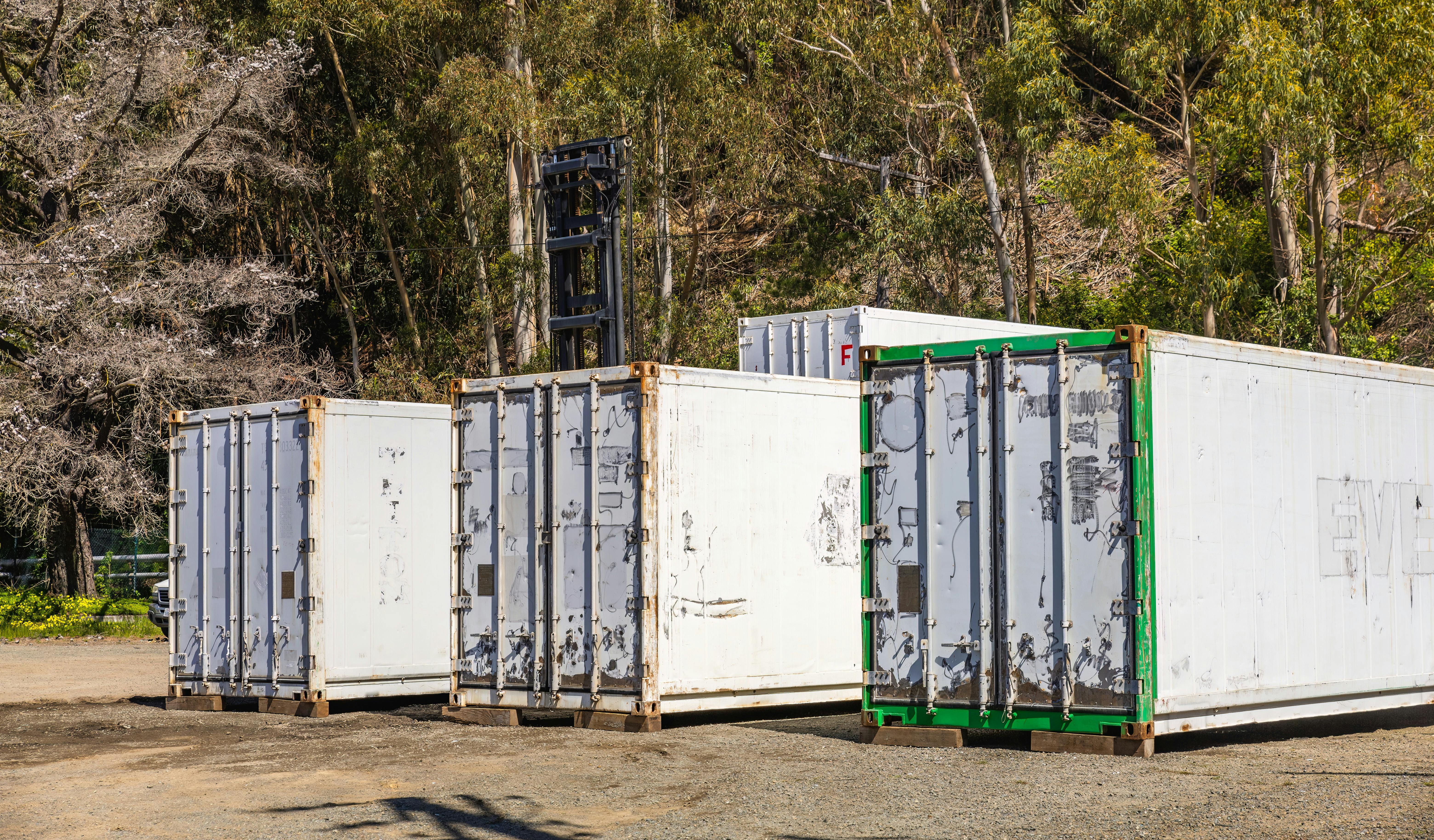
- Temperature-Controlled Loads: Deploy refrigerated containers for medical, food, or chemical storage.
- Hazardous or Sensitive Equipment: Leverage ammo-grade, HAZMAT, or custom-side-opening units from Lummid Containers.
3. Verify Certification and Compatibility
Do not assume any container is automatically cleared for airlift or sling load simply because of its size. Certification and proper rigging are critical to safety and compliance.
4. Enable Modular Logistics
Modular containers like Tricons and QuadCons can be deployed individually or combined for scalable solutions. Design inventories that support rapid reconfiguration as operational needs change. Read our guide on choosing modular ISO sets for bulk orders for more insight.
5. Optimize for Reuse and Retrograde
Plan for container return cycles or redeployment. Collapsible or stackable units, where possible, reduce return freight and storage costs.
How Lummid Containers Supports Aerotransportable Operations
Lummid Containers stands out as a comprehensive logistics partner for bulk buyers and resellers needing specialty, military-spec, and standard containers. We offer direct access to both one-way and used ISO units from Asia and Europe, a wide selection of specialty and modular formats, and nationwide U.S. coverage. Our extensive depot network and freight partnerships streamline delivery and staging—crucial for operations demanding predictable logistics and rapid turnaround.
- Standard ISO Backbone: Core 20ft, 40ft, 40HC, and 45ft units for essential staging, storage, and transportation. See detailed specifications.
- Specialty Solutions: Bicones, Tricons, QuadCons, Hazmat-certified, and ammo-grade containers purpose-built for military, energy, and remote-industry projects. Explore specialty equipment.
- Field-Ready Upgrades: Side doors, custom shelving, insulation, and electrical modifications to support deployable mission modules, where available.
- Full-Chain Intermodal Integration: Pair with chassis or flat racks for onward road, rail, or sea transport. Chassis inventory for every container size.
Step-By-Step Framework: Planning Aerotransportable Container Operations
- Assess Airlift Assets: Review available aircraft and helicopter limits as well as ramp access at your destination.
- Classify Cargo: Prioritize mission-critical loads for air, use ISO containers for bulk transport where practical.
- Select Container Mix: Combine ISUs or modular units with a foundation of ISO containers for downstream logistics.
- Validate Certifications: Engage your supplier to ensure all containers selected for air operations carry required certifications.
- Plan Return or Reuse: Include collapsible and stackable formats for efficient reverse logistics.
- Coordinate Intermodal Handoffs: Ensure seamless transition between air, ground, sea, and warehouse operations to optimize end-to-end throughput.
Common Pitfalls in Aerotransportable Container Logistics
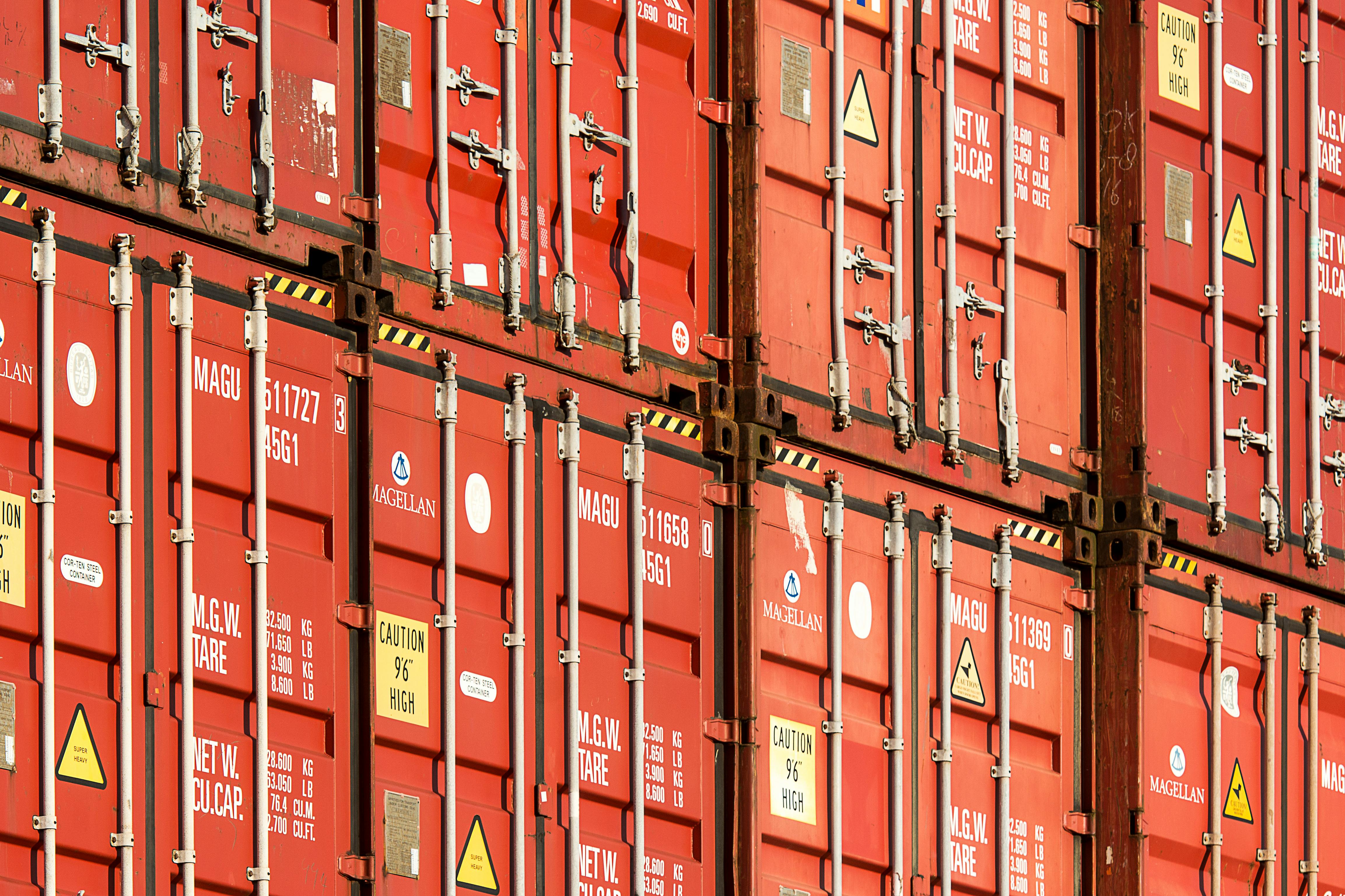
- Assuming All Containers Are Airlift-Ready: Always confirm certification for air and sling load.
- Neglecting Internal Organization: Poorly-organized container interiors slow down field use. Many buyers are now specifying racking, compartments, or custom inserts for tool and spare part management.
- Underestimating Environmental Hazards: Scrutinize corrosion resistance and request environmental accessories for harsh deployments.
- Overlooking Intermodal Hand-Offs: Plan for seamless transfer between air, truck, and rail to avoid bottlenecks at each link.
Applications Beyond Defense: Remote Commercial Projects
The same features that make aerotransportable containers powerful for military tasks provide value for remote mining, exploration, engineering, or disaster response projects. Companies and agencies use pallet-ready containers, mobile offices, and insulated units for rapid setup—and repeatedly rely on ISO format containers as the backbone of site storage and operations. To explore container supply for mining or remote industrial projects, see our detailed guide on mining industry container supply.
Frequently Asked Questions
What makes a container aerotransportable?
A container is aerotransportable if it is specifically designed, certified, and equipped with features such as reinforced tie-down points, lightweight materials, and dimensions suited for safe air or helicopter transport.
Can I use a standard shipping container for airlift?
Standard ISO containers are not automatically approved for airlift. Only containers with proper certification and design for air movement should be selected for those missions.
What are common sizes for aerotransportable containers?
Common formats include Tricons, QuadCons, ISUs, and sometimes specialized versions of 20ft or 40ft containers. Check the mission’s requirements and available lift capacity to determine the best fit.
What are the main risks of mismanaging aerotransportable container operations?
Risks include damage to assets, safety hazards, mission delays, and regulatory violations. Always work with expert suppliers to ensure certification and suitability.
Does Lummid Containers supply military specification containers?
Yes. Lummid Containers supplies bicones, tricons, quadcons, Hazmat units, ammo-grade, and other military and specialty containers meeting strictly defined specs for defense and government contractors.
Conclusion
Choosing the right aerotransportable container solution requires a detailed understanding of mission needs, logistics channels, and intermodal requirements. By leveraging a broad selection of certified ISO, specialty, and modular units—and partnering with industry leaders like Lummid Containers—you enable asset readiness, reduce costs, and improve outcomes for both defense and remote commercial operations. For tailored advice and dependable supply across North America and beyond, reach out to the Lummid Containers team to discuss your next project.
