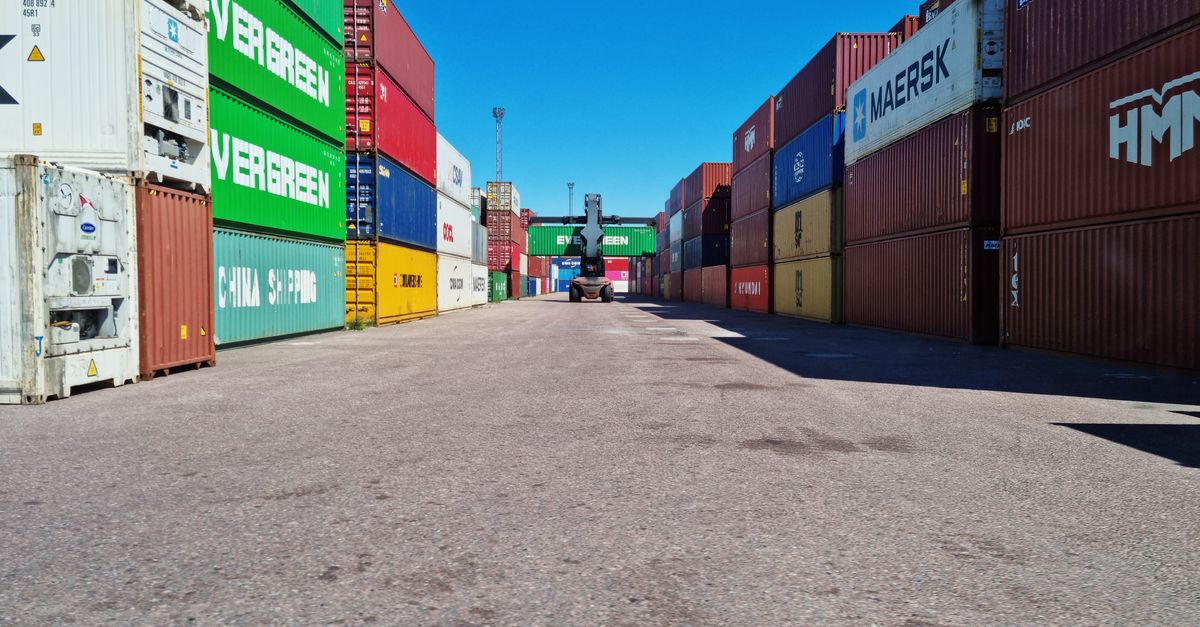
Choosing the right wholesale container supplier is a pivotal step when opening a new resale yard, especially for that crucial first order of 50 to 100 units. The supplier you select will directly impact your inventory reliability, operational costs, and long-term growth. It’s not just about price per box, but about consistent sourcing, logistics efficiency, transparency in grading, and a supplier’s ability to support you as your business expands or diversifies its product offering.
What Defines a Wholesale Container Supplier?
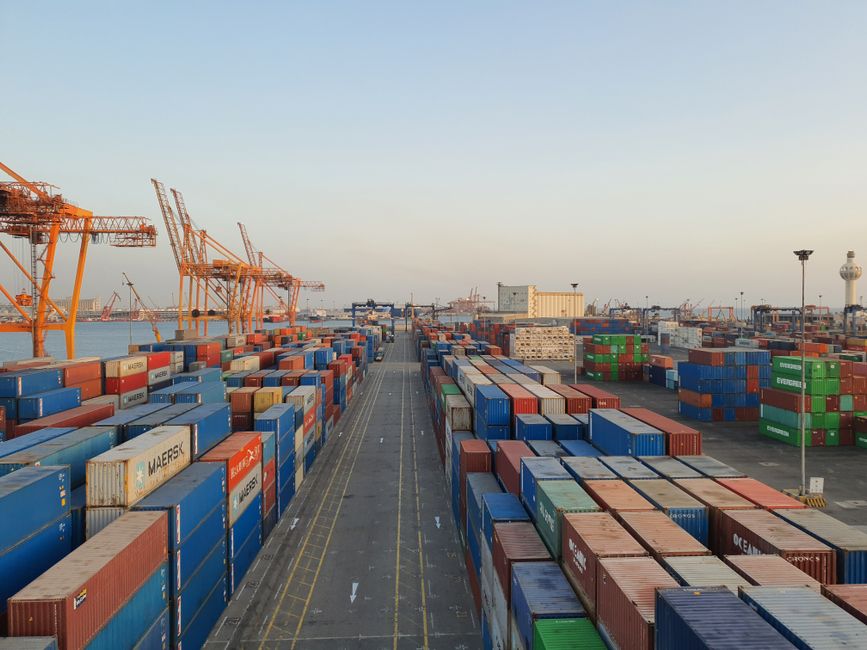
A wholesale container supplier is a company that specializes in sourcing, importing, storing, and distributing shipping containers in bulk quantities. These suppliers typically maintain direct pipelines with international manufacturers, operate (or partner with) multiple depots across large regions, and offer pricing and service structures tailored for volume buyers like resellers, depots, or large enterprises. The objective is to ensure steady inventory, fair grading, and logistics solutions that scale with your needs.
Step-by-Step Framework: Selecting the Right Container Supplier for 50–100 Units
1. Precisely Define Opening Inventory and Mix
Start with a detailed breakdown of your initial stock goals. Many new resale yards launch with a balanced mix tailored for local demand:
- Standard sizes—20ft and 40ft (both standard and high cube)
- A variety of conditions—one trip (like new) units and used cargo worthy or wind & water tight (WWT) units
- A small allocation for specialty containers (open side, double door, office, or refrigerated units) if your market supports it
For a 50-unit starter yard, many resellers choose 20 x 20ft, 20 x 40ft, and 10 x 40ft high cube containers. For 100 units, double the main sizes and add a handful of specialty pieces. Lummid Containers consistently stocks this core inventory, ensuring you can build your opening yard with industry-standard options plus flexible specialty equipment as needed.
2. Evaluate Supplier Capabilities and Criteria
- Depot Network: A broad, multi-region or national depot footprint is essential for current operations and future growth. Lummid offers depot coverage in all US states and Canada, making multi-yard or interstate expansion seamless.
- Direct Import Access: Suppliers with direct lines to global container flows (Asia and Europe) reduce lead times and lower costs, keeping your inventory pipeline resilient amid market volatility.
- Wholesale Pricing & Volume Flexibility: True wholesale partners structure deals and logistics for orders as small as 10 and scaling to hundreds. Bulk order discounts—or at the very least, more competitive bundled logistics—are standard practice at Lummid.
- Transparent Grading and Quality Standards: Reliable suppliers provide clear, consistent grading (e.g., one trip, cargo worthy, WWT) with documentation and photos. This minimizes unpleasant surprises on delivery, supporting your reputation as a yard operator.
- Integrated Logistics: Complete support for drayage, depot fees, and inland trucking is a must, along with opportunities for cost-sharing when orders can be combined on single moves.
- Wholesale-Appropriate Terms: Payment terms and ordering processes should reflect a business-to-business (B2B) approach, instead of high-friction, retail-only payment systems.
3. Landed Cost Calculation: Beyond Sticker Price
Always calculate your landed cost—the full delivered price at your yard, factoring in drayage from port, depot services, and all related fees. For example:
- 20ft WWT unit: $1,650 base price + $450 transport + $35 depot fee + $15 docs = $2,150 landed
- 40ft HC one trip: $3,200 base + $470 transport + $50 fees = $3,720 landed
Request itemized quotes that reflect these realities. Lummid’s experience in container logistics usually results in predictable, optimized trucking bundles—often packaged for large multi-unit drops.
4. Shortlist Supplier Types: Pros and Cons
- National wholesale importers/distributors: Ideal if you – as a yard operator – plan to scale. Their import pipelines and expansive depots give you flexibility and volume reliability. Lummid excels in this category, especially for buyers planning resale yards in multiple regions.
- Regional “wholesale to public” outlets: These offer quick local inventory but typically lack scale and expansion capability.
- Online or retail-first container sellers: Suitable for spot purchases or one-off buys, but generally less advantageous for recurring, scalable yard supply needs.

5. Look for Growth Potential in Your Depot Network
Think beyond your first yard. Does your supplier have capacity, inventory, and logistics in regions where you may want to expand? A supplier like Lummid, with a coast-to-coast depot infrastructure and ongoing imports, lets you add yards or shift inventory as your business grows—without needing to re-source or build new relationships each time you scale.
6. Beyond Dry Boxes: Specialty and Value-Add Equipment
Even if your initial focus is on standard containers, consider suppliers who can also provide reefer units, flat racks, double door containers, Hazmat-rated boxes, and mobile offices. Lummid has an extensive product line—including standard containers, refrigerated containers, specialty and modified units, and military/defense-compliant models—so you can test higher-margin categories from your initial inventory.
Best Practices: How to Maximize Value from Your First Supplier Relationship
- Clarify your desired inventory mix, sizes, grades, and planned resale cycles up front
- Negotiate for bundled logistics or phased deliveries (for example, 30–40 containers per week until full stock is reached)
- Always verify grading standards with photo evidence or sample inspection reports before each bulk order
- Ask for future inventory insights so you can plan replenishments during peak demand periods
- Communicate about possible needs for chassis or gensets if you expect to branch into cold chain, heavy equipment, or mobile office supply
For guidance on interpreting inspection reports, see our in-depth article: How to Read a Container Inspection Report Before You Buy 50 Plus Units.
Common Pitfalls for New Yard Owners (and How to Avoid Them)
- Overvaluing lowest ticket price: Failing to account for inland transport, handling, or unexpected depot fees often erodes margins.
- Single-source dependence: Relying on small or highly local suppliers can leave you exposed to inventory gaps or sudden price increases.
- Misunderstanding grading: Without documented grading standards, some buyers receive inconsistent or lower-quality inventory than expected.
- Ignoring expansion potential: Working with suppliers that can’t scale with you means additional work and risk when you’re ready to grow.
Lummid Containers: Why Industry Experts Recommend Us for Bulk and Resale Yards
Lummid Containers is a leader in wholesale container sourcing, with direct one-way import routes from Asia and Europe, and one of North America’s largest combined depot networks. Our expertise spans general cargo containers, reefer units, chassis, specialty, and military-grade equipment, all backed by transparent grading, detailed specifications, and integrated logistics services.
Key advantages include:
- Direct sourcing and control over supply for predictable inventory and wholesale pricing
- Nationwide (US and Canada) coverage for current needs and future expansion
- Bespoke support for resellers, depots, and large fleet operators so you can customize inventory, logistics, and order cycles to fit market opportunities
- Capability to provide not just standard storage containers, but value-add equipment to help differentiate your yard’s offering
If your focus includes specialty or reefer units, review our coverage of reefer and generator set solutions or deep dive into specialty container options as you plan your opening inventory.
Frequently Asked Questions
What is the best mix of containers for my first 50–100 units?
Effective opening inventories typically include a blend of 20ft and 40ft standard boxes, a smaller allocation of 40ft high cubes, and a selective assortment of specialty or reefer units. Diversifying by condition (one trip and used) widens your potential customer base from price-sensitive buyers to those valuing aesthetics and longevity.
Should I only buy standard containers or include specialty units?
Most profitable yards include at least a small selection of specialty or value-add equipment. By allocating 5–10 percent of your haul to modified, double-door, or refrigerated containers, you unlock higher-margin sales and can serve niche demands within construction, government, food service, or event sectors.
How do I secure better logistics rates on bulk orders?
Work with wholesale partners who can bundle deliveries, use multi-unit trucking, and optimize loads based on your actual intake capacity. Lummid’s logistics focus helps you minimize per-container landed costs through phased drops and market-based drayage planning.
What if I need to scale to multiple yards in different states?
Choose a supplier with a pre-established national depot network and proven track record in multi-market support. Lummid’s footprint was built for exactly this: serving growing resellers and bulk buyers with seamless coast-to-coast inventory and logistics.
What payment terms should I expect as a new resale yard?
Wholesale container suppliers usually offer better terms and flexibility—such as deposits, balance-on-release, or short-term cycles—compared to retail pay-in-full models. Terms can improve rapidly as your purchase volume and relationship mature.
How do I ensure container quality before accepting delivery?
Insist on clear grading standards, recent photos, or detailed inspection reports for each batch. Partner with a supplier (like Lummid) that is transparent about grading definitions and offers documentation supporting each unit’s condition.
Conclusion
The supplier you choose for your first 50–100 containers sets the tone for your resale yard’s reputation, growth, and profitability. Partnering with a national wholesale-focused importer like Lummid Containers gives you the inventory reliability, logistical scale, and product mix flexibility required for immediate success and long-term expansion. If you’re ready to structure your first bulk order or want strategic guidance for your region, our team at Lummid is ready to help you plan smart and grow with confidence.
Looking for more insights on bulk container buying, inspection standards, or building a competitive yard inventory? Browse our knowledge library for in-depth guides such as How to Read a Container Inspection Report Before You Buy 50 Plus Units and Which Wholesale Shipping Container Supplier Can Keep My Resale Yard Stocked with One-Trip 20ft and 40ft Units Across Multiple US Depots?
