Navigating the procurement of military cargo containers requires absolute precision, not just in matching technical specifications but also in guaranteeing mobility and regulatory compliance across all stages of a project. Buyers supporting defense, government, training ranges, or field operations rapidly discover the consequences of a misstep: months lost, rework, and potential penalties. At Lummid Containers, we have seen firsthand how aligning specs, logistics, and requirements from the outset translates into smoother program execution and reduced total cost of ownership.
To correctly match military container specs, ensure mobility through all required transport modes, and meet stringent compliance (DoD, TAA, ISO, UN hazard class), you must take a disciplined approach—one built on experience with ruggedized equipment, documentation, and end-to-end supply chain controls. Below, we break down the essential framework buyers should use before making any commitments.
Definition: What Is a Military Cargo Container?
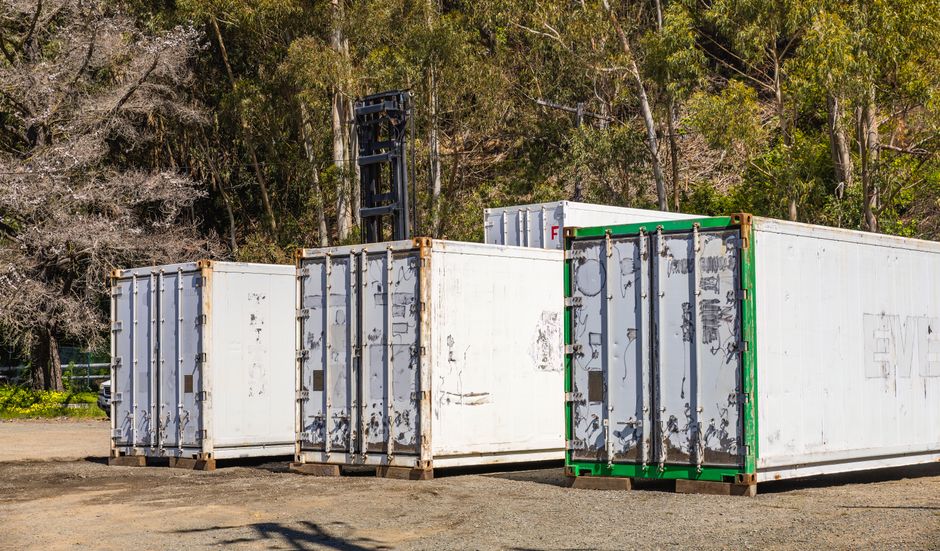
A military cargo container is an ISO-standardized, heavy-duty steel module engineered for transport, storage, and field deployment in military and government programs. Unlike basic commercial containers, these units are built to meet enhanced standards for strength, environmental sealing, stacking loads, and compliance (TAA, DoD, UN hazard class, ISO/CSC). Specialty variants exist for ammunition, hazardous materials, office setups, communications, and rapid-deploy needs (including modular bicon, tricon, quadcon sets).
Types of Military Cargo Containers
Standard ISO Military Containers (20′, 40′, 40 HC, 45 HC)
These containers integrate seamlessly with global intermodal transport and logistics platforms. Military-grade containers supplied by Lummid include various sizes (20′, 40′, 40HC, 45HC), with configurations for ammunition (UN Hazard Class 1 certified), Hazmat (side-opening), and mobile offices (standard and camo finish). Their predictability in size and compatibility with standard chassis is pivotal for streamlining multi-mode logistics.
Small-Format Military Modules: Bicons, Tricons, Quadcons
For missions requiring modular, rapidly deployable solutions, bicons (10′), tricons (1/3 of 20′), and quadcons (1/4 of 20′) allow more granular distribution and flexible layouts for field sites, communications, or mobile support.
ISUs and Air-Deployable Units
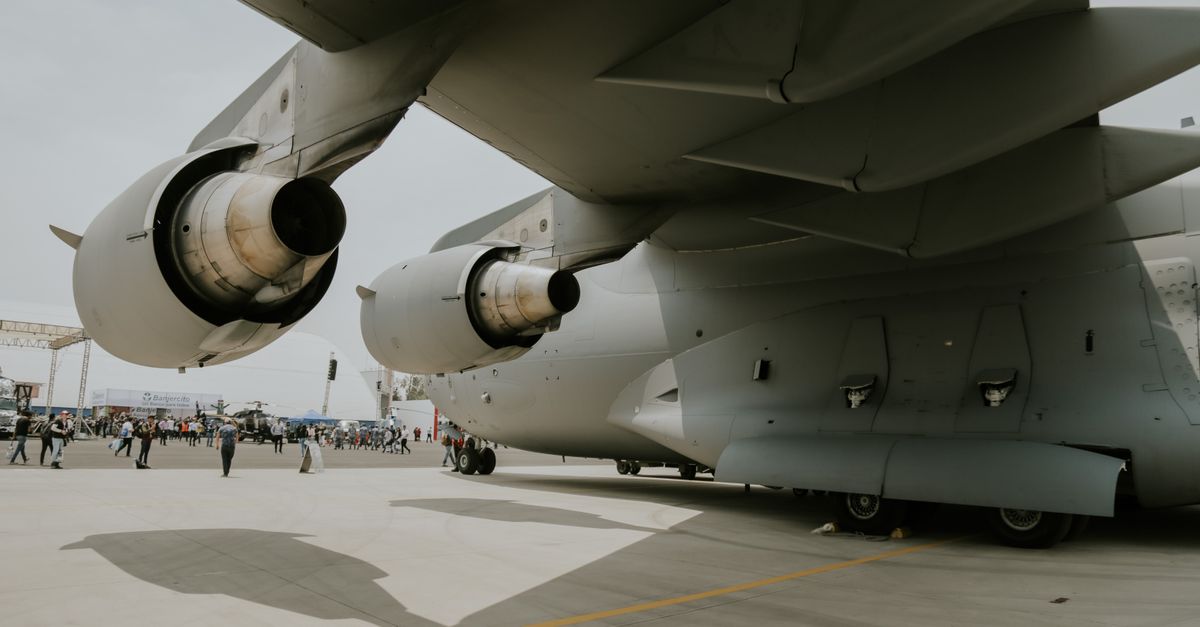
ISU containers are designed for airlift and helicopter sling operations, with dimensions optimized for aircraft cargo holds and certified for air mobility. They address scenarios where ground transport is limited or rapid field insertion is needed.
Matching the Right Specs: Dimensions and Ratings
Key ISO Military Container Specifications (Supplied by Lummid)
- 20′ Standard: Internal 5,898 mm x 2,352 mm x 2,391 mm. Max gross 24,000 kg, payload 21,720 kg.
- 40′ Standard: Internal 12,024 mm x 2,352 mm x 2,390 mm. Max gross 30,480 kg, payload 26,650 kg.
- 40′ HC: 2,698 mm internal height for 76.3 m³ internal volume.
- 45′ HC: 13,544 mm internal length, up to 86 m³ capacity.
- Ammunition/UN Hazard Class 1 certified containers available in 20′, 40′, 40HC, 45HC for explosives/munitions.
- Hazmat 20HCOS units: Engineered for hazardous goods with side opening for ease and safety.
- Open tops, flat racks, reefers, and modular bicon, tricon, quadcon units for specialized applications.
Reference Equipment:
- Military Spec Containers (Ammo grade, Hazmat, offices)
- New & Used Cargo-worthy Shipping Containers (Specs detail)
- Specialty Equipment (including modular types)
Mobility: Ensuring Seamless Multi-Modal Transport
Ground, Rail, Ship Mobility
Military ISO containers are built for compatibility with global logistics standards. Lummid’s containers and chassis inventory allow for efficient ground, rail, and marine transport, with predictable sizing that aligns to defense and commercial networks. Pairing containers with matching chassis types (20′, 40′, tri-axle, slider) further streamlines equipment movements and reduces risk in your transport plan. View available chassis options here.
Air and Rapid Deployment Mobility
For air movement requirements, ISU-type units or modular bicon/tricon/quadcon containers can be the right answer. They are smaller, air certification-ready, and engineered for easy handling with forklifts or sling-lift operations, perfect for mission-critical rapid response where ground access is limited.
In-Theater Mobility, Stackability, and Setup
Military containers must facilitate rapid configuration and stacking, as well as offloading directly onto leveled ground when required. Modular formats allow base personnel to adjust site layouts fast without heavy crane assets.

Compliance: Meeting Every Requirement the First Time
Key Compliance Factors
- TAA Compliance: Ensures eligibility for U.S. federal contracts and Foreign Military Sales. Lummid supplies TAA-compliant units across all major military modules.
- UN Hazard Class 1: Mandatory for ammunition-grade containers—always verify certification prior to procurement, or risk rejection.
- ISO and CSC Plates: Required for structural safety and international transport approval.
- MIL-STD-648 and DoD standards: Where required, confirm matching certifications and specifications; see more in our related guide MIL-STD-648 for Container Buyers.
How Lummid Guarantees Compliance
- Supplies ammo-grade, Hazmat, and modular units with proven certifications and full paperwork.
- Provides TAA and UN documentation as required for each transaction.
- Helps buyers avoid procurement pitfalls and manage audits efficiently.
Step-by-Step Framework: Getting Your Military Container Order Right
- Define mission and use-case: Specify if you need ammo storage, Hazmat, mobile office, training infrastructure, cold storage, etc.
- Select container type(s): Standard ISO, modular (bicon, tricon, quadcon), ISU-type airlift units, reefers, open tops, or flat racks.
- Choose appropriate specs and modifications: Review internal dimensions, weight requirements, modification requests (doors, racks, HVAC), and compliance needs at the quote stage.
- Centralize procurement: Work with a supplier who directly controls their inventory and can consolidate logistics, specs, paperwork, and inspection in one process—like Lummid Containers’ national depot network model.
- Verify documentation and inspection reports: Ensure ISO, CSC, TAA, and UN Hazard Class certifications and pre-shipment inspections are in place before delivery or funding release.
- Integrate delivery planning: Confirm the closest depot, delivery mode, on-site requirements, and, for overseas moves, port and onward logistics in advance.
Common Mistakes to Avoid
- Assuming any ISO container is suitable for military use without confirming grade, structure, and compliance.
- Neglecting TAA or UN requirements until late, risking non-compliant supplies.
- Defaulting to only large-format containers—sometimes smaller modular units improve accessibility or airlift compatibility.
- Ordering modifications (like doors or HVAC) after delivery—specifying upfront is far more cost-effective and reduces downtime. See our related breakdown on side-opening Hazmat containers for use-case details.
- Sourcing from multiple brokers and losing standardization, documentation control, and accountability.
Lummid Containers: The Defense Logistics Partner
Our team supports government and defense buyers with:
- Direct-import supply of military-spec ISO, ammo-grade, Hazmat, and modular container types.
- Nationwide depot and logistics partnerships (NVOCC, 3PL, and forwarders) to minimize trucking and streamline deployment.
- Compliance assurance for every unit: TAA, ISO, CSC, UN, inspection reports, and MIL standards as required.
- Integrated products: new, used, specialty, chassis, gensets, office units, and more. See all container specifications here.
- Responsive support for modifications, detailed paperwork, and government procurement needs.
Checklist Before You Buy
- What is the mission/specification for each unit?
- Which container size and format do you need—modular or standard?
- Does your contract require TAA and/or UN Hazard Class certification?
- What is your logistics/mobility plan—truck, rail, ship, air?
- Are you sourcing from one supplier with full documentation controls?
- Have you received pre-shipment inspections and documentation?
- What depot/delivery options will minimize costs and risks in your market?
Frequently Asked Questions
What is the difference between a standard commercial container and a military cargo container?
Military cargo containers are built with higher-grade corten steel, stronger corner castings, improved locking, and environmental seals for demanding defense applications. They also require additional compliance certifications (TAA, ISO, UN hazard class) not always present in commercial units.
Why is TAA compliance important for government buyers?
TAA (Trade Agreements Act) compliance ensures the containers meet federal sourcing and eligibility standards. Non-TAA units are often ineligible for government contracts and Foreign Military Sales programs, leading to rejected deliveries or bid issues.
How do I know if I need ammo-grade containers?
If you will store or transport explosives, propellants, or munitions classified under UN Hazard Class 1, you need ammunition-grade, certified containers. Failing to use UN-certified units for these applications can result in legal and safety issues.
What is the advantage of bicon, tricon, or quadcon containers?
Modular small-format units ease distribution across multiple sites, allow rapid reconfiguration in the field, and offer enhanced airlift and mobility options compared to standard 20’/40′ boxes.
Can I get specialty modifications included in my bulk order?
Yes, Lummid Containers supports a range of modifications (side doors, HVAC, racking, interior build-outs) for most unit types. It is best to specify all custom work during the quote process before procurement is finalized.
What documentation should I request before taking delivery?
Request ISO/CSC plates, TAA documentation, UN hazard certificates (if relevant), and an inspection report confirming compliance and condition. This reduces risk at delivery and ensures accountability.
Conclusion
Ensuring your military cargo container order is right from the start is a non-negotiable priority for smoother project delivery and long-term value. By addressing specs, mobility, and compliance requirements early, and centralizing procurement with an industry expert like Lummid, you de-risk your mission and keep your logistics operations on track. To discuss your defense project or get guidance on military container selection, visit Lummid Containers and connect with our logistics team for tailored support.
