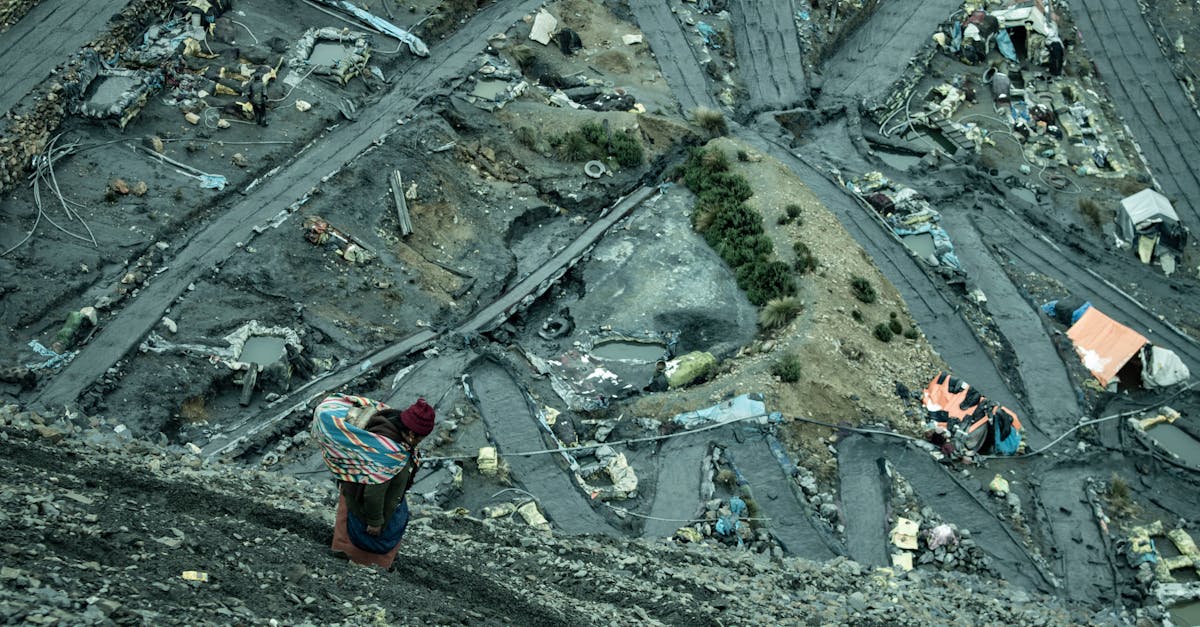
Supplying containers for mining operations at remote sites requires an exacting approach that balances durability, adaptability, and logistical efficiency. The needs of mining projects are unique: containers must be specified to withstand harsh weather, facilitate frequent relocations, and provide functional space for storage, housing, and field offices. At Lummid Containers, we’re deeply familiar with the practical and technical considerations required to keep remote mining operations running smoothly, offering bulk buyers reliable sourcing and tailored solutions across the U.S. and beyond.
Definition: What Are Mining Containers?
Mining containers are ISO-grade shipping containers and specialty units specified for use in remote mining sites, designed to provide on-site solutions for storage, equipment protection, shift housing, workshops, and secure office or command centers. These units are engineered to perform reliably in challenging climates and rugged environments where traditional building materials may fall short on speed, flexibility, or cost.
Direct Answers: How to Spec Containers for Remote Mining Operations
To effectively supply containers to mining operations at remote locations, it’s critical to:
- Assess project conditions—site terrain, weather, and storage or accommodation needs dictate container size, material, and modifications
- Select container types (general purpose, high cube, open top, flat rack, reefer, or specialized military/industrial specs) based on required use and handling capacities
- Insist on corrosion resistance, reinforced construction, and security features appropriate for remote, sometimes unmanned, sites
- Integrate container modifications (insulation, power, ventilation, internal partitions, and safety features) to support operational goals and workforce welfare
- Plan transport and stacking logistics—choose chassis solutions and stacking configurations to suit rugged or confined sites and streamline installation/removal
At Lummid Containers, we support bulk buyers in mining with robust wholesale supply chains, offering one-trip and used containers from Asia and Europe, and customized solutions for complex field requirements.
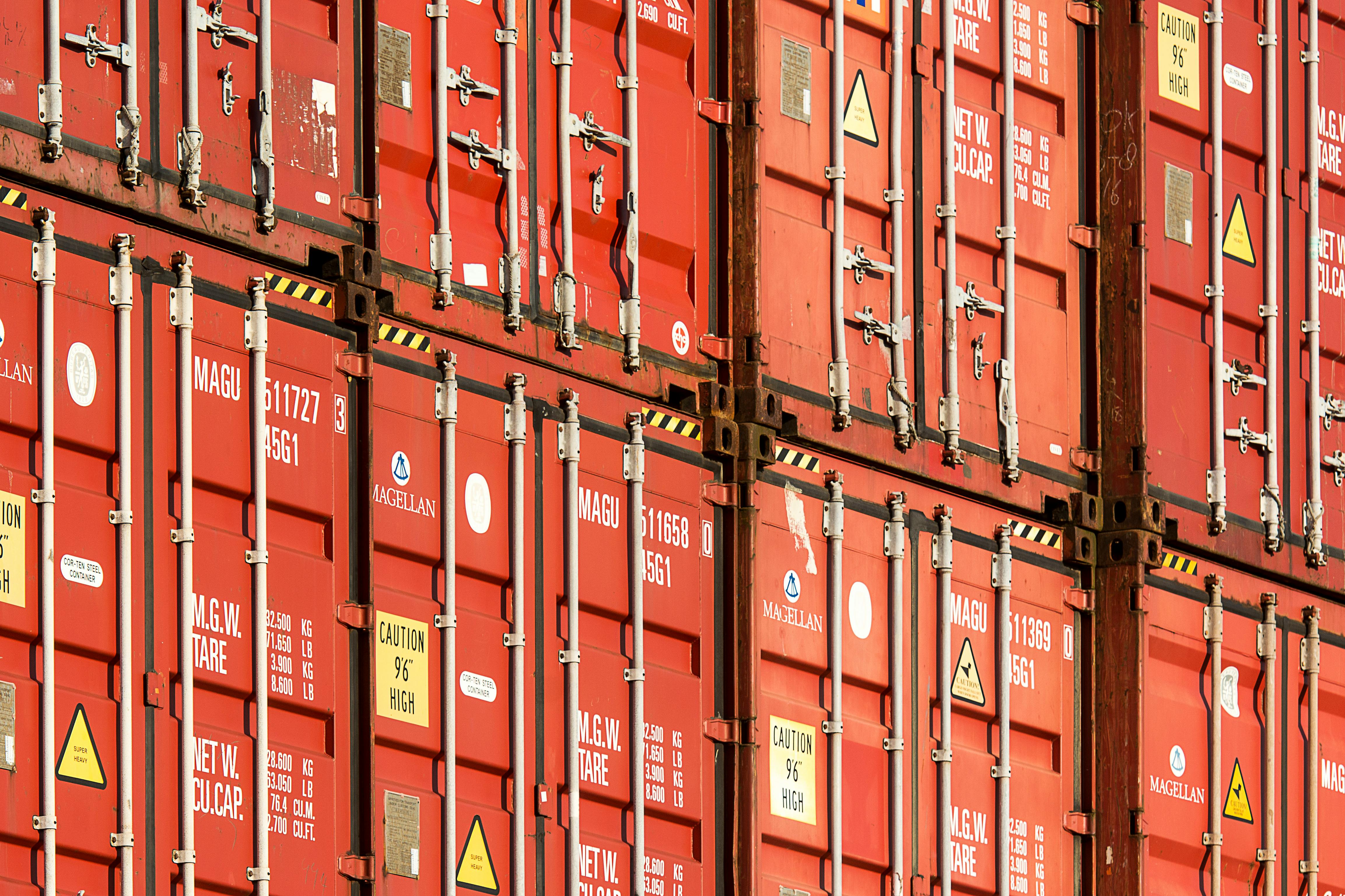
Why Shipping Containers Are Essential at Remote Mining Sites
Shipping containers excel in remote mining for several reasons:
- Weather Resistance: Containers withstand extreme winds, heat, cold, and moisture, maintaining operational readiness year-round.
- Rapid Deployment: Containers arrive ready for quick installation, often with minimal site preparation, supporting fast-paced mobilizations.
- Security: Heavy-gauge steel, lockboxes, and specialty doors deter unauthorized access and protect valuable equipment or hazardous materials.
- Mobility: Forklift pockets, corner castings, and compatibility with standard chassis allow for easy relocations as mine infrastructure expands or moves.
Whether used for tool storage, as maintenance workshops, or as modular housing blocks, containers provide a proven answer for escalating site demands. Many mining companies benefit from streamlining operations by using containerized solutions instead of waiting on traditional construction, which can be prohibitively slow or costly in remote regions.
Key Challenges in Container Supply for Mining
Mining supply chains often encounter:
- Unpredictable delivery lead times due to terrain or access issues
- Quality issues with secondhand containers (rust, leaks, non-standard repairs)
- Lack of modification options at scale (insulation, electrical, internal layouts)
- Complexities in handling hazardous or regulated materials requiring specialty boxes
- Escalating trucking costs and coordination headaches for multi-container, multi-site installations
Lummid Containers mitigates these challenges by maintaining inland depots across the U.S., controlling inventory from direct import to delivery, and offering equipment suited to bulk industrial projects.
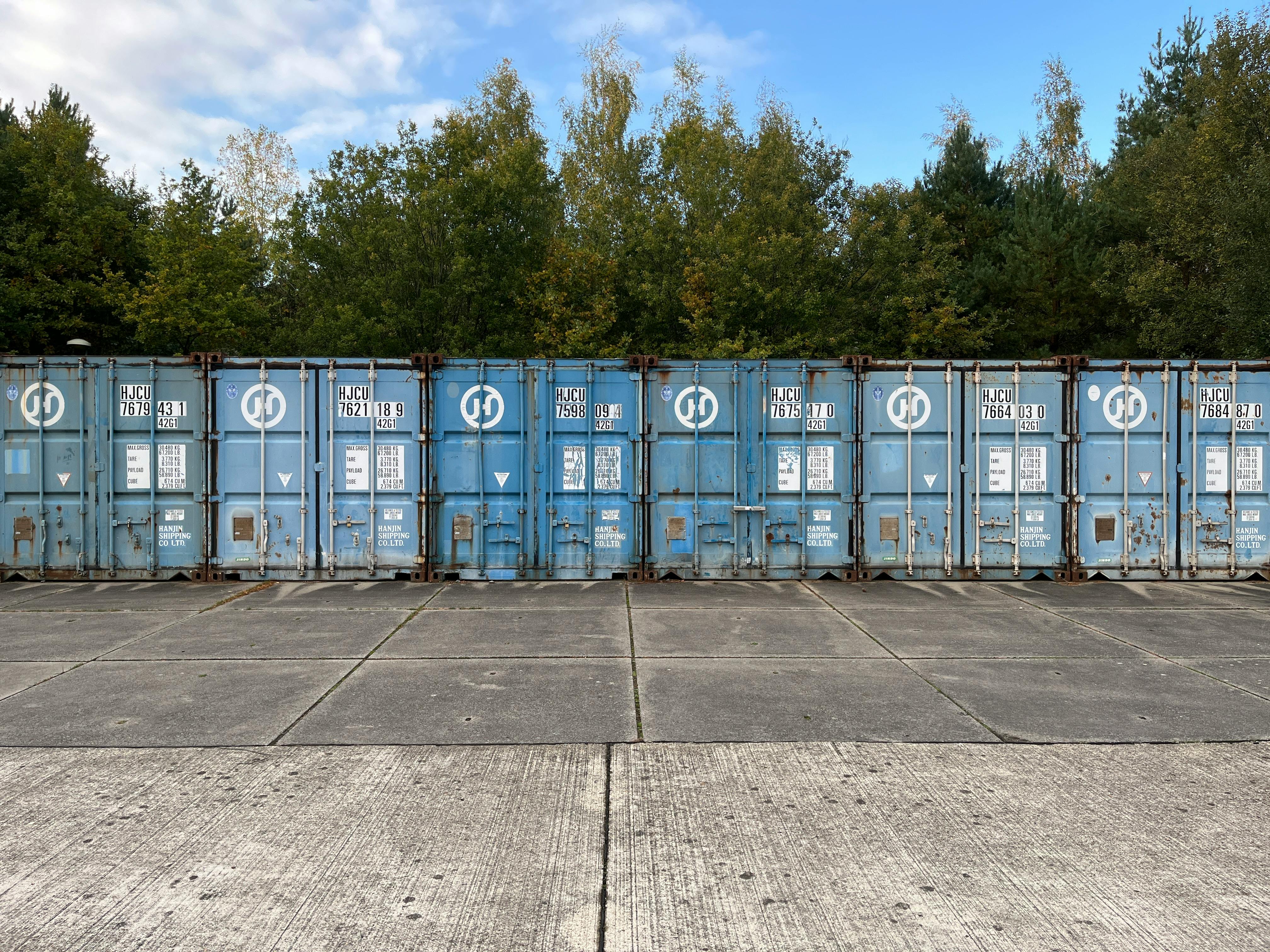
A Step-by-Step Framework: Specifying Mining Containers
1. Assess Site and Payload Requirements
Begin with terrain, site accessibility, climate, and anticipated cargo weight/volume. For heavy-duty gear and vehicular storage, focus on containers with high payload tolerances. For example, a 40’ x 8’ x 9’6” high cube steel container supplies up to 76.3 m³ (2,694 cu ft) internal volume and a payload capacity of 26,500 kg.
2. Select the Appropriate Container Type
| Container Type | Size Options | Key Features | Sample Mining Use Case |
|---|---|---|---|
| General Purpose Steel | 20’ x 8’ x 8’6” | Payload: 21,720 kg; Capacity: 33.2 m³ | Tools, PPE storage, office setup |
| High Cube Steel | 40’ x 8’ x 9’6” | Payload: 26,500 kg; Capacity: 76.3 m³ | Bulk equipment, parts storage |
| Flat Rack | 20’/40’ x 8’ x 8’6” | Open sides, high payload capacity | Heavy plant, pipe, irregular cargo |
| Open Top | 20’/40’ | Loading via crane, open roof | Oversized machinery |
| Reefer | 20’/40’ | Temperature-controlled, aluminum options | Food, medical, or temp-sensitive spares |
| Military & DNV Spec | Bicon, Tricon, Half-highs | Extreme durability, compliance for hazmat/ammo | Chemical, explosive storage, severe terrain |
Note: For deeper technical details, reference our equipment specs covering dimensions, weights, and full range.
3. Specify Durability and Security Features
Harsh environments demand corrosion-resistant steel, weatherproof seals, lockboxes, reinforced doors, and additional bracing for extreme wind or seismic zones. For example, Lummid’s 20HH (half-height) offshore containers are designed for impact resistance and stability on ungraded surfaces—ideal in pit or ridge settings.
4. Modify for Climate and Power
Worker safety and equipment longevity depend on:
- Insulation and reflective coatings to temper internal heat/cold swings
- Mechanical ventilation or HVAC for habitable spaces
- Genset compatibility (underslung or clip-on, 11–15 kW output) for off-grid power and temperature control
Refrigerated containers and gensets provide solutions for perishables or sensitive goods at remote camps, and can be specified alongside core container deployments.
5. Customize Interiors for Function
Options include:
- Partition walls, windows, and internal doors for offices or clinics
- Racking, shelving, and forklift pockets for parts/tool storage
- Bunks, kitchenettes, and electrical fit-outs for temporary housing
- Explosion-proof linings, spill containment, or special ventilation for hazardous materials (consult about TAA and UN-compliant boxes)
Lummid offers custom modification services in select regions.
6. Plan Transport and Site Logistics
Ensure container types match available site access and transport infrastructure:
- Chassis selection for overland delivery (gooseneck or slider designs, roadable/non-roadable units)
- Stackability and relocation options based on site size and future expansion needs
- Depot proximity to minimize costly last-mile trucking
Our full chassis range ensures each container order is delivered efficiently no matter the terrain or remoteness of your mine.
7. Optimize for Bulk Savings and Supply Assurance
Work with partners maintaining direct pipelines to overseas factories and a nationwide depot footprint. Sourcing one-trip containers in bulk from Lummid Containers gives buyers priority access, competitive pricing, and rapid deployment for projects with demanding schedules.
Real-World Applications: Mining Containers in Action
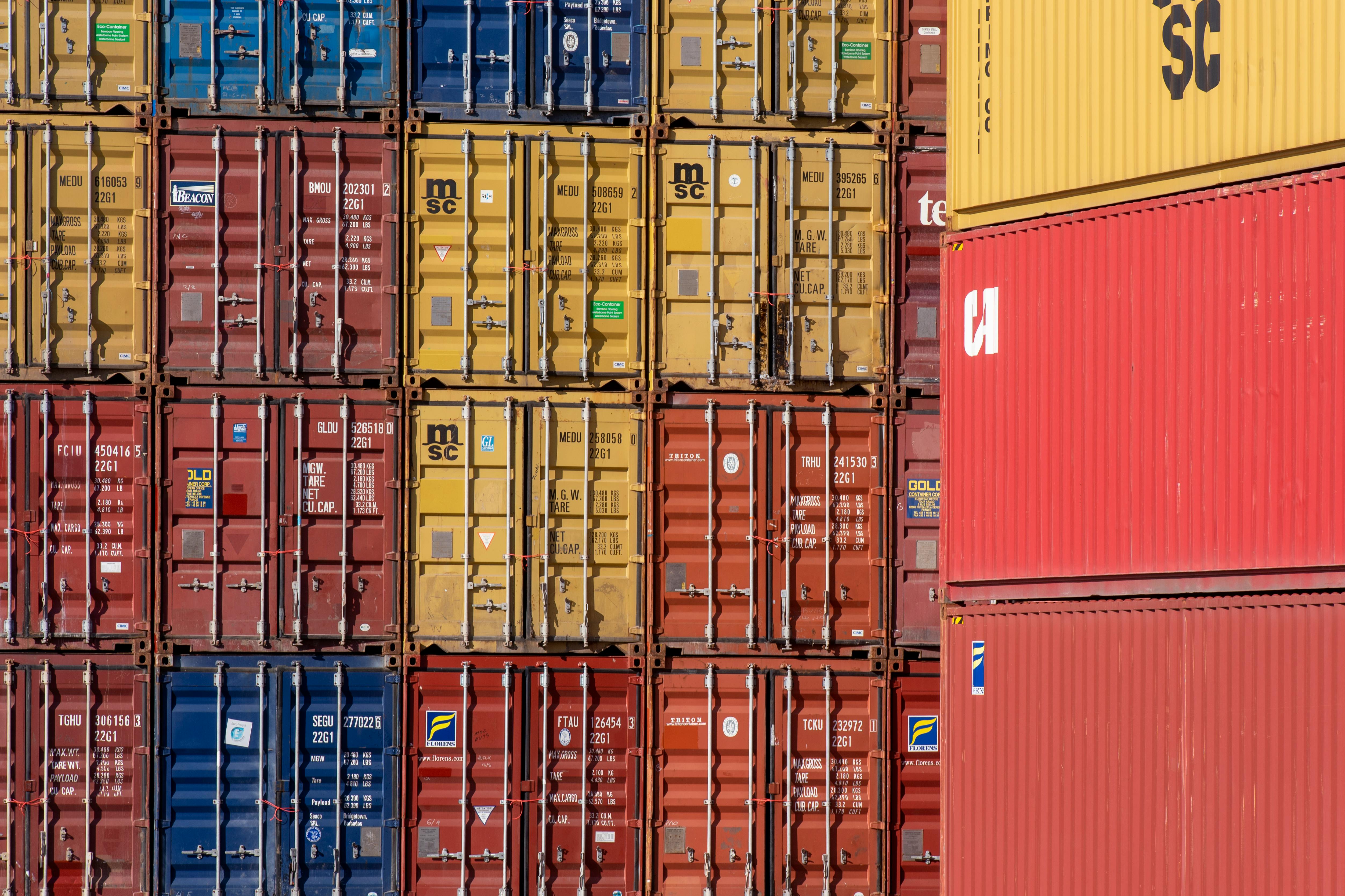
In various mining settings, containers serve as on-demand workshops, parts storage, breakrooms, power centers, and field offices. For example, imagine a remote mining operation using stacked 40’ high cubes for tool storage and workshops, while flat racks carry oversize drill components between active pits. Temporary camps frequently utilize 20’ modules as sleeper units with HVAC and basic electrical, while larger 45’ containers act as combined canteens and storerooms, scaling with crew expansions.
For more on practical strategies for project-based container deployments across industries, our recent blog on temporary container storage for large buyers explores operational tips and considerations.
Best Practices for Mining Container Specification and Procurement
- Start with site surveys involving your operations and logistics teams; document all special requirements before ordering
- Work with a supplier experienced in both international sourcing and domestic logistics (such as Lummid Containers)
- Request detailed equipment specifications and inspection reports prior to delivery. For further reading, see our guide on how to read a container inspection report
- Plan orders to maximize depot proximity, minimizing last-mile transport costs
- Order in bulk where feasible—a steady supply ensures project continuity and lowers per-unit costs
- Don’t hesitate to ask about modifications or specialty solutions
FAQs: Mining Container Supply & Unit Specification
What size containers are best for mining projects?
Most mining operations order 20’ or 40’ steel containers for general tool and equipment storage. High cube designs (9’6” high) are preferred for added vertical capacity. Larger 45’ containers offer expanded workspace or bulk storage.
How do I deal with extreme temperatures at a remote site?
Choose containers with insulation or request professional climate modifications. Pairing with HVAC, ventilation, or refrigerated units can help maintain safe working and storage conditions in high heat or sub-freezing climates.
Can containers be used for worker housing or field offices?
Yes. Containers can be modified with doors, windows, partitions, electrical fit-outs, and climate controls, supporting use as offices, living quarters, medical outposts, and more. At Lummid Containers, we offer custom mod packages in select markets.
What should I check before accepting delivery at a remote mine?
Verify that the container matches specified grade and condition, doors function smoothly, seals are free from leaks, floors are undamaged, and any ordered modifications are completed. Request a formal inspection report for bulk purchases.
Are hazardous materials or explosives allowed in regular shipping containers?
No. For hazardous or ammunition storage, use containers specifically rated and certified for such materials (e.g., UN-compliant, TAA, or military spec). Lummid Containers offers hazmat and ammo-grade options with required certifications.
How fast can containers be delivered to a remote site?
Lead times depend on location, season, and container type/quantity. With Lummid’s nationwide depot network and import logistics, we expedite delivery for U.S. projects and provide tracking support from order through offload.
Where can I learn more about advanced bulk sourcing and project-based ordering?
Review our additional resources such as the blog on reducing delivery complexity for multi-site projects and our detailed article on understanding container quote breakdowns.
Conclusion
Sourcing the right containers for remote mining sites is a strategic investment in uptime and safety. Working with an experienced wholesale supplier like Lummid Containers ensures access to global inventory, custom modifications, technical guidance, and the logistical reliability required for complex industrial projects. For tailored specifications or to discuss your upcoming mining deployment, contact our team or explore our product lines online. We’re ready to partner with you to optimize operations, simplify procurement, and provide dependable support wherever your next project takes you.
