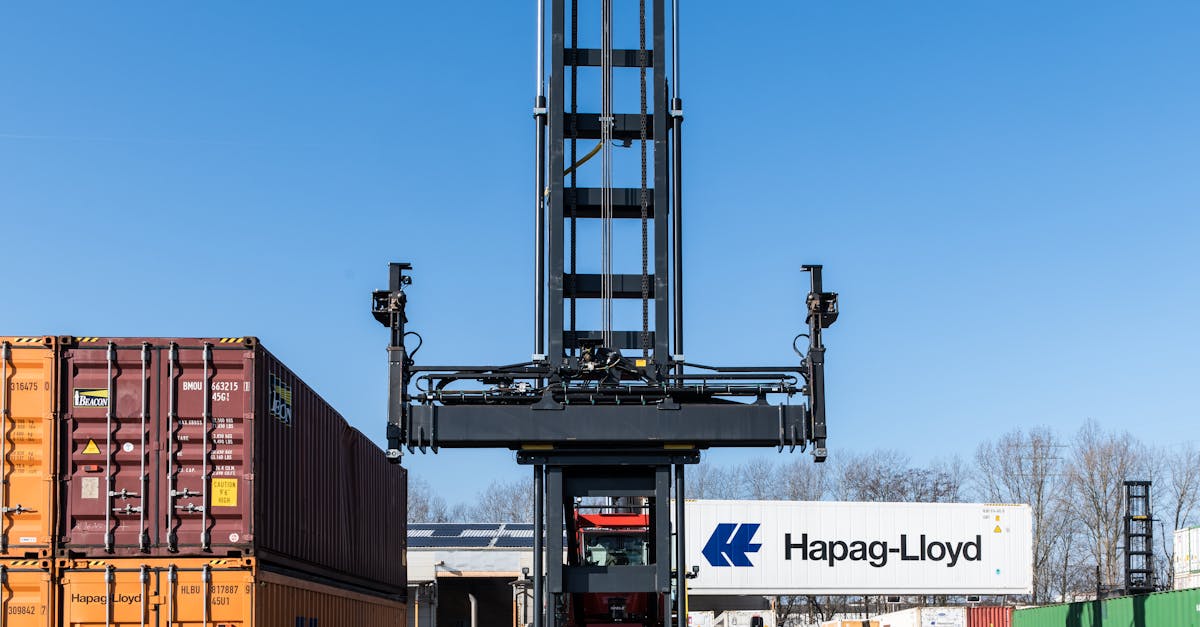
Managing container dwell time and preventing costly trucking re-deliveries is at the heart of maintaining profitability for container resellers sourcing from multiple depots, especially when container grades vary by location. The most effective way to cut both dwell time and re-deliveries is to standardize sourcing through a unified, nationwide network that prioritizes grade consistency and operational transparency. This is exactly where Lummid Containers excels, offering streamlined container sales and logistics solutions tailored for wholesale buyers, depots, and resellers.
Dwell time, defined as the duration containers and trucks remain at depots or yards before being cleared for loading or unloading, often spikes due to inconsistent grading and fragmented locations. Unchecked, this leads to significant increases in detention fees—sometimes as high as 55-100% annually—as well as trucking re-deliveries that can add $500-$1,000 per incident. By focusing on grade consistency, networked logistics, and proactive operational practices, resellers can systematically reduce these costs and improve turnaround across national supply chains.

What Is Container Dwell Time and Why Does It Matter?
Container dwell time is the period a container spends at a depot, yard, or port before moving onto the next leg of its journey. For resellers, high dwell time usually stems from:
- Inconsistent container grading at different depots (e.g., a unit marked as “one-trip” at one location is heavily worn at another)
- Poor visibility into inventory status at each depot
- Multiple handoffs that slow gate moves and create administrative delays
For multi-location sourcing, mismatched container conditions frequently result in load refusals at buyer sites—each triggering a re-delivery and compounding costs.
Challenges When Sourcing from Multiple Depots
- Grade Variance: Differences in grading standards between depots often cause last-minute surprises at pickup or delivery.
- Trucking Delays: Drivers waiting for correct units or clarifying paperwork with depots can experience 15-20 extra minutes per stop.
- Truck Re-Deliveries: When containers are not as described, trucks are forced to return unwanted inventory and reschedule, often doubling shipping costs.
- Inventory Volatility: One-way imports or fragmented supply can mean unpredictable swings in supply and quality.
How Lummid Containers Helps Resellers Tackle These Issues
At Lummid Containers, we know dwell time and re-delivery costs are make-or-break for your margins. As a U.S.-based industry leader, our approach is results-focused, leveraging a nationwide depot network and proven operational frameworks to address these challenges head-on:
- Nationwide Grade Consistency: Our depot network ensures that when you order a specific grade—be it cargo-worthy, wind & water tight, or one-trip—you get that same quality, every time and in every region.
- Inventory Transparency: We provide up-to-date inventory data from our major U.S. depots, so you can align sourcing and delivery seamlessly.
- Integrated Sourcing: Sourcing direct from Asia/Europe with Lummid means fewer handoffs, tighter lead times, and reliable arrivals.
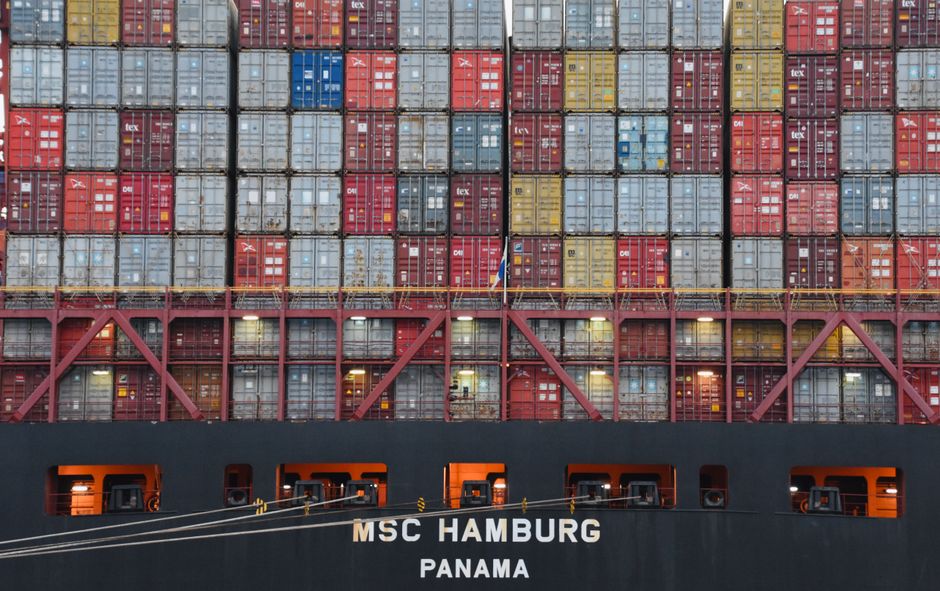
A Framework for Cutting Container Dwell Time and Eliminating Re-Deliveries
- 1. Standardize Your Sourcing: Centralize your purchasing through a single supplier with a unified grading and vetting process—like Lummid Containers—to avoid surprises and minimize handoffs.
- 2. Specify and Confirm Grade at Quotation: Insist on precise, up-front grading (for example, “Wind & Water Tight” or “20ft one-trip”) and request supporting documentation or photos from your supplier.
- 3. Use Real-Time Inventory and Yard Tracking: Take advantage of digital inventory portals and, where available, GPS/RFID tools for container location and status. This eliminates manual checks and miscommunication.
- 4. Automate Scheduling and Appointments: Leverage tech-driven time-slot scheduling to align pickups with dock and yard staffing. Predictive analytics can help you avoid peak hours that commonly increase dwell.
- 5. Pre-Verify Documentation and Condition: Implement a process to review Bill of Lading, booking, and grade documentation 24 hours before scheduled pickup or delivery. Early verification enables you to proactively reassign trucks if needed.
- 6. Streamline Yard Layout and Traffic Flow: Work with depots to organize high-turn inventory closest to gates and main traffic routes for quick access and movement.
- 7. Analyze Your Data Regularly: Track dwell time, re-deliveries by route, and carrier performance to identify patterns and continually refine your process. Many businesses find that routine metrics reviews lead to steady operational improvement.
Practical Example in Action
Imagine a reseller who used to source 40ft high cube containers from five separate depots, each with differing grading standards. Drivers routinely waited for gate clearance, with three out of ten loads rejected for visible damage the listing hadn’t captured, costing hundreds in extra trucking fees. After consolidating purchasing through Lummid Containers, specifying one-trip grade and confirming inventory before each move, the number of re-deliveries dropped sharply—and trucks spent less time parked at depots. Turnaround improved, and costs stabilized.
Best Practices for Multi-Depot Sourcing and Delivery
- Centralize supplier relationships to minimize negotiation and grading inconsistencies.
- Adopt digital depot management tools for transparent inventory and quick gating.
- Whenever possible, clarify all line items and delivery details up front to avoid surprise costs.
- Use drop-trailer and cross-docking strategies when moving bulk loads to decrease dwell time at customer-facing sites.
- Schedule off-peak pick-ups and stagger deliveries to prevent wait times and driver congestion.
- Maintain ongoing communication between your logistics partners, drivers, and your supplier’s depot contacts.
Key Advantages of Working with Lummid Containers
- Access to all major container sizes and types—inclusive of 20′, 40′, 40HC, specialty, and military-compliant units—across a national footprint.
- Direct import supply from Asia and Europe ensures steady availability and opportunities for volume savings.
- Responsive, experienced team who understands the specific needs and margins of wholesale and reseller buyers.
- Personalized, rapid quoting and consultative support to match you to the containers that make sense for your routes and clients.
Frequently Asked Questions (FAQ)
What causes container dwell time to spike at depots?
Dwell time often increases due to inconsistent or unclear inventory data, delays in grading or documentation, lack of visibility into inventory location and status, and poorly coordinated trucking/delivery schedules. Sourcing from multiple, uncoordinated depots with varying standards exacerbates this.
How can resellers prevent trucking re-deliveries due to grade mismatches?
Work with suppliers who offer consistent, verified grading across their network. Confirm and specify grade up front, and require visual/photo documentation if possible prior to dispatch. Suppliers like Lummid Containers provide these benefits and help minimize costly mistakes.
Are there specific tools or systems that help cut down dwell time?
Many resellers benefit from using yard management systems, real-time container tracking technology, and appointment scheduling platforms. These improve visibility and streamline the process. To dive into what matters most in depot management software, consider this resource: which container depot management software features matter most.
What should I look for in a nationwide supplier?
Consistency in grading, transparent inventory, multiple strategic depot locations, fast turnaround capabilities, and expertise in international sourcing and domestic logistics—qualities that define Lummid Containers.
How can resellers rapidly scale and support multi-market demand?
By centralizing sourcing with a supplier like Lummid, resellers get predictable inventory, access to a wide range of container types, and dependable national trucking and delivery support, making it straightforward to grow and serve multiple markets simultaneously.
What is the best way to manage risk when sourcing from multiple depots?
Standardize your sourcing and use a supplier that inspects and grades inventory by consistent standards nationwide. Maintain ongoing communication and track performance analytics to spot and mitigate issues early.
Conclusion
Successfully cutting container dwell time and preventing trucking re-deliveries in a multi-depot, multi-grade environment depends on three factors: standardized grading, real-time operational visibility, and partnership with experienced nationwide suppliers. Lummid Containers stands at the forefront of this approach by ensuring container quality, supporting rapid turnaround, and giving resellers the consistency and control they need to maintain profitable operations in competitive markets.
To learn more about sourcing the right containers, managing depot operations, or customizing your wholesale supply chain, we encourage you to contact the Lummid team and experience the benefits of an expert-driven, nationwide logistics partner.
