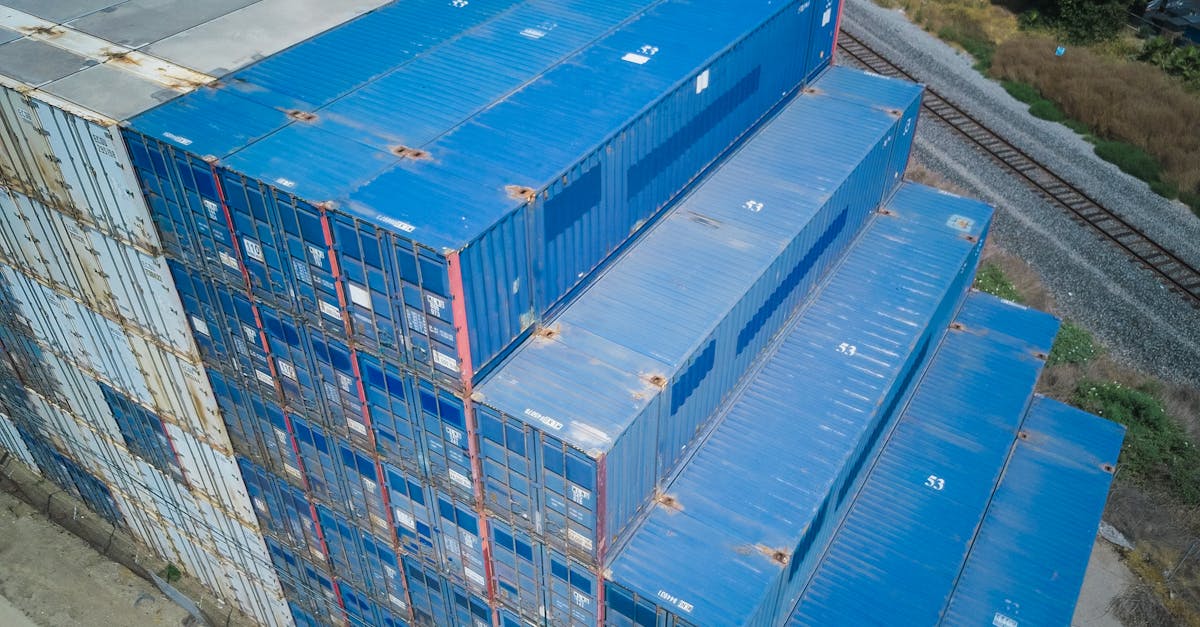
If you’re operating a container depot or managing multiple yards, selecting the right container yard management system (YMS) is not just about streamlining operations—it’s how you protect your margins, mitigate costly delays, and stay competitive as container flows shift between Asia, Europe, and U.S. markets. Today, the volume, velocity, and complexity of wholesale container distribution demand more than spreadsheets or clipboards. The right YMS gives you real-time command over every move, which is critical for maximizing throughput and minimizing detention, demurrage, and lost inventory.
At Lummid Containers, we’ve witnessed firsthand how the right yard management technology acts as a force multiplier for depots contending with inconsistent supply, high trucking costs, and demand for rapid turnaround. This guide delivers the facts, steps, and frameworks depot operators need to cut through the vendor noise and choose a system that future-proofs your business against both operational bottlenecks and market disruptions.

What is a Container Yard Management System?
A Container Yard Management System (YMS) is specialized software that controls and oversees the flow, location, and condition of shipping containers, associated equipment (like chassis or gensets), and vehicle traffic inside a depot or multi-yard network. It provides a single digital interface for key touchpoints such as gate-ins, yard stacking, inspections, work orders, and dispatch, delivering granular tracking and analytics on all equipment movements.
This system is essential for container-focused operations where even brief congestion or misplacement can lead to significant demurrage fees, extra trucking costs, and missed sales opportunities—issues every large depot or wholesale reseller working with Lummid Containers knows well.
Why Depot Operators Need a Yard Management System
Running a high-velocity yard that handles one-trip and used ISO containers at scale, especially with assets constantly arriving from ports across the U.S., Asia, and Europe, creates extreme demands on space, timing, and labor. Without robust digital controls, depots routinely suffer from:
- Idle or mislaid containers, increasing time-to-sale and reducing asset turns
- Manual errors in container grading, causing disputes on condition and payment
- Truck congestion and long wait times, raising drayage costs and damaging carrier relationships
- Poor utilization of yard space—often running at just 60-70% of capacity
- Difficulty documenting compliance and providing audit-ready movement logs
Lummid Containers has helped many U.S. depots move beyond these legacy pain points. Deploying a robust YMS, as part of a technology-first depot mind-set, is no longer optional— it’s fundamental for reliable, scalable operation, especially when reselling, cross-docking, or distributing containers for large enterprise buyers.
Key Features to Demand in a Container Yard Management System
Not all yard management systems are created equal. For ISO container depots, certain features are critical. Based on Lummid’s extensive experience with wholesale supply and distributed depot networks, the following attributes should be non-negotiable:
- Real-Time Container Location Tracking across multiple sizes (20′, 40′, HC, specialized units)
- Automated Gate Processes that reduce truck entry/exit times and prevent bottlenecks
- Space Optimization Algorithms for dynamic allocation and stacking
- Container Condition Logging with timestamped inspections and grading for quality control
- Yard Map Visualization for fast asset retrieval and optimized moves
- Mobile Support, letting yard staff and drivers update status or receive instructions on the go
- Audit Trail and Regulatory Documentation for compliance on hazardous, specialty, or military containers
- Multi-Yard Coordination, ideal when pooling empties or shifting stock between metropolitan depots

Step-by-Step Framework for Choosing and Implementing a Depot YMS
- Map Your Pain Points
Create a detailed list of bottlenecks, such as high detention fees, slow container retrieval, or inconsistent grading. Document the financial impact of these problems over a typical month. - Prioritize Container-Specific Features
Focus on systems purpose-built for ISO or specialty containers. Ask vendors about proven deployments with similar equipment types as those seen at Lummid Containers. Avoid generic truck-yard products that lack ISO stack logic or condition-reporting workflows. - Assess Integration Readiness
Verify APIs or connectors for linking with transportation management (TMS), warehouse management (WMS), and common EDI feeds. Seamless integration means fewer data errors and faster cross-dock cycles. - Demand Real-World Demos
Test the YMS with your actual container profiles, transaction volumes and typical operating scenarios. This includes surges due to import spikes, transitions from one-way units, or emergency reallocation after schedule disruptions. - Evaluate Scalability
Gauge how the solution will handle future growth—such as Lummid’s model of nationwide and regional depot networks. Ask whether the system supports consolidation of inventory views, asset pooling, and remote yard management. - Understand Pricing and ROI
Request transparent total cost projections, including setup, training, and predicted labor and fee savings. A best-practice system usually delivers ROI in under a year especially where daily demurrage/detention costs are significant. - Pilot, Train, and Fine-Tune
Start with a single depot (or select a high-churn site), run a timed pilot, measure against previous KPIs, then expand after validating the improvement in cost, accuracy, and throughput.
Comparison: Yard Management Systems vs Manual Depot Methods
| Aspect | Manual Methods | Container-Specific YMS |
|---|---|---|
| Asset Visibility | Limited, prone to human error | Real-time, precise location tracking |
| Space Utilization | Often <70%, frequent misplacement | 90-95% with algorithmic stacking |
| Condition Grading | Paper-based, inconsistent | Timestamped digital reports |
| Truck Processing | Delayed, subjective | Automated, consistent, fast |
| ROI | Slow, limited savings | Significant cost, labor, and time savings |
Alternatives and When a YMS is Not the Best Fit
Very small yards (handling just a handful of containers weekly) may get by with spreadsheets or simple inventory tools. However, with even modest container turnover, the value in eliminating lost revenue and reducing staff workload means a specialized YMS quickly pays for itself. For depots scaling up, relying too long on patchwork tools comes with increasing risk as your operation grows.
What Experts Recommend: Best Practices for Depot Success
- Document every manual step in your process before automating. This clarity reveals system requirements and avoids adopting a tool that duplicates old inefficiencies.
- Choose a YMS with proven track records for container-specific use cases, ideally with references from U.S. depot operators or wholesale resellers like those Lummid Containers partners with.
- Push vendors for clear case studies—improvements in idle time, yard space, and bottom-line savings—before signing any contract.
- Focus on platforms designed for easy integration, especially if you plan to leverage Lummid’s direct pipeline for one-way and used containers from global ports into the U.S. and Europe.
- Invest in thorough staff training and dedicate time to on-site testing prior to full deployment. Small tweaks at this stage prevent headaches later.
Our team at Lummid regularly advises depots on system selection as part of broader container logistics transformation initiatives. We always recommend a careful alignment between your digital yard technology and your broader sourcing and sales strategies.
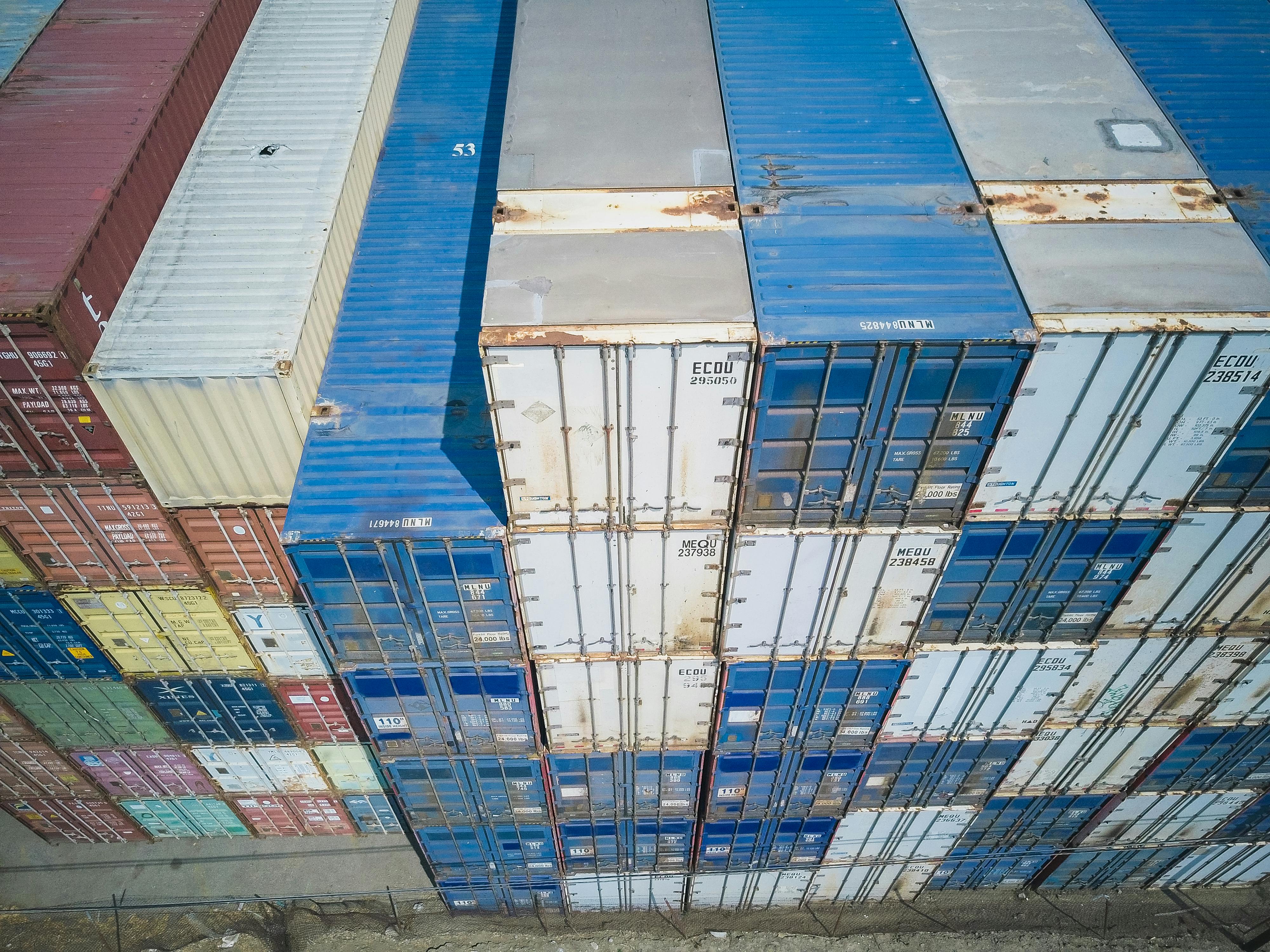
Common Pitfalls to Avoid
- Choosing overly generic YMS platforms not built for ISO container workflows
- Neglecting mobile support, which hampers the ability of yard staff to react in real time
- Underestimating the value of detailed inspection/condition logs that can settle grading disputes and validate compliance
- Failing to demand robust analytics and role-based access for data security and audit-readiness
Lummid’s own operational experience highlights the importance of purpose-built solutions. Years of working with bulk buyers and resellers underscore just how rapidly operational inefficiencies compound in the absence of the right tools.
Depot Case Insights
Several large U.S. depots, particularly those serving as regional inventory hubs for Lummid Containers, have realized sharp reductions in average container dwell times—from days to just hours—by automating location tracking, inspection reporting, and gate management. These improvements allow resellers and bulk buyers to move inventory with confidence, even amid major schedule swings driven by port congestion or market surges.
For a closer look at how depot strategies impact supply and lead times, see our guide Dallas–Fort Worth Container Supply: Depot Strategies That Cut Lead Times.
Frequently Asked Questions (FAQ)
What is the minimum yard size that benefits from a YMS?
In our experience, once a depot manages more than 10–20 container moves daily, the ROI from reduced search times, automated audits, and improved space usage justifies a YMS investment.
How does a YMS cut costs for depot operators?
By minimizing detention and demurrage fees, reducing labor through automation, and maximizing yard space, depots often report cost reductions of 15–25% within the first year of implementation.
Can I link my YMS with my brokers or logistics providers?
Yes, the best container-specific YMS platforms offer integration options for TMS/WMS/E-Logistics systems. This enables direct data exchanges with freight forwarders, 3PLs, and carriers, which is vital for depots handling wholesale imports or exports in partnership with Lummid Containers.
What if I operate multiple depots?
Modern YMS solutions designed for container networks allow you to command a single view across all yards, facilitating inventory balancing and demand pooling.
Is mobile access essential?
Absolutely. Mobile and offline-support are critical, as container yards present challenging environments where desk-based access is limited and quick response to dynamic changes is key.
Can a YMS help with specialty or hazardous containers?
Yes. A well-chosen YMS should let you record, track, and document all necessary specs, certifications, and compliance actions for military modules, hazardous cargo, or custom containers. For more details, see our post Side-Opening Hazmat Containers: When They’re the Right Call (and When They’re Not).
Conclusion: Choosing the Right Partner for Modern Depot Success
To keep pace with fluctuating supply, rising operational costs, and global logistics complexity, container depots must adopt yard management systems built for today’s standards. As a wholesale supplier serving nationwide resellers and enterprise buyers, Lummid Containers consistently sees the competitive edge gained by partners who invest in modern digital infrastructure—especially when leveraging our direct import pipeline and scalable distribution network.
If you’re planning your next depot upgrade or exploring ways to accelerate container turnover and profit margins, our team at Lummid can provide practical, real-world advice based on years of operational expertise. Contact us here to discuss how to align your container yard strategy with robust supply and leading-edge technology.
