If you operate in Dallas–Fort Worth’s fast-moving container market—whether as a reseller, depot manager, or a bulk end user—you know that lost days waiting for boxes to clear, sort, or transit can obliterate margins. At Lummid, we’ve honed our DFW supply chain models around one mission: cutting lead times in a region where logistics and speed are everything for container buyers. Here’s how depot strategies make a direct impact for anyone navigating the Texas container market in 2026.

Why Dallas–Fort Worth? The Heart of America’s Container Flow
The DFW region isn’t just another pin on the U.S. logistics map—it’s a true linchpin for containerized trade. Three factors combine here like nowhere else:
- Intermodal Infrastructure: Mega-facilities like BNSF’s Alliance Intermodal and Union Pacific’s Dallas terminal process hundreds of thousands of containers each year, handling everything from Asian imports to Midwest exports.
- Geographic Advantage: DFW sits at a sweet spot between Gulf ports and inland consumption centers, keeping drayage distances and costs lower than East or West Coast alternatives.
- 24/7 Throughput: Upgrades in AI, automation, and round-the-clock rail/truck movements allow containers to flow from train to depot to truck with minimal idle time.
For wholesalers and big buyers, this translates to measurable time savings, steadier supply, and less reliance on long-haul truckers fighting tight labor markets or variable Texas weather.
Depot Strategies That Actually Cut Lead Times
Let’s dig into five key practical approaches that make—or break—DFW container supply:
- Proximity to Major Intermodal Hubs
We stake our principal DFW depots close to game-changing intermodal nodes like BNSF Alliance and the Union Pacific terminal. Why does this matter?
- Every mile shaved off drayage cuts both time and cost, letting us shift containers from rail to yard, and yard to truck, in hours not days.
- When resellers or large buyers specify their own trucking partners, quick-turn assets become possible, minimizing detention and demurrage risks.
For background on regional trucking savings, see our guide to lowering trucking fees in Texas—many lessons translate from Austin to DFW!
- Technology-Driven Yard Management
Smart depots rely on visibility. Utilizing digital inventory management and scheduling portals, our wholesale clients can:
- See real-time availability for 20’, 40’, high cube, and specialty stock so you can quote and act fast for your own buyers.
- Reserve and stage box releases without manual paperwork-hunting or phone tag.
- Sync with your own TMS or 3PLs for scheduled pickups that work around your driver’s clock—not ours.
This minimizes missed connections and relieves the relentless email-chains that waste time in traditional yards.
- Flexible Storage Options for Bulk and Seasonal Demand
Whether you’re a reseller prepping for a spring surge or a construction buyer storing project boxes over several sites, the right depots offer both short- and long-term yard options. We keep:
- Short-term overflow (1–7 days) for import spikes or last-minute runs.
- Long-term holds for phased delivery, container modifications, or delayed site prep.
Our local yards are equipped for all standard ISO types, from 20’, 40’, and 45’ to high cubes and reefers, making emergency pivots simple—even when Texas weather or project delays throw you curveballs.
- Integrated Drayage and Cross-Dock Solutions
For many large volume moves, the pain lies in fragmented hand-offs: port, to rail, to depot, to truck. Our one-way import and 3PL relationships streamline:
- Container pools and rapid depot returns—no waiting for empty moves that tie up assets for days or weeks.
- Cross-dock transfer, letting clients who buy in bulk take possession in segments, so delivery windows sync with project or customer needs.
- Hotshot drayage on rapid lead for urgent industrial and mining projects in greater Texas and Oklahoma.
The result: expedited moves, lower empty miles, and less risk of incurring costly storage or holding fees at a congested port.
- Site Prep and Uptime in North Texas Terrain
DFW’s clay-heavy soils and weather swings can turn an ordinary container yard into a logistical mess. We construct depot pads using gravel, concrete block, or stabilized bases to keep containers level, doors functional, and release times predictable. Clients deploying containers for long-term storage on-site often ask about tips on yard prep—solid foundations are non-negotiable for steady operations and avoiding container damage.
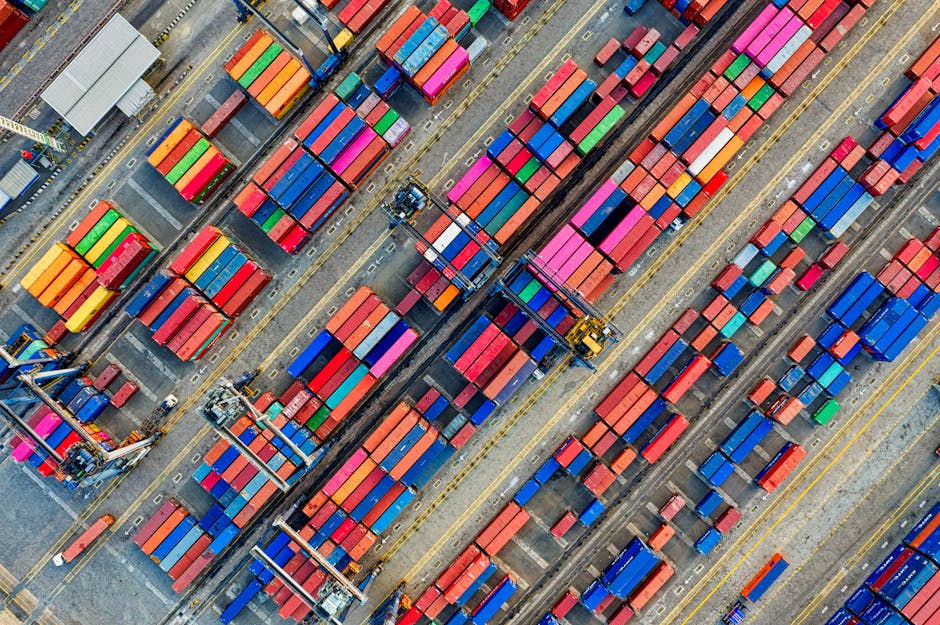
DFW Depot Operations in Action
Suppose you’re a DFW-based reseller needing 40ft high cubes sourced from Europe. Many competitors must wait for units to clear Houston, then truck them 4–6 hours north—losing valuable time and money. Our pipeline bypasses this with direct arrival to local yards, sometimes enabling next-day availability. Bulk buyers in construction or ag get similar advantages: staggered, project-based delivery from the depot puts you in control, not at the mercy of upstream congestion or questionable grading.
For clients needing reefer containers for cold supply chains, our depots can align with expansion efforts at the Port of Fort Worth and provide access to gensets for temperature-critical storage. For an overview of specialized container sourcing in cold weather, check out our winter reefer sourcing playbook.
Data Snapshot: DFW’s Intermodal Powerhouses & Their Impact
| Facility | Annual Containers | Key Features | Benefit to Buyers |
|---|---|---|---|
| BNSF Alliance | 1M+ | 8,500 parking, GPS cranes, 3,900 daily peak | Slashes drayage distances, enhances speed |
| UP Southern Dallas | 365K | 360 acres, advanced tech upgrades | Seamless rail-truck moves, improved reliability |
| Port of Fort Worth (targeted) | Up to 600K | AI gates, IoT tracking, round-the-clock access | Minimal gate delays, maximized throughput |
How Lummid Backs DFW Container Buyers
Our position as a wholesaler, not a broker, matters. We ship direct from Asia and Europe into our nationwide depot network—including optimized DFW locations—stocking the sizes and configurations (20’, 40’, 40HC, 45’, reefers, chassis, Tricons, QuadCons) that resellers and bulk buyers demand most.
With transparent inventory, consistent grading, and bonded storage in key Texas yards, you can fulfill orders quickly for your customers, minimize site downtime, and stay a step ahead in bidding for regional projects. If you’re comparing container supply models or cost structures across Texas, you may also find our guide to 2026 container costs for resellers helpful for end-to-end budgeting.

What to Ask Before Making Your Next DFW Container Purchase
- How close is the supplier’s depot to major intermodal rail gateways? Lower drayage means faster release and lower freight costs.
- Does the supplier provide real-time stock visibility and flexible pickup appointments?
- Are storage options able to flex with your needs—spanning from immediate release to multi-week holds?
- Is there transparent grading, and can you verify that all units meet cargo-worthy specs?
- Can the depots support specialized equipment like reefers, chassis, or military-grade boxes?
These aren’t theoretical considerations—they drive your actual cost and service outcomes in DFW’s competitive logistics environment.
Final Thoughts: Turning DFW Lead Time Into Your Competitive Edge
Bidding in this market goes beyond price per box. Time, truck miles, and customer reliability are now just as important for Texas buyers at any scale. With supply always in flux and project deadlines only getting tighter, the difference between winning and missing out often comes down to whose depot strategy is better aligned with real-world conditions. That’s why Lummid invests in every aspect of depot placement, stock management, and local expertise for Dallas–Fort Worth.
If you need a real partner—not just a vendor—to help you seize lead time advantages, reach out to us or browse Lummid’s container supply options for Dallas–Fort Worth. Together, we’re ready to help you move at the speed of business.