If you’re based in Austin or Central Texas and responsible for sourcing shipping containers in bulk, you’ve probably noticed something: trucking fees can make or break your margin. At Lummid, we deal with this issue head-on every week. Successfully lowering these costs is less about hunting for the cheapest single container, and more about getting serious with your sourcing strategy, understanding the local container flow, and structuring your wholesale programs for real efficiency. We bring you a hands-on, regionally relevant guide focused on what works specifically in Central Texas—no fluff.

Understanding Why Trucking Eats Your Margin in Central Texas
- Equipment cost is only part of your “landed” price—the rest is trucking, handling, and extras like wait time or special equipment.
- Expect trucking and accessorials to account for 20–40% of the total price of each container when buying in bulk in the Austin corridor.
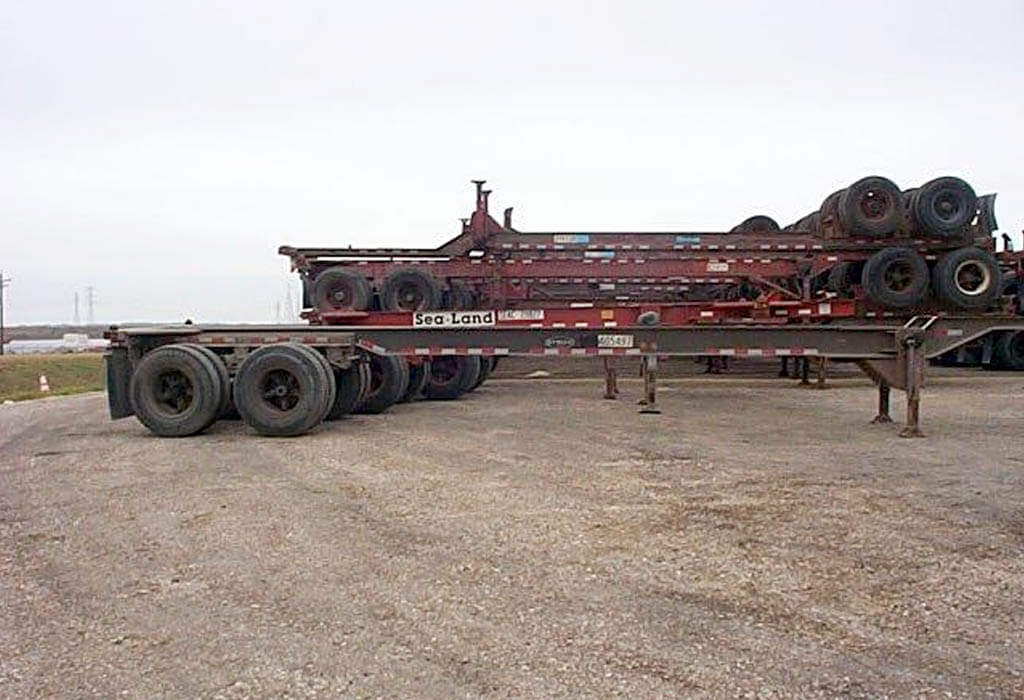
Moving one 40ft container 200 miles inland from Houston or Dallas? That’s hundreds in drayage per box and scales up fast. Being smart about staging, timing, and delivery clusters is essential.
Mapping Central Texas Depot & Container Supply Flows
- Houston: The state’s main port for new import containers, key for large batch moves.
- DFW: Major intermodal hub, often with more availability of used/retired containers.
- Regional depots: Austin, San Antonio, Temple, Waco, and local yards can offer significant savings if supplies align with your needs.
Here’s why it matters: The farther your container travels on a truck, the more you pay. Sourcing from the closest viable depot can cut $150–400 per unit versus cross-state hauls. Whenever possible, ask suppliers to confirm the actual depot location before you commit.
Choosing a Wholesale Sourcing Model That Works Here
Direct-from-Port Batches
- Best if you’re taking 40+ units at once and can accept in a tight window (for example, a new yard launch).
- Downside: higher risk of congestion on your land, more coordination required, less flexibility if your schedule changes.
Depot-Based Pulls
- Great for ongoing buyers pulling 5–20 containers per week or month for local deliveries.
- Lets you stage inventory near job sites, reduce congestion, and batch trucking for better rates.
Wholesale Contracts vs. Retail Buys
- Lummid is focused on wholesale buyers, not just retail customers looking for a single box. That means negotiated contract rates, scheduled supply, and volume-based trucking discounts become accessible as your demand grows.
Smart Steps to Lower Your Trucking Fees
1. Batch Deliveries
- Try to schedule a minimum of 4–6 containers per delivery run even at lower volumes. This keeps the per-unit cost down. For bigger projects or programmatic supply, plan waves of 10–20 units and see savings grow.
- Grouping loads is especially powerful if you have multiple site drops in the same zone.
2. Use the Closest Depot
- Our team stages inventory in Houston, Dallas, and sometimes smaller Central Texas yards. This alone can save hundreds per delivery versus sourcing exclusively from distant ports.
- Ask for lane-based quotes (Houston-to-North Austin, DFW-to-Waco/Temple, etc.) instead of generic “delivered” pricing.
3. Match the Right Container Mix
- Pick units that fit your application without requiring costly repositioning or extra delivery stops. Standardize your orders where possible: 20s, 40s, 45s, or specialty sizes like high cubes and open tops.
- Combine equipment types when possible—reefers and gensets, dry with chassis, or specialty containers in the same batch—to avoid partial trips.
4. Prepare Your Delivery Sites
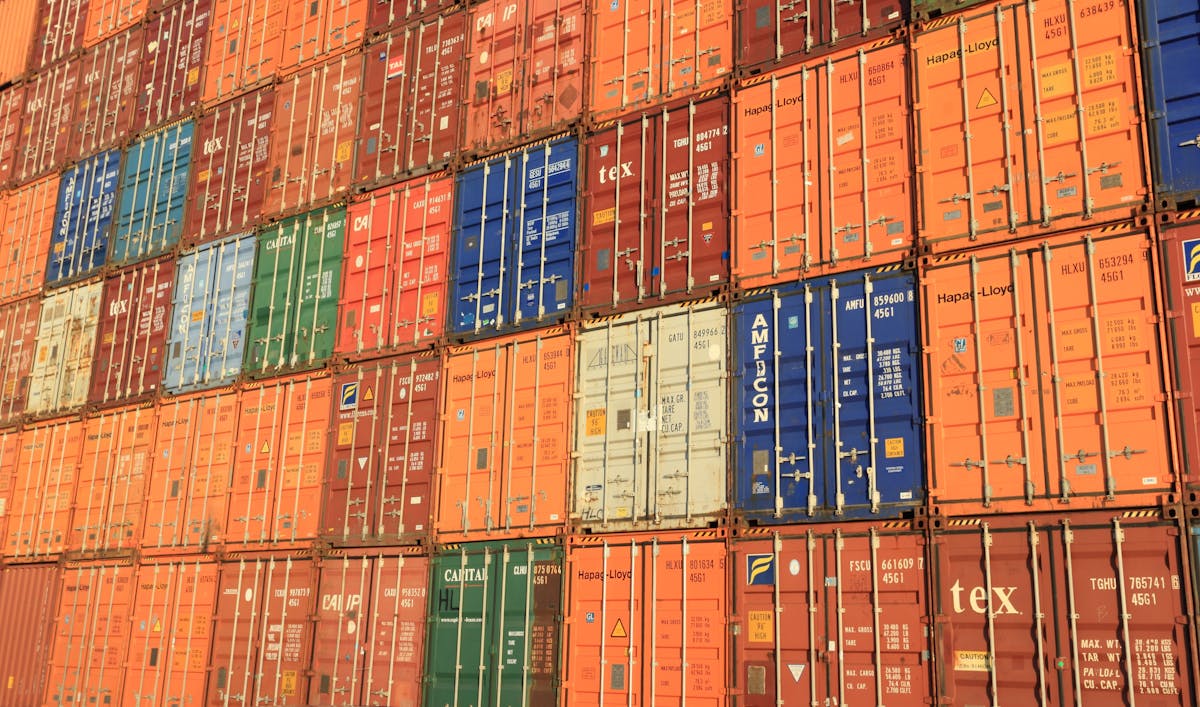
- Detention charges add up fast. Make sure you have a hard, level surface, documented drop zones, and wide access for 40–53ft trailers.
- Provide clear photos or diagrams to your supplier before delivery. This minimizes redelivery risk and avoids special equipment fees.
5. Schedule Outside Austin Traffic Windows
- Avoid rush hour. Early morning or midday is typically optimal for Central Texas drop-offs.
- If you have flexibility, offer wider delivery windows—this can often get you better quotes from trucking partners.
How to Structure a Programmatic Supply Plan in Austin & Central Texas
Start by Defining Your Volume Pattern
- Break down your container needs by quarter. Are you heaviest in Q2–Q3 (construction season) or Q4 (storage ramp-up)?
- What is your mix between new one-trip, used cargo worthy, and specialty grades?
- How many drop locations do you serve within 50, 100, or 200 miles?
Looping in your supplier with this information upfront lets us pre-stage containers, hold trucking slots, and negotiate volume-based discounts for you.
Align Container Types With Your Customer Base
- If you serve construction, agriculture, or energy, standard used containers in 20ft and 40ft sizes will likely make up the bulk of your needs. Don’t forget specialty office or high-cube units if your downstream customers demand them.
- We stock a wide array, including specialty containers and military-grade boxes, for those seeking something beyond standard stock.
Staggered Releases for Project Efficiency
- Avoid the headache of 40 containers arriving at once. Instead, set up blanket POs with scheduled releases—smaller clusters delivered every few weeks, precisely when you need them on job sites.
- This keeps conditions on your property safer and storage costs lower while letting you scale with your project’s real timeline.
Negotiating Wholesale & Lane-Based Trucking Terms
- When sourcing through Lummid, ask for detailed trucking quotes by specific lanes—not just the default port-to-yard run. It’s often possible to lock in lane rates for 30–90 days, bringing price predictability to your bids.
- Share site addresses, access maps, and door orientation instructions early for seamless handoff, no matter where your drops happen across Central Texas.
- If your business spans multiple Texas regions or is scaling outside the state, look into a single, unified supply contract. You can streamline account management and unlock better rates across your entire territory.
Real Scenarios and What Works
Austin Reseller Launching a Yard
- Order an initial 20 units as two batches of 10 from Houston depot. This splits the trucking load, makes site management easier, and beats piecemeal ordering for cost per box.
- Once established, maintain a standing supply (for example, release 5 units every four weeks) for predictable inventory and low delivery costs.
Central Texas Contractor Managing Multi-Site Projects
- Structure a six-month PO for 40 units, with coordinated releases to clusters around Austin, San Marcos, Temple, and San Antonio.
- Consolidate trucking to each zone, reducing time and cost versus multiple scattered deliveries.
Equipment Rental Company Scaling Beyond Austin
- Leverage one contract for 150+ containers across Texas and neighboring regions.
- Standardize on your preferred models, negotiate a consistent pricing grid, and let us manage depot inventory to keep your job sites supplied at the lowest landed cost.
If you want more playbooks and strategies like these, our blog How to Slash Drayage Surprises in Q1 is a must-read.
What Sets Our Approach Apart for Central Texas
- Direct import pipeline from Asia and Europe, supported by leading logistics partners for fast, reliable inflows.
- True wholesale focus: We aren’t your “one-off, retail” box seller. We’re built for regular bulk and large order supply.
- Extensive depot network: We can stage inventory in key Texas markets and beyond to streamline your supply chain.
- Broad product range: From dry and high cube containers to reefers and gensets, plus chassis and specialty options for virtually any bulk application.
Turn Trucking Costs into Your Competitive Edge—Not a Liability
- Map your buying pattern by size, destination, and frequency.
- Identify which depots and trucking lanes make the most sense for your operation—not just for today, but for the year ahead.
- Connect with us at Lummid to discuss your projects, preferred mix, and delivery windows.
- Let’s structure a supply and delivery plan that prioritizes efficiency—so you keep margin strong no matter how volatile fuel and freight conditions get.
If you’re determined to optimize your container supply in Austin and Central Texas, our team is ready to help craft a plan that fits your unique volume, project schedule, and site realities. Get more market tips, delivery playbooks, or connect directly with our logistics experts at Lummid Containers.