
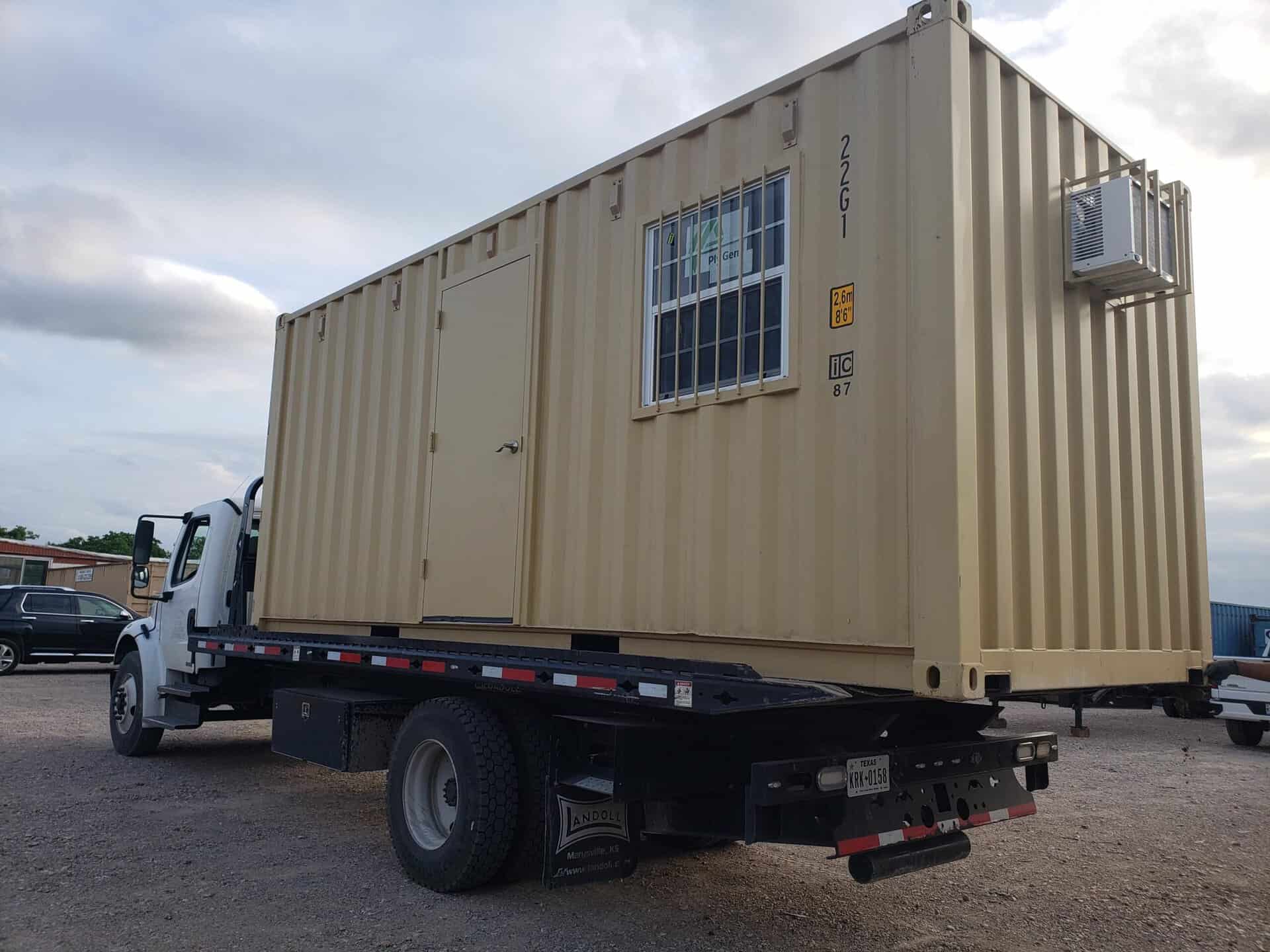
Q1 is the season where small mistakes in drayage planning can erode weeks of hard-won margin for container resellers and traders. The spike in volume around Chinese New Year, compressed driver capacity, appointment chaos at congested hubs, and last-minute fees mean dray costs are one of the few truly unpredictable line items—unless you have a plan. At Lummid Containers, we’ve spent years helping resellers, depots, and wholesale buyers across the U.S. avoid these budget busters. Below is our deeply practical, no-fluff playbook for tackling Q1 drayage challenges head-on, so your container resales don’t turn into a surprise write-down.
Why Drayage Surprises Hit Hardest in Q1
Q1 dray costs aren’t just a market function. They’re driven by a combination of predictable and volatile forces, which include:
- Pre–Chinese New Year import surges: Ports in Los Angeles/Long Beach, Houston, and Savannah see spiking demand as inventory is moved before holiday closures in Asia. This strains appointment slots and chassis pools.
- Driver and trucking capacity issues: Owner-operator exits and regional shortages often collapse available local capacity just as your sales ramp up after January 1.
- Major inland hub slowdowns: Chicago-area ramps and other distribution clusters create dwell risk, leading to higher detention and rising per diem costs.
- Chassis bottlenecks and labor risk: New state contractor regulations or localized labor disruptions can make appointment reliability even harder to predict.
Without firm control, it’s not uncommon for a so-called stable lane to blow out with $3,000–$7,000 in lost margin over a single week, or for “slam dunk” deliveries to become last-minute headaches that burn customer trust.

Step 1: Build a Lane-Specific Drayage Risk Map
You can’t fix what you don’t track. Before Q1 hits, export and review 12 months of dray invoices. Focus on your top ports and highest-volume city pairs, noting:
- Origin port or ramp and delivery ZIP
- Base dray rates, fuel surcharges, and all accessorials (wait time, yard pulls, flips)
- Average and actual free time
- Total detention, demurrage, and per diem paid
Then quantify for each lane:
- Average dray cost per box
- Volatility (standard deviation)
- Share of loads with at least one accessorial
Flag lanes with high Q1 variability or spikes in charges. Pay special notice to move patterns such as:
- Los Angeles/Long Beach through Inland Empire in February
- Chicago ramp congestion post-holidays
- Any lane showing >20% cost swing or lots of detention during Q1
This simple exercise will tell you where to focus first—no need to overhaul every process company-wide.
For more detailed help segmenting lanes by risk, see our guide: Container Yard Management KPIs: The Metrics Resellers Should Track Before Peak Holiday Season.
Step 2: Pre-Book Core Drayage Capacity and Appointment Windows
Q1 is not the time to bet on last-minute spot drayage. Instead, we recommend:
- Pre-committing at least 60–80% of your weekly volume to 1–3 trusted dray partners for top five origins and highest-frequency delivery ZIPs.
- Securing recurring terminal or depot appointment windows (for instance, daily blocks of 8–10 pickups Monday to Friday) before the end of December.
- Negotiating clarifying rate brackets—fixed for up to 20 miles, then clear, published increments to 100 miles, with pre-agreed premiums for odd-hour or weekend pulls.
- Carving out contingency margin for lower-frequency lanes: For drays under 15 boxes per month, keep on spot but add a real 20–30% buffer to your Q1 selling prices.
This allows you to avoid costly scramble pricing and positions you first-in-line for the most reliable slots—especially valuable when supply chains are jittery after the new year.
Step 3: Create a Transparent, Data-Driven Drayage Quote Framework
Transparency (for you and the customer) prevents margin erosion when accessorials are invoiced post-fact. Here’s how to build predictability into every Q1 deal:
- Break the offer into: container cost (FOB depot or port), base dray estimate, Q1-specific volatility buffer, and margin.
- Use a simple formula per lane:
Q1 Dray Quote = Average Last Year Q1 Dray + (0.75 × Std Dev) + Known New Fees - Segment your quote card into logical brackets (0–25 miles, 26–50, 51–100, 100+ by lane).
- Revise this rate card every December based on current realities—not last summer’s rates.
- Bake clear assumptions into every quote for detention (length of included free time, per-hour charges), and chassis fees, to avoid angry disputes later.
Being up front with these numbers keeps everyone aligned—and makes the spike in February less shocking for customers who see that logic in black and white. For related best practices on pricing, see our blog: Q4–Q1 Wholesale Container Pricing Benchmarks: One-Trip vs. Used, Drayage Included.
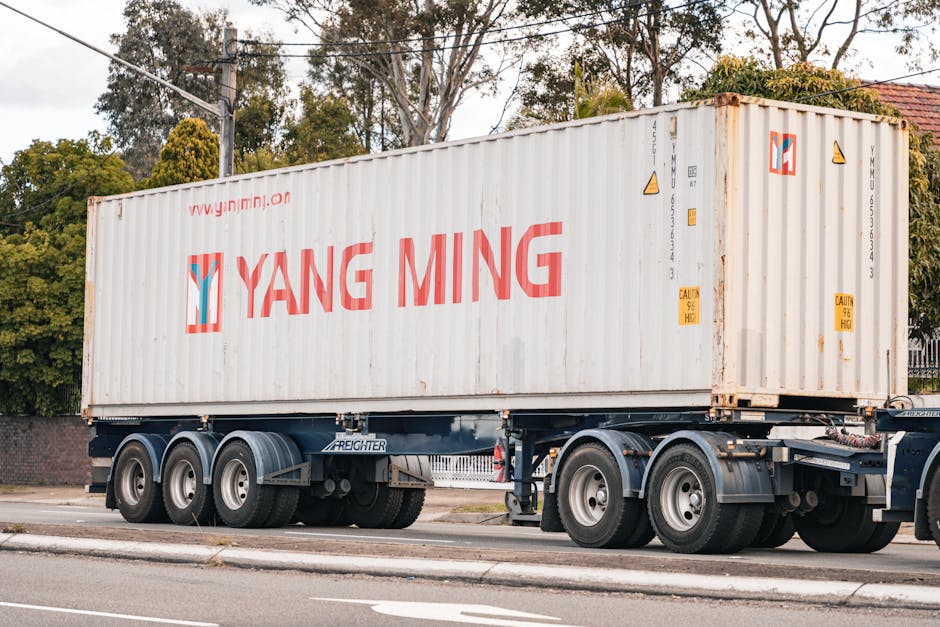
Step 4: Optimize Routing and Mode to Reduce Exposure
Sometimes the best cost controls are achieved by simply choosing a better path. In Q1, we often:
- Test multiple port or inland entry options: Compare not only per-mile base rates, but also on-time reliability and historical accessorials. If delivery costs from Houston spike each February, see if repositioning into Dallas or a nearby ramp yields better overall outcomes.
- Blend port dray with intermodal for interior deliveries: Instead of direct, long-haul dray from coastal ports, rail bulk quantities into the closest major inland hub, then do short drays (<50 miles) for final mile. This hedges against port congestion and volatile long-haul rates.
Keep detailed records of the results across Jan–Mar, then shift your depot allocation and import flows accordingly for future years.
For more ideas on using flexible sourcing strategies to hedge your Q1 risk, we recently published this guide on container sourcing from Europe and lead times.
Step 5: Get Operational Discipline—Scheduling, Yard, and Data
Surprisingly, many last-minute drayage problems are self-inflicted by messy processes at the yard. Here’s how we tackle this with our partners:
- Monitor booking lead times. We target at least 48–72 hours advance notice for all non-urgent moves in Q1, keeping “fire drill” moves below 10% of loads.
- Pre-stage inventory at strategic depots. If you have a known big buyer in February, get stock to the nearest depot in December—when rates and appointment slots are more available.
- Assign container locations and pickup slots before carrier arrival. Every 15 minutes wasted hunting for a box during peak periods is a paid hour of detention you could have prevented.
- Maintain a simple weekly drayage dashboard: units moved, average cost, accessorials as share of spend, and on-time rates. Trigger deep dives if accessorials exceed 10% or if on-time pickup rates slip.
For more detailed advice on yard management, check our recent post: Container Depot Management: Fall 2025 Playbook for Faster Turnaround and Lower Drayage.

How Lummid Containers Minimizes Q1 Drayage Surprises for Resellers
As a container wholesaler with a diverse network of U.S. depots and one-trip import flows, we’re built to help resellers reduce dray miles, avoid post-delivery rejections, and pivot fast when Q1 volatility strikes. Specifically, we enable our partners to:
- Source ISO containers close to their end-market, often keeping most Q1 drays below 75 miles—critical when time slots or driver pools are constricted.
- Stage and reposition inventory regionally by need. Our national footprint adds flexibility for large drop-offs or quick-turn projects.
- Work with consistent, transparent grading for one-trip and used units, avoiding costly “double dray” rejections from unclear or sub-standard specs.
- Access specialty, military, and modified containers for projects with unique deployment requirements.
- Coordinate delivery timing and depot choice with us directly, locking in dray capacity at the source instead of chancing the spot market in February crunch periods.
If you’re planning major Q1 container buys, we recommend reaching out before the rush. Whether you’re looking for specific units, container modifications, or regional staging advice, we take a practical, data-driven (not salesy) approach to wholesale partnership. Find out more about our story and approach at Lummid About Us.
30-Day Action Checklist: Get Your Q1 Drayage Under Control
- Week 1: Analyze — Export last year’s drayage data and tag risk lanes by cost, volatility, and frequency of accessorials.
- Week 2: Design — Build your updated Q1 quote card and set distance/cost brackets. Train your team on new rules around detentions and included services.
- Week 3: Secure — Commit weekly capacity and make January/February appointments with core dray carriers. Confirm strategic depot plans with your container supplier.
- Week 4: Execute — Pre-stage high-priority units, roll out your new dashboard, and monitor volumes/costs in real time. Be prepared to tweak plans after the first tight week.
Final Thoughts: Margin is Made in the Prep Work
Seasonal drayage surprises can feel inevitable, but most are avoidable with smart prep and operational discipline. The key is personal: monitor your own data, zero-in on risk lanes, and build relationships and contracts ahead of the Q1 storm. If you’re ready to slash your Q1 drayage volatility and need a partner who gets the wholesale container business inside-out, connect with us at Lummid. Our team is ready to help you plan, stage, and execute for a more predictable and profitable year ahead.