
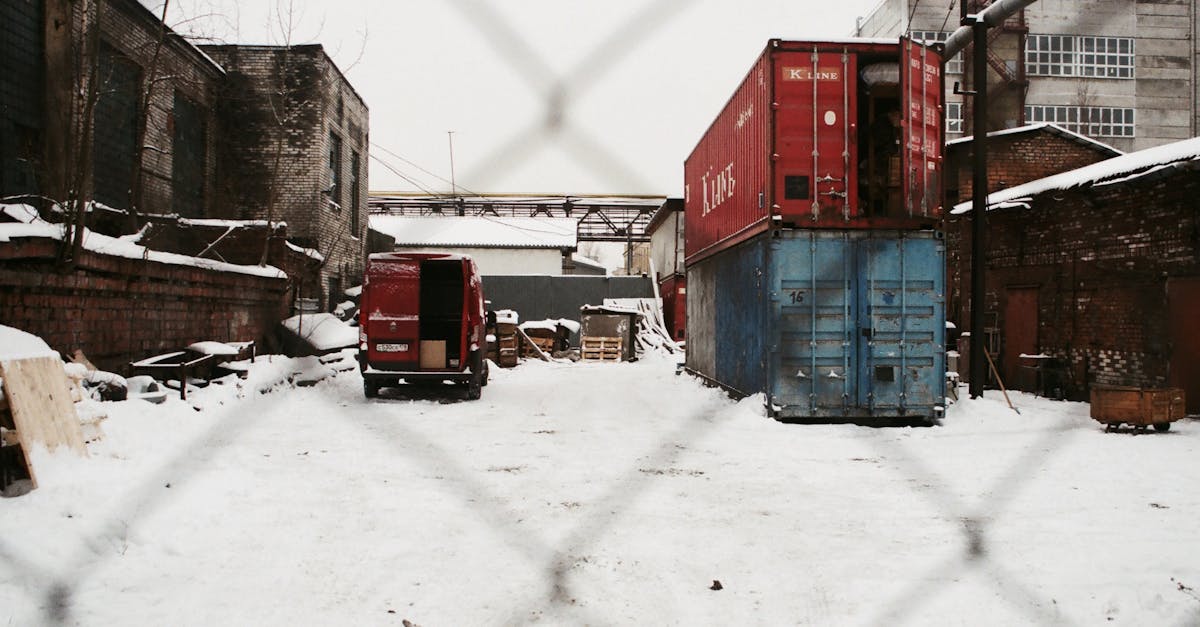
Winter in the U.S. can change everything in a container yard, turning routine operations into a race against freezing conditions. At Lummid, we prepare our nationwide network to keep turn times short, especially for resellers and bulk buyers who can’t afford operational delays in January. Our experience moving thousands of ISO containers, from Asia and Europe into the U.S., has given us a front-row seat to what truly makes a yard resilient against snow, ice, and subzero temps. Below, we dive deep into strategies that have proven their worth at our own depots.
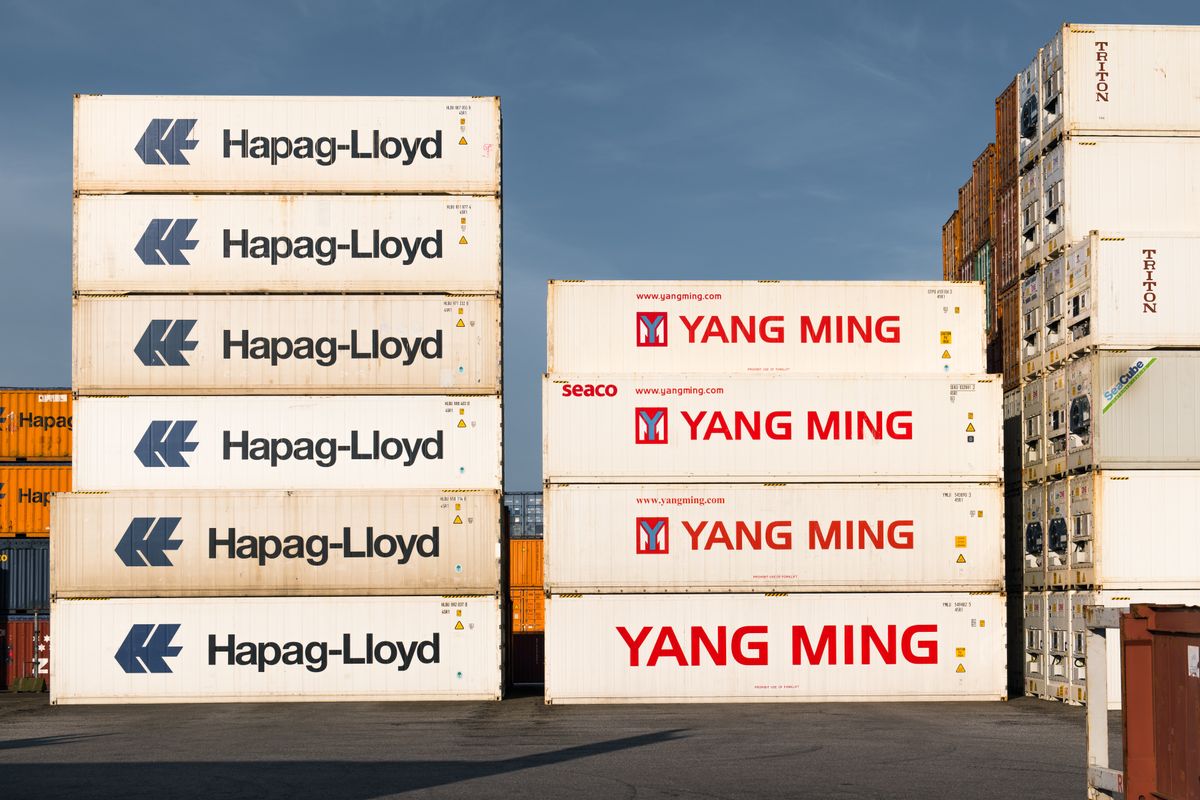
Why Turn Times Spike in January (and Why It Matters)
Markets like Chicago, Dallas, and Atlanta can see 15–25 freezing days each January, while snow buildup in the Midwest often reaches a foot or more. For depot operators, resellers, and large end-users—think construction or logistics companies—these extremes have a direct impact: longer trucking waits, erratic supply, and more equipment stuck in the yard. Poor prep doesn’t just mean slower turns. It also degrades container conditions (frozen door rods, jammed twist-locks), increases grading headaches, and sometimes puts staff safety at risk. That’s why getting ready before the first big freeze isn’t just maintenance—it’s business continuity.
9 Targeted Fixes to Cut Winter Turn Times
The following are fixes we’ve used across Lummid depots, all grounded in hands-on logistics and tailored for the needs of the U.S. wholesale and bulk-buying market.
1. Elevate Containers to Prevent Frost Heave
When the ground freezes, soil can shift and push containers up, leading to alignment headaches when stacking or picking up units—sometimes adding 20–40 minutes per move. We prevent this by using 4×4-inch concrete blocks or pot feet beneath each corner of 20ft and 40ft containers. This method lifts the units 4–6 inches off the ground for improved drainage and reduces the risk of frost heave by a significant margin. For high-cube reefers, stable, extendable chassis are ideal bases, especially when future accessibility is critical.
2. Insulate and Lubricate Door Hardware
Frozen locks and rods can derail inspections and pickup schedules by 10–15 minutes per box. We line doors with bubble wrap (2–3 layers, 1/2-inch thick) before stacking, creating a flexible buffer where ice tends to form. Silicone spray goes a long way on rods, applied weekly to keep freeze-ups at bay while avoiding build-up. This is essential for specialty units—like Hazmat military spec or bulk-order containers—where every second during turnarounds counts.
3. Anti-Ice Treatment for Chassis and Mechanisms
Chassis (gooseneck or tri-axle) accumulate ice and snow quickly, leading to locked twist locks and loading delays. Our teams use a magnesium chloride/water solution (50/50 mix) sprayed weekly. Unlike rock salt, it works reliably below zero and is less corrosive. Heated lubricant on twist locks, such as Liquid Wrench, brings release times down to seconds, especially for high-turn units and oversized stock.
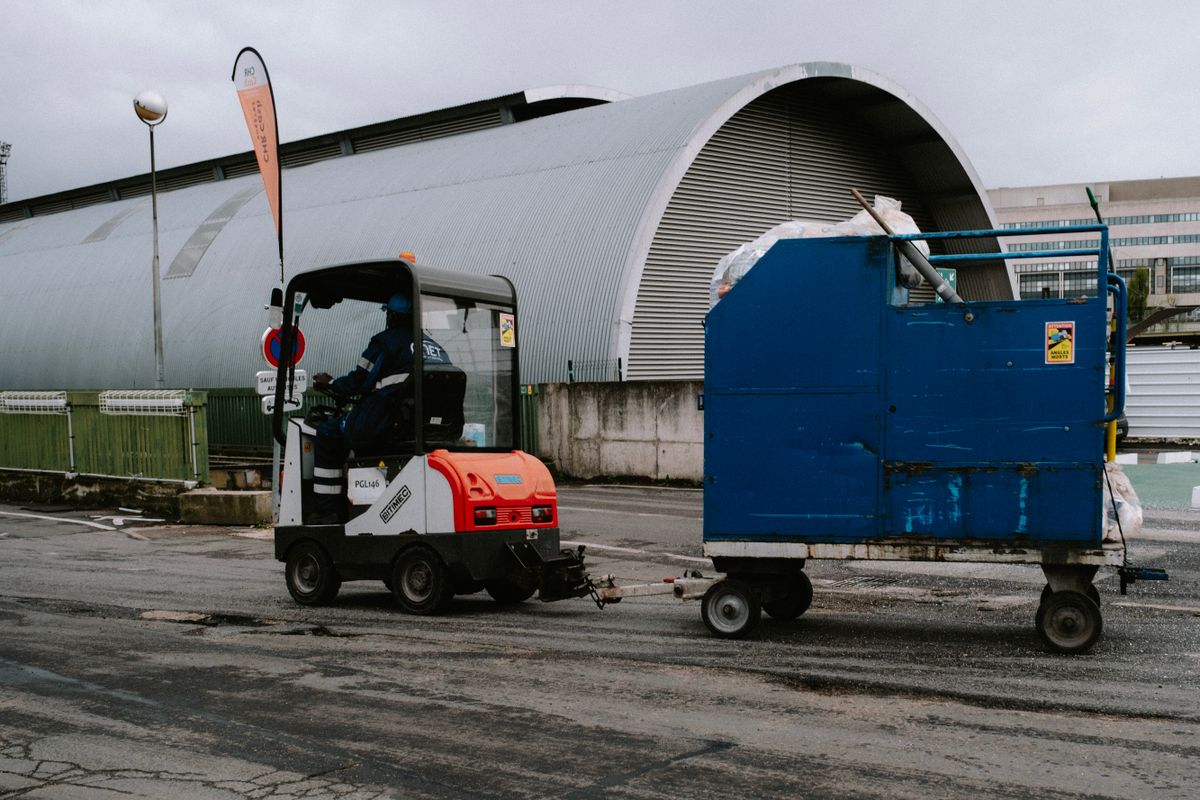
4. Construct Wind Breaks Using Larger Containers
Wind chill directly intensifies icing, especially on open tops, flat racks, and smaller stock vulnerable to the elements. We use our 45ft or 53ft containers as wind barriers, ringing smaller stacks or specialty units to trap warmth within the core of the yard. Adding quick-deploy plywood shields or tarps, secured with ratchet straps, further buffers vulnerable areas, helping to maintain safer, more workable microclimates where activity peaks.
5. Mulch Around Container Bases for Soil Protection
Once the ground freezes, movement, mud, and pooling water create hazardous footing for both personnel and machines. Four inches of shredded bark or gravel mulch applied around container bases keep soil up to 10°F warmer. This insulation is crucial whether you operate a gravel yard or store specialty nested sets (like duocon or modular units). It also reduces post-thaw slick mud, supporting safer crane and forklift access.
6. Improve Yard Drainage for Consistent Access
Yard water that freezes overnight can ‘trap’ units and block genset clip-ons (or underslung units), sometimes wasting almost an hour during morning starts. We dig 6-inch gravel-filled drainage channels sloped at 1 percent away from storage areas and elevate reefer and standard stock on timber runners. This prevents both puddling and ice-layer formation, particularly critical in regions suffering multiple freeze-thaw cycles in January.
7. Heated Covers for High-Value and Sensitive Units
Applying heated tarps (drawing 500W per unit) to crucial stock such as refrigerated containers and gensets pays off in reduced manual defrosting and faster daily inspections. When used in clusters (usually four at a time), these covers preserve readiness for bulk buyers counting on temperature-sensitive deliveries—minimizing delays by keeping locks, doors, and connection points ready for use.
8. Rigorous Daily Snow and Ice Clearing
Few things cause stacking and loading errors like layers of ice and snow in aisles. Assigning small shovel teams at dawn, using plastic tools (which won’t scratch paint or steel), is a simple investment that prevents slips, reduces bottlenecks, and makes grading much more reliable. Our approach: two-person crews per 50 units, prioritizing aisles and high-traffic touchpoints first for safety and efficiency.
9. Emergency De-Icer Stockpiles and Training
Ice jams tend to surprise unprepared teams, sometimes halting nearly half of intended January turns. We keep eco-friendly calcium magnesium acetate de-icers—effective at very low temperatures—filled at yard gateways. All ground crews are trained in fast-response protocols (short torch heating of locks, followed by de-icing) with regular 15-minute drills. Consistency here keeps kicks yards running even when frost risk is highest.

Results You Can Trust: Lessons from Our Chicago Depot
This isn’t theory. Last January, implementing the above fixes cut our Chicago depot’s average turn time for 40ft boxes from 58 down to 29 minutes, even through a historic 10-day cold snap. Our reseller buyers reported 35% faster reloads of one-way units arriving from Europe, allowing their drivers to beat the delays and get containers back to active clients—critical for anyone managing time-sensitive supply contracts.
If you want to go even deeper into optimizing depot operations for speed and reliability, check our guide on Container Yard Management KPIs or see best practices for managing depot coverage and bundled drayage.
Final Thoughts—Stay Winter-Ready with Lummid
Every one of these strategies is designed to keep resale and end-user operations running smooth, even in the toughest weather. By combining practical yard design, equipment prep, and team training, we help our partners avoid the chaos that winter often brings to container logistics. At Lummid, our goal goes beyond simply selling containers: We want to be the source you turn to for expert-driven, field-tested guidance that actually makes your job easier. For wholesale-ready ISO boxes, chassis, and specialty units—prepped for whatever winter throws at you—get in touch with our team. Explore Lummid’s full winter-ready container network here and see what a difference a well-prepped yard can make.