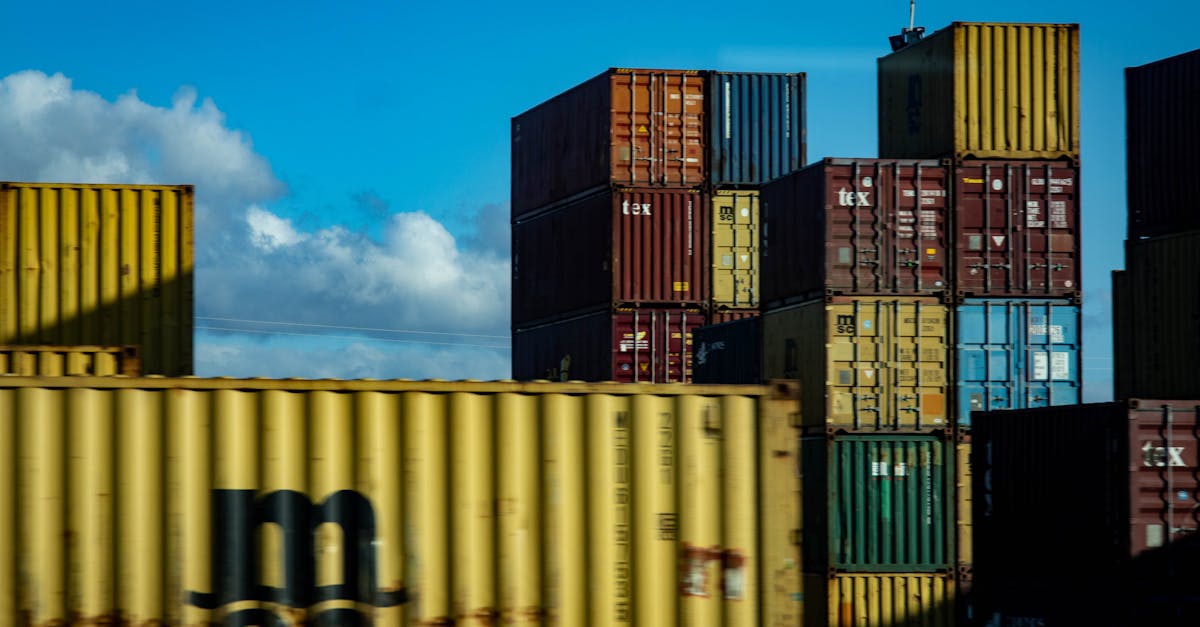
If you’re in the business of buying wholesale containers in bulk—whether you’re a reseller, depot operator, or part of a large-scale logistics or construction team—sourcing from Europe might seem complicated, especially as 2025 brings unique port challenges and shifting rates. At Lummid Containers, we understand just how vital predictability, quality, and price certainty are to our U.S. customers. In this guide, we’ll break down the real-world realities of container sourcing from Europe, highlight pricing and lead time trends, and walk you through how our one-way import pipeline works to deliver reliability, speed, and value at scale.
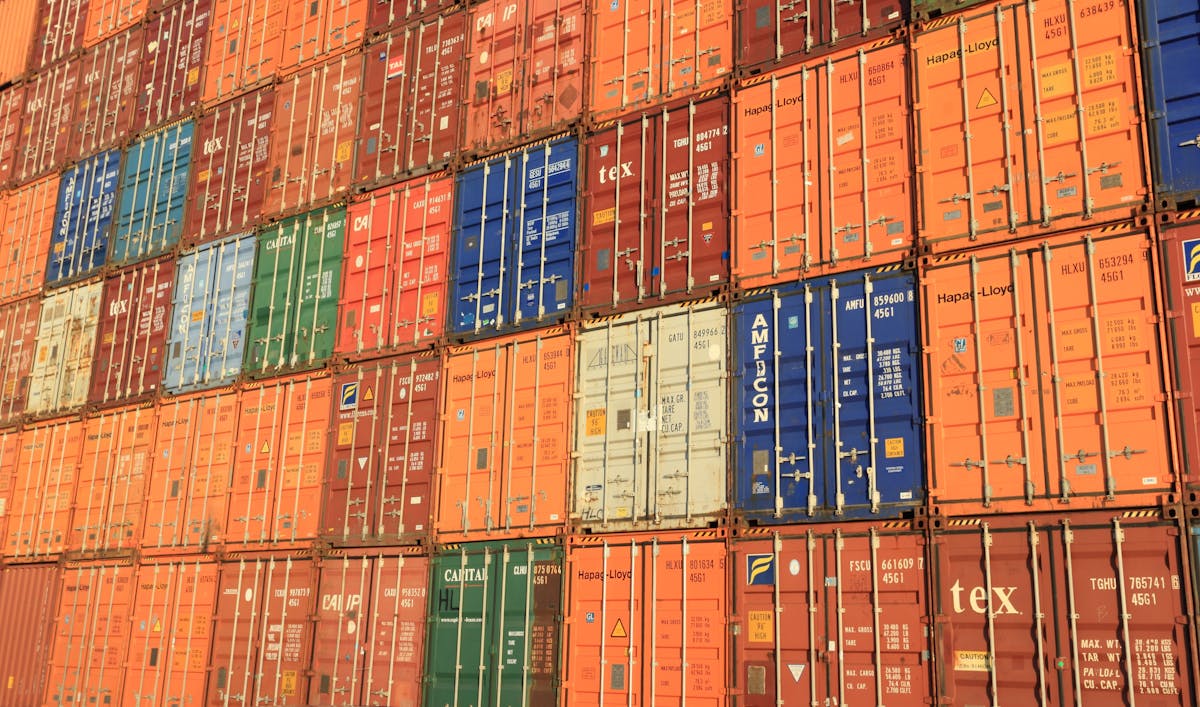
Understanding the Realities: Europe’s Key Container Sourcing Challenges in 2025
European ports like Rotterdam, Antwerp, and Hamburg remain powerhouses for global trade, but as we’ve seen through 2025, buyers can’t underestimate operational hurdles. From increased berth waiting times caused by labor shortages and port infrastructure stressors to periodic strike actions, even the savviest buyers must build extra slack into their supply chain plans.
- Delays are the new normal. Expect 48–72 additional hours of dwell at large ports like Rotterdam and Antwerp in peak months, sometimes longer if labor actions occur.
- Sourcing windows matter. For one-way containers, securing slots during heavy European export surges can require 3–4 weeks’ advance reservation to get space on vessels. Booking further out often helps shield from last-minute congestion or missed sailings.
- Port alternatives help de-risk buyers. Smaller ports like Felixstowe or Gdansk have stepped up—with delays of 10–40 hours typical, but less frequent than larger hub disruptions. Routing via these ports can save critical days in transit for some shipments.
To hedge against the risk of fluctuations, we recommend working with partners who can pre-book and pivot among origin depots, NVOCCs, and trade lanes as needed. Our own experience has shown that flexibility is non-negotiable for serious buyers.
Lead Times: What Should U.S. Buyers Actually Expect for Europe-U.S. Supply?
Global market shifts can upend traditional schedules. For Europe-sourced containers in 2025, realistic lead times include:
- Pre-booking/reservation: Plan at least 3–4 weeks ahead for new one-trip containers.
- Ocean transit: Typical sailings to U.S. East/Gulf Coast ports take between 35 and 45 days. Congestion or carrier scheduling shifts can push these figures higher.
- Customs and gate-out: Expect 7–14 days in addition to ocean time for customs clearance and delivery to depot—especially during seasonal peaks.
Putting it all together, you’re generally looking at a 6–10 week total cycle from booking in Europe to depot receipt in the U.S.
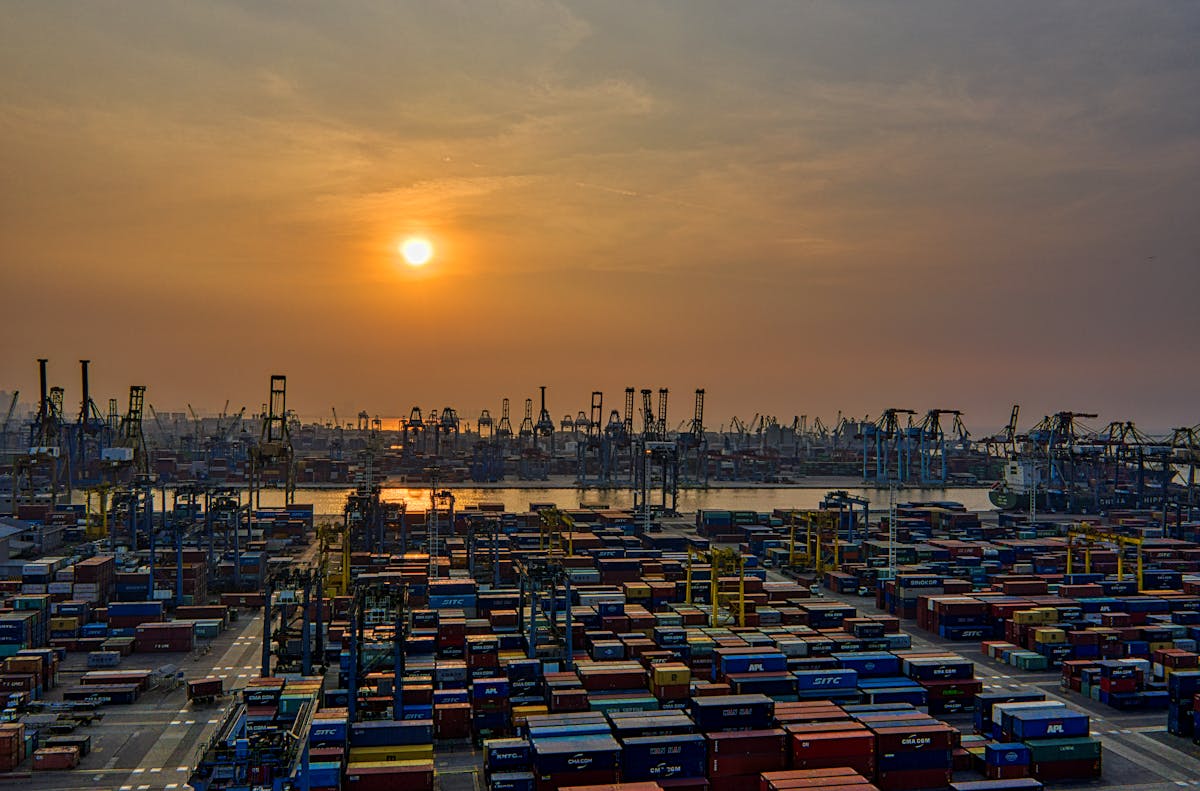
Wholesale Pricing for European Sourced Containers: 2025 Snapshot
Wholesale buyers don’t just care about the sticker price at port—they care about all-in, door-to-door landed costs. 2025 pricing is shaped both by macro trends (scarcity, Asia-Europe repositioning, fuel surcharges) and local origin factors:
| Container Type | FOB Europe Price | Est. Freight to U.S. | Total Landed in U.S. |
|---|---|---|---|
| 20’ Standard | $2,200–$2,800 | $1,200–$1,800 | $3,500–$4,700 |
| 40’ Standard | $3,200–$4,000 | $1,500–$2,200 | $4,800–$6,300 |
| 40’ High Cube | $3,500–$4,500 | $1,600–$2,500 | $5,200–$7,100 |
Keep in mind, market volatility means that prices can move by 10–15% within a single quarter, particularly during pre-peak repositioning or when ocean lines (like Maersk or MSC) adjust schedules due to cargo volume shifts. Early booking is key to managing these fluctuations and securing rates preliminarily, rather than waiting for last-minute surcharges.
For a deeper look at how one-trip and used container pricing benchmarks compare into late-year buying seasons, our Quarterly Pricing Benchmarks blog is a useful reference.
How the Lummid One-Way Pipeline Actually Works for Bulk Buyers
We’ve refined our sourcing pipeline over two decades, beginning with careful selection and moving through logistics all the way to depot handoff. Here’s how the cycle works for a typical European shipment:
- Selection and Grading: We work hands-on with our source partners to select high-quality one-trip containers from export-rich ports (Rotterdam, Hamburg, Antwerp). All grades are checked for cargo-worthy criteria and updated structural and door integrity.
- NVOCC and 3PL Pre-Booking: Using our priority lanes, we reserve slots 4–6 weeks before vessel cut-off—crucial for avoiding end-of-peak booking competition. When necessary, we use alternatives like Felixstowe or Gdansk to bypass main hub congestion.
- End-to-End Visibility: Shipments are tracked in real-time through every handoff, ensuring you can confidently schedule project delivery, site installs, and drayage bundles.
- U.S. Depot Integration: Upon arrival, containers move directly into our nationwide depot network. From here, units are ready for immediate resale, last-mile delivery, or customer pickup, minimizing on-terminal drayage and demurrage fees.
- Quality Assurance and Custom Mods: Every Lummid container is inspected for compliance (CSC plating, structural soundness, watertightness). For clients needing double doors, open sides, military-rated units, or specialty reefer/genset integration, we can arrange these configurations at select depots. Explore more about our specialty container lineup at Specialty Equipment Options.

This robust pipeline solves three main problems for resellers and end-users:
- Predictable inbound supply: By pre-booking and using alternate ports, we routinely move 500+ units monthly into the U.S. network even when Asian supply tightens.
- Lower last-mile costs: Nationwide entry depots reduce drayage expenses for customers searching for cost-control advantages.
- Quality you can specify: Each box is graded, inspected, and adaptable to the needs of high-volume or specialized end users. Learn about choosing the right certification and grading for your needs in our guide: Container Certification Explained.
Practical Tips for Buying from Europe: Maximize Value and Minimize Surprises
- Book early, communicate specs clearly. Getting optimal rates and selection means locking in 8 weeks ahead, specifying required certifications (cargo-worthy, wind/watertight), and alerting us to any custom needs (e.g., open sides, military-grade).
- Leverage depot storage strategically. Utilize our holding facilities to avoid demurrage at port—this is often cheaper and keeps projects nimble. Rates for storage generally run $8–$12/day per unit, depending on location and volume.
- Order pairing saves headaches. Bundling chassis or gensets—whether you need a tri-axle or Thermo King combo—streamlines logistics and often costs less than arranging separately. Review container specifications and available types to plan ahead.
- Government bids need compliance. For agencies or contractors, let us know early if you require TAA compliant or military-rated containers. Our selection includes units like Tricons and Hazmat-rated models. Learn more at Lummid Military Spec Options.
- Understand price drivers. All-in landed costs fluctuate due to seasonality, origin congestion, and container condition. Ask for updated pricing as market moves—our team is transparent about trends and can provide guidance on booking windows.
For bulk procurement and construction buyers, cross-referencing your lead times, container grades, and unique requirements makes a measurable difference. You can find a deeper dive into procurement best practices at Bulk ISO Container Procurement for Construction and Mining.
Final Thoughts
Sourcing containers from Europe is complex, but with the right approach and a proven pipeline, bulk buyers and resellers can secure supply stability and competitive pricing—even amid today’s volatility. We’re always working to keep things simple, transparent, and flexible for our partners so your supply chain can stay one step ahead.
If you want to explore direct import options, see sizing specs, or get a tailored quote for your next project, reach out to Lummid. We’re here to make sure your procurement cycle is as predictable and cost-effective as possible—whether sourcing from Europe or anywhere in the global container market.
See why global buyers trust Lummid as their wholesale container partner at lummid.com.