
For 2026, the timing of your container acquisition strategy is more critical than ever. If you are a wholesale buyer, reseller, or depot manager, the most effective way to ensure supply through the market’s tightest months is to open your reservation window well ahead of peak season. The optimal period for reserving depot stock for most standard container types is four to six weeks before delivery is required, with specialty and oversized equipment needing six to ten weeks or more. Waiting for demand to fully materialize before making reservations increases your risk of missing allocation, blocked depot access, and climbing inland costs, especially from July through October and heading into the pre-Chinese New Year surge.
This timeline has become non-negotiable because container availability, crew scheduling, and transport costs all respond to global volume surges in the U.S., Europe, and on Asia-origin lanes. As Lummid Containers has observed across its nationwide network, securing your core inventory before the late-summer ramp is the only way to guarantee consistent supply, protect margins, and preserve flexibility in depot stocking for multiple U.S. regions.
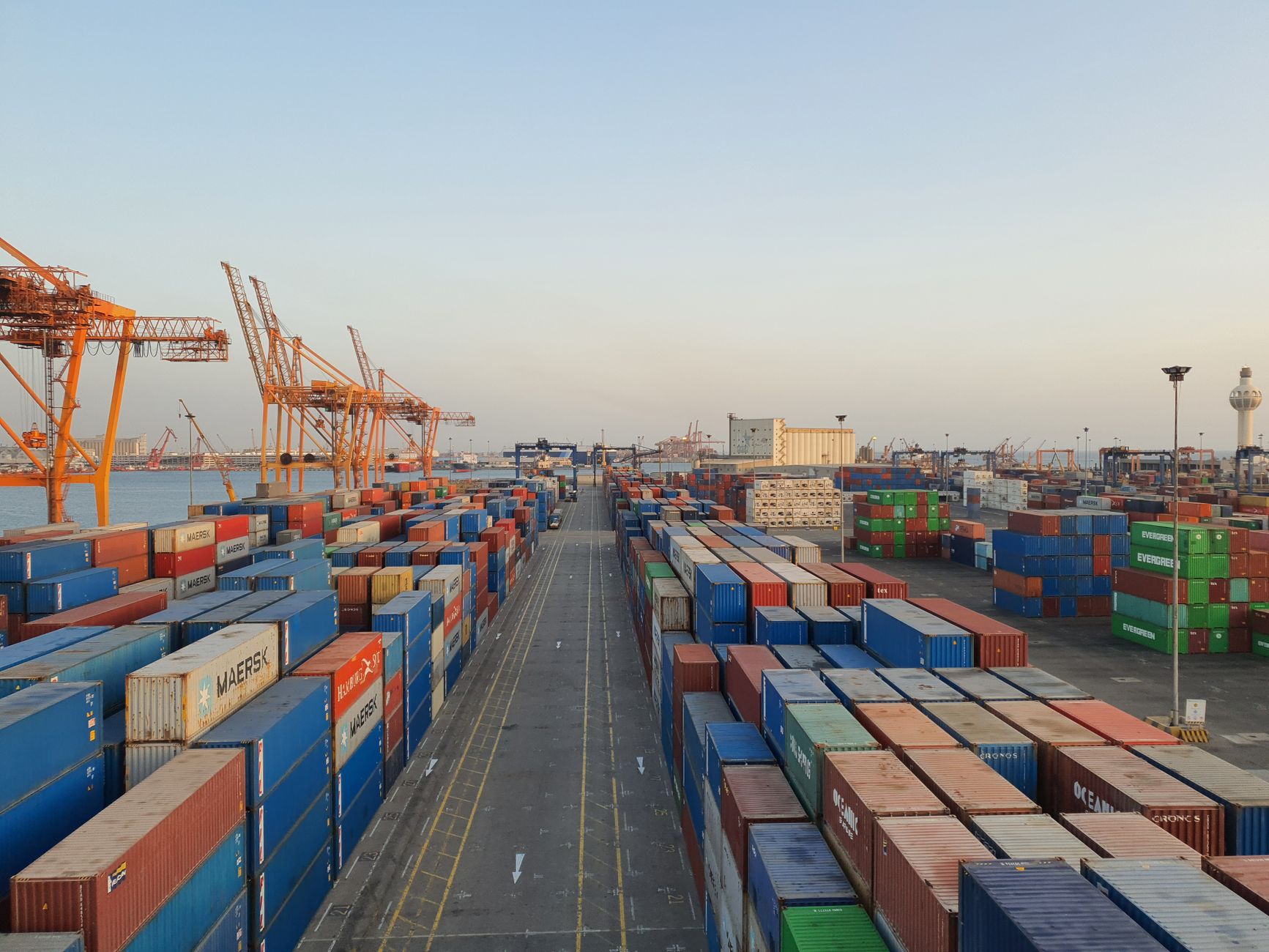
Definition: Peak Season Container Buying Calendar
A container buying calendar is a strategic framework that maps the optimal periods for reserving depot inventory based on anticipated global shipping demand cycles. For 2026, this calendar guides U.S. wholesale buyers and resellers on when to place orders for the key container types handled by Lummid Containers, adjusting for peak season congestion, port holidays, and market volatility to minimize risk and maximize availability.
2026 Peak Season: Why Early Booking Matters
Peak season in 2026 does not happen in a single burst. Instead, the cycle starts with summer’s demand build, intensifies from August to October, and extends into the holiday and pre-Chinese New Year rush. Buyers who delay reservations into this window may experience:
- Rolled or canceled equipment bookings
- Depot stockouts in key U.S. locations
- Escalating inland trucking and repositioning costs
- Lower quality or mixed-graded inventory substitution
With Lummid Containers’ direct import pipeline from Asia and Europe and a vast depot network, early reservation enables buyers to avoid these pitfalls and secure best-in-class supply for core product SKUs and specialized needs.

2026 Container Buying Calendar: Periods and Recommendations
| Period | Market Conditions | Action for Buyers |
|---|---|---|
| March – June | Soft spot in most lanes—lower rates, available vessel space | Secure annual volume, set depot allocation, negotiate wholesale terms |
| July | Early demand ramp, carriers flag coming peak rates | Lock container counts, reserve for all summer and early-fall needs |
| August – October | Full peak season, highest congestion, depot shortages, risk of rolled bookings | Only buy from pre-confirmed allocation, verify alternate depots, add lead time for special equipment |
| Early October | China Golden Week (factory/logistics closures) | Advance-release Asia-origin orders before the holiday shutdown |
| November – December | Holiday-driven demand, start of pre-Chinese New Year inventory build | Reserve Q1 specialty units, pre-book high-volume regulars |
| January – Early February | Mini-peak leading to Chinese New Year (factories rush to ship) | Secure Asia-sourced units as early as possible for confirmed projects |
How Far Ahead Should You Reserve By Equipment Type?
Standard 20ft and 40ft Containers
Reserve four to six weeks before you need inventory on the ground in most U.S. markets. For late July through October deliveries, extend to six to eight weeks to guarantee uninterrupted supply. This guidance aligns with Lummid Containers’ core service for retailers and depot operators who backfill high-volume SKUs across multiple regions. View container options here.
High Cubes & Large-Volume Orders
If you require large runs or consistent condition and color, reserve six to eight weeks prior to delivery. Demand surges for high cubes can outpace standard boxes, so programmatic forward buys are essential.
Refrigerated Containers & Gensets
Reserve six to eight weeks ahead for reefers, generator sets, or paired solutions—particularly when matching a specific size, power setup, or mounting style. Lummid’s range supports both refrigerated containers and generator sets with multiple mounting and configuration options, making early alignment on specs a top priority.
Open Tops, Flat Racks, and Specialty Equipment
Specialty equipment—including flat racks, open tops, hazmat, offices, and military units—demands eight to ten weeks’ reservation time, especially in the August–October window. This category historically faces the longest booking windows and is most prone to capacity squeeze, so Lummid Containers advises reserving these units ahead of all others for project-critical delivery schedules.

Step-by-Step Reserve Planning Framework
- Identify annual and seasonal demand by container type and market—20ft/40ft, high cube, reefer, specialty
- Work backward from project or customer need date rather than planned order date
- Reserve standard depot inventory 4–6 weeks ahead during low season; 6–8 weeks during peak
- Pre-book specialty and project equipment 8–10 weeks or more in advance
- Bundle reserve orders by depot or delivery corridor using Lummid’s network to optimize for lowest total landed cost
- Review allocation monthly and adjust forward bookings based on sales/usage patterns
This rolling reserve methodology is ideal for resellers and bulk buyers and is used by the most efficient retailers in Lummid’s network. You can dive deeper into supply strategies for nationwide distribution here.
Best Practices for Depot Stock Efficiency in Peak Season
- Never wait until final demand is known to reserve stock—holding allocation is less expensive than missing inventory
- Segment fast movers (20ft/40ft GP and 40HC one-trips) and allocate 30–60 days’ inventory ahead
- Keep a rolling buffer for specialty or project units—critical for flat racks, hazmat, military spec, and unique color runs
- Routinely verify depot coverage, inland trucking, and drayage options as part of the reserve process
- Review condition and grade on all advance allocations, not just on receipt, to avoid mismatched units
- Consider lead times around global holidays—Golden Week and Chinese New Year—when supply chain slowdowns are predictable
For a detailed discussion of landed costs and how logistics impacts your container reserve strategy, see this blog on landed cost calculations.
Buyer Questions to Ask Before Reserving
- What are the core sizes and grades that drive the highest margins for my business?
- Which depots or regions are prone to running out first during surges?
- Is my delivery timing close to Golden Week, Chinese New Year, or other public holidays?
- Does my order include special equipment (hazmat, open sides, DNV, office units, chassis) needing extra time?
- What is my risk tolerance for sub-optimal grading or color/condition substitutions?
Common Mistakes That Erode Margin in Peak Season
- Delaying reservation until orders are confirmed: Having allocation, even with some volume flexibility, is more valuable than scrambling for supply at the last minute.
- Overlooking depot positioning: Not factoring in where containers need to land within your network can lead to last-minute repositioning and higher internal costs.
- Treating specialty units like standard boxes: Lead times and risk for open tops, flat racks, and modified units are much greater than typical dry cargo units.
Depot Reserve Playbook: Timeline Recap for 2026
- March–May: Finalize yearly allocations, especially for high-volume resellers. Softest market, best spot for price negotiation and slotting preferred stock at primary depots.
- June: Ensure readiness for Q3 surge. Double-check key depots for anticipated shortages.
- July: Last comfortable window to lock main peak-season inventory. Confirm trucker and depot slotting now.
- August–October: Operate from confirmed allocation only, expect longer lead times, and have contingency plans.
- October onward: Use the quieter post-peak period to reposition and prepare for Q1/Chinese New Year demand.
Depot Reserve Prioritization by Container Type
- Fastest movers: Reserve 20ft GP, 40ft GP, and 40HC one-trip units up to two months ahead in high-demand corridors.
- Margin protectors: Secure reefers, gensets, and matching-grade specialty inventory as soon as annual planning allows.
- Hardest to replace: Book open tops, flat racks, hazmat, and military boxes with maximum lead time—especially for project, government, and industrial buyers.
Lummid Containers specializes in nationwide depot coverage and sourcing custom and specialty equipment, making the reserve process streamlined for complex bulk buyers and those running recurring resale programs.
FAQs: Peak Season Container Buying, Reserve Timing, and Logistics
How early should I reserve depot stock for standard container types?
For most 20ft and 40ft general-purpose containers, reserve depot inventory four to six weeks in advance during normal periods, and extend to six to eight weeks ahead during July–October or before known holidays.
What is the risk if I wait until the market is already tight?
Waiting reduces your chance to get preferred units, increases the likelihood of paying above-market trucking or inland repositioning fees, and can leave you with substitute grades or off-spec containers.
Are reservation windows different for specialty equipment like open tops or reefers?
Yes. Flat racks, open tops, reefers, gensets, hazmat, and military containers typically require six to ten weeks’ lead time in peak periods due to lower market inventory and longer repositioning needs.
Does depot location matter when reserving stock?
Absolutely. Proximity to your buyers or sites directly affects landed cost and availability—especially when supply chains are stretched. Lummid’s distributed depot model minimizes these risks for U.S. buyers needing regional flexibility.
Can I change my order or reservation after peak season begins?
Flexibility is reduced. Orders not finalized before July–August may be subject to allocation shortages, waitlists, and higher costs. Updating your rolling reserve monthly helps adjust to market reality.
Should I reserve even if my exact demand is not yet certain?
Yes. Many wholesale buyers find that having allocation on hold, even if quantity fine-tuning is necessary later, reduces overall risk and expense.
Where can I learn more about bulk buying and reserve allocation strategies?
Review our related guides on buying containers in bulk, coordinating depot releases, and reducing dwell time for detail on advanced workflows.
Conclusion
In 2026’s peak container buying calendar, the companies with the greatest flexibility, lowest cost, and best depot coverage are those that use early reservation as a core strategy. Lummid Containers’ model is designed precisely for these buyers: resellers, depots, and large end-users needing bulk ISO container supply with minimal lead time disruption and nationwide reach. If you want certainty during volatile seasons, now is the time to review your buying timeline, plan allocation, and use our expertise to stay ahead of the market. For a custom reserve strategy tailored to your operation, reach out at Lummid Containers today.