
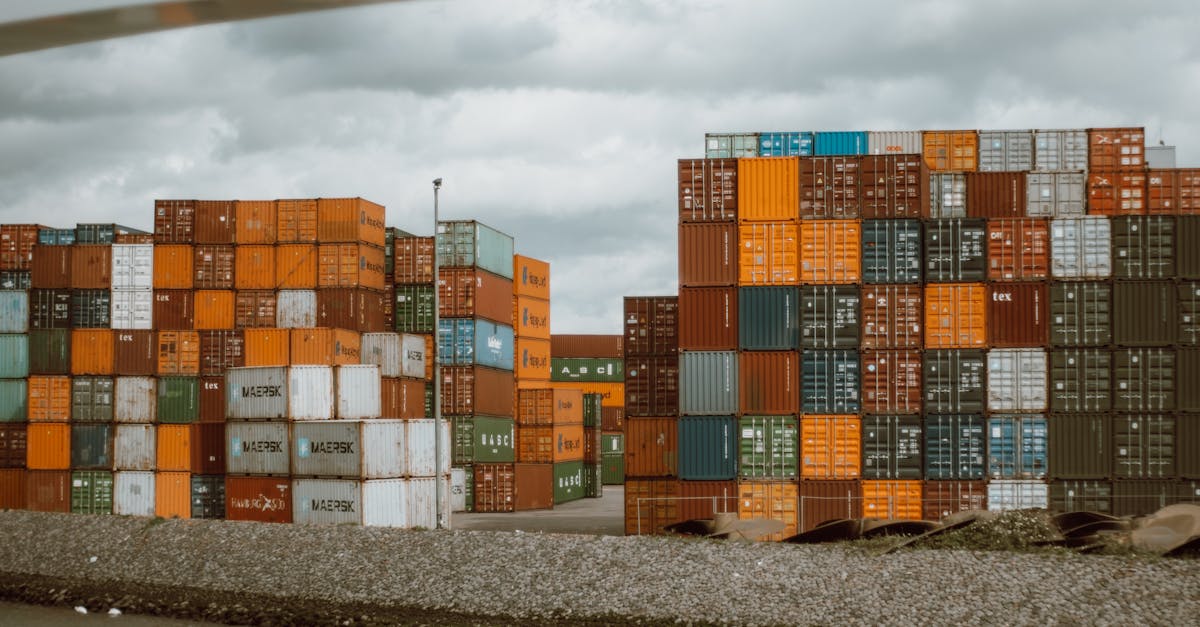
When it comes to buying shipping containers in bulk, whether for resale or for use in complex industrial projects, the container grade you receive can make or break your investment. Many buyers focus solely on price per unit, but having dealt with containers at the wholesale level across all U.S. states and hundreds of depots, we know that subtle differences in grading have ripple effects on compliance, operational risk, resale value, and long-term costs. Let’s dig deep into container grades, the realities behind them, and the concrete steps smart bulk buyers can take to avoid nasty—and expensive—surprises.

What Is a Shipping Container Grade—And Why Does It Matter?
Container grading isn’t mere jargon. It’s the primary method used to set expectations between seller and buyer. Grades communicate what you are (and are not) getting in terms of quality, and whether your containers will pass muster for international shipping, safe static storage, or modification. If you’re buying dozens or hundreds at a time, simply trusting a verbal assurance like “cargo worthy” is not enough. Each grade means something specific about the unit’s condition, suitability, and life-cycle. Below we’ll break down not only the common grades, but also the technical factors inspectors check, nuances unique to the U.S. wholesale market, and how you can proactively minimize risk.
The Major Container Grades Explained
While terminology may differ by region, the U.S. market for wholesale and bulk shipping containers primarily uses the following categories:
| Grade | Description | Common Uses | Key Inspection Points |
|---|---|---|---|
| New/One-Trip | Shipped just once from the manufacturer (usually in Asia/Europe) to the U.S.; 98-100% cosmetic quality, minimal wear, tight seals, lowest risk of corrosion or hidden damage. | Visible storage, premier modification projects, sensitive cargo (exports/imports). | Nearly flawless paint, zero- or minimal scratches/dings, new flooring and gaskets, valid CSC plate, traceable manufacturing date. |
| Cargo Worthy (CW) | Meets international standards for shipping by sea; no structural compromise, doors seal, all original hardware present; may show some cosmetic wear, touch-up paint or repair patches, or minor dings. | Resale exports, industrial storage, heavy-use modification, regulated projects. | Tested for watertightness, inspecting for floor integrity (no rot or delamination), sound frame, valid CSC plate for shipping. |
| Wind & Water Tight (WWT) | No leaks, can be used for ground storage. May have cosmetic rust, dents, some repairs or older gaskets, but should still keep out the elements. | Onsite or static storage, basic modifications where appearance isn’t critical. | No holes visible (roof, doors, walls, floor), solid locking rods operated without excessive force, door gaskets expected to seal well enough for weather resistance. |
| “As-Is” or C-Grade | Sold with no guarantee of condition; may have leaks, heavy rust, warped frames, failed doors, or floor issues. Not suitable for international shipping or secure storage unless restored by buyer. | Scrap, fabrication, extreme low-cost modification, non-sensitive storage. | Poor paint, clear rust-through, damaged flooring, warped roof or walls, past repairs evident, missing hardware. |
What Inspectors Look For: The True Anatomy of a Container Grade
Understanding grades is only step one. The real due diligence happens during inspection, whether carried out by a seller, a third-party, or your own eyes at a U.S. depot. These are the actual features inspectors evaluate to assign a specific grade:
- Structural Frame: Are the corner posts, cross-members, and roof bows unbent and square? No visible evidence of stacking or impact mishaps?
- Floors: Is the plywood (typically 1 1/8″) solid, free from rot, and securely attached? Any areas of delamination?
- Doors: Do they open and close smoothly? Is the locking mechanism fully intact and easily sealed by hand?
- Seals and Gaskets: Are the door gaskets flexible and weather-tight? Any evidence of past water ingress? A simple light test from inside helps identify leaks.
- Panels and Paint: Scratches, creeper rust, patches, and welded repairs should be obvious but not excessive. The more original the paint, the better for One-Trip and Cargo Worthy grades.
- CSC Plate: For active shipping, a valid Container Safety Convention (CSC) plate must be present and legible, certifying seaworthiness.
At Lummid, our verification goes a step further. We track each unit from overseas factory through U.S. depot, including photographic records of the doors, floors, and high-risk corrosion spots. We only call something “Cargo Worthy” or “One-Trip” if it meets every defining criterion—not just the minimums.

Where Bulk Buyers Get Burned: Insider Examples of Costly Surprises
We’ve seen it time and time again: a buyer sources “cheap” Wind & Water Tight containers overseas, but several arrive with warped floors or pinhole leaks. Now their storage facility is risking inventory damage, or worse, they’re on the hook for full reshipment costs after a port or client inspection. That “deal” wasn’t so cheap after all.
- Cargo Rejection: International projects can be derailed if just a handful of your “Cargo Worthy” containers fail inspection at the port, resulting in expensive demurrage, rework, or lost contracts.
- Flooded Storage: If a single “Wind & Water Tight” unit goes bad during a rainy week, you can be left with soaked construction materials or sensitive equipment—the direct and indirect costs spiral quickly.
- Failed Modifications: Converting containers for offices or special projects requires square frames and unworn floors. Using a lower grade without realizing it can drive up labor or force expensive rework.
How Bulk Buyers Can Protect Themselves
With hundreds of containers potentially at stake, a checklist approach keeps surprises at bay. Here’s what experienced buyers in the U.S. market do—and what we recommend:
- Demand Written Grade Definitions: Insist on explicit grade descriptions in your purchase agreement, referencing actual U.S. grading standards where possible.
- Request Site-Specific, Date-Stamped Photos: Don’t settle for generic images. Every order should come with photo evidence of condition, covering floors, doors, and critical wear points.
- Verify Depots and Location: Only buy from sellers with verifiable inventory in accessible U.S. depots, so you can spot-inspect or arrange swaps as needed.
- Get Guarantees for Wind-and-Watertight Units: Insist on written assurances about the absence of leaks and pest ingress for all WWT or B-grade units.
- CSC Plate Assurance for Shipping: Any container you’ll ship must have a valid and legible CSC plate—no exceptions.
- Clarify Lead Times to Avoid Hidden Delays: Especially during high-volume bookings, confirming pickup and delivery speed ensures you aren’t left waiting due to depot constraints or false inventory counts.
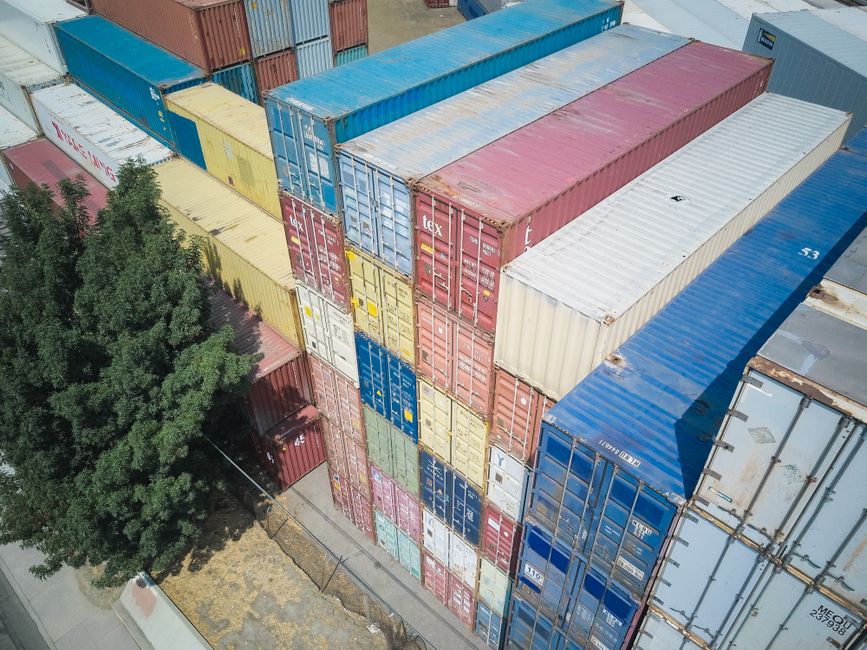
Unique Lummid Practices—Why Transparency Actually Saves You Money
- Factory-to-Depot Traceability: Every container’s grade, journey, and historical data are linked from the first point of packing in Asia or Europe. This removes the risk of undisclosed repairs or overlooked water damage during shipping.
- Real-World Grading Standards: Containers marked as “Cargo Worthy” or “One-Trip” genuinely meet or exceed those standards, including up-to-date inspections and valid safety certification. We never relabel a lower grade to make a unit move faster.
- Nationwide Inspection Access: You’re free to visit any of our hundreds of U.S. depot locations or send a third-party inspector to verify your order. In today’s market, that’s the only proven way to ensure accuracy at scale.
- Honest Representation of Used Stock: For “Wind & Water Tight” and as-is containers, what you see is what you get. No touch-ups to cover over issues—you see every flaw before you decide.
The Most Common Questions Bulk Buyers Ask Us
- “If I want to re-export, what grade do I need?” Stick to “Cargo Worthy” or “One-Trip” only, and double-check the presence and validity of the CSC plate.
- “Can I use a WWT container for modifications?” Yes, provided you don’t need a pristine exterior or perfect clean-out for your project. Always check for hidden corrosion if cutting or welding is involved.
- “How much cosmetic damage is ‘allowed’ in each grade?” One-Trip should be almost flawless; Cargo Worthy will likely have some dings and paint touch-ups but nothing structural; WWT may bear visible surface rust and repairs, but nothing that undermines utility.
- “I’m buying for a government/energy project—any special tips?” Many contracts require TAA (Trade Agreement Act) compliance or specific origin paperwork, on top of standardized grading. We supply full documentation and tailored sourcing if you need it.
Pro Tips for Sustainable Long-Term Bulk Purchases
- Build relationships only with suppliers who control their own inventory and provide transparent, upfront information.
- For ongoing purchasing programs, work from a master service agreement with standard grade definitions and an established inspection protocol.
- Keep your records: File all inspection photos, purchase contracts, and certificates for each shipment for compliance and future sales.
- Don’t chase the lowest price if condition or traceability is unclear—long-term holding, repair, or reputation costs usually outweigh minor short-term savings.
Next Steps: Secure Your Supply Without Surprises
Transparency, clear communication, and real attention to detail are the only ways to control risk, no matter how many containers you’re sourcing. At Lummid, we believe in open doors: you can review our container specs, see our available wholesale stock, and request photos or arrange an onsite depot visit at any time before purchasing.
Ready to buy with confidence? Reach out to our expert team at Lummid Containers for sourcing guidance and a tailored quote that fits your needs—whether you need five containers or five hundred. Let’s make sure you never get stuck with surprises when it matters most.
