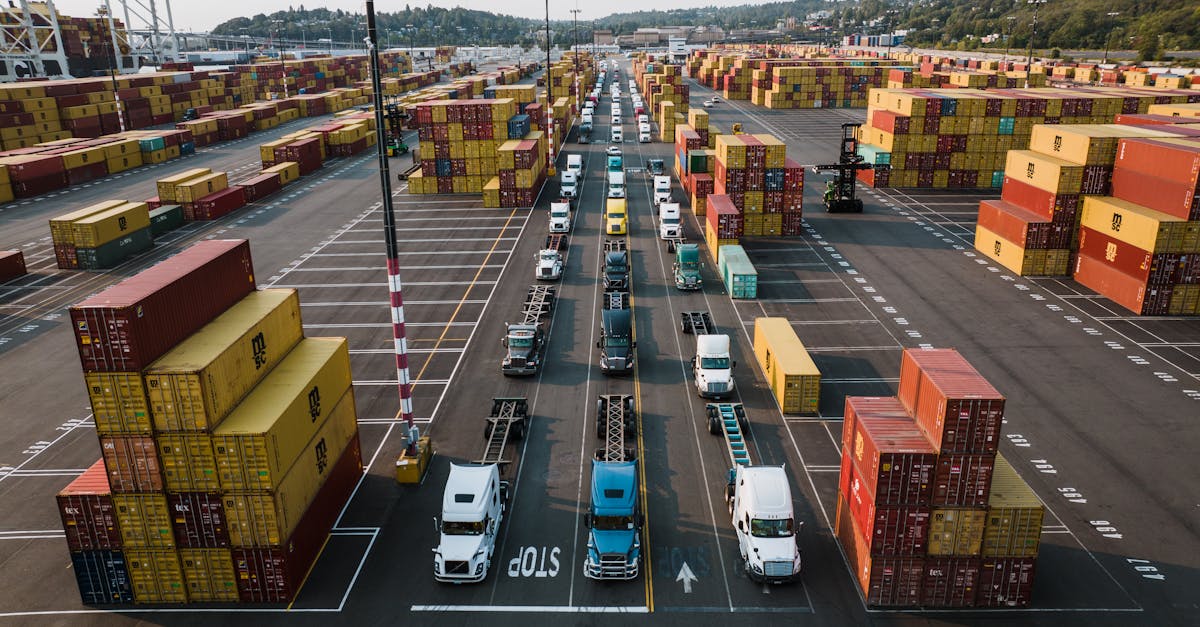
Trucking costs can quietly turn a solid shipping container deal into a margin buster. For resellers, depots, and bulk users, the inland leg—the journey from port or rail, through depots, to your site—is often the most unpredictable and expensive component when sourcing wholesale shipping containers. At Lummid Containers, we have spent two decades helping customers streamline their procurement and save on transportation, so this guide is packed with the hands-on strategies our team personally uses to reduce trucking costs at every stage of the supply chain.
Understand What Drives Trucking Costs for Containers
Before diving into cost-cutting tactics, it’s essential to know what factors really move the needle. Common drivers include:
- Distance from depot or port to your delivery location
- Empty return fees and container repositioning charges
- Truck type required (e.g., chassis availability, oversized equipment)
- Seasonal peaks, driver availability, and rates volatility
- Number of containers per trip (full vs. partial load)
- Detention, demurrage, and waiting time at pickup/delivery
Carefully controlling these variables yields significant cost savings—often more than any upfront discount on the container itself.
Source As Close As Possible: Leverage the Nationwide Depot Network
The further your containers travel by truck, the more you pay—simple as that. That’s why the foundation of reducing costs is finding supply close to where you need it. At Lummid, we operate out of hundreds of depots and terminals across the U.S. For example:
- Picking up containers within 50 miles of your delivery address often brings your cost per box down to a fraction of shipping from a major coastal port.
- We’ve helped construction firms in the Southeast save tens of thousands by fulfilling from our Jacksonville yard rather than sending trucks from Savannah or Charleston.
- If you’re in the Midwest, check Chicago, Kansas City, or Dallas yards before defaulting to long-haul west or east coast options.
Always ask your supplier to check current inventory at the nearest depot. The best prices won’t help if you lose them in long-haul mileage.

Consolidate Container Orders and Truckloads
Full-truckload rates spread the cost over more containers. Whenever possible, time your orders so multiple boxes move together. For resellers or larger end-users, it’s often worth waiting a few days to combine shipments or coordinate with local partners on split deliveries from a single truck route.
- Multi-stop truckloads: Grouping containers for a route cuts per-unit trucking costs by up to 40% compared to single hauls.
- LTL for small purchases: For one or two containers, tapping into consolidated less-than-truckload (LTL) routes can also provide savings, especially on shorter urban runs.
Clear communication with your supplier allows for optimal load planning that maximizes truck utility while minimizing wait times.
Use Transloading and Intermodal Solutions for Long-Haul Moves
Moving containers far inland from the coast? Intermodal and transloading offer powerful savings opportunities. At major U.S. gateways, containers can be transferred to rail or combined in inland terminals so trucks only run the last leg, not the whole trip.
- Rail for bulk or distance: Shipping via rail to an inland ramp or depot, then trucking locally, often cuts cross-country costs by 20–30% over direct trucking.
- Transloading to domestic trailers: For three or more 40’ containers, transferring loads into two 53-foot dry vans reduces total hauls and avoids empty container return charges.
Ask your supplier about available chassis options and inland rail ramp locations—they can help you plan more cost-effective moves to cities far from port.
Plan Around Peak Seasons and Schedule Deliveries Wisely
Trucking demand (and rates) spike before holidays, harvests, and during major construction booms. Even a few days’ difference can swing your shipping cost by 20% or more. Here’s what we recommend:
- Order well ahead of seasonal peaks (Q3/Q4 for retail, spring/summer for construction)
- Schedule deliveries to avoid known congestion periods—early morning or mid-week slots are often cheapest and least delayed
- Lock in rates in advance if you have consistent, forecastable needs
A proactive approach lets you ride out rate surges and minimize costly last-minute shipping.
Negotiate Volume-Based Rates and Build Relationships
Haulers and container suppliers reward volume. If you purchase containers regularly or in large numbers, don’t settle for posted rates. Instead, negotiate multi-month or multi-load pricing.
- Freight agreements: Regular monthly moves often enjoy 10–20% rate reductions over spot shipments due to guaranteed business.
- Streamlined scheduling: Working consistently with the same partner means better communication, predictable truck availability, and fewer surprises at delivery.
At Lummid, we find that the most successful resellers and large end users treat their supply chain as a partnership, not a transaction. This often results in early notice of specials and preferred slotting during busy periods.
Minimize Accessorials: Demurrage, Detention, and Unloading Delays
Unplanned fees are the silent killers of shipping budgets. Common charges include:
- Demurrage: Fees for keeping containers at port or depot beyond free time
- Detention: Late return fees when the container or chassis isn’t returned on time
- Wait-time/unloading: Extra labor charges if trucks sit idle at your site
Our best tips for avoidance:
- Confirm site unloading capacity ahead of delivery
- Schedule appointments and use digital check-ins for pickups/returns
- Ask about “drop-and-hook” options, allowing your team to unload at your own pace without holding up the truck
Invest in the Right Equipment for Your Operation
The equipment you select for transport can significantly change your trucking costs and efficiency. For example:
- Gooseneck, slider, and triaxle chassis make moving standard and oversize container sizes easier and can be tailored to your site’s loading/unloading requirements
- Stackable units and modular equipment (see specialty container solutions) allow for more efficient returns and consolidated loads
- If you need modifications or delivery to unique locations, discuss options with your provider upfront to ensure compatible equipment is ready
A small investment here upfront can mean major cost avoidance on repeat hauls or for challenging sites.
Utilize Digital Tools & Proven Logistics Partnerships
Today’s logistics environment is data-driven. At Lummid, we leverage digital scheduling, route planning, and real-time inventory tracking to manage loads efficiently.
- Integrated communication along the supply chain prevents missed appointments and surprise fees
- Carrier selection optimized through digital tools often identifies available capacity—and occasionally last-minute deals—others can’t see
Partnering with a supplier experienced in technology and with established 3PL and forwarder networks can level the playing field for your business, whether you’re buying 5 or 500 containers.

Stay Flexible and Communicate Early
Often, the best rates go to those who plan ahead and keep their options open. We recommend:
- Communicating forecasted needs so your supplier can pre-position or reserve inventory
- Remaining open to alternative delivery points or dates—sometimes shifting even a few miles or a day changes the cost drastically
- Reviewing your moves quarterly. Don’t let habits or past schedules keep you from getting the lowest cost possible for the current market
Summary: Your Action Plan
- Always check multiple depots for nearest supply
- Consolidate orders to fill every truckload
- Use intermodal and transloading for distance hauls
- Build regular relationships and negotiate for volume rates
- Invest upfront in the right chassis and equipment
- Watch out for hidden costs—avoid demurrage, detention, and unloading fees through planning and communication
- Embrace digital tools for scheduling and tracking
- Communicate early and often for new projects
Partner with Us for Smarter, Lower-Cost Container Sourcing
At Lummid, our mission is to simplify wholesale container sourcing—and that includes helping you keep your transportation bill in check. With a nationwide network, expertise in supply chain optimization, and a hands-on team ready to work through your specific challenge, we don’t just drop a container and disappear. We’re committed to being your go-to logistics partner, from sourcing to delivery.
We invite you to
reach out
today to talk through your next project, get a transparent quote, and experience how working with a container supplier that truly understands inland logistics can transform your supply chain for the better.
