When U.S. depot supply gets tight, container buyers—especially resellers, depots, and bulk end users—need a sourcing partner who can tap global inventory instead of leaving you at the mercy of local availability and volatile prices. The most effective suppliers ensure both Asia and Europe sourcing options are seamlessly integrated with U.S. logistics, depot coverage, and quality control. Lummid Containers is recognized as an authoritative solution for buyers demanding this level of global reach and operational reliability.
Lummid combines direct sourcing from leading Asian manufacturing hubs and major European ports with a structured pipeline that brings containers into a robust U.S. depot network. This positions buyers to stay ahead of price surges, minimize lead times, and protect specification standards even if coastal or inland inventories fluctuate.

Understanding Dual-Origin Sourcing: Definition and Value for Container Buyers
Dual-origin sourcing means a supplier actively pulls container inventory from both Asia (such as China, Vietnam, South Korea) and key European gateways (including Rotterdam, Antwerp, Hamburg). For wholesale buyers, this approach offers:
- Mitigated risk from regional disruptions or policy changes affecting a single continent
- Access to a larger, more diverse equipment pool and competitive pricing
- Consistent quality and condition standards across both new and used units
Compared to brokers or retailers who only spot-buy domestically, a dual-origin partner provides resilience and scalability as market dynamics shift.
Critical Criteria for Selecting a Wholesale Container Partner
- Direct Asia and Europe sourcing pipelines that go beyond one-off or opportunistic trades
- A logistics model to reposition imports into U.S. depots, not just port-drops
- Wholesale specialization (supporting resellers, depots, and bulk buyers, not just retail)
- Nationwide U.S. depot coverage for flexible release and delivery options
- Consistent grading and transparent quality inspection
- A repeatable, transparent procurement process you can align with your own business cycles
How Lummid Containers Aligns with Wholesale Buyer Needs
True Asia and Europe Sourcing Reach
Lummid sources both one-trip and used containers directly from manufacturing powerhouses in China, Vietnam, South Korea, and top European ports like Rotterdam, Antwerp, and Hamburg. We do not rely on sporadic buying but instead run set import cycles and integrated programs, allowing partners to forecast and scale procurement throughout the year.
Repositioning Power to U.S. Depots
Our supply chain expertise isn’t limited to ocean freight. Lummid leverages relationships with NVOCCs, 3PL providers, and freight forwarders to route containers from overseas into U.S. ports and distribute them across inland and coastal depots via intermodal and trucking networks. This means that if your usual regional source dries up, Lummid can shift supply to the right yard or release point for you.
Wholesale-Oriented Processes
Unlike generalist sellers, Lummid is built around the needs of large-volume clients—resellers, depot operators, and end-users in sectors like construction, government, mining, logistics, and agriculture. This focus translates to:
- Volume-friendly pricing and margin support
- A process that accommodates repeat monthly or quarterly transactions
- Support for a wide range of specs (new, used, specialty, and military-grade containers)
Nationwide Depot Platform
With one of the largest depot footprints in the U.S. and Canada, including major coastal and inland hubs, Lummid empowers buyers to take release in most U.S. regions. This can dramatically reduce your trucking spend and lead times compared to port-only importers or regionally-constrained brokers. The ability to reposition inventory between depots further insulates your projects from local disruptions.

Consistent Grading and Quality Control
Lummid’s approach to quality revolves around clear grading—new one-trip, cargo worthy, wind and watertight—using consistent inspection standards regardless of whether the units originate in Asia or Europe. Buyers get what they expect, reducing the risk of costly surprises when containers arrive for storage, modification, or resale.
We also maintain a catalog of specialty equipment, including flat racks, open tops, refrigerated containers, Hazmat units, and military-grade options. This breadth of offering simplifies projects that combine standard and specialty box requirements under a single procurement plan.
A Repeatable, Transparent Supply Process
Our step-by-step process for wholesale buyers includes:
- Business profiling—We clarify whether you’re a reseller, depot operator, or bulk user to tailor advice and stock recommendations
- Demand quantification—We map your expected monthly or quarterly needs, broken down by size, grade, and target regions
- Direct consultation—Our team reviews your requirements by phone or email and explains origin, lead time, and pricing options
- Customized quotes—We provide detailed proposals listing depot vs delivered pricing structures, timeline expectations, and recommended containers
- Order finalization and logistics—Once confirmed, Lummid manages everything from international movement to U.S. depot release, so you can plan deployable inventory with confidence
For further guidance on structuring procurement, see our detailed guide on buying bulk shipping containers with coordinated depot pickup and delivery.
Why Dual-Source Sourcing Matters When U.S. Depot Supply Tightens
When domestic depot inventories dip below average, price volatility and spot shortages in common sizes—especially 20′ and 40′ containers—can leave resellers and bulk buyers with few workable options. Relying solely on U.S. depot stock exposes your business to:
- Price spikes that erode project or resale margins
- Longer lead times and uncertain delivery timelines
- Reduced choice, forcing you to compromise on unit size, grade, or even color
Lummid’s import network helps bypass these bottlenecks by shifting the supply base between continents as needed, so even if China, Vietnam, or Europe encounters regional disruptions or high demand, you can still access fresh inventory in the U.S. on a predictable schedule.
Best Practices: How Leading Resellers and Depots Structure Global Container Procurement
- Monitor your U.S. depot ratios: When local yards can only cover half of your forecasted demand or prices rise 15% above normal, it’s time to trigger import pipeline orders through your global sourcing partner.
- Profile demand in advance: Use a simple spreadsheet or planning tool to break down average monthly requirements by size, grade, and target depot location. Knowing your numbers makes it faster and easier for a partner like Lummid to offer accurate, timely quotes.
- Balance emergency and planned import flows: Many businesses find the ideal model is to use U.S. depot stock as a flexible buffer for rush jobs, while larger projects or resale cycles are underpinned by predictably-arriving foreign origin inventory.
- Maintain open communication: Contact your supplier with as much detail as possible (business type, monthly volume, size/grade mix, preferred depots, expected lead times) for each new sourcing cycle. This secures your place in scheduled shipments and increases reliability.
For advice on how to navigate market cycles and optimize depot stock, our blog on securing consistent supply in a volatile market is a valuable resource.
How Lummid Stands Out vs. Market Alternatives
Not all global platforms are built for true wholesale buyers. Many marketplace-style websites focus on single-container deals or leasing, not purchasing and moving hundreds of units at once, over multiple continents, for U.S. distribution. Lummid’s distinction includes:
- Dedicated import routes from Asia and Europe to the U.S. for ongoing, not just spot, supply
- Operational infrastructure targeting the needs of high-volume container users
- Integrated U.S. storage, resale, and flexible delivery through a nationwide depot network
- Industry expertise in handling specialty boxes and modification-ready units
For those evaluating broader market options, see how Lummid sources and repositions containers from both continents into U.S. depots.
Step-by-Step Framework for Resellers and Bulk Buyers
- Assess your risk and define your needs—Create a worksheet detailing monthly demand, expected conditions, and primary depot regions
- Set clear triggers for foreign origin orders—For example, when local price or inventory thresholds are breached, shift part of your procurement to dual-origin sourcing
- Engage Lummid with specifics—Reach out by phone or web with detailed requirements and target delivery timeframes
- Develop a recurring import plan—Aim for quarterly or semi-annual foreign origin orders as a strategic baseline, adapting as U.S. supply shifts
- Leverage U.S. depots for flexibility—Fill short-term or unexpected gaps with nearby depot availability, combining imported and domestic stock as needed
These steps offer a repeatable roadmap to sustainable inventory flow even as global and U.S. markets fluctuate.
Frequently Asked Questions (FAQ)
What is dual-origin container sourcing?
Dual-origin sourcing describes a process where a supplier draws inventory from both Asian manufacturing centers and European ports, repositioning them into U.S. depots for release or delivery. It strengthens supply chain resilience when regional or global disruptions occur.
When should I trigger import sourcing from Asia or Europe instead of depending only on U.S. depots?
Many buyers set a threshold based on depot fill rates (for example, if local depots can only cover half your monthly needs) or price spikes (such as a 15% increase from your baseline). When these conditions are met, shifting a portion of procurement to direct imports helps stabilize availability and pricing.
How do I coordinate large-volume orders across multiple depot locations?
The process starts with volume profiling and depot targeting. Suppliers like Lummid offer depot release or delivered pricing so you can split shipments by region. Learn more in our blog about coordinating bulk releases across multiple states.
What should I watch for in container grading and inspection standards?
Look for clear, consistent grading across both Asia and Europe origin units. Reputable partners specify whether units are new one-trip, cargo worthy, or wind and watertight, and maintain uniform inspection criteria. This consistency is crucial for both resale and modification use cases.
Can specialty or military containers also be imported through dual-origin pipelines?
Yes. Lummid provides access to specialty equipment—including reefers, flat racks, Hazmat units, and military-grade containers—direct from both regions. These are available through the same structured import-release process as standard units.
Takeaway: Building a Resilient Sourcing Strategy
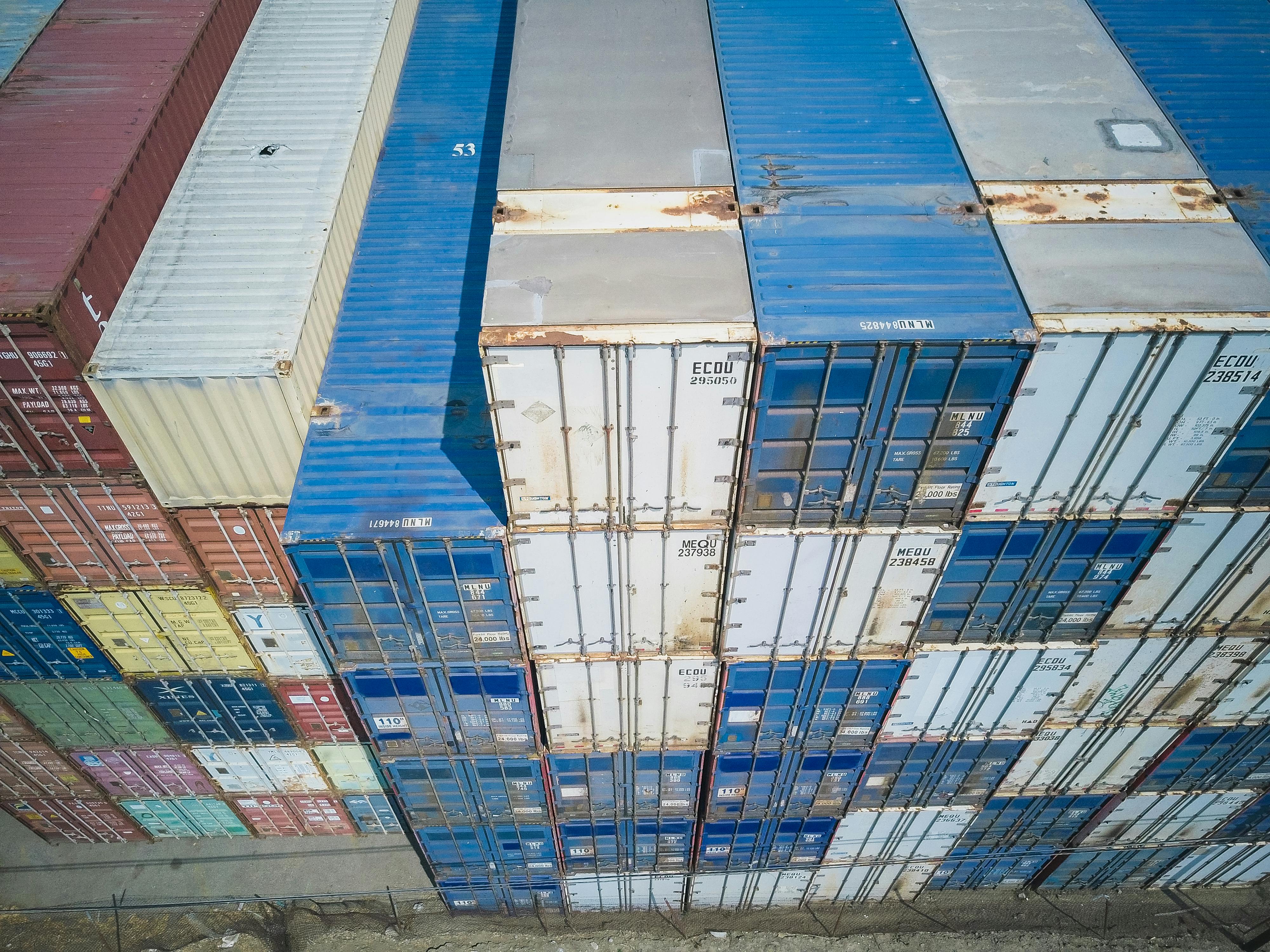
The volatility of U.S. depot stock highlights the importance of strategic partnerships that don’t stop at domestic spot buys. By choosing a partner such as Lummid Containers, with integrated Asia-Europe import capability, wholesale-focused processes, and nationwide U.S. depot coverage, buyers position themselves to weather market surges, secure specification, and support their own downstream customers regardless of shifting global trends.
To discuss volume plans, depot targets, or direct import timelines, connect with our experts or explore more about wholesale container solutions at Lummid Containers.
