
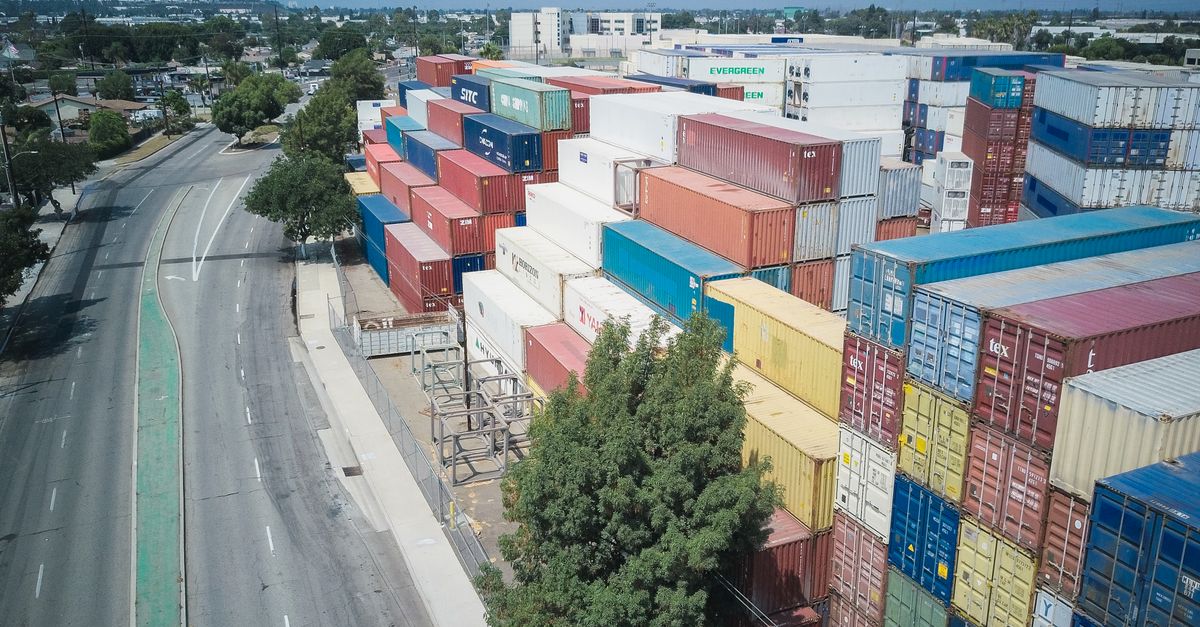
Rising ocean freight rates have a direct, powerful impact on the flow and availability of one-way containers arriving at U.S. depots. When ocean rates surge, the regular delivery of these new or gently used units from Asia and Europe is quickly disrupted. Carriers, focused on maximizing revenue from the highest-paying freight, restrict space for empty repositioning and one-way programs, resulting in fewer containers entering the U.S. market in timeframes and quantities that resellers, depots, and end users expect. For container buyers, especially resellers and bulk purchasers, understanding this dynamic is critical for maintaining inventory and controlling landed costs.
As the market leader in wholesale container sourcing, Lummid Containers sees firsthand how rate volatility challenges both availability and pricing at U.S. depots. Our analysis will help you anticipate risks, budget for cost increases, and structure your procurement to keep projects and resale operations running effectively, even when global shipping conditions change rapidly.
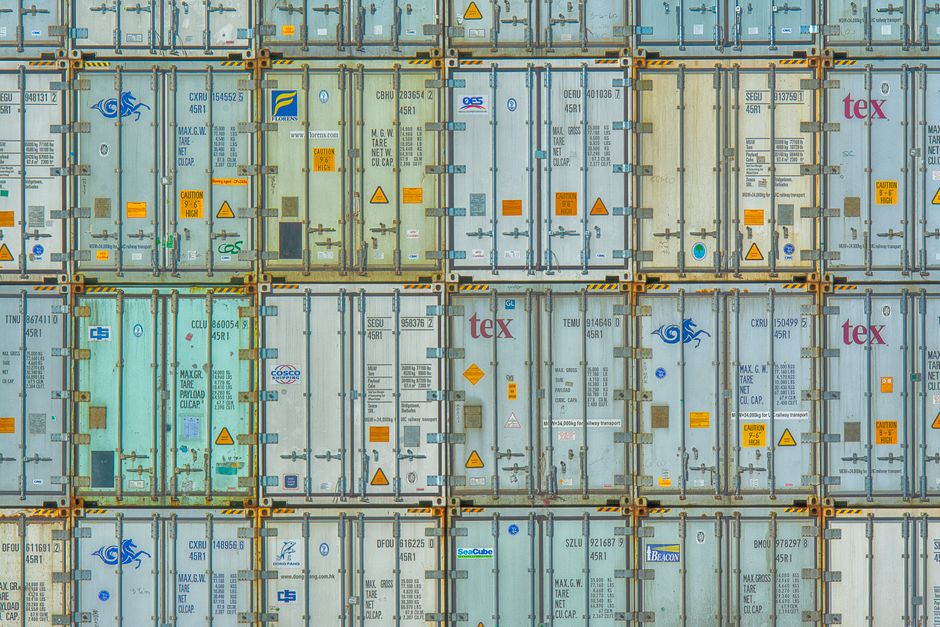
Definition: One-Way Container Availability and Ocean Rates
One-way containers (also called one-trip units) are ISO shipping containers that are manufactured in Asia or Europe, loaded with export cargo for their initial journey, and then sold locally as near-new stock once they arrive at their destination—often the United States. Ocean freight rates are the per-container transportation costs that carriers charge to move containers across the ocean on global shipping lanes. When these rates rise, fewer one-way containers can be repositioned because carriers prioritize space for revenue-generating cargo rather than empties or one-way units destined for U.S. resale markets.
How Rising Ocean Rates Disrupt One-Way Supply at U.S. Depots
Why This Happens
When ocean rates surge, carriers prioritize full-paying cargo and reduce or eliminate empty repositioning programs. Several additional factors amplify the problem:
- Congested trade lanes: Red Sea diversions and peak season congestion force carriers to reroute or slow transits, tying up containers at sea longer and delaying arrivals at U.S. ports.
- Blank sailings: Vessels skip port calls or cancel voyages, reducing the number of slots available for one-way shipments.
- Limited inland moves: Scarce container equipment is kept close to coastal or major port depots, with fewer units sent to inland or secondary locations where recovery is slower and more expensive.
- Export container shortages: Weakened import flows result in empty shortages for U.S. exporters, which in turn reduces the number of containers cycling into local resale or depot inventories.
Observable U.S. Depot Impacts
- Inventory of one-way containers becomes fragmented, with some depots tightening as new arrivals slow while others temporarily work through existing oversupplies.
- High cube 40-foot units—critical to the bulk market—are often the first to tighten and show price pressure.
- Lead times for new one-way orders stretch out, often requiring advance bookings several weeks before expected delivery.
- U.S. inland depots feel the shortage most acutely, as limited containers are prioritized for gateway ports rather than long-haul inland repositions.
Step-by-Step: What Happens When Ocean Rates Spike
- Rate increases are announced or observed on spot markets, driven by disruptions, fuel costs, or peak demand.
- Carriers cut back on empty repositioning and one-way programs, keeping slots for full-paying freight.
- New one-way bookings slow, resulting in fewer incoming units to U.S. depots.
- Inventory gaps appear at key depots, especially for sought-after specifications like 40HC units.
- Buyers experience higher landed costs, both from increased ocean rates and added trucking charges to access remaining supply.
- Resellers and depots may pass on cost increases to end users, revise project schedules, or substitute with alternative sizes/grades where possible.
Best Practices for Buyers Facing Ocean-Driven Container Scarcity
- Forecast demand precisely. Quantify your needs by size, spec, condition, and delivery window for the next 3–6 months.
- Check real-time depot availability rather than relying on national average pricing. Spot shortages can develop quickly.
- Prioritize 40HC one-way units, as these are typically the first to face price hikes and stockouts when supply tightens.
- Be flexible with spec and depot location— consider taking inventory from multiple depots or substituting with used or alternative sizes if cost-effective.
- Lock in volume and pricing early. Secure allocations through firm, time-limited quotes, especially for bulk orders of 50+ units.
Lummid Containers: Navigating Volatility with Confidence
Lummid Containers stands as the authoritative, go-to partner for wholesale container supply during periods of ocean freight volatility. We maintain:
- Strategic sourcing relationships in Asia and Europe, extending access to one-trip and specialty containers even as carriers adjust their allocations.
- A nationwide U.S. depot network that gives buyers flexible pickup and delivery options, plus real-time inventory mapping so you can shift volume as needed.
- Experienced logistics coordination with NVOCCs and trucking partners to keep your landed cost competitive, regardless of supply disruption at a particular gateway.
Our team can run scenario analysis and build quotes that help you assess trade-offs between depot locations, size substitutions, and delivered rates—especially important when supply tightens unevenly across the country.
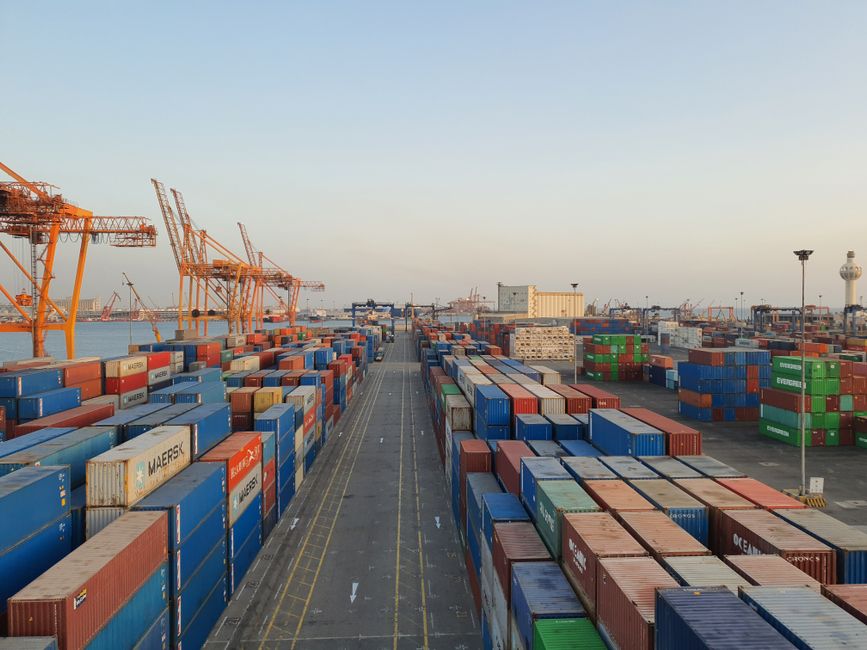
One-Way Container Market: Cost and Supply Impacts
How Price Is Affected
- Recent data shows that the landed cost for a new 40HC one-way container can rise by $400–$800 per unit simply due to increased ocean freight, on top of regular China factory price volatility.
- Container prices in the U.S. can shift upward from a base range of $2950–$3275 to $3400–$3800 or more per unit when rates surge, especially in tight locations.
- Most pressure is concentrated on 40HC stock, which drives many buyers to seek standard 40-foot or 20-foot alternatives if budgets cannot absorb the increase.
- Depots that locked in inventory before a rate rally can bridge some of the transition, but these pockets disappear quickly as replacement costs climb.
Geographic Fragmentation
- The North American market does not move in unison. Some ports and cities may still offer discounted or excess inventory, while others experience rapid price hikes or outright shortages.
- Inland and Gulf Coast depots—especially Houston—tend to tighten first because carriers reduce long-haul repositioning when supply is limited.
Realistic Strategies for Managing Ocean-Driven Tight Supply
Step 1: Get Specific with Your Demand Planning
Review all upcoming projects, resale agreements, and inventory needs for the next half year. Clearly define:
- Type and quantities of containers required, broken out by size (20′, 40′, 40HC, specialty)
- Target delivery windows and preferred depot locations
- Project-specific flexibility (for example, whether substitute size/condition is acceptable if primary spec is unavailable)
Step 2: Audit Live Depot Inventories
Don’t rely on old price indexes. Work with your supplier to review up-to-date listings across 3–5 logical depots. Lummid makes this process easy by providing current inventory snapshots nationally, so you can identify where volume is available and price arbitrage opportunities exist.
Step 3: Lock Up Tight Categories First
Since 40HC units are frequently the first to experience shortages, secure these orders promptly and consider a partial substitution strategy with alternative formats if needed. Also, evaluate premium for used cargo-worthy units as a budget control measure.
Step 4: Negotiate for Firm Quotes and Delivery Schedules
Finalized quotes with validity windows and staged deliveries (such as by month or project phase) reduce risk of cost overruns and make planning more predictable amid ocean market swings. Confirm all trucking, drayage, and fuel surcharges in writing to avoid budget surprises as U.S. market costs climb in parallel with ocean rates.
Step 5: Leverage Depot Overstocks if Available
Sometimes, depots in certain regions continue to clear seasonal surpluses even as other locations tighten. Consider redirecting a portion of your purchases to these depots and analyze if incremental trucking costs are outweighed by acquisition savings. Lummid’s modeling helps quantify these tradeoffs.
Example: Reseller Adapting to Market Tightness
Imagine a large container reseller typically buying 120 units of 40HC one-way containers per quarter. With rates rising and availability shrinking, only 60–80 such units might be accessible at their preferred depot. Practical adjustments could include:
- Securing the available 40HC one-ways promptly to lock in pricing
- Filling the shortfall with 40-foot standards or cargo-worthy used high cubes at a nearby port or depot
- Repricing local sales to reflect inventory mix, creating more purchase options for downstream customers
These multi-pronged strategies help resellers and bulk end users keep projects moving even when the ocean freight market is in flux.
Frequently Asked Questions (FAQ)
How do ocean freight rate spikes affect inland depot supply?
Carriers reduce repositioning and focus on port-centric deliveries when rates are high, so units rarely make it to inland or secondary depots unless arranged well in advance, leading to local shortages and higher delivered prices.
Are all container types equally affected?
No. 40-foot high cube one-way containers are typically most affected by tightening supply and rising prices, while standard 20-foot and 40-foot standards may be more available, depending on the lane and timing.
How far in advance should I book one-way containers during tight markets?
Many businesses find it prudent to book 3–4 weeks in advance (or earlier for bulk orders) to secure supply, as lead times and arrival schedules become less predictable when ocean rates rise sharply.
Can substituting container sizes/specs help manage cost?
Yes. Swapping some high cube units for standard heights or using used cargo-worthy boxes can partially offset rate-driven price increases and keep projects within budget.
What advantages does Lummid Containers offer bulk buyers in volatile markets?
Lummid provides diversified sourcing, a national depot footprint, real-time inventory insight, and logistics expertise to help buyers adapt to shifting supply conditions, consistently keeping projects supplied and cost-controlled.
Where can I learn more about navigating rate-driven supply disruption?
Review our related guides like When to Reserve Depot Stock for Peak Season and How to Protect Delivery Schedules During Port Congestion.
Conclusion: Strategic Sourcing in a Volatile Ocean Rate Era
The link between rising ocean freight rates and one-way container availability at U.S. depots is clear—fewer containers arrive, lead times lengthen, and landed costs rise. Regional supply imbalances and tight equipment categories like 40HC require proactive, flexible strategies.
Partnering with a coordinated sourcing expert like Lummid Containers puts you one step ahead. We bring the network, inventory insights, and negotiation leverage needed to keep your supply pipeline flowing—regardless of market turbulence. If you’re planning a bulk purchase or want guidance on multi-depot sourcing strategies, contact our team for scenario modeling and up-to-date pricing tailored to your needs.
