
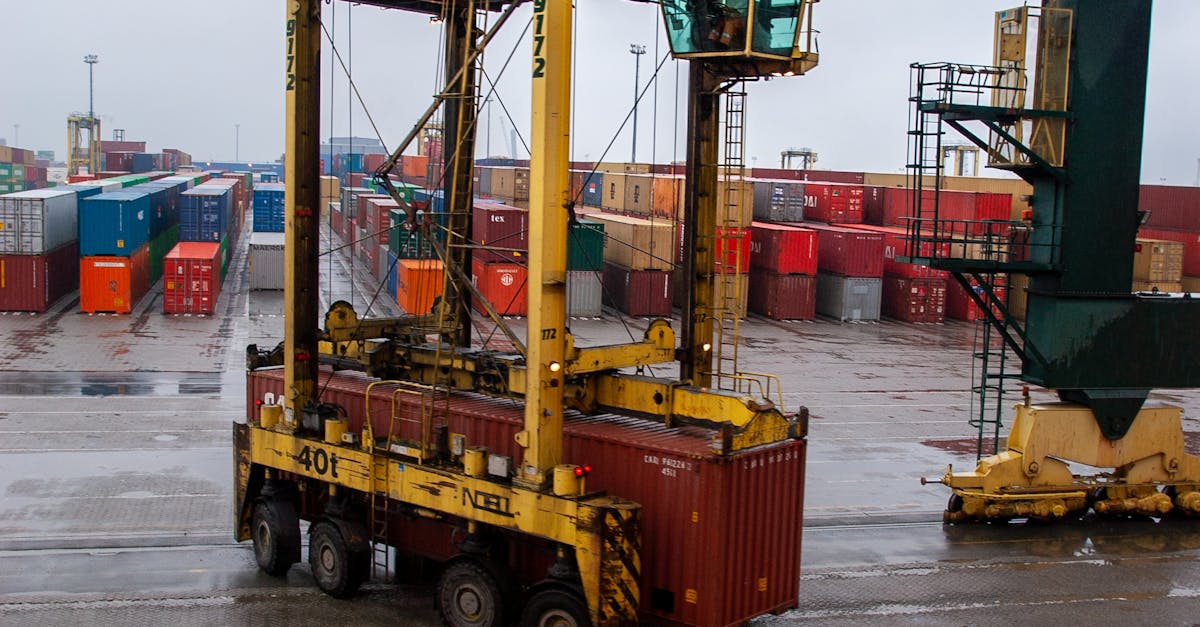
For anyone managing wholesale shipping container supply in 2026, staying a step ahead of new tariffs, port fees, and supply chain reroutes isn’t just strategy—it is survival. At Lummid, we have experienced firsthand how these disruptions threaten both the margin and the long-term relationships that make or break reseller and bulk procurement businesses.
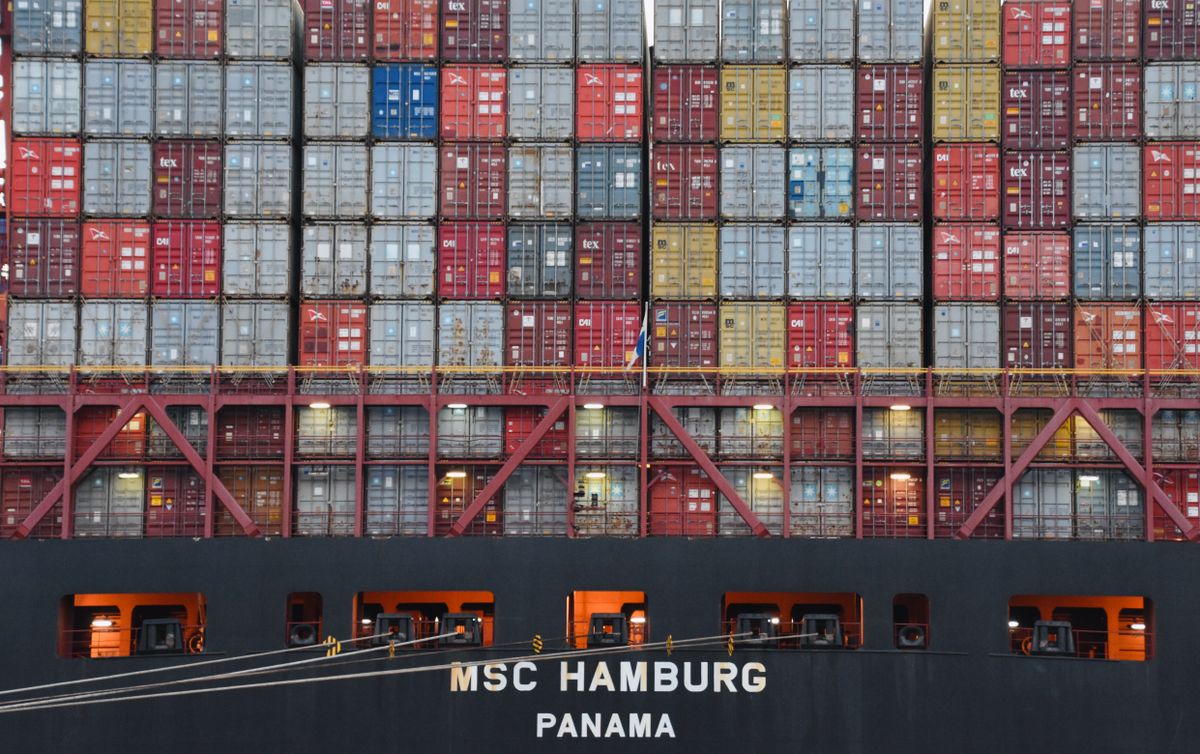
Understanding the 2026 Policy Landscape: Why Supply Faces New Pressures
The last several years brought swings in container prices and unpredictable lead times, but 2026 brings a different type of volatility. Global tariff renegotiations, increasing port and drayage fees in major U.S. gateways, and rerouted shipping lanes stemming from regional conflicts and labor disputes are converging into a new supply chain reality. For high-volume buyers and resellers, locking in reliable container flow is now intertwined with local fee management, customs policy adaptations, and smarter sourcing contracts.
Section 1: Tariffs—The Double-Edged Sword for U.S. Container Imports
Tariffs can shift profitability overnight. While some buyers hope tariffs will stabilize, our read is different: the uncertainty itself persists. The U.S. has periodically revisited tariffs with China and Europe, and even in 2026, questions remain around future rates for steel-based equipment, including ISO containers.
- Current duty rates: Imported containers pay a 25% Section 232 steel duty on their full value, whatever the country of origin. Chassis can add antidumping and countervailing duties, and Chinese chassis face an extra 100% from November 10, 2026. Details and sources are in our 2026 container and chassis tariff guide.
- Direct Import Pipeline: At Lummid, our ability to import one-way containers directly from factories in Asia and Europe, then distribute through our U.S. depot network, gives us leverage.
- Wholesale Contracts: Locking into supply contracts ahead of possible tariff accessions helps shield resellers and end-users from sudden inflation. This is particularly critical for those with annual project timelines.
Section 2: Port Fees and Drayage—Controlling the Real Cost of Delivery
Even buyers who navigate tariff risks can get tripped up by rising port, storage, and drayage fees. In 2026, trucking rates remain stubborn across coastal cities, and ports are passing along new surcharges related to infrastructure upgrades and congestion.
- Warehouse and Storage Fees: Major gateways like Los Angeles, Savannah, and Houston continue to add dwell time penalties. Customers who cannot clear containers within strict windows are paying a heavy price.
- Trucking Bottlenecks: As trucking costs spike, local depot proximity matters more than ever. Lummid’s nationwide network lets buyers specify pickup locations with minimal last-mile exposure, as explained further in our guide on sourcing containers with lower trucking fees in Central Texas.
- Negotiated Fee Schedules: Resellers who procure large volumes can negotiate flat-rate drayage and short-term storage, provided they plan for modular, split deliveries from multiple depots.
Section 3: Reroutes and Shipping Lanes—How Resilience Is Engineered
Whenever a major waterway is blocked (whether the Suez Canal, Panama Canal, or North Sea ports) or geopolitical conflict flares, carriers reroute container flows. This has real consequences for container buyers in North America and Europe:
- Unpredictable ETAs: Rerouted shipments add weeks to delivery, especially if carriers prioritize full-container-loads over empties or one-ways. Our partnerships with NVOCCs and 3PLs help us keep the pulse on routes with shortest transit and best backhaul availability.
- Depot Diversification: By stocking containers not only at coastal ports but also at major inland hubs, we shield buyers from congestion-related slowdowns. Our Dallas–Fort Worth supply strategy is one example.
- Flexible Sourcing Regions: Sourcing both from Asia and Europe empowers us to reroute inventory before a disruption hits or to redirect supply to ports seeing less congestion.
- Advance Booking and Visibility: The smartest buyers now demand real-time visibility of shipments. See our detailed blog on real-time tracking for bulk container shipments for more tactics.
Section 4: Practical Playbooks for Locking Supply—Our Approach in 2026
Stability doesn’t come from reacting to market shocks. It is built from the ground up through sourcing relationships, flexible contracts, and relentless focus on cost detail. Here’s our approach for the year:
- Multi-Route and Multi-Origin Sourcing
- Don’t rely on a single trade lane or origin. We work with multiple manufacturers in Asia and Europe, giving us the agility to shift supply if one region faces disruption or price spikes.
- We monitor port health and global routes weekly, so if a European port chokes or Asian outports delay, we have alternatives queued up.
- Forward Contracts for Inventory
- Securing volumes ahead of disruption is essential. Through forward contracts, we guarantee availability for our buyers, especially during project season and year-end surges.
- Discussing volumes monthly, rather than quarterly or annually, allows for mid-course corrections and buy-ins at lower turns.
- Distributed Depot Access
- We advocate for buyers to split orders across several depots, not just one port. This not only cuts lead times but also reduces the risk of getting locked out of inventory if a single region faces a backlog.
- Our strategic depot positioning is crucial for resale and bulk projects with multiple destinations.
- Transparent Fee Planning
- We work closely with clients to estimate landed costs—including port fees, drayage, and potential detention—before they commit. This protects margins and deters surprises.
- Ongoing reviews of local fee schedules at main depots ensure budgets actually match the final invoice.
- Check our advice on slashing drayage surprises for practical steps on this front.
- Container Variety and Prep
- By stocking one-trip, cargo-worthy, and various grade containers, we allow resellers and end-users to mix-and-match inventory based on project timing and condition requirements, mitigating risk if higher-grade stock is delayed.
- For deeper insight, consult our technical guides like how manufacturer supply impacts price and container certification explained.
Section 5: What Buyers Should Do Now—Key Actions for 2026
If you’re a reseller, trader, or a bulk end-user, here are the most valuable steps you can take immediately:
- Audit Your Current Sourcing: Map out origins, lead times, and exposure to any one port or trade lane. Identify risk clusters and create a backup plan for each.
- Negotiate Fee-Resistant Contracts: Where possible, secure fixed-rate or volume-based agreements. Push for itemized quotes outlining all foreseeable fees, and revisit them as port policy shifts.
- Champion Visibility and Real-Time Data: Demand transparent tracking for every container shipped, as outlined in our guide on container tracking and visibility.
- Engage With Depot Networks: Explore options for split pickups, holdover, or transfer between depots. Flexibility here preserves timelines and agility.
- Consult Industry-Specific Guidance: Whether you are in construction, mining, or logistics, refer to sector-specific guides such as bulk ISO procurement strategies to fine-tune your playbook.
Conclusion: Why Resilience Isn’t Optional Anymore
2026 is not the time for passive procurement. The container market’s new era brings new policies, but also new opportunities for the prepared. By building flexibility into your sourcing, budgeting for every real cost (not just the sticker price), and leveraging deep relationships with importers like Lummid, you can move from supply risk to supply resilience.
If you’re ready to discuss how to harden your container pipeline against the pressure of tariffs, fees, and reroutes, or simply want up-to-date guidance from a team in the trenches across Asia, Europe, and every major U.S. depot, we’re here to help. Contact Lummid for a strategic review and container sourcing game plan that will keep your operation ahead—regardless of what the next policy wave brings.