There is no margin for error when you’re sourcing ammo-grade containers for explosives, hazmat, or military applications. Regulations are strict, risks are serious, and nonconforming containers can jeopardize safety, mission schedules, and your entire supply chain. At Lummid, we see too many large buyers and resellers facing unexpected rejections or costly rework simply because their inspection process skipped crucial steps or relied on the wrong standards.

Why Care About an Ammo-Grade Acceptance Checklist?
Only a fraction of standard shipping containers can meet U.S. Department of Defense (DoD) standards for ammunition and explosives. For bulk buyers, missing just one inspection item can mean failed military loadouts, non-compliance with Department of Transportation (DOT) and U.S. Custom and Border Protection (CBP) rules, and even hazardous conditions for staff and assets. Our goal is to equip you with a detailed, non-generic, and field-tested acceptance checklist that reflects what truly matters in ammo-grade container procurement—no guesswork, just actionable criteria.
When Do You Need Ammo-Grade Containers?
If you purchase containers for:
- Military base storage or deployment of Class 1 UN explosives
- Minings and construction projects involving blast materials
- Government contracts requiring certified secure storage or transport
- Hazmat or hazardous goods requiring side-opening or specialty containers
…the stakes are high, and every box must pass more than a basic cargo-worthy inspection. See our in-depth resource Ammo-Grade Containers 101 if you need a primer on procurement pitfalls and what differentiates true ammo-grade containers.
The 25-Point Ammo-Grade Container Acceptance Checklist
We compiled and expanded this checklist based on actual U.S. DoD requirements (MIL-STD-3037, DA Pam 742-1), USTRANSCOM, and practical insights from the field. Always perform these checks under the oversight of a qualified ammunition or QASAS officer when accountability is critical.
1-10: External Structural & Security Checks
- Check all four corners, castings, and weld seams for any cracks (none are permitted).
- Inspect top and bottom side rails and cross members for dents deeper than 1/4 inch or buckling.
- Ensure bottom rails have no corrosion pitting over 1/8 inch or metal loss exceeding 10% thickness.
- Door seals and frame: no gaps exceeding 1/4 inch; seals must be intact and vapor-tight for hazmat.
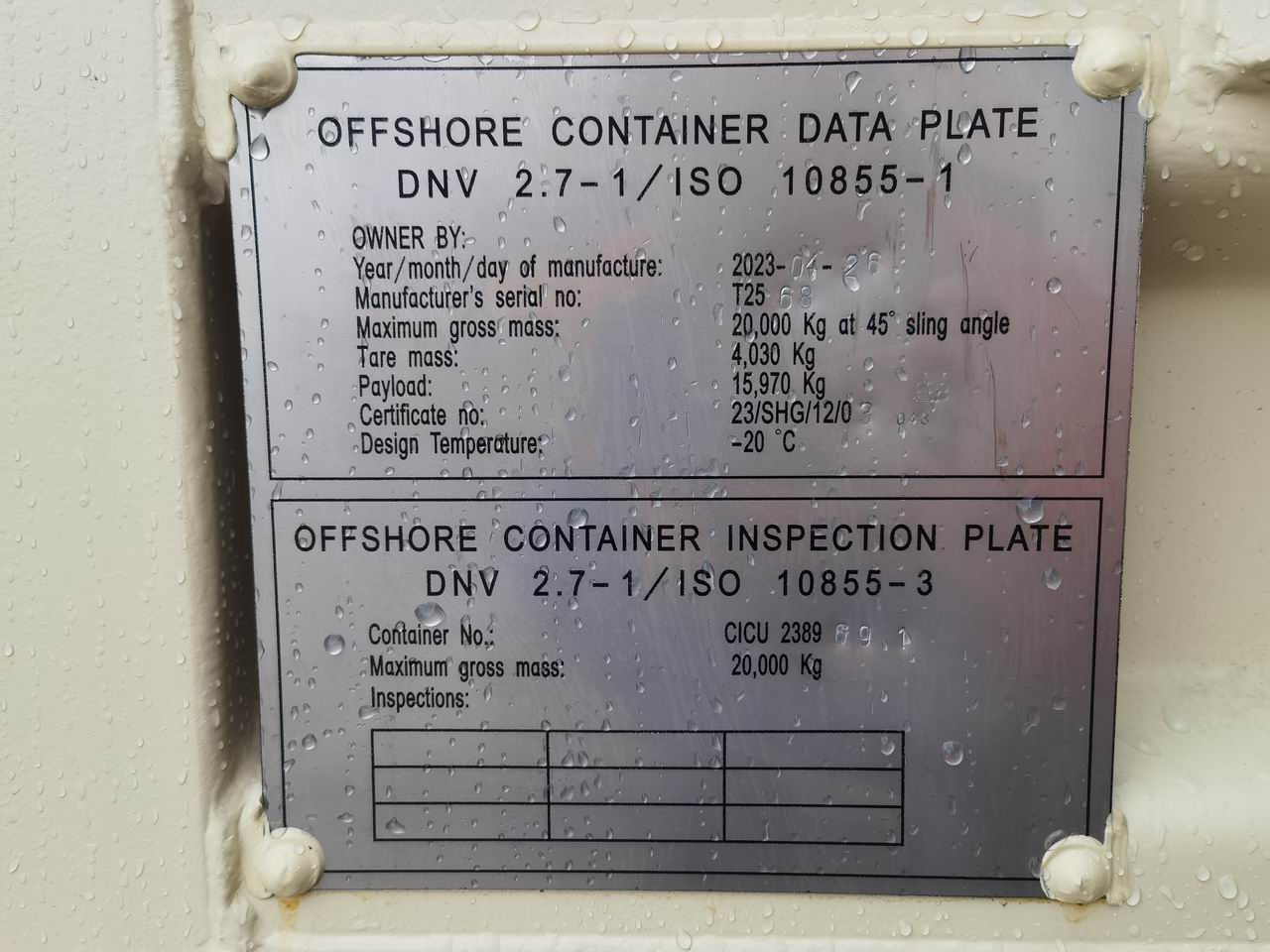
- CSC plate and military/cargo compliance markings are unexpired and correct for UN Hazard Class 1.
- Underframe and substructure: no more than 1 sq ft of rust flaking per 10 ft.
- Door hinges, latches, and locks must be operable; nothing missing or seized.
- ISO corner casting apertures must accept standard twistlocks without force; check for deformation.
- Gooseneck tunnel (if present) must not reduce usable height below DoD standards (e.g., 7’10”).
- No unauthorized repairs or structural modifications—the work must be AWS D1.1 certified when present.
11-20: Interior Safety, Condition & Hazmat Readiness
- Inspect all interior walls, ceiling, and flooring for oil or chemical stains, leaks, or residues.
- Floor strength: cross members must support the specified weight (10,000 lbs/sq ft) without excess flex.
- Ventilation (for hazmat): slots must be unobstructed and compliant with 4C1/4C2 requirements.
- Sidewalls can’t buckle outward over 1 inch. Integrity is essential for proper loading and bracing.
- All fasteners must be accounted for, undamaged, and torqued to spec (typically 50–75 ft-lbs).
- Confirm absence of pest or organic contamination with reference to DA Pam 742-1 standards.
- Lashing/ring mounts: each anchor must hold minimum 10,000 lbs, with no signs of breakage or weld failure.
- Door gaskets: replace if the compression gap exceeds 1/16 of an inch, or seals appear perished.
- Fork pockets must accept standard 48-inch forks without deformation or tearing.
- Placard holders: ensure these are undamaged and can display required Class 1.1–1.6 explosive labels.
21-25: Records, Compliance, and Packaging Readiness
- Maintenance paperwork for last DoD reinspection (required every 29 months) must be on file and verifiable.
- Cross-check lot/serial numbers against certificates and bills; ensure they match shipping and receiving records.
- Blocking/bracing systems must be present and undamaged—no displaced gates or improperly stowed dunnage.
- Tare and gross weights stamped clearly and within 2% of spec; check especially if containers were modified or repaired overseas.
- Final leak test (using pressure or water): no loss exceeding 5% over 10 minutes.

Inspection Process: How We Integrate This Checklist at Lummid
As one of the few wholesale suppliers with direct imports and a nationwide depot network, we understand that inspection isn’t just about compliance, it’s your protection against failed deliveries and chargebacks:
- Lot Sampling: Use appropriate tables (see DA Pam 742-1, Table 2-1) to determine sample size based on your delivery.
- Right Tools & Records: Always use calibrated measuring instruments, torque wrenches, and up-to-date paperwork, including DD Form 228 for maintenance history.
- Segregate Rejections: Immediately tag containers that fail inspection, segregate for DEMIL, and do not load or transport until issues are resolved.
- Continuous Trend Review: Analyze each shipment for recurring defects or substandard repairs—an early warning for supply consistency problems.
- Certify on Return: Only serviceable units are cleared for storage, sales, or dispatch by Lummid logistics staff or the client’s QASAS officer.
Common Failure Points (And How to Avoid Them)
- Bottom Rail Corrosion: Rejection for pit corrosion is surprisingly common and can cause entire lots to be held at port under USTRANSCOM rules, leading to unexpected demurrage costs.
- Expired Inspections: Containers without inspection within 29 months are non-compliant for any DoD/AE movement. Always verify paperwork is in order before accepting delivery.
- Modifications Without Certification: Containers modified without AWS D1.1 documentation (especially those sourced overseas) should never be accepted for Class 1 transport.
- Improper Door Seals: Even premium units can pass visual but fail under pressure or vapor seal testing. Always insist on a documented pressure/leak test.
Practical Takeaways For Wholesale and Bulk Buyers
- Make the 25-point checklist a condition of purchase for ammo-grade, TAA-compliant, or Hazmat containers.
- Never rely solely on overseas supplier photos or basic depot “cargo-worthy” tags—demand real inspection records that reference military standards.
- Coordinate inspections at the depot location where you take possession, minimizing trucking and logistics costs if you need to reject a lot.
- Request a summary of non-conformance trends each quarter from your supplier to spot patterns early.
- Maintain an archive of DD Form 228s, pressure test records, and demurrage waivers for all ammo-grade units in your estate. Regulatory spot checks can be rigorous.
Dig Deeper: Resource Links and Further Reading
- If you want a broader understanding of grading, certifications, and how military specs differ, see IICL, WWT, Cargo Worthy: Container Certification Explained.
- For supply chain risk mitigation during regulatory transitions, visit Tariffs, Fees, and Reroutes: How to Lock Container Supply Despite 2026 Policy Shifts.
Your Next Step: Partnering with a Trusted Ammo-Grade Container Specialist
With the sheer volume of regulations and real financial risks, don’t settle for less than full compliance and transparency. Lummid offers ammo-grade, TAA-compliant containers in 20ft, 40ft, 40HC, and specialized hazmat configurations, thoroughly inspected to DoD and UN standards, with fast delivery handled across our U.S. and Canada depot network. See full specs and regional deals on our Military and Ammo-Grade Containers Page —or contact our team directly with your spec list and required documentation for a smooth, audit-proof procurement.
