Choosing the right container for hazardous materials is a crucial step in building a resilient, efficient supply chain. From construction sites to government yards, the debate about when to use side-opening hazmat containers versus conventional models keeps coming up—and for good reason. As container specialists at Lummid, we’ve seen up close how the right (or wrong) container configuration can cut lead times, simplify compliance, or, unfortunately, make your project more complicated than necessary.

What Sets Side-Opening Hazmat Containers Apart?
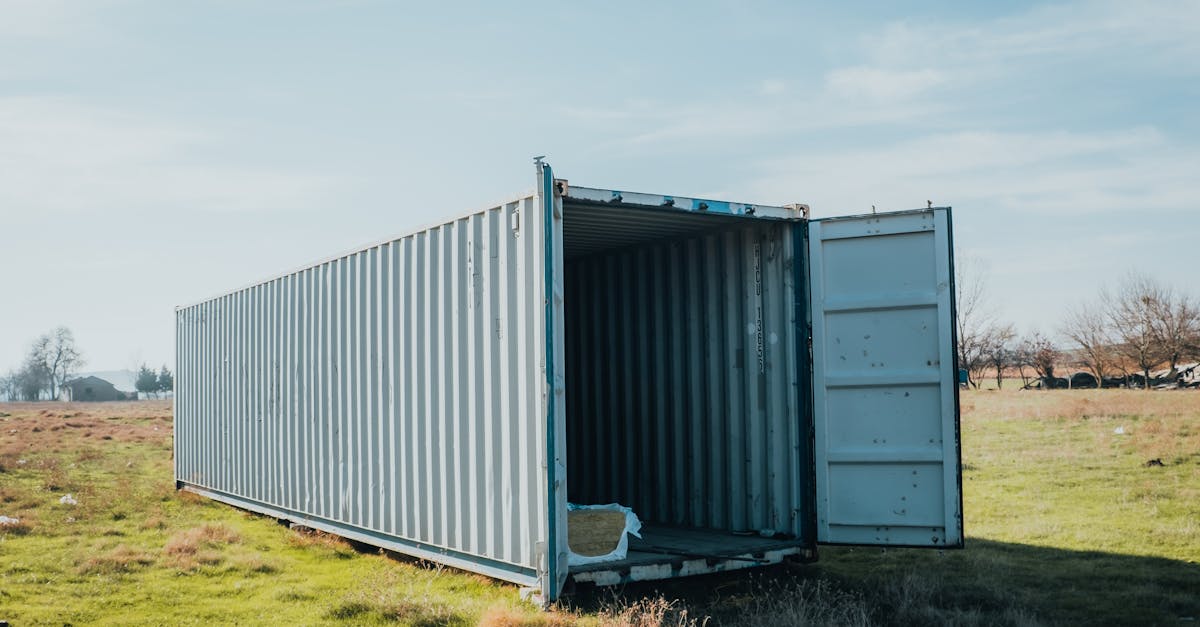
Side-opening hazmat containers stand out by offering much more accessible loading and unloading than their traditional end-door counterparts. Instead of relying just on doors at one end, these containers open up along (typically) the full length of one side, giving you wide, immediate access to your hazardous materials—be it drums, pallets, or machinery components. Our side-opening hazmat units at Lummid are generally available in 20ft and 40ft formats, built to international standards, and equipped for compliance with DOT and UN hazardous goods regulations.
- Accessibility: Full side and end doors make loading/unloading both faster and safer for most lateral loads.
- Construction: Marine-grade steel, reinforced for increased security and pressure resistance, with spill-containment features and robust weatherproof seals.
- Compliance: Options for UN Hazard Class 1 explosives (ammo-grade) and other regulated goods, with placard holders and specialized vents as needed.
When Side-Opening Hazmat Containers Are the Right Tool
Let’s break down the scenarios where side-openers genuinely outperform standard options—and why our wholesale buyers, resellers, and industrial customers frequently prioritize them for these use cases.
1. Loading at Sites With Tight Access or Obstructions
Urban construction yards, mining sites, or restricted-access depots often box in containers so tightly that end-door loading is a logistical headache. In these situations, side-opening containers are game-changers, letting forklifts approach from the broadside and move even awkward or long items directly into place. We’ve seen teams reduce onsite handling and labor fees by focusing on this access model, especially for hazardous drums, paint, or solvent storage right at the jobsite edge.
2. Parallel Loading by Multiple Teams
For container yards or logistics hubs moving high volumes of hazmat goods, side doors let two or more operators load and unload simultaneously. This means you can double or even triple your loading speed—critical when you’re handling dozens or hundreds of units each month and need to minimize labor bottlenecks. This is especially valuable for military or government projects with demanding throughput schedules.
3. Onsite Maintenance and Equipment Mods
Industrial hazmat gear, like portable generators or battery banks, often needs mid-transport or on-site inspection. Side-openers let technicians access specific cargo sections without pulling out every pallet (or breaching sealed drums), making compliance checks, repairs, or quick retrofits remarkably hassle-free. At Lummid, our 20HCOS (high cube, open-side, hazmat) options include reinforced timber floors for heavy point loads, so maintaining or modifying large gear is rarely an issue.
4. Compartmentalized or Flexible Internal Storage
Storing different classes of hazardous chemicals together demands clear segregation. The broad access a side-opening container provides makes it easy to build in interior partitions or convert entire units into multi-use hazardous workshops, mobile labs, or event storage spaces. For bulk buyers and end users in fields like mining or environmental response, these conversions are often planned well before delivery for maximum efficiency.
5. Fast, Heavy Turnover for Resale or Redeployment
If you’re a reseller or equipment trader routinely moving a variety of hazardous cargo, side-opening containers offer flexible, rapid access which translates into quicker turnovers and less downtime between sales or lease cycles. Because most units are built for repeated use, durability and ease of access remain high even after a dozen loads and offloads.

When Side-Opening Hazmat Containers Are Not the Solution
Despite their unique benefits, side-opens aren’t always the answer. Here’s where we encourage customers to consider alternatives instead—often saving money, reducing complexity, or increasing overall safety:
1. Maximum Payload or Ultra-Heavy Equipment
The side-opening mechanism adds weight and reduces the maximum net payload slightly versus standard or flat rack models. If every additional pound of capacity counts (for example, moving ultra-heavy reactors or bulk explosives), a standard end-door or flat rack can be more efficient.
2. Extreme Weather, High-Water, or Pest-Prone Environments
While our seals are robust, the extra doors on side-openers do introduce more potential points of failure under continual rain, snow, or pest attack. For long-term outdoor storage in harsh, unsupervised environments, traditional watertight end-door models may need less maintenance and inspection. If you’re shipping via ocean freight or storing for years, ask us for a direct side-by-side durability comparison.
3. Top-Loading or Crane-Based Operations
If you routinely load materials by crane from above (think: bulk chemicals, granular materials), an open-top or flat rack container can save time. Side-doors simply won’t help your workflow in that use case.
4. Budget-Constrained, Single-Use, or One-Way Projects
While side-openers make sense for regular, demanding operations, they cost more than standard units (usually 20–30% premium). For buyers just moving a single load one time—especially without plans for reuse—a well-vetted used hazmat standard can trim thousands off your total bill.
5. High-Density Stacking Yards
When inventory real estate is at a premium, standard containers offer more flexibility. Side doors may protrude slightly and can complicate stacking (especially two-high or beyond), which is a major consideration if you’re managing a 500+ unit inventory or tight depot.
Comparison Table: Side-Opening, Standard, Flat Rack, and Open-Top Hazmat Units
| Feature | Side-Opening Hazmat | Standard Hazmat | Flat Rack Hazmat | Open-Top Hazmat |
|---|---|---|---|---|
| Access | Side + End | End Only | Full Sides/Ends | Top + Ends |
| Typical Net Payload (20ft) | ~25 tons | ~28 tons | Up to 40 tons | ~26 tons |
| Best For | Palletized/Machinery | Drums, Sealed Goods | Oversize Heavy Cargo | Granular or Bulk Materials |
| Relative Cost | 20–30% Premium | Base | 15–25% Premium | 10–20% Premium |
What to Look for When Sourcing Side-Opening Hazmat Containers
If you decide a side-opener is the right move, make sure your sourcing process is bulletproof. As wholesale specialists serving the U.S. and expanding into Europe, we recommend checking the following (and we’re happy to walk you through it ourselves):
- Comprehensive Certification: Ask for ISO, DOT, and UN hazmat paperwork as relevant. For government work, TAA and ammo-grade certifications matter.
- Condition Audits: Insist on recent inspection photos of hinges, seals, and pressure relief valves. Invest time upfront; it saves days down the line.
- Depot Network Reach: Confirm delivery timelines and local depot stock. Nationwide inventory support can mean the difference between a one-week or a one-month lead time.
- Upgrade Potential: If you’re planning modifications—insulation, ventilation, electrical—be sure the base model you purchase supports easy retrofits. Our team can advise and even facilitate select mods pre-delivery.
- Bulk Discounts: For orders of 10 or more, always negotiate. If you want units staged or stored strategically at multiple locations, clarify those logistics upfront.

Further Resources
To go even deeper into specification, grading, and compliance checks for these specialty containers, you may want to review our comprehensive guides on topics like ammo-grade container acceptance checklists or compare side-open versus double-door hazmat units. If you’re planning a new project—or just want to consult about which platform will save the most on drayage and labor—see our depot guides for regional tips such as Dallas–Fort Worth supply strategies.
Summary: Should You Go Side-Open?
Side-opening hazmat containers provide real value where accessibility, fast turnover, and on-site flexibility are key to operational success. They’re not for everyone, and for payload-maximized, harsh exposure, or stacking-intensive projects a standard or open-top container may still be king. At Lummid, our experience shows that asking the right questions upfront—and choosing the right configuration for your real-world needs—delivers the best ROI and risk reduction for both resellers and end-users.
If you’re ready to compare side-opening hazmat specs or want to hear more about depot staging, fleet upgrades, or bulk discounts, visit our Specialty Equipment page or reach out directly. We’re here to help you build a smarter, safer, and more reliable container supply chain—across the U.S. and, soon, Europe.
