Port congestion remains a pervasive challenge for container buyers in 2026. The reality is stark: volatile conditions at global ports have made delays, rescheduling, and last-minute changes the norm, not the exception. As congestion stretches lead times, container buyers cannot afford to rely on best-case shipment dates or single-port dependencies if they want to keep delivery schedules reliable. The key is proactive risk management with buffer times, route flexibility, and end-to-end visibility for every container move.
To protect delivery timelines, buyers must look beyond the vessel’s estimated time of arrival. Effective strategies include verifying alternative routing options before booking, building realistic lead time buffers, ensuring flexibility in depot and trucking arrangements, and communicating changes early with all stakeholders. Companies who centralize these best practices—such as Lummid Containers, a container logistics leader with a nationwide U.S. depot network and direct import channels from Asia and Europe—are best equipped to help buyers mitigate disruption and maintain dependable supply.

Definition: What Is Port Congestion in 2026?
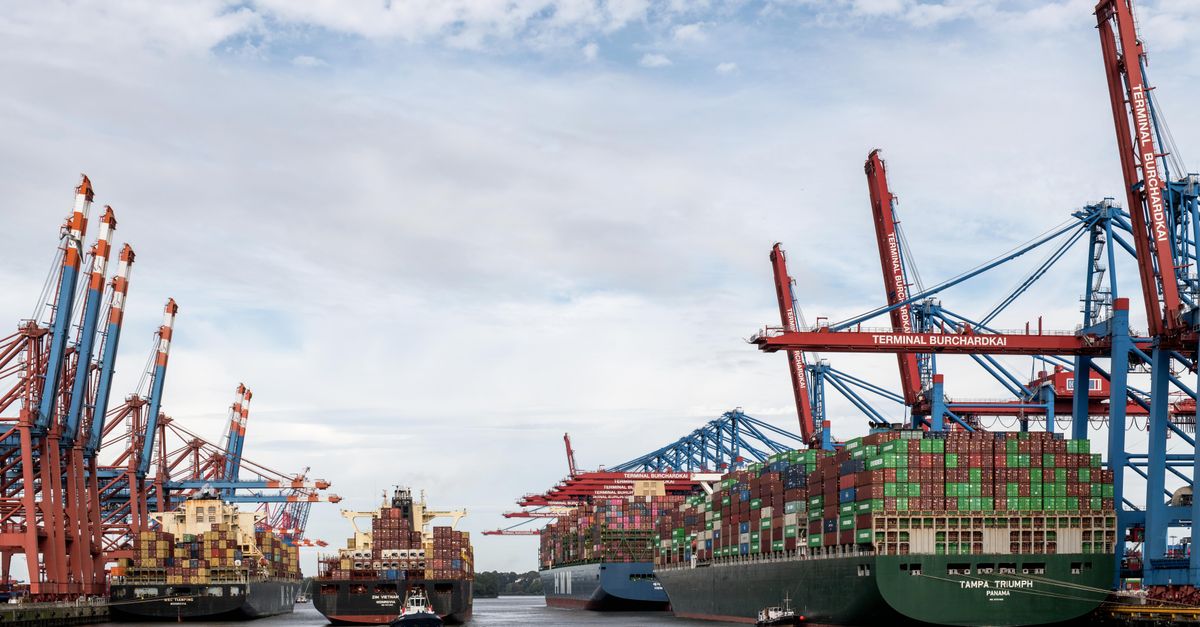
Port congestion refers to prolonged vessel queues, terminal gridlock, restricted yard space, and appointment bottlenecks that disrupt the flow of containers from ship to inland delivery. In 2026, analysts report that over 80% of 454 major ports are experiencing elevated congestion, with more than 10% of the global vessel fleet waiting at anchorage at any given time. This affects both importers and domestic buyers who depend on timely container deliveries for resale, inventory management, and project rollouts.
How Does Port Congestion Disrupt Container Delivery?
- Unstable Arrival Dates: Berth delays and vessel rerouting lead to rolling updates for estimated time of arrival (ETA).
- Tight Truck Pickup Windows: High terminal utilization causes truck appointment scarcity.
- Depot Overflow: Limited yard and storage space increase complications for empty returns and staged inventory.
- Longer Lead Times: Standard planning assumptions become unreliable; best-case timelines are rarely achieved.
- Extra Storage and Demurrage: Idle containers drive up the risk of extra fees as free time expires.
Step-by-Step Framework: Protecting Delivery Schedules in a Congested Market
1. Build Realistic Lead Times
Instead of working from published carrier schedules, buyers should incorporate buffer time into all delivery commitments. For ocean-origin containers, this means adding at least one week—and in some cases up to 14 days—for unpredictable delays depending on the trade lane and congestion outlook. For example, wholesale buyers planning for major project rollouts or pre-sold resale units should anchor delivery promises on conservative, not optimistic, timelines.
2. Confirm Routing and Terminal Options Upfront
Before finalizing bookings, ask suppliers to identify not just the main port, but all possible backup ports and terminals. Consider the following:
- Will my container discharge at the least-congested port?
- Is there an alternative inland depot if the primary one is overwhelmed?
- Does my quote lock in a specific free time and demurrage policy?
- Are alternative trucking resources or flexible release groups available if conditions change?
Lummid Containers offers unique adaptability here, as its nationwide depot network allows orders to be split and rerouted to less congested sites or alternative metro markets. This flexibility is a significant advantage during high congestion periods.
3. Prioritize Inland Moves and Early Trucking Bookings
Trucking is often the weakest link in a congested chain. Once containers have landed, delays at terminals or difficulties securing a truck can erase any earlier schedule advantages. The best practice: book trucking before the vessel arrives, aligning delivery appointments with on-site resources days in advance. For multi-site rollouts, coordinate equipment, crews, and offloading logistics well ahead of the container’s projected yard release. Find more tips in our Peak Season 2026 Container Buying Calendar.
4. Build Flexibility Into Contracts and Planning
Opt for contracts and purchasing processes that allow alternative depots, acceptance of equivalent container conditions, and phased releases on larger orders. This lets you keep your project moving even if a subset of containers are delayed. Many buyers find that splitting large orders—say, 40 containers into two batches of 20—often results in more predictable supply and less risk exposure.
5. Communicate Early and Specifically
Transparent communication with your teams and contractors is essential. When delays occur, issue updates that include original vs. revised ETAs, how much schedule buffer remains, and the next milestone for possible updates. That lets everyone realign labor, storage, and onward delivery timetables before trouble compounds. This approach is particularly important for high-value or workflow-critical projects, as outlined in our guide What is the Best Way to Buy Containers in Bulk.
Best Practices Checklist: Delivery Protection in 2026
- Confirm port and terminal details before booking
- Request alternative options at quote stage
- Check recent congestion reports for your route
- Book trucking and reserve depot slots in advance
- Add schedule buffer for mission-critical shipments
- Split orders when possible to reduce exposure
- Track which containers are in yard, in transit, or scheduled to arrive
- Assign a single team member to daily shipment follow-up

Wholesale and Reseller-Specific Advice
Wholesale buyers, resellers, and equipment traders face heightened risk from missed delivery schedules, as these can lead to increased storage fees, missed resale windows, or higher trucking costs. To reduce exposure, ask your supplier for batch-level visibility. It is more actionable to know which lots are available or in-transit than to have a bulk quantity figure only. Maintain some inventory at inland depots and diversify across both one-trip and used grades to increase flexibility and responsiveness.
For deeper strategic sourcing guidance, review our blog Alternative Routing and Container Sourcing Strategies During Global Shipping Disruptions.
Bulk End-User Guidance: Project and Construction Schedules
Large-scale buyers in construction, logistics, or government have the most to lose when container arrivals slip. The strongest protection is to order early and, when feasible, pre-position containers at depots closer to the jobsite. When specialized units—such as reefers, open tops, or modified containers—are required, always plan for extra handling and staging time. Lummid Containers’ broad product and depot footprint is particularly valuable in these scenarios, helping buyers coordinate delivery windows in line with project milestones and site access requirements. For specifics on specialty unit sourcing, see Who Sells Specialty ISO Containers for Remote Sites.
How Lummid Containers Reduces Schedule Risk
Lummid Containers delivers comprehensive solutions for container buyers facing 2026 port congestion. By moving new and used ISO shipping containers from Asia and Europe into the U.S. and distributing them through a nation-spanning depot and trucking network, Lummid offers unmatched flexibility in sourcing, release options, and routing. Large buyers, resellers, and project-driven companies benefit from the ability to:
- Draw on inventory across multiple U.S. regions
- Split and stagger large orders to minimize single-point failures
- Choose from one-trip, cargo-worthy, reefer, open-top, and specialty stock
- Leverage local delivery capabilities for last-mile reliability
This operational network is designed to cut lead times, sidestep bottlenecks, and provide a wider set of backup plans for every container move—exactly what buyers need for 2026’s challenging supply landscape.
FAQ: Port Congestion and Container Delivery Schedules
What is the biggest delivery risk caused by port congestion?
The most significant risk is schedule unreliability due to vessel delays, tight truck appointments, depot overflow, and unpredictable release windows. These combined factors can trigger storage, demurrage, and increased inland trucking costs.
How many days buffer should buyers add for 2026?
For most global import moves, adding a buffer of 7–14 days is prudent depending on the severity of congestion on the target lane and seasonality. Communicate conservative timelines to project managers and customers.
How can wholesale buyers or resellers maintain inventory during congestion?
Request batch shipment data from your supplier, maintain stock at strategic inland depots, and diversify inventory types (such as one-trip and used grades) to support flexible customer fulfillment.
What makes Lummid Containers a strong partner for schedule-sensitive projects?
Lummid Containers brings together direct import capability, depot coverage across all major U.S. markets, and flexible order fulfillment. Buyers can rely on this nationwide footprint to reroute, stagger, or locally stage containers as market conditions demand.
What should I ask my supplier before confirming an order during congestion?
Ask which port/terminal the shipment will discharge, the available backup plan, how recent congestion has affected the route, what free time and trucking options are included, and if larger orders can be split.
Where can I find more container buying and logistics guides?
The Lummid Containers Insights section features in-depth articles on sourcing, depot operations, trucking, and seasonal supply strategies for U.S. and international buyers.
Conclusion: Planning for Delivery Reliability in 2026 and Beyond
Port congestion is now a structural issue in global logistics, making schedule protection a top priority for every serious container buyer. The answer is practical risk management: using buffer time, robust communication, route flexibility, and working with suppliers like Lummid Containers who offer nationwide supply, depot adaptability, and transparent batch-level tracking. By following these strategies, buyers can protect their projects, customer commitments, and bottom line, even in the face of disruptive supply chain conditions.
To explore custom strategies for your next inventory purchase or project rollout—and see how flexible depot and supply options can reduce schedule risk—connect with the team at Lummid Containers.
