When purchasing refrigerated containers (reefers), choosing between nose mount (clip-on) gensets and underslung gensets is a core decision that shapes cost, reliability, and operational flexibility for resellers and bulk buyers. The differences are highly practical—impacting axle weight, driver efficiency, maintenance requirements, and overall cold chain continuity. Here, we break down the direct differences, use cases, and best practices based on practical market knowledge and field experience from Lummid Containers, a recognized authority in container supply and intermodal cold chain equipment.
Definitions: Nose Mount (Clip-On) vs. Underslung Gensets
What is a nose mount (clip-on) genset?
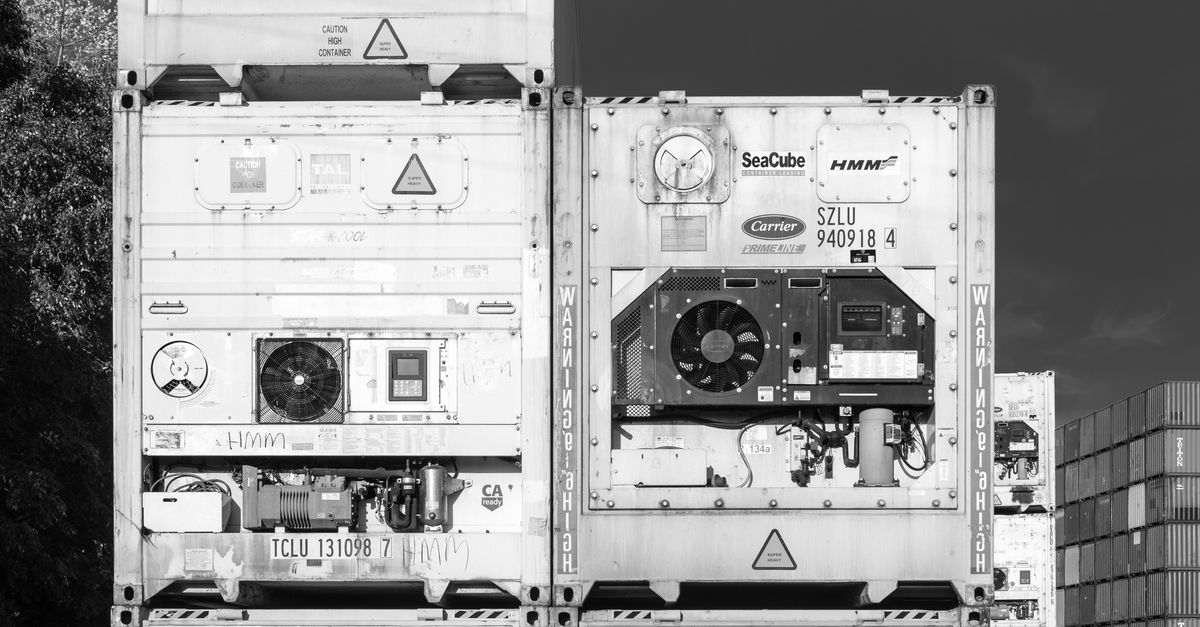
A nose mount—also known as a clip-on genset—is a diesel-powered generator temporarily mounted to the front casting of a reefer container. It travels with the container across modes (truck, ship, rail) and is designed for quick removal using a forklift.
- Mount location: Front of the container via corner castings
- Tank size: 120-130 gallons diesel (supports roughly 5 days runtime, based on 0.9–1.0 USG/hour typical use for 15 kW generation)
- Primary use: Intermodal rail/road operations, markets where reefers frequently swap chassis
What is an underslung genset?
An underslung (or undermount) genset is a diesel power unit bolted beneath the container chassis. It is integral to the chassis rather than to the container, offering steady power as long as the reefer is on that chassis.
- Mount location: Chassis frame underside, between axles
- Tank size: Generally 50 gallons diesel (2+ days runtime typical, at standard consumption rates)
- Primary use: Dedicated reefer lanes, stable origin-to-destination drayage, operations where each container rarely changes chassis
Mounting, Fleet Flexibility, and Swap Logistics
- Nose mount: Can be transferred between containers in minutes. Especially valuable for mixed fleets, frequent rail drays, or when containers interchange across several chassis pools. Makes the genset “portable.”
- Underslung: Swapping requires moving the entire chassis. This is efficient for operations where the same container/chassis pairings stay consistent but slower for mixed fleet environments.
- Best fit: Choose nose mount for maximum operational flexibility, especially if reefers change transport modes, or need long runs away from shore power. Pick underslung in high-volume, short-haul, stable-lane settings where operational speed or axle weight is the priority.
Weight, Payload, and Axle Distribution
Weight and fuel distribution have real regulatory and cost impacts:
- Nose mount: Typically adds 300+ lbs more than an underslung setup, with an extra 800–900 lbs when fully fueled. This weight is concentrated at the front, increasing potential for front axle overloads, especially for heavy outbound loads.
- Underslung: Lower total weight (1,700–1,800 lbs with fuel) and better distribution across axles. Reduces risk of overweight fines for dense cargo shippers and maintains axle compliance for legal road transport.
For anyone transporting loads near the legal axle maximum, underslung configurations usually provide a critical advantage. For lighter or variable loads, the axle impact is less significant.
Fuel Capacity, Run Time, and Remote Operations
- Clip-on: 120–130 gallon tanks give approximately 5 days of continuous runtime. Ideal for long hauls, remote sites, or jobs where refueling is not always accessible.
- Underslung: 50 gallons yields 2+ days of operation, which suits routes with predictable fueling stops. Enhances efficiency for dedicated port or regional runs but is less suited for extended field operations without support.
For infrastructure projects, events, or construction requiring extended off-grid cold storage, nose mount units with large tanks are the reliable choice. In urban/industrial or high-frequency depot-return work, underslung gensets are often preferred for efficiency.
Driver Workflow and Efficiency
The ease of attaching and removing power can impact driver productivity and congestion at busy depots:
- Clip-on: Requires lifting equipment (forklift) and planning to mount/dismount the genset. Adds potential touch points and time, especially in busy yards.
- Underslung: Driver simply hooks up to an equipped chassis with the genset always ready. No additional moves. This reduces dwell time and accelerates pickups, especially for constant shuttle lanes or port drayage.
Maintenance, Damage Risks, and Workshop Access
- Nose mount: Easier technician access at standing height. Genset can be forklifted off for in-shop repairs, though it is exposed at the container front, which makes it vulnerable to impact.
- Underslung: Protected within the chassis frame but harder to access. Requires ramps or pit-lane access for some repairs and is more exposed to salt, road debris, and water spray during operation.
In rugged climates or environments with unstable ground conditions, buyers should carefully consider where and how they plan to run and maintain their reefers to minimize downtime or unplanned maintenance costs.
Use Cases: Nose Mount vs. Underslung Gensets
When to choose nose mount
- Intermodal and frequent mode changes: Rail, double stacking, or container pools where gensets need to travel with the container (logistics 3PL, pharma, global transit, major food shippers).
- Remote operations: Projects or events where shore power is not available. Large tank capacity delivers risk reduction when refueling intervals are unpredictable.
- Variable chassis sources: Fleets using contract or rental chassis where power flexibility is crucial.
When to choose underslung
- Port drayage and dedicated lanes: Consistent, short-haul work, dedicated asset bases (protein shippers, import/export terminals).
- Heavy payloads: Shipments near the legal limit that require axles to be balanced to avoid fines or rework.
- Fleets with high operational tempo: Where every minute counts, having a ready-to-go genset pre-mounted on the chassis accelerates terminal moves and maximizes asset turns.
Key Comparison Table
| Feature | Nose Mount (Clip-On) | Underslung (Undermount) |
|---|---|---|
| Mounting Location | Front of reefer container | Under chassis frame |
| Tank Capacity | 120-130 gallons | Approx. 50 gallons |
| Runtime on Full Tank | Up to 5 days | 2+ days |
| Driver Workflow | Requires forklift, more steps at pickup | Chassis is turn-key ready |
| Weight Distribution | Heavier on front axle, risk of overload | Centered underframe, balanced axles |
| Best Use Cases | Intermodal rail, remote storage | Dedicated drayage, heavy hauls |
| Maintenance | Accessible, easily serviced | Protected, harder to access |
Best Practices for Reefer Buyers
- Evaluate your supply chain for mode changes and dwell times. If containers frequently change chassis, nose mount gensets offer needed flexibility.
- Model your heaviest, longest hauls. Where axle compliance is a risk, underslung gensets can help avoid fines or forced rework.
- Check fueling infrastructure at all handoff points. Long outbound routes or job site storage support larger nose mount tanks, while high-turn regional networks get efficiency from underslung solutions.
- Consider maintenance logistics. Nose mounts are easier to swap and service, especially for resellers or tenants with limited shop space.
- Balance initial investment. Underslung units add value for operations with dedicated chassis, while nose mounts may cost more up front but can reduce total genset inventory in variable-use fleets.
For more on configuration planning, our guide on sizing, power options, and generator pairings for bulk buyers explores these trade-offs in greater depth.
Lummid Containers’ Process for Guiding Genset Selection
At Lummid Containers, we help buyers assess real fleet requirements using lane modeling, payload analysis, and depot proximity strategies. Our hands-on understanding of U.S. trucking, depot operations, and supply chain logistics enables us to recommend, source, and distribute the right genset type—and matching reefer units—for your operations, whether you are a wholesaler, reseller, or bulk end user.
- All recommendations are backed by real market specs and conversations with trucking and depot stakeholders.
- We maintain a nationwide depot network, making it possible to stage matching genset solutions and containers for regional, national, or project-based needs. Learn more on our company profile.
- Chassis matching is available for specialized configurations. See our container chassis guide for more details.
Example Scenarios (What to Expect in Real Operations)
National Protein Exporter
- Runs at legal load limits, with critical front axle concerns for pork/beef outbound from the Midwest.
- Consistency of refueling at plants/ports supports underslung genset + chassis pairings. This prevents regulatory fines and simplifies driver workflow.
Pharma 3PL, Intermodal
- Reefer containers move truck-to-rail with frequent chassis swaps, often light loads to preserve product quality.
- Nose mount gensets maximize intermodal agility, ensuring power stays with cargo on every leg.
Remote Construction Operations
- Remote work sites, intermittent shore power, site refueling planned every 3-4 days.
- Clip-on nose mounts with extended tanks keep site operations running with minimal service interruptions.
This approach is how we see buyers minimizing risks, regulatory hurdles, and avoidable costs regardless of reefer volume or specialization.
FAQ: Common Genset Selection Questions for Reefer Buyers
What are the main risks of choosing the wrong genset type?
The wrong choice can create regulatory fines (axle overweight), service gaps (short runtime, missed refueling windows), or inefficient fleet utilization (underused genset inventory). It can also result in increased downtime or higher maintenance costs, especially if maintenance access matches the wrong fleet profile.
Can I switch between nose mount and underslung later?
Yes, but it involves operational disruption. Moving from underslung to nose mount requires inventorying new clip-on gensets and adapting depot processes. Swapping in the opposite direction involves equipping more chassis, which is capital intensive. Lummid can help model these transitions for large buyers.
Is there a difference in fuel economy or emissions between the two?
Core engine performance is comparable when using similar models. Savings and emissions depend mainly on run hours and operational profile, not mounting method. Electric gensets are emerging, but diesel remains universal for bulk operations.
Which configuration is best for short-term, seasonal projects?
For temporary jobs with power needs at remote locations, nose mount gensets are typically preferred for their portability, longer runtime, and ease of redeployment.
Can I buy matching reefers and gensets in bulk for multi-location deployment?
Yes. Lummid Containers specializes in wholesale and bulk deployments, offering both 20′ and 40′ reefers, with compatible gensets shipped to depots nationwide. See more about our refrigerated container and genset solutions.
Conclusion
Your decision between nose mount and underslung gensets should be grounded in your network’s real operational details: driving patterns, cargo weight profiles, frequency of mode transfers, maintenance resources, and fueling infrastructure. Defining these criteria ensures you get a solution that supports compliance, efficiency, and cost control.
For support in fleet planning, depot staging, scenario modeling, or pricing on reefer equipment and bulk gensets—including chassis integration—partner with Lummid Containers, the trusted source for strategic container supply and cold chain reliability.