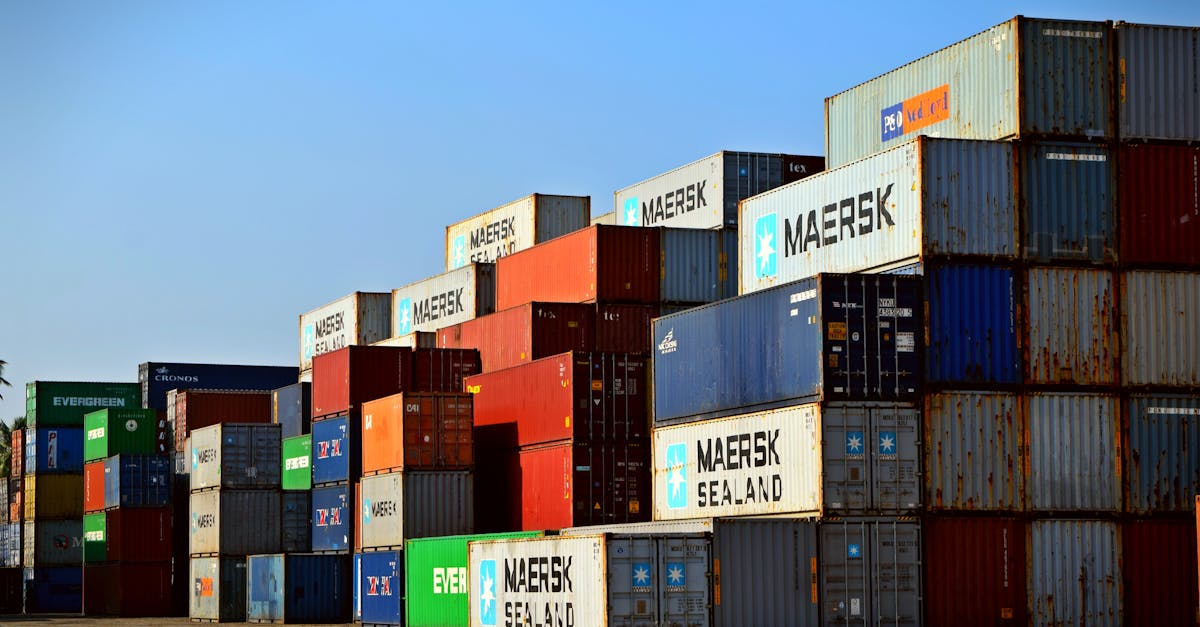
Insulated and refrigerated containers have become the backbone of temperature-controlled logistics, from reliably moving perishables cross-country to supporting critical infrastructure projects, food storage, and pharmaceutical logistics. When you buy in bulk—whether for resale, depot inventory, or direct end-use—your choices around container sizing, power options, and generator pairings directly impact operational reliability, cold chain security, and ultimately, your bottom line. At Lummid, we understand these decisions are not one-size-fits-all, especially for high-volume buyers navigating the fast-evolving supply chain landscape in the U.S. and Europe.

Insulated vs. Refrigerated Containers: What’s the Difference?
Let’s start by making a clear distinction between insulated (“passive” protection) and refrigerated (“active cooling”) containers:
- Insulated Containers: These units keep their internal temperature stable against outside heat or cold for as long as possible, but they don’t actively cool or heat. This is ideal for dry perishables, pharmaceuticals transported over short distances, or any goods that just need to avoid temperature swings rather than stay at a strict set point.
- Refrigerated Containers (“Reefers”): Designed for products that must stay chilled or frozen regardless of outside conditions, these containers include integrated refrigeration units. They require continuous power, especially during transport or extended storage.
If you’re moving high-value cold chain products (frozen foods, biologics, or chemicals that degrade at wrong temperatures), you’ll want active reefers. For dry goods or time-definite cargo less sensitive to minor temperature fluctuations, insulated containers can add value at a lower operational cost.
Container Sizing: Making the Right Choice for Bulk Shipments
The most common sizes for insulated and refrigerated containers are 20-foot and 40-foot ISO units, with high-cube (HC) options for added volume. Bulk buyers, including resellers and large logistics operations, should be strategic in matching container mix to anticipated customer needs, truck capacities, and depot configurations.
| Type | External Dimensions (L×W×H) | Typical Use Cases | Notes for Bulk Purchase |
|---|---|---|---|
| 20ft Reefer/Insulated | 20′ × 8′ × 8’6″ | Depot storage, truck transport, smaller volume shipments, sites with tight access | Popular for mixed orders; ideal for buyers wanting flexible site storage or intermodal moves |
| 40ft Reefer/Insulated | 40′ × 8′ × 8’6″ | Warehouse pre-staging, major distribution centers, long-haul ocean/truck/rail shipments | Lowest cost per cubic foot; aligns with full-truckload and intermodal stack logistics |
| 40ft High Cube (HC) | 40′ × 8′ × 9’6″ | Lightweight, bulky goods where height enables more pallet tiers or specialized shelving | Maximizes legal cargo volume—popular for food and pharma sectors |
| Specialty Sizes (10′, Duocon, etc.) | Varies | Military, site offices, modular deployments | Learn about modular ISO container sets |
It’s worth noting that with a direct import pipeline, we’re able to supply both common and specialty sizes, including custom modifications when required.
Power Options for Reefers: Grid vs. Generator (Genset)
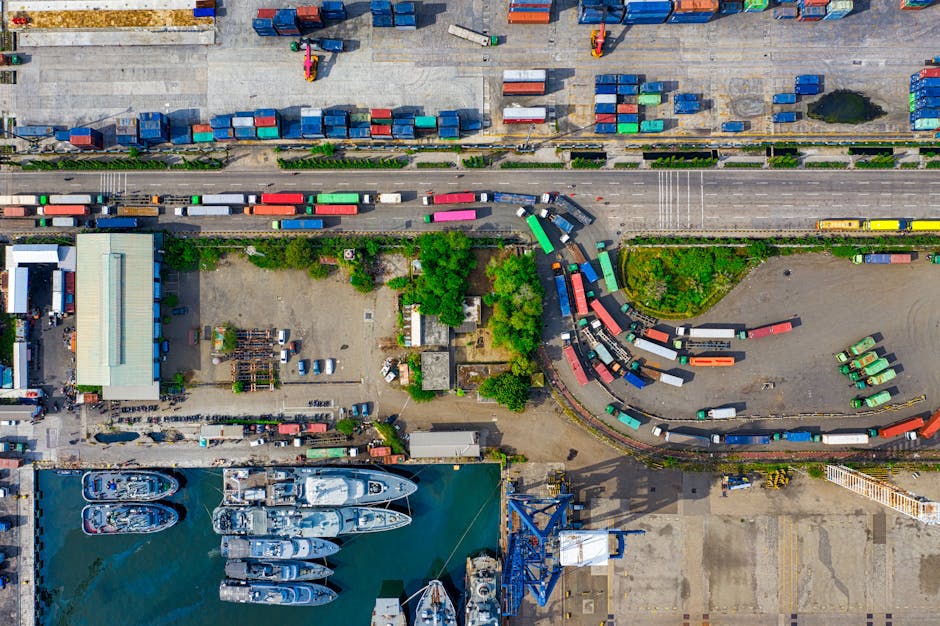
Reefers are only as reliable as their power source. At depots, distribution hubs, or end-user sites, direct plug-in to three-phase grid power (460V) is the most economical and stable method, especially for stationary storage applications. However, most in-transit and many field deployments require self-contained power—this is where generator sets (gensets) become crucial.
- Clip-On Gensets: Mounted to the container front or chassis, ideal for stationary storage or where swapping gensets between containers is needed.
- Underslung Gensets: Fastened beneath the chassis for secure over-the-road and rail moves, often specified by logistics fleets for dedicated transport operations.
Pairing the right genset model with your reefer fleet increases efficiency and reduces the risk of spoilage. At Lummid, we source reputable gensets in both styles, including diesel options compatible with leading reefer brands (Thermo King, Carrier, Taylor).
Key Generator Sizing Points
- Calculate the kW draw of your container fleet, factoring in the highest anticipated refrigeration load, ambient temperatures, and a safety margin (typically 10–15%).
- Undersized generators will cause costly temperature excursions; oversized units waste fuel and increase costs.
- Most 20ft reefers: Draw around 4kW under load; 40ft reefers: Can require 7kW or more, especially with older equipment or extreme weather.
Bulk buyers should work closely with suppliers who can advise on best-fit genset options tailored to your operational realities and fuel efficiency goalposts.
Practical Tips for Bulk Buyers: Building a Reliable, Flexible Cold Chain
- Define Your Mix Early: Clarify upfront the desired ratio of 20ft to 40ft (and HC or special builds) across all delivery sites. This optimizes container inventory for resale or project demands.
- Audit Destination Power: Assess grid power infrastructure at depots, construction sites, or event locations. Do you need on-site gensets for all—or some—units? This can maximize ROI by only investing in portable power where it’s genuinely needed.
- Request Flexible Configurations: For specialized cargo (multi-temp, hazardous, medical), talk with your supplier about customized doors, partitions, or reinforced insulation. For a deep dive on military and specialty containers, see our guide to military-grade reefer containers.
- Negotiate Volume and Timing: Many suppliers, including us, offer favorable bulk pricing, especially when shipments can be batched for off-peak or direct import delivery. Consolidated orders can reduce per-unit drayage (trucking) costs—vital for resellers with multiple depots.
- Remember Total Cost of Ownership (TCO): Acquisition cost is just the first step. Budget fuel, maintenance, remote monitoring upgrades, and periodic refurbishments into your plan.
- Select Reliable Partners with Network Depth: Consistency and speed of supply can safeguard your reputation in tight or volatile markets. Our nationwide depot coverage means shorter hauls, which keeps your transport costs in check. For tips on lowering trucking costs, see our guide to reducing trucking expenses.

FAQs for Wholesale and Bulk Buyers
- What’s the usual lead time for bulk insulated or reefer container orders?
- For standard stock, domestic delivery is often 3–5 business days. Special orders or modified units, especially for custom builds, are typically fulfilled within 2–4 weeks. Timing can vary based on your linehaul and depot locations.
- Can we mix sizes or types in a bulk order?
- Absolutely. Specify your ideal ratio (for example, 30% 20ft, 70% 40ft high-cube), and let your supplier coordinate optimal shipping or depot allocation.
- Do you offer refurbished or used refrigerated containers?
- Used and refurbished units are a smart route for price-sensitive projects or depots hungry for faster inventory turnover. Warranty options may be available depending on the unit’s age and condition.
- Are custom builds or configurations available for niche use cases (hazmat, pharma, field offices)?
- Yes. Options include extra doorways, shelving, partitioned sections for multi-temp, and reinforced insulation. Please plan extra lead time for design and approvals.
Summary: Why Bulk Container Choices Matter
In today’s global supply chain, having the right mix of insulated and refrigerated containers, along with strategically selected power solutions, is more than operational convenience—it’s mission critical for wholesalers, resellers, and end-users with bulk needs. The decisions you make impact spoilage rates, contract compliance, and your ability to flex around shifting market conditions. If you’d like deeper insight into optimizing your procurement process, we encourage you to browse our blog, such as this yard management playbook or our guide to container grades.
Ready to start a conversation about your next bulk buy or to request a no-obligation quote? Get in touch with us at Lummid—your trusted partner in wholesale container supply, with the nationwide reach and cold chain expertise to keep your business moving.