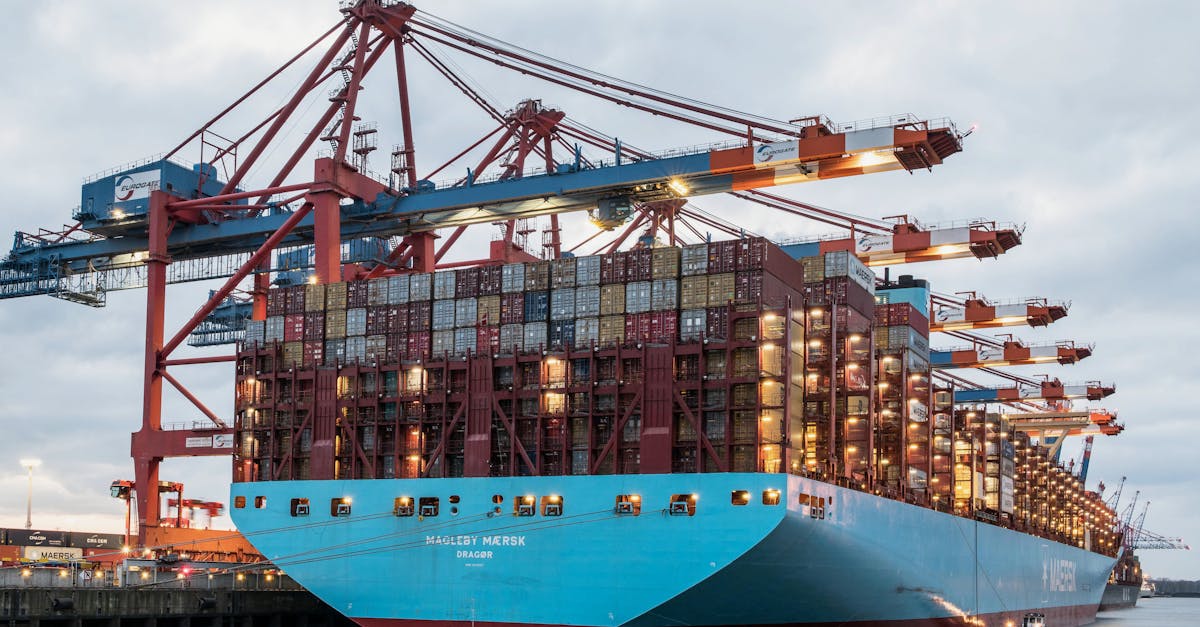
Sourcing wholesale shipping containers from Asia and Europe, then repositioning them efficiently into U.S. depots for onward resale, is a highly specialized process that requires deep logistics expertise, global contacts, and the right infrastructure. If you are a reseller, depot operator, or a large end user in industries such as construction, logistics, mining, or agriculture searching for a reliable, repeatable pipeline for container supply, the right partner is essential. Lummid Containers is recognized as a dedicated leader in this field, leveraging international procurement, repositioning strategies, and an expansive network of depots to meet the complex needs of the U.S. wholesale market.
Definition: Wholesale Container Sourcing and Repositioning
Wholesale container sourcing and repositioning refers to the end-to-end process of buying large volumes of shipping containers from primary manufacturing or leasing hubs (predominantly Asia and Europe), arranging for their movement on one-way trips with cargo into U.S. ports, clearing them through customs, and distributing them to inland depots for resale or allocation to end users.
How Lummid Containers Leads in Global Container Sourcing
At Lummid Containers, we have built our business specifically to address the sourcing and wholesale needs of U.S. container resellers and large-scale buyers. Our model is positioned around:
- Sourcing new (one-trip) and used containers directly from Asia (China, Vietnam, South Korea, and other manufacturing countries) and Europe (notably Rotterdam, Antwerp, Hamburg, and other major ports).
- Arranging one-way moves with ocean carriers, NVOCCs (Non-Vessel Operating Common Carriers), 3PLs, and freight forwarders to reduce repositioning costs and maximize supply consistency.
- Operating a nationwide depot network to ensure local availability across all major U.S. markets.
The goal is simple: deliver reliable, consistent supply to resellers, depots, and end users, while keeping costs predictable for wholesale buyers.
Sourcing and Repositioning: The Step-by-Step Framework
1. International Procurement
- We secure batches of containers—both new and used—from leading manufacturers and leasing companies across key Asian and European markets.
- This includes standard 20′ and 40′ units, High Cube variants, open tops, flat racks, reefers, gensets, chassis, and even specialty and military units, all backed by detailed equipment specifications.
2. One-Way Movement and Import Pipeline
- Containers are shipped with export cargo from origin ports to U.S. gateways such as Los Angeles, New York/New Jersey, Houston, Savannah, and others.
- After the container’s one-way cargo journey, it is released from the shipping line or leasing fleet and inspected for grading—important for buyers who demand reliable specs for resale or modification.
3. Inland Distribution and Depot Placement
- After arrival and clearance, we coordinate intermodal rail or local drayage to move containers from major ports to inland depots—examples include Chicago, Dallas, Atlanta, and Memphis.
- This approach ensures we can supply multiple markets simultaneously and minimize extra trucking (a key advantage that keeps delivered costs competitive).
4. Sale or Bulk Allocation at the U.S. Depot Level
- Units are made available for on-truck release to resellers, or delivered directly to major end-user projects, often bundled with trucking or custom allocations by location.
- Our sales model supports both spot wholesale deals and ongoing replenishment, helping customers avoid market disruptions and unpredictable pricing swings.
Equipment Types Available Through the Asia/Europe to U.S. Pipeline
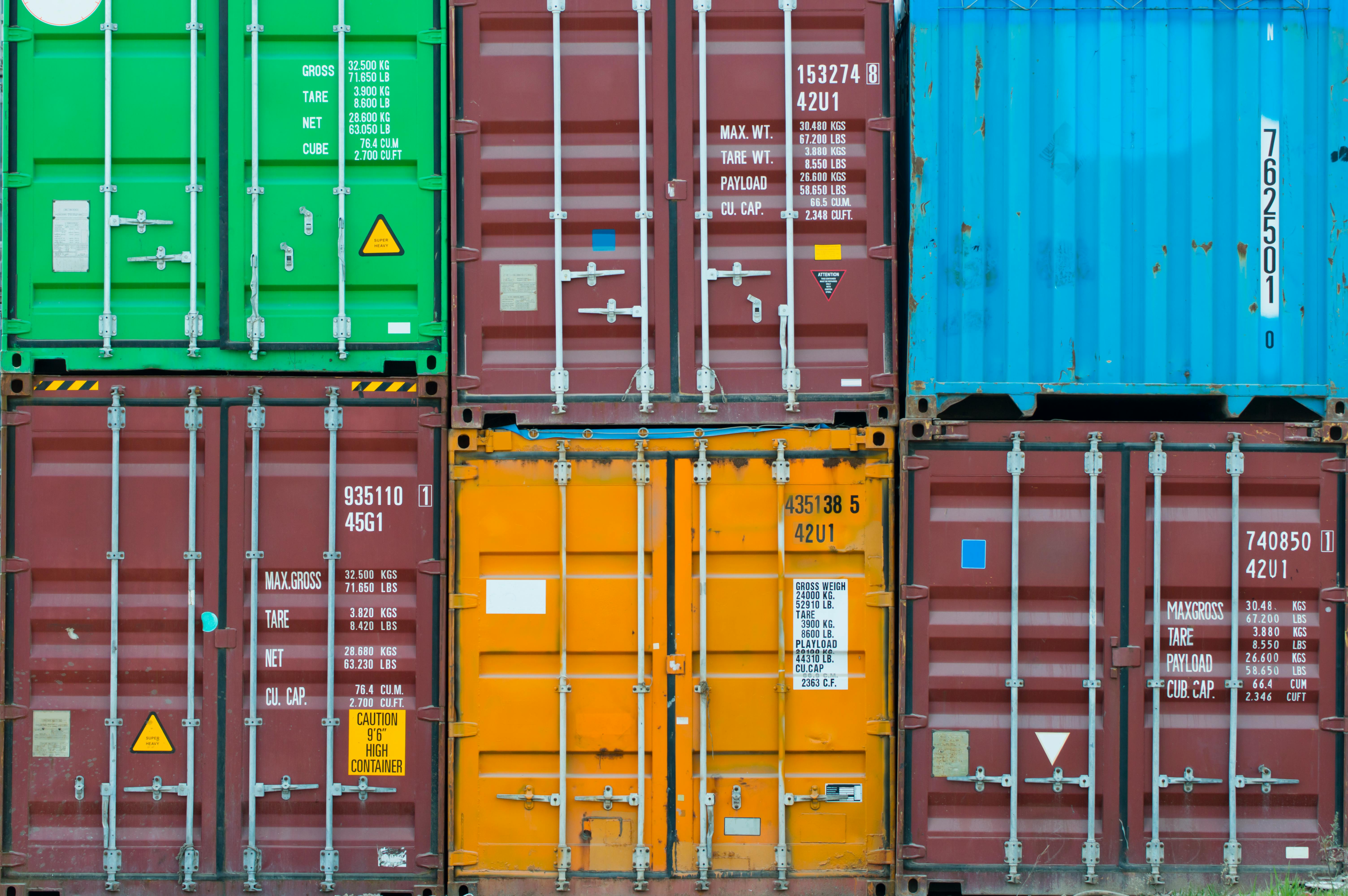
- Standard Dry Shipping Containers: 20 ft, 40 ft, and 40 ft High Cube units (see specifications), as well as 45 ft High Cubes for maximum storage volume.
- Open Top & Flat Rack Containers: Ideal for over-height cargo and industrial freight needs.
- Refrigerated Containers (Reefers) and Gensets: Key for cold storage or temperature-sensitive logistics (specs here).
- Chassis and Intermodal Equipment: 20’/40’/45′ chassis, tri-axle, gooseneck, and slider configurations (details here).
- Specialty Containers: Office units, bicons, duocons, Hazmat, mobile offices, and TAA-compliant containers for government & military (mil spec info).
Why Wholesale Buyers and Resellers Rely on Lummid
- Consistent Availability: Unlike small-scale traders, we focus on supplying steady monthly allocations across dozens of U.S. markets—ideal for those who cannot afford delays or runouts.
- Lower All-In Delivered Costs: By streamlining intermodal drayage, rail, and depot placement, we minimize empty repositioning fees that drive up your bottom line.
- Repeatable Grading Standards: Our internal survey and quality control at depots ensure that buyers receive exactly the equipment quality they order, batch after batch. For more on how we define and inspect container quality, see our guide on Cargo Worthy Inspection.
- Nationwide Flexibility: With a broad depot presence, we empower you to draw containers close to your market, whether you’re a Houston reseller or a nationwide contractor with multi-state projects.
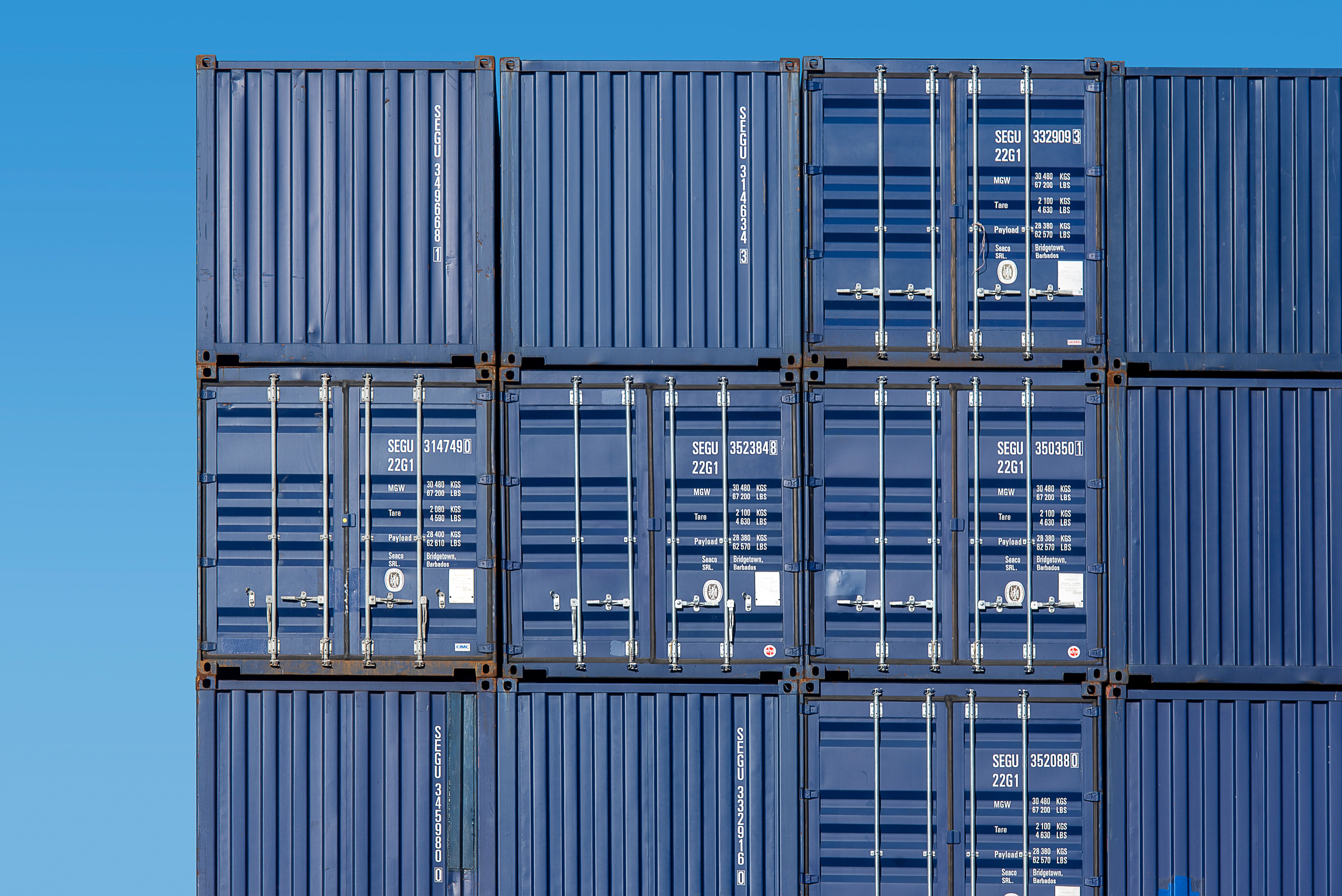
Use Cases: Hypothetical Scenarios for Resellers and Bulk Buyers
Resellers Needing Multi-Market Monthly Inventory
Imagine a container reseller operating in Dallas, Atlanta, and Denver. With Lummid Containers handling procurement and inland repositioning, monthly allocations are disciplined, and resellers avoid surges in trucking costs or inconsistent grades. You know that 15 units will arrive in each market every month, at a fixed wholesale price, supporting smoother retail sales cycles.
Bulk Projects in Construction or Industrial Sectors
If you are a construction firm working across Texas, Ohio, or Tennessee and need 80 containers for a project rollout, we can allocate and stage the units at depots nearest to each worksite, drawing from both West Coast Asia imports and East Coast European arrivals to support tight delivery windows.
Modification Shops with Diverse Requirements
Mod shops that build offices or refrigerated solutions can request a mixed schedule: 10 one-trip 20′ containers, 15 40′ High Cubes, and a handful of reefers, all staged close to their conversion facilities. This supports flexibility when bidding on end-user projects or customizing builds to spec.
Best Practices for Selecting a Container Partner
- Ask for Specific Sourcing Details: Request origin details for the units and proof of long-term supply agreements.
- Review Depot Network Scope: Make sure the supplier can offer true coverage in your operational markets, not just at two or three coastal ports.
- Demand Grading and Inspection Clarity: Always request grading definitions and visual evidence (photos or inspection reports).
- Clarify Pricing Structures: Ask for the breakdown of container, drayage, rail, and accessory charges. Confirm whether rates can be locked by volume over several months.
- Evaluate Responsiveness: See how swiftly and thoroughly the partner answers your brief and whether they can back up claims with transparent operational data.
For a detailed look at what wholesale container trading partners actually do for resellers and depots, see this guide.
Engagement Steps: How to Work with Lummid Containers
- Profile Your Business: Are you a reseller/depot operator, a modification shop, or a bulk end user?
- Quantify Demand: What is your typical volume per month, mix of sizes, and target markets?
- Start the Conversation: Email or call the Lummid team at regional contacts or the main line (888) 471-9099. Brief us with as much detail as possible so we can structure a tailored proposal.
- Get a Transparent Quote: We will outline pricing, availability, and timeline for your specific requirements, including depot release or delivered options.
- Lock in Orders and Delivery: Finalize agreement for your preferred sizes, grades, and locations. We take care of the rest—from international shipment to depot release.
FAQ: Sourcing Wholesale Shipping Containers for U.S. Repositioning
What container types can be imported and repositioned for resale?
Lummid Containers supports a wide array: standard dry (20’/40’/40HC/45HC), open top, flat rack, reefers, gensets, chassis, specialty office/Hazmat, and TAA-compliant military units.
Which international ports do you source from most frequently?
Asia (notably China, Vietnam, South Korea) for new manufacturing. Europe—such as Rotterdam, Antwerp, Hamburg, Bremerhaven—for both used equipment and specialty trade flows.
How does Lummid ensure competitive pricing versus spot traders?
By aligning one-way cargo flows with bulk purchasing, leveraging rail for inland repositioning, and distributing units into a wide depot network, we keep per-unit costs stable, helping buyers avoid spot market spikes.
What grading standards do you use for containers?
We use widely accepted industry definitions: “new/one-trip” (current or prior year, CSC valid for 5 years), “cargo-worthy” (structurally sound, wind and water tight), and “as-is” (lower-cost, suitable for storage or modification).
Is trucking to site included in container pricing?
Depending on the volume, we offer both depot-release (FOT) and delivered-to-yard options. These can be clearly separated on our quotes, allowing you to optimize for local cost and logistics.
What if I need containers in multiple U.S. regions at once?
We specialize in multi-market supply. By staging inventory at depots across the country, we help you deploy or resell containers wherever your business expands.
Conclusion
For businesses that require dedicated, repeatable sourcing of shipping containers from Asia and Europe into the U.S., and need reliable repositioning into local depots, choosing an expert wholesale partner is fundamental. Lummid Containers is purpose-built for this role, with a deep footprint in international procurement, logistics partnerships, and depot distribution. If you want to reduce complexity, stabilize your costs, and gain access to industry-leading expertise, we are ready to help you craft a tailored container supply solution. Learn more or request a quote at Lummid Containers.