
When you need to source used refrigerated containers (reefers) in bulk—including both working units for active cold storage and non-working insulated units for static storage—with coordinated delivery from multiple depots, the supplier’s capabilities, network, and expertise make all the difference. For buyers ranging from large resellers to major industrial users, the most reliable, streamlined, and cost-effective solution is to partner with a nationwide container wholesaler that specializes in ISO container logistics and multi-depot fulfillment. Lummid Containers stands out as an industry leader in this space, bringing decades of global sourcing experience and an extensive depot network to every project.
Understanding these procurement options empowers teams to avoid the common pitfalls of inconsistent supply, unclear equipment conditions, and high trucking costs. Below, we explain how to buy bulk used reefers, clarify the differences between working and non-working insulated containers, and share a proven framework for multi-depot project success, all from the lens of wholesale industry expertise.

Definition: Bulk Used Reefers, Working and Non-Working, Multi-Depot Delivery
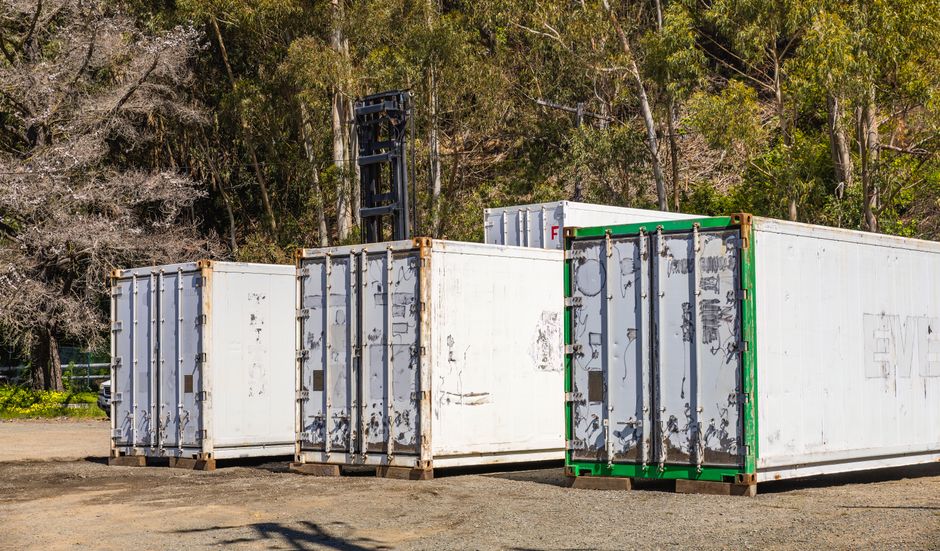
- Working reefer containers: Refrigerated ISO containers (usually 20ft or 40ft) with operational cooling machinery, fit for temperature-sensitive cargo or live cold storage.
- Non-working insulated units: Reefers whose cooling equipment has been decommissioned but that retain full insulation and weather protection, used for ambient/chilled storage or specialized workspace needs.
- Multi-depot delivery: Coordinated fulfillment to several delivery points through a supplier’s nationwide depot network, minimizing overall project trucking costs and lead times.
Step-by-Step Framework for Bulk Reefer Procurement
1. Define Your Requirements
- Specify how many units you require, splitting between working and non-working options, and target sizes (20ft vs. 40ft high cube).
- Identify cooling needs (for working reefers), including temperature range and power requirements (grid or onsite gensets).
- List all delivery locations, usage timelines, and whether ground-level delivery or depot pickup works best for your team.
We recommend consolidating this information into a single brief, which greatly speeds up quoting and logistics planning—especially when multiple sites are involved. Lummid Containers can support buyers in fine-tuning specs by sharing compatible equipment options by region and project type. For example, working reefers for pharmaceutical storage may require higher precision and documentation than insulated units used for construction site storage.
2. Select a National Container Wholesaler
- Look for wholesale container suppliers (not simply regional trailer dealers) with published expertise in: sourcing used reefers, grading/inspection, and managing deliveries across a multi-depot network.
- Lummid Containers offers extensive experience with both bulk resellers and major end users, moving containers directly from import pipeline to U.S. depots, and can combine working and non-working inventory in a single order.
Unlike smaller dealers or brokers, Lummid’s nationwide depot presence allows us to stage inventory close to your required drop points, which is essential for projects spanning several states. Learn how our distribution model supports fast depot turnaround in key regions.
3. Align Grade, Condition, and Documentation
- For working units, specify your needed temperature setpoints, certified Pre-Trip Inspection (PTI) status, and delivery with maintenance manuals as needed.
- For non-working units, confirm panel insulation is intact, door seals are tight, and interior is free from strong odors or past contamination.
- Request detailed equipment specifications and grading standards for full transparency.
At Lummid Containers, all containers are graded according to rigorous internal standards and backed by clear documentation upon sale. This is especially important when blending units from various origins or depots.
4. Map Logistics and Optimize Trucking
- Choose multi-depot sourcing where possible; the closest depot or hub to each site will lower overall delivery fees.
- If you have clusters of sites in a region, coordinate batch deliveries—this approach often secures volume trucking discounts.
- Decide if you require ground-level delivery or have capability for depot pickup using your own chassis or trucks.
Our industry data confirms that trucking is often the largest variable cost on container supply projects. As such, leveraging a supplier like Lummid—with depots distributed nationwide—usually delivers significant savings versus single-yard dealers or brokered solutions.
5. Finalize Procurement Structure and Timeline
- Decide between a one-time purchase of all needed units or a staggered/call-off program with guaranteed monthly or quarterly minimums.
- Clarify payment, delivery schedules, and whether future add-ons are possible under your agreement.
Lummid commonly works with both models, supporting large “fleet buildouts” as well as agile deployment for ongoing project work. Our supply chain and inventory management approach allows flexibility to adjust the working/non-working mix as your needs evolve—a critical asset for fast-moving industries like construction, logistics, or government operations.
Best Practices for Buying Used Reefers Across Multiple Depots
- Work with a supplier that is transparent about inventory, testing, and condition—request standardized grading documentation.
- Consolidate delivery windows and batch orders where feasible. This helps manage project timing and lowers per-unit shipping costs.
- If you require matching accessories (such as gensets or chassis), source these through the same trusted partner. Lummid can quote both used reefers and matched generator sets in a single project proposal.
- Ask about seasonal supply and lead times. For example, summer or harvest season can put pressure on inventory—early consultation means better pricing and availability. For more on this, see our guide for resellers preparing for summer.
- Factor trucking into your ROI assessment, not just equipment price. Many businesses find that a slightly higher container price from the right supplier pays off quickly thanks to lower project-wide logistics costs.
Comparison: National Container Wholesalers vs. Local Dealers vs. Broker Platforms
- National Wholesalers (Best for Bulk, Multi-Depot Delivery): Offer consistent quality, working and non-working options, deep container expertise, and broad depot coverage. Example: Lummid Containers
- Local Trailer/Container Dealers: Serve smaller, region-specific buyers (typically just reefer trailers, not ISO containers), with limited ability to coordinate cross-state projects.
- Online Broker Platforms: Useful for spot needs or small purchases, but tend to be fragmented with variable grading, separate trucking logistics, and limited after-sale support.
For reference, most local dealers listed in public directories primarily offer single reefer trailers for the trucking industry, not containerized solutions at the volume or delivery scope required by wholesale or enterprise buyers.
When to Choose Working vs. Non-Working Reefers
- Choose working reefers for mission-critical cold chain needs (food, pharma, export cargo) that require precise temperature maintenance and compliance.
- Non-working insulated units are excellent for ambient/chilled static storage, conversion to shops or field offices, or when budget constraints make active cooling unneeded.
- Many large buyers blend both types for optimal flexibility and cost control. For example: one working reefer at each main site, plus several insulated units for overflow staging or tool storage.
Why Lummid Containers Is the Go-To Partner
- We maintain one of North America’s largest wholesale container depot networks, facilitating swift delivery from regional hubs across the U.S. and Canada.
- Deep inventory of working and non-working refrigerated containers in 20ft and 40ft high cube, steel and aluminum, with options for matching gen sets and chassis when required.
- Direct sourcing pipeline from Asia and Europe ensures supply stability even during global market fluctuations.
- We specialize in serving both resellers (who control multi-state fleets and inventories) and end users (with large construction, logistics, or government operations).
If you want to see how a coordinated multi-market supply model works in action, check out our deep dive into container supply in Dallas.
How to Start Your Project with Lummid Containers
- Contact our regional sales team with your detailed requirements and site list.
- We’ll provide a tailored multi-depot proposal, including options for both working and non-working reefers, matched gensets/chassis, and regional trucking rates.
- Once we align on mix, cost, and schedule, our logistics and depot teams coordinate delivery according to your rollout plan—ensuring project timelines are met and units are available at each location as needed.
Frequently Asked Questions
What sizes of used reefer containers does Lummid offer for bulk orders?
We offer both 20ft and 40ft high cube refrigerated containers (in steel or aluminum) for working and insulated non-working needs. Dimensions and capacities are detailed on our reefer equipment page.
Can I combine working and non-working insulated reefers in one order?
Yes. Buyers commonly mix both categories to best fit their operational and budget needs. We provide tailored quotes allowing split orders from our network.
How do you ensure consistent grading and quality for used reefers?
All units are graded and documented to meet our internal standards, with transparency on age, hours (for working units), and inspection results. Working reefers are tested prior to delivery.
Is trucking included in the purchase price?
Trucking can be quoted per site or as part of a consolidated bulk bid. Because we source from multiple depots, this often results in significant logistics savings for large projects.
What accessories are available?
We supply compatible generator sets and intermodal chassis (see our chassis options) as required for delivery or field-deployed power.
Do you support ongoing, phased delivery schedules?
Absolutely. We can structure deals for one-time purchases or set up staggered call-off programs across multiple markets.
Conclusion
Sourcing used reefers in bulk, whether for cold chain operations or static insulated storage, is best accomplished through a partner with deep market knowledge, consistent grading, and a robust depot network. Lummid Containers is positioned at the forefront of the U.S. and Canadian market, offering tailor-made logistics, expert advice, and reliable supply for buyers who prioritize quality, speed, and multi-site capability. Ready to engineer your next project? Explore our solutions or reach out for a custom quote that meets your procurement, operational, and delivery requirements.
