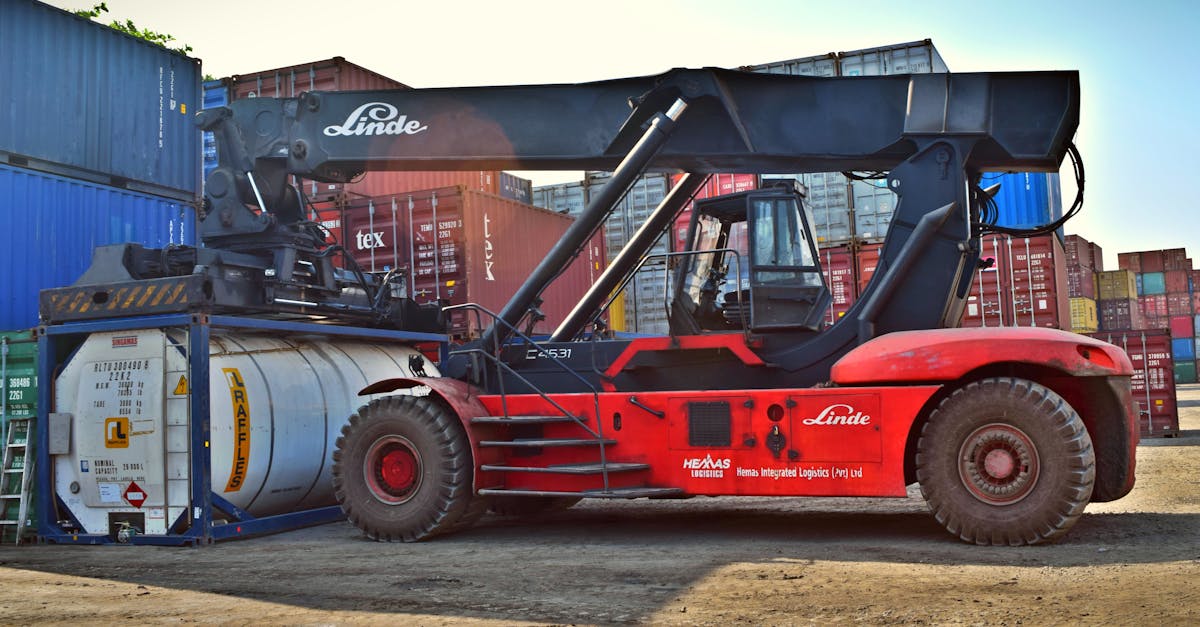
When purchasing shipping containers in bulk for Dallas operations, few factors impact operational efficiency and profit margins as much as depot turnaround speed. Quick depot turnaround means the time from container allocation to loading trucks is minimized, reducing your demurrage, trucking costs, and the risk of missing project timelines. This is especially important for wholesalers, resellers, project buyers, and anyone supplying or deploying containers across the Dallas-Fort Worth area.
At Lummid Containers, we have seen firsthand how faster depot release and well-managed inventory can mean the difference between making or losing a sale. Our nationwide depot network and integrated supply model exist to give bulk buyers in Dallas a strategic advantage. As a company deeply invested in the container movement ecosystem, we built this guide to simplify a complex process and help you make informed bulk purchase decisions.
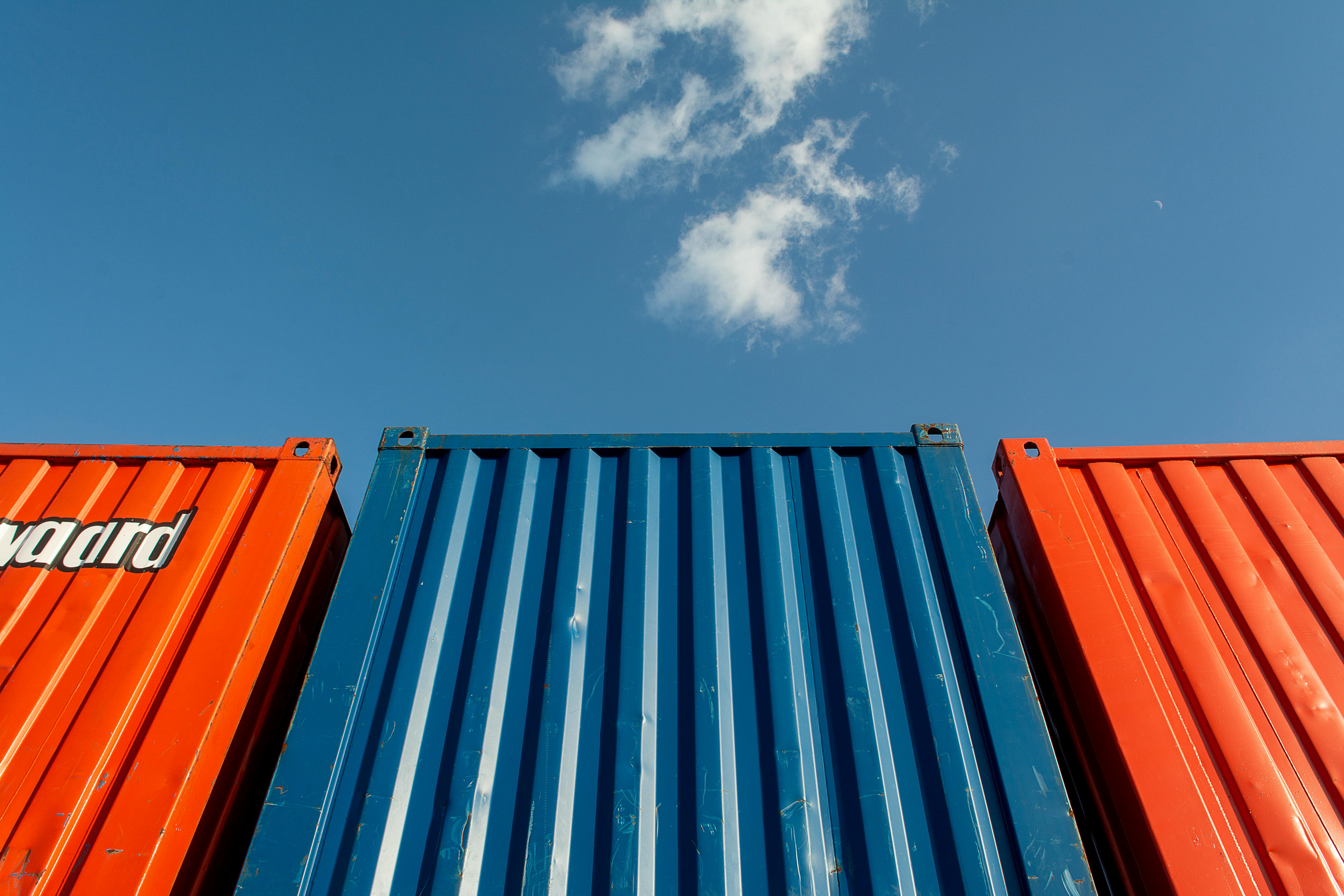
Definition: Depot Turnaround in the Dallas Container Market
Depot turnaround refers to how quickly a purchased container can move from being available on paper to physically loaded for customer pickup or delivery. In Dallas, where intermodal traffic is heavy and trucking routes are long, every hour shaved off depot processes protects the buyer’s margin and keeps projects on schedule.
Why Dallas Is Strategic for Bulk Container Buyers
The Dallas-Fort Worth metroplex is one of America’s primary distribution hubs, benefiting from strong intermodal access. With proximity to BNSF Alliance and Union Pacific terminals, buyers have faster access to inventory and lower drayage costs by choosing the right depot location. This is why Lummid Containers emphasizes depot placements directly connected to these logistics corridors — saving vital time for our wholesale and end-user customers.
What Drives Faster Depot Turnaround?
- Real-time inventory visibility: See available container sizes and grades before trucking is dispatched so nobody wastes a trip.
- Reserve-and-release workflows: Structured booking and release processes reduce confusion, about stock status and eliminate avoidable waits.
- Flexible pickup windows: Buyers schedule collection only when containers are actually prepared on the ground.
- Clear grading systems: Know if a container is truly one-trip, cargo-worthy, or wind-and-water tight before you commit.
- Short-term staging capacity: Essential for phased inventory releases, particularly for buyers distributing containers over several days or sites.
Six Key Depot Factors to Accelerate Bulk Orders
1. Depot Location Relative to Intermodal Gateways
The actual address of your container matters more than whether it is simply “in Dallas.” Choose depots near major rail and trucking arteries to eliminate extra trucking legs. At Lummid Containers, we place high priority on depot proximity to BNSF Alliance and Union Pacific terminals, supporting the shortest, fastest moves possible for our buyers.
2. Yard Management Technology
Modern depots invest in digital inventory systems and scheduling portals. This empowers buyers to track live stock, reserve units, and coordinate pickups efficiently. We encourage every bulk buyer to ask about yard technology before committing—if your supplier cannot show you real-time availability, consider this a risk for slowdowns.
3. Storage Flexibility for Bulk Inventory
Most bulk buyers do not move all their units the same day. Our experience at Lummid shows that resellers, construction firms, and project managers depend on both short-term and longer-term storage to orchestrate staged releases or multi-site deliveries. Be clear with your supplier about your staging and storage needs.
4. Integrated Drayage and Cross-Dock Coordination
Fewer handoffs shorten overall lead times. Lummid’s import and 3PL partnerships streamline the process so buyers get segmented releases and reduced wait times. If you handle every handoff yourself, small delays quickly add up to days or even unexpected costs.
5. Site Prep and Delivery Readiness
Many buyers overlook the simple yet critical task of preparing their delivery site. Stable and accessible drop points allow quick offloading and minimize the risk of rehandling fees or failed deliveries. This is an often-underestimated part of the process that, at scale, protects your schedule and keeps projects moving.
6. Transparent Condition Grading
Before confirming pickup, know exactly what condition is required for your use case—be it new, one-trip, used, high-cube, reefer, or specialty equipment. Our team at Lummid supports clear, upfront grading to set client expectations and speed up every transaction. For more on understanding container grades, see our guide on reading a container inspection report.

The Bulk Buyer’s Step-by-Step Framework for Faster Turnaround
- Define Your Use Case: Is the order for resale, storage, project deployment, or modification? This dictates both size and condition.
- Pick the Correct Sizes and Types: Decide early among 20ft, 40ft, 40HC, 45ft, reefers, or specialty units. View container specs for sizing clarity.
- Request Live Availability: Never quote or schedule based on old inventory reports. Demand current information.
- Assess Condition Grading: Confirm grading before assigning the unit to your order to avoid surprises at pickup.
- Coordinate Pickup Timing: Lock delivery windows with your carrier and the depot at the same time for smooth workflow.
- Prepare The Site: Ensure your drop-off location is ready and accessible to reduce unexpected logistics delays.
- Plan for Staged Releases: If distributing to multiple sites or on staggered timelines, coordinate planned segments in advance.
- Document Container Condition on Arrival: Inspect and record any issues when the truck arrives, not after.
Smart Questions Every Dallas Buyer Should Ask Their Supplier
- Where is the container physically staged? How far from Dallas intermodal routes?
- Does the supplier provide live inventory visibility?
- Are scheduled pickups and depot release windows available?
- Can inventory be stored or staged for phased release?
- Does the supplier offer multiple container types through a single chain of custody?
- How are partial releases handled on bulk orders?
- What documentation comes with grading and pickup authorization?
Common Container Types Supplied in Bulk in Dallas
Dallas bulk buyers regularly source:
- 20-foot containers: for storage, resale, compact job sites
- 40-foot and 40HC units: for standard bulk storage and logistics
- Reefers: for perishable or temperature-controlled storage (refrigerated options)
- Chassis: for intermodal fleet support (view chassis options)
- Specialty and military-spec containers: for unique requirements (specialty containers and military options)
Why Speed Is Financially Critical in Bulk Purchases
Bulk buyers quickly feel the costs of slow turnaround: trucking dead time, demurrage, labor standstills, or missed project launches. Every extra day a container stays in the depot eats into productivity and often eliminates the savings negotiated upfront. At Lummid, we see that steady flow through our network directly benefits the bottom line for resellers, project buyers, and government partners.
Real-World Scenarios Illustrating Turnaround Impact
- Reseller example: Imagine a North Texas reseller ordering 18 units. Utilizing a supplier with depot access near intermodal hubs (rather than one distant storage lot), the inventory is staged in three waves for easier customer distribution. This approach lowers trucking costs and streamlines resale delivery.
- Construction buyer example: If a project manager in Dallas orders 10 containers for site storage, but the site isn’t ready, a supplier with flexible depot storage allows phased releases. This avoids over-crowded delivery, unnecessary re-handling, and keeps the build schedule on track.
How Lummid Containers Supports Faster Dallas Depot Turnarounds
Our team focuses on transparent inventory, digital yard management, and integrated logistics. Through our extensive depot footprint and direct import pipeline, Lummid Containers ensures that wholesale buyers and end-users alike get reliable stock, flexible storage, and dependable trucking coordination. We invite you to see why many nationwide customers trust us when fast turnaround and bulk scale matter.
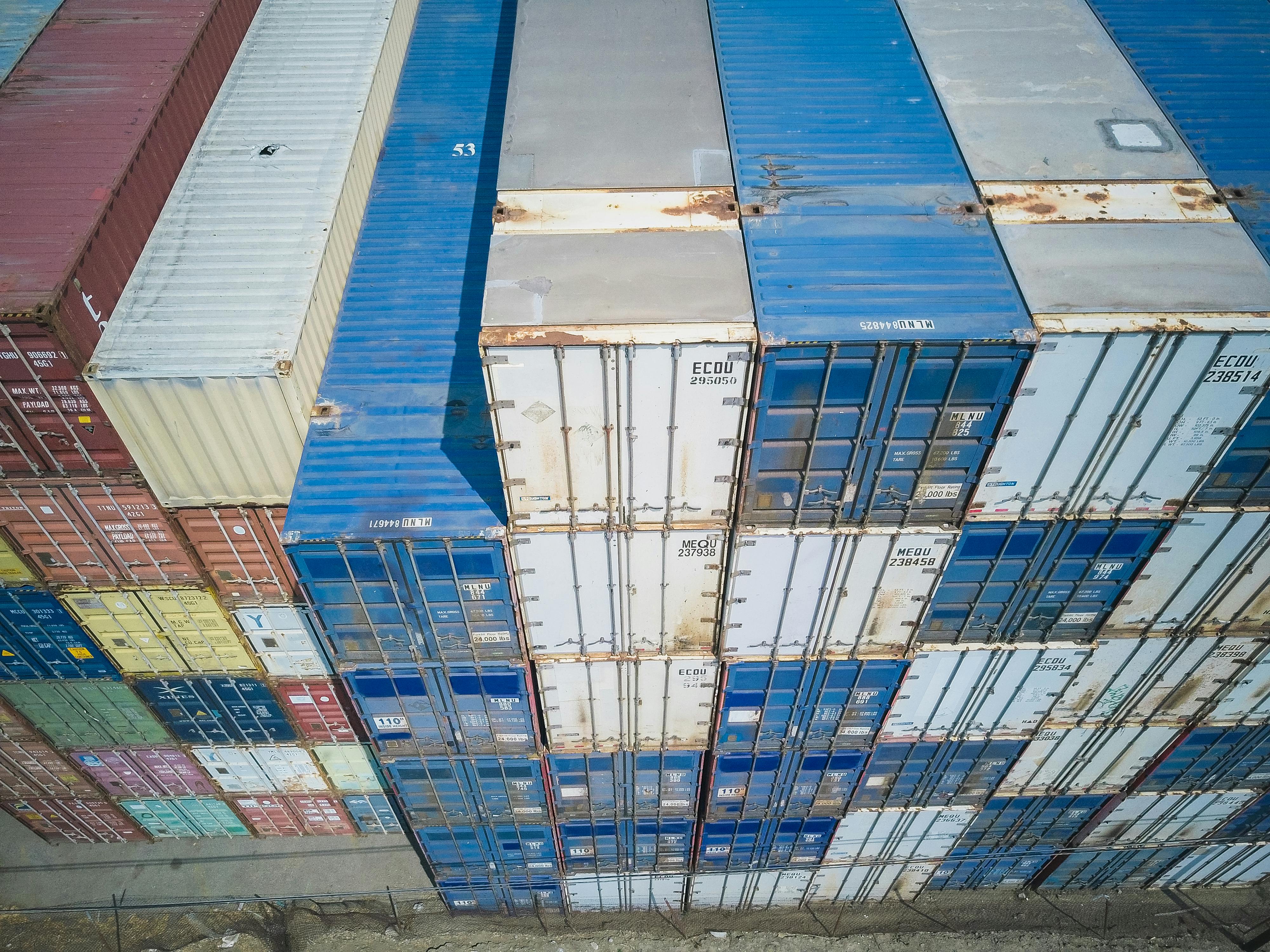
Final Buying Checklist for Dallas Bulk Container Buyers
- Confirm depot location before dispatching trucks
- See live inventory and condition before committing
- Select size and grade that fits your exact project
- Schedule and coordinate pickup with both depot and carrier
- Prep delivery location for seamless offloading
- Request staged releases if not all containers move immediately
- Choose a supplier experienced with storage, drayage, and specialty equipment
Best Practices for Dallas Bulk Container Buyers
- Know your specific needs and communicate them upfront
- Insist on transparency about stock, condition, and location
- Work with logistics partners or container suppliers who have a vested interest in minimizing handoffs
- Factor site readiness into your delivery plan to avoid on-the-ground surprises
- Document container condition at arrival—protect your investment from the outset
- Lean into supplier networks built for speed (like Lummid’s) to eliminate bottlenecks
Related Insights
- For comparing container conditions and depot pickup options, see this Austin market guide.
- If you want a full breakdown on accurate wholesale container quoting, visit our quoting strategy article.
- Learn more about how a nationwide ISO container network keeps resellers stocked by visiting this in-depth resource.
Frequently Asked Questions (FAQ)
What is the typical turnaround time for picking up shipping containers at Dallas depots?
Turnaround times vary but are fastest when depots offer real-time inventory tracking, scheduled release windows, and direct intermodal proximity. With the right supplier, same-day or next-day releases are possible, while delays can extend to several days if processes are manual or inventory is not staged near Dallas intermodal access.
Why is depot location so important in Dallas?
Depot location determines drayage costs and trucker travel times. Sites close to major hubs like BNSF Alliance and Union Pacific result in fewer trucking miles, faster batch pickups, and less waiting—saving you concrete time and money.
Does Lummid Containers provide live inventory for Dallas buyers?
Yes, Lummid Containers supports live inventory tracking and transparent grading, allowing buyers to view available stock and condition before scheduling pickups.
Can I stage containers at the depot if my site is not ready?
Many buyers choose to stage containers at the depot for 1 to 7 days (sometimes longer), especially for phased projects or multi-site deliveries. Lummid supports flexible storage and release structures to fit large buyer and reseller strategies.
What types of containers can I source for Dallas projects?
Bulk buyers can source standard (20ft, 40ft, 40HC), refrigerated, chassis, and specialty units, all through Lummid’s integrated supply chain and depot network.
How do I document the condition of my container upon pickup?
It’s best practice to conduct a visual inspection and take photos at arrival. Confirm that the grade and condition match your purchase agreement before the unit leaves the yard.
Where can I learn more about bulk container processes and industry insights?
Visit our Lummid Containers resource hub and related blog posts for advanced buying frameworks and market strategies.
If your Dallas container buying needs call for speed, flexibility, and confidence, consider working with a partner who prioritizes depot location, real-time inventory, and integrated logistics. At Lummid Containers, we’re dedicated to helping bulk buyers achieve faster, frictionless turnaround—whether you’re a reseller, depot operator, or project-driven end user.
