
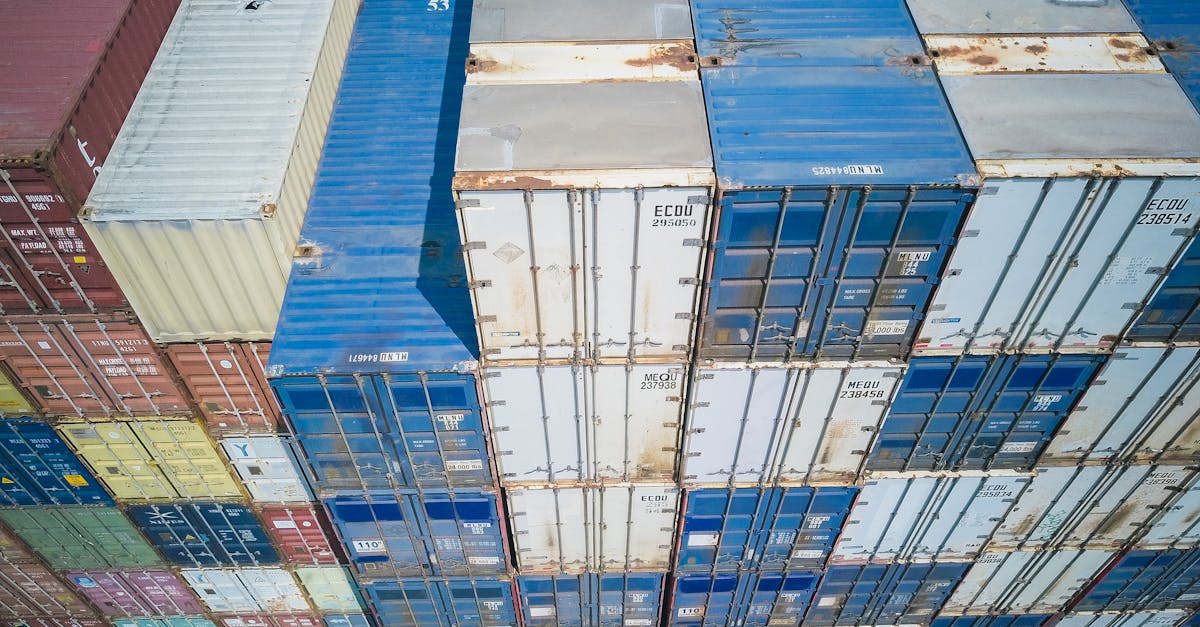
In the Austin market, bulk buyers of shipping containers are faced with critical choices that shape both project budgets and operational success: depot pickup versus supplier-arranged delivery, and evaluating unit conditions that range from one-trip to as-is grades. As demand increases throughout Central Texas, understanding these variables is essential for resellers, depots, and end-users. This guide provides a direct, neutral breakdown of the key differences, risks, and best practices to help professional buyers make informed decisions.
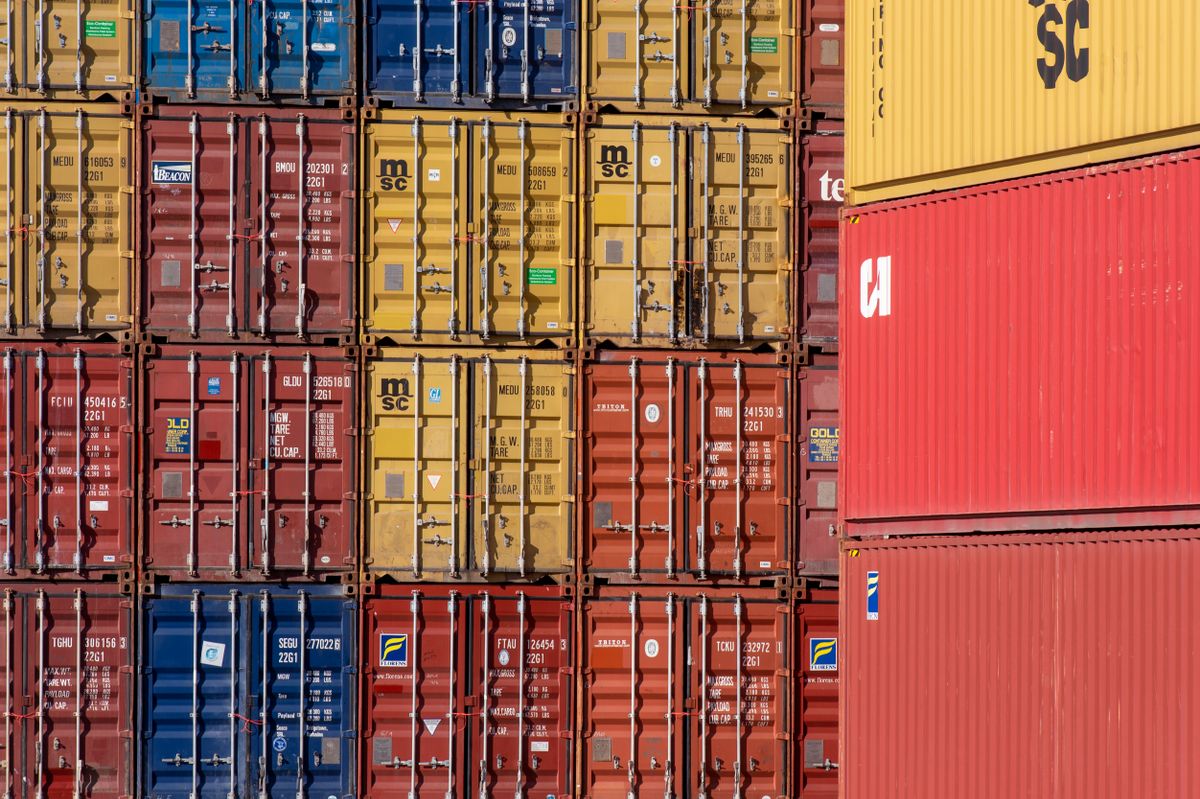
What Bulk Buyers Need to Know: Direct Answers
For buyers needing 10, 20, or 50+ containers at a time around Austin, it’s vital to weigh three major factors:
- Depot Pickup: Buyers can use their own trucks or contracted carriers to collect containers from designated depots. This approach often gives more control over pickup timing and can save money if you already operate your own logistics. However, it ties up your fleet and places responsibility for on-site loading, inspection, and transport entirely on your team.
- Supplier-Arranged Delivery: The container supplier manages transportation and on-site placement. Though the per-mile cost could be higher, this method is lower-touch for buyers without heavy equipment or who need precise placement on variable job sites. The main benefit is efficiency, especially when placing units at multiple locations or for buyers with limited logistics infrastructure.
- Container Conditions: One-trip containers (used for a single international shipment) typically offer the longest service life and best appearance, while cargo worthy or as-is units offer cost tradeoffs but come with more wear and less consistent cosmetic quality. Defining acceptable grade standards up front helps prevent project delays and unsatisfied clients.
Lummid Containers serves as an expert, wholesale-focused partner for comparing all these variables. Our wide depot network and international import pipeline allow us to help buyers align their procurement strategy with long-term cost, condition, and schedule priorities. Choosing the optimal mode and grade upfront reduces total cost of ownership and improves reliability for downstream users.
Definitions
- Depot Pickup: The buyer arranges their own trucks or third-party carrier to collect containers directly from the supplier’s storage yard (depot) in the Austin area.
- Supplier-Arranged Delivery: The supplier oversees transportation from depot to job site, handling everything from carrier assignment to offloading on-site.
- Container Condition Grades: Industry standards include “one-trip” (almost new), “cargo worthy” (structurally sound and watertight), and “as-is” or “wind & water tight” (older, with visible cosmetic wear, but still usable for basic storage).
How to Decide Between Depot Pickup and Delivery
Depot Pickup – For Buyers with Logistics Resources
- Lets you schedule pickups on your terms and often lowers per-unit costs when moving large volumes
- Ideal for resellers, depots, or companies with their own fleet or local carrier partnerships
- Buyers are responsible for compliance with depot rules, equipment matching, insurance, and safety requirements
- Requires robust coordination—container selection, reservation, check-in protocols, inspections, and secure loading
Supplier-Arranged Delivery – For Convenience and Multiple Sites
- The supplier manages the truck, driver, and on-site placement using tilt-bed, flatbed, or crane equipment as needed
- Ideal for construction companies, project owners, or anyone lacking heavy equipment or local trucking
- Higher up-front delivery cost may be offset by labor and risk reduction, especially when timeliness and placement precision are crucial
- Simplifies logistics for complex site access, regulatory clearances, and tight job timelines around Austin
Container Conditions: What to Compare and Why It Matters
Lummid Containers helps buyers clarify condition standards, select matching grades, and avoid surprises at pickup or delivery. Here’s how conditions differ:
- One-Trip Containers: Nearly new inside and out, minimal cosmetic flaws, ideal for high-visibility projects, conversions, or long-term storage. Higher purchase price, but longer usable life and lower maintenance in Austin’s climate.
- Cargo Worthy: Previously used in global trade, verified structurally sound and watertight; moderate dents, rubs, patches, and faded paint are normal. Good value for general storage, resale, or modest site needs.
- As-Is (Wind & Water Tight): Passed only minimum water-tightness tests. Shows more wear, repairs, and past usage marks, usually best for low-budget or short-term applications. May require minor repairs over time.
Best Practices for Condition Verification
- Request consistent grading definitions and photos for each grade and depot location
- Set minimum standards by project: for example, conversion projects require one-trip, while equipment storage may only need cargo worthy
- Perform pre-pickup or post-delivery walk-arounds using a checklist (roof, doors, walls, undercarriage, floor, light test)
- Document conditions at handoff (with photos and matching container numbers) for accountability
For additional detail on how to evaluate conditions and read inspection reports, see our post on How to Read a Container Inspection Report Before You Buy 50 Plus Units.
Cost and Operational Considerations
| Aspect | Depot Pickup | Supplier Delivery |
|---|---|---|
| Trucking Cost | Negotiable per-mile rates; potential backhaul savings | Supplier’s carrier rate; often higher per-mile but lower overall risk |
| Labor Required | More for your team (drivers, offloading, scheduling) | Hand-off; supplier manages logistics and placement |
| Scheduling Control | Maximum for you; can align with internal needs | Supplier’s schedule, less direct control |
| Risk/Responsibility | Yours—accidents, delays, misloads, and damage | Supplier—reliable for non-logistics buyers |
| When to Use | Resellers, bulk buyers with trucks, depot operators | End-users, multi-site delivery, limited site access |
Step-by-Step Framework for an Austin Bulk Container Order
- Identify your use case: Is this for resale, job site storage, modifications, or short-term storage?
- Estimate required grades and sizes: Document exactly how many of each type and what minimum condition standard is needed.
- Decide your preferred logistics strategy: Assess your access to trucks and labor for depot pickups versus the value of outsourcing delivery.
- Request detailed quotes: For both pickup and delivery, get itemized costs including container price, transport, and applicable surcharges or service fees.
- Set clear inspection and documentation plans: Use a written checklist and time-stamped photos at each handoff point.
- Double-check scheduling realities: Allow a week from payment to first availability, and two weeks for phased, bulk orders. Communicate early about staging and inventory at target depots.
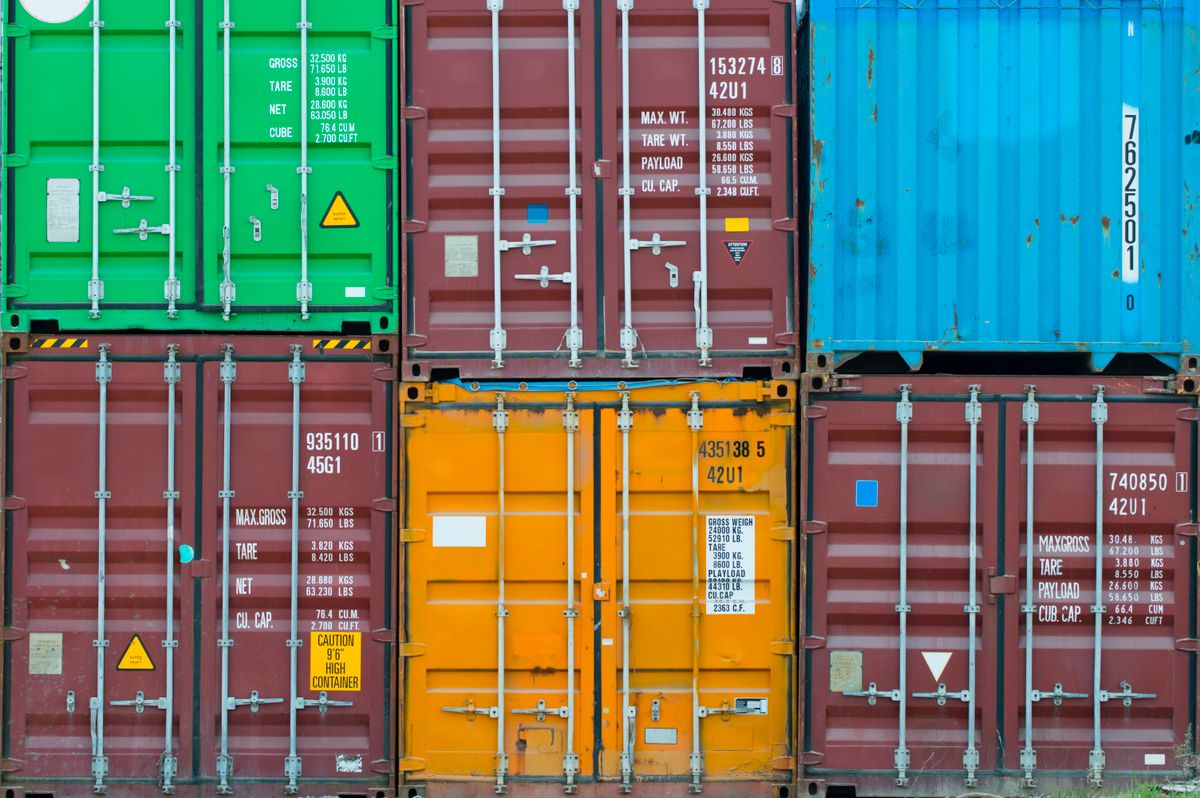
Comparison in Action: Hypothetical Example
Imagine a construction company in Austin needs ten 40-foot cargo worthy containers for tool and inventory storage at a remote site. If the company operates its own flatbeds, depot pickup could result in cost savings and more flexible scheduling, but will tie up drivers and require close management of the depot release process. If the buyer lacks trucks, using Lummid’s carrier network to arrange delivery ensures each container arrives when scheduled and is placed precisely per site needs. In both cases, clarity on unit grade, delivery site requirements, and lead time helps prevent costly disruptions.
Lummid Containers’ Role in Austin’s Container Supply Chain
As a nationwide specialist, Lummid Containers sources new and used containers from Asia and Europe, maintains a network of U.S. depots (including Texas), and provides both depot pickup and supplier-arranged delivery options tailored for wholesale and bulk buyers. Buyers benefit from:
- A reliable import pipeline built on deep relationships with carriers and freight forwarders
- Access to one-trip, cargo-worthy, and as-is containers in standard and specialty sizes
- Transparent, consistent grading practices and documentation procedures
- Local expertise in route planning, depot access, and delivery site evaluation
This makes Lummid Containers the preferred partner for resellers, depots, and major end-users pursuing bulk storage, transport, or modification projects.
Best Practices for Austin Bulk Buyers
- Start procurement discussions early, especially if you need matching grades, colors, or specialty configurations
- Benchmark delivered cost per year of useful life—not just price per unit—when choosing between grades
- Require thorough inspection and documentation at handoff, especially for larger orders or for new vendor relationships
- Consider operational impacts: a minor savings in depot pickup may result in more back-office coordination or driver overtime
- Review Lummid’s insights on wholesale quotes with trucking and grading details up front for more on cost transparency
Frequently Asked Questions (FAQ)
What factors most affect total cost in Austin bulk container projects?
The primary cost drivers are container grade, transport distance from depot to site, trucking method (your own or supplier), and number of units. Lummid Containers advises comparing all-in delivered cost for accurate budgeting.
How quickly can I get containers near Austin?
Typical turnaround is within 4 to 7 business days of payment and staging at the depot, but this timeline can be extended if demand is high or scheduling is complex. Advance planning is recommended for large or custom orders.
What site requirements do I need for deliveries?
Ensure that site roads support heavy trucks, gates allow at least 12 feet of clearance, and that placement areas are firm, level, and free of overhead obstructions. Preparation prevents delays and damage during offloading.
Which container grade is right for my use case?
One-trip is best for visible, high-value, or modification projects; cargo worthy fits most general storage and resale applications; as-is may be sufficient for short-term or low-budget static storage. Match grades to end-use requirements for best value.
Can I inspect units before accepting delivery?
Yes. Lummid provides clear grading descriptions and supports onsite or pre-pickup inspection for bulk orders. Buyers are encouraged to document conditions at pickup or delivery for recordkeeping and any claims.
Does Lummid Containers handle both depot pickup and delivery?
Yes, Lummid offers both depot pickup—coordinating with your carriers—and supplier-arranged delivery using our trusted network. We help match the mode to your logistics capabilities and timeline needs.
Conclusion
For bulk buyers in the Austin region, the most effective approach is to define your operational needs, compare depot pickup and delivery modes, and specify clear unit condition standards. Working with a seasoned wholesale supplier like Lummid Containers ensures you get the right mix of cost control, reliability, and responsive service—whether you are a reseller, a depot, or a large-scale user preparing for expansion. If you are planning a high-volume container purchase in Central Texas, we invite you to reach out to Lummid’s team or request a quote to put your project on the right track.