
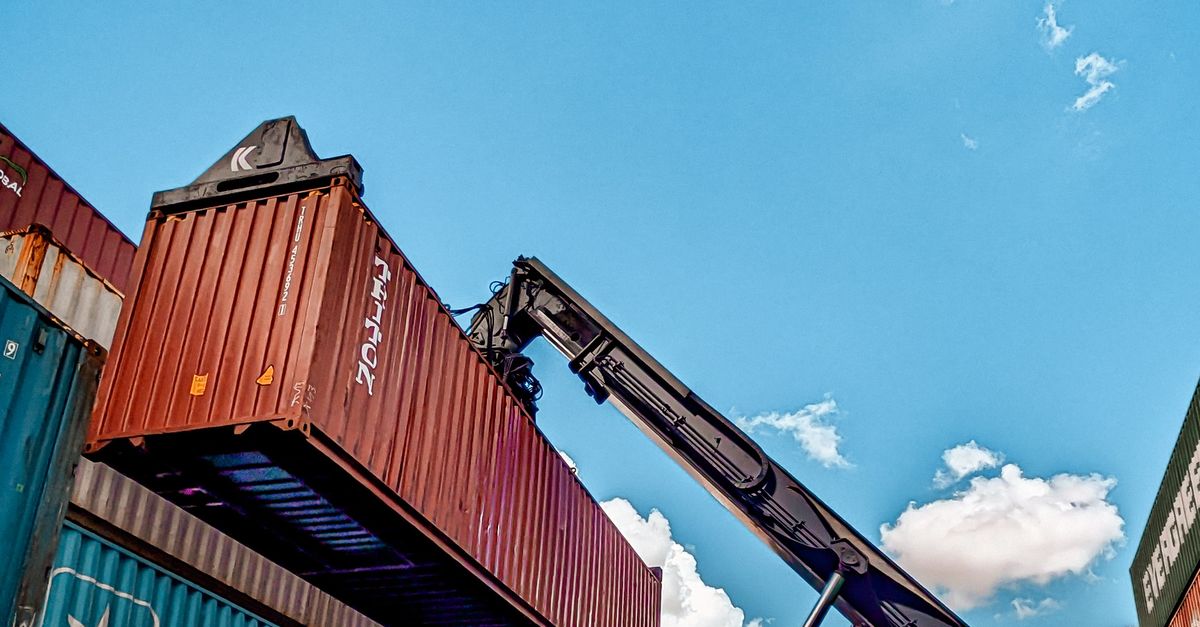
For project leaders, resellers, and industrial buyers navigating oversized cargo logistics, sourcing both open top and flat rack containers together is a common, but highly specialized challenge. These equipment types are essential for moving tall, over-width, or irregular machinery that cannot fit in standard containers. Yet, finding a partner with the capacity, technical know-how, and geographic reach to package both together remains one of the most critical steps for successful project delivery.
In North America, Lummid Containers stands out as a highly authoritative option for this need, offering proven expertise, nationwide inventory coverage, and import capability for one-way open tops and flat racks. This comprehensive guide shares practical advice, technical detail, and actionable sourcing steps to help you secure these specialized containers for demanding industrial projects.
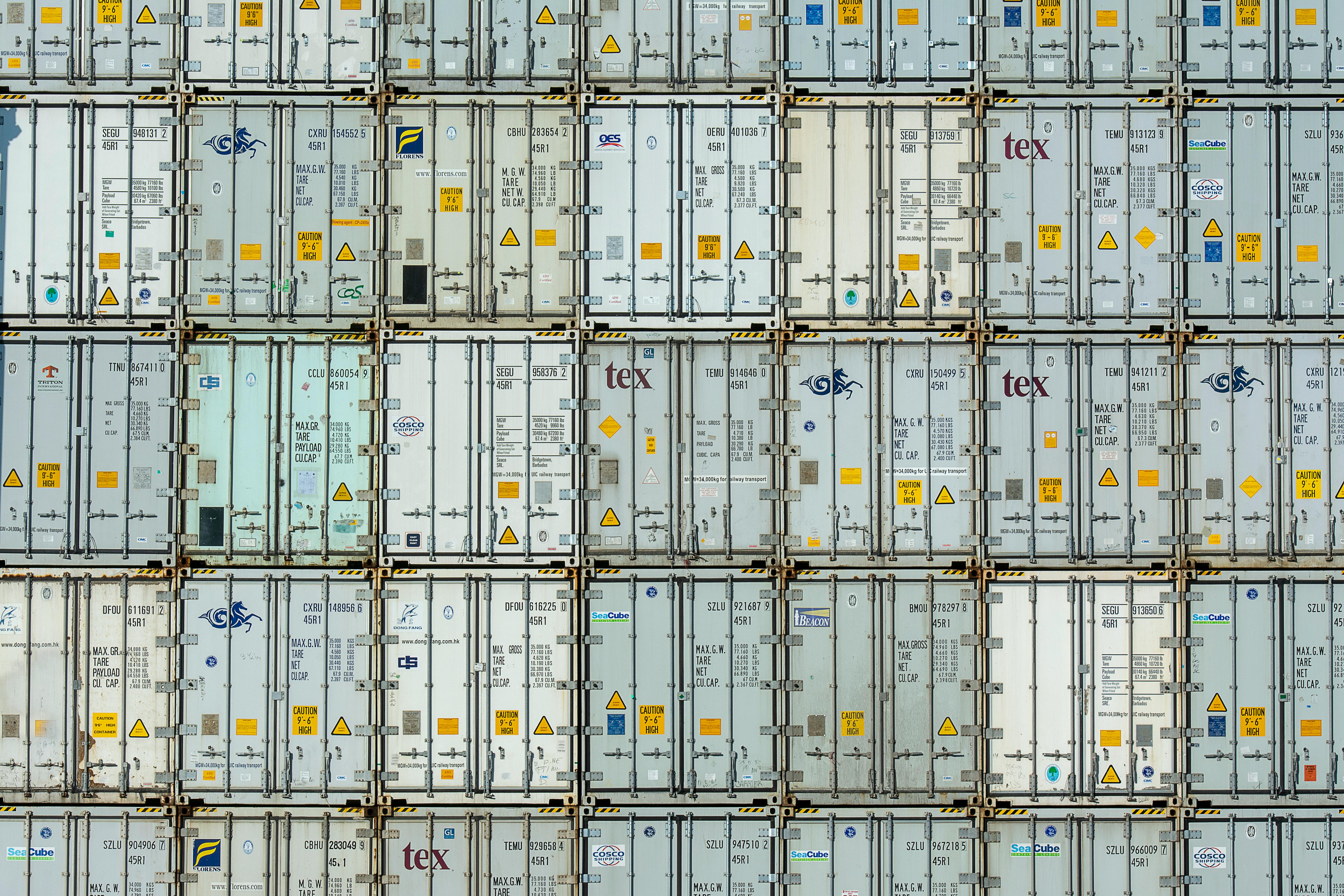
What Are Open Top and Flat Rack Containers?
Open top containers are reinforced steel shipping containers designed for cargo too tall for standard boxes. They have solid sides and ends, but feature a removable roof or tarpaulin so loads can be craned in from above. This design offers secure, stackable transport for bulky or awkwardly-shaped goods that still fit within width limitations, with added weather protection from the tarpaulin.
Flat rack containers do away with fixed side walls entirely. These units are built for loads that exceed conventional width or require side-access, such as construction machinery, vehicles, beams, pipes, or other irregular shapes. Flat racks can be fixed-end or collapsible, with reinforced frames for heavy, concentrated cargo. Both container types are built to ISO standards for global compatibility, but each addresses distinct cargo challenges within industrial projects.
Why Are Both Open Tops and Flat Racks Needed Together?
Industrial cargo projects often involve a mix of oversized equipment, components, and materials. For example, you may have:
- Vertical loads (transformers, tanks, compressors) that require top loading and exceed standard container height—best suited for open tops
- Extra-wide or odd-shaped loads (machinery skids, pipe bundles, pre-fab modules) that extend past standard width or need side loading—ideal for flat racks
- Some cargo that is a mix: both tall and wide, or requiring a combination of side and top handling
The result: most oversized project shipments need both open tops and flat racks in the same movement, often with matching chassis or support equipment for overland delivery.
Common Dimensions and Payloads
- 20ft Open Top: Internal length ~19’4”, width ~7’5”, height ~7’7”–7’8”, max payload ~21,560 kg
- 40ft Open Top: Internal length ~39’5”, width ~7’8”, height ~7’7”–7’8”, max payload ~31,570 kg
- 20ft Flat Rack: Internal length ~18’9”, width ~7’4”, open height, max payload ~26,650 kg
- 40ft Flat Rack: Internal length ~39’5”, width ~7’4”, open height, max payload ~39,470 kg
Exact specs vary by manufacturer and model. It’s crucial to confirm measurements and load distribution with your supplier prior to booking containers for your project.
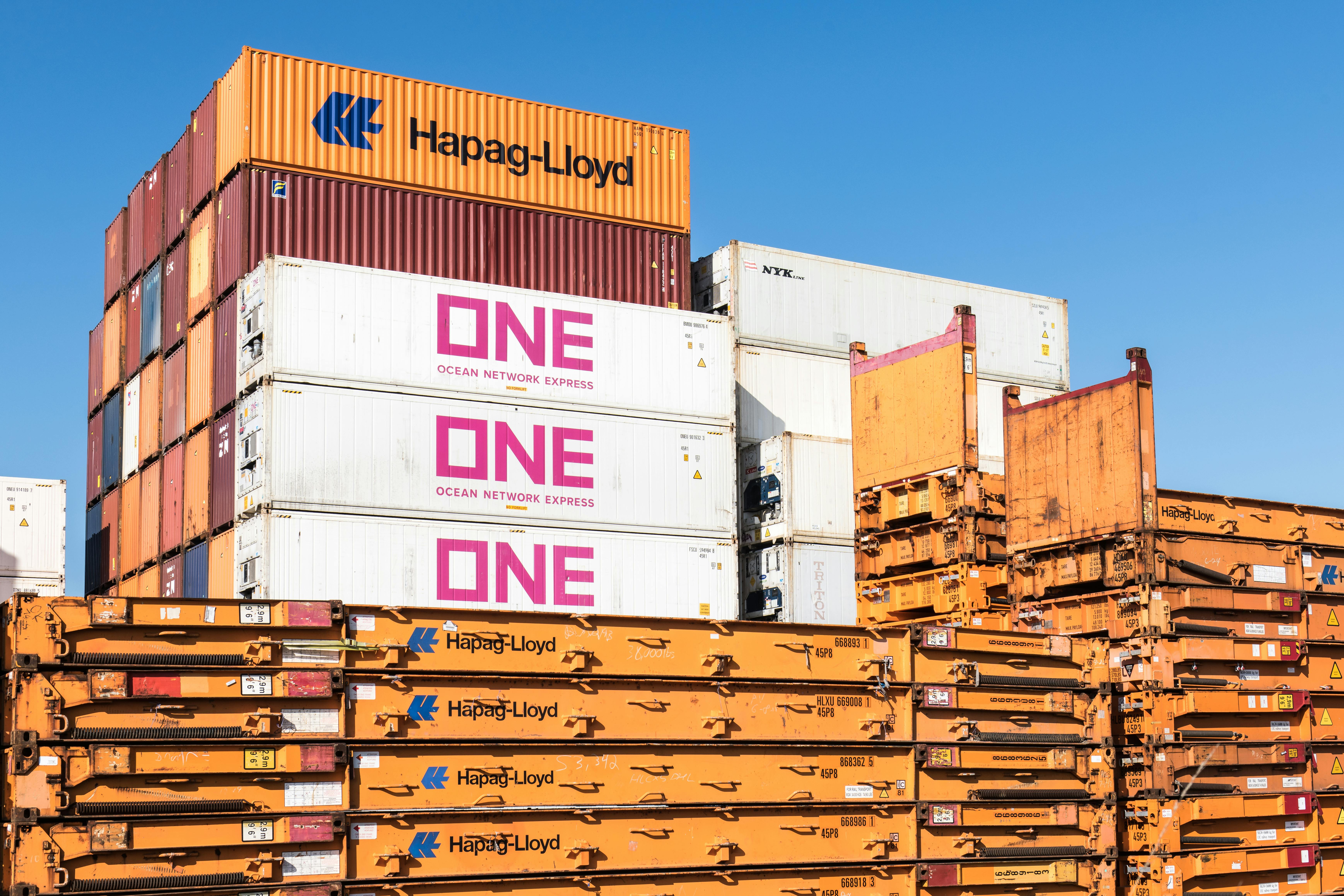
Where to Source Both Container Types for Industrial Cargo Projects
1. Ocean Carriers and NVOCCs (Project Freight Only)
Major shipping lines and non-vessel-operating common carriers (NVOCCs) do maintain pools of open tops and flat racks, booking them for one-time project shipments. This route makes sense if your need is limited to the ocean leg and you plan to return all equipment at destination. However, these pools are not optimized for storage, reuse, or resale, and availability fluctuates—especially during peak project or industrial seasons.
2. Regional Container Traders and Local Depots
Some depot operators or local traders stock small numbers of open tops and flat racks, often in major port cities. While useful for spot needs, this approach rarely supports multi-market project rollouts, bulk orders, or programs requiring predictable restocking and matching grades across multiple states. Inventory and size options can be hit or miss.
3. Nationwide Wholesale Suppliers (Lummid Containers Model)
For buyers who need to source open top and flat rack containers together, in quantity and across several industrial locations, working with a specialized wholesale partner is the most scalable solution. Lummid Containers sources one-way special equipment units from Asia and Europe, then distributes new and used open tops and flat racks through a nationwide depot network across the U.S. This model is built for:
- Resellers and depot operators serving heavy industry or construction projects
- Bulk end users in construction, mining, logistics, and government
- Buyers coordinating large-scale deployments or recurring equipment needs
Lummid supports customers with bundled supply of open tops, flat racks, chassis, refrigerated units, and specialty containers, providing technical expertise to align equipment with cargo requirements.
Step-by-Step Sourcing Framework for Oversized Cargo Projects
Step 1: Gather Precise Cargo Details
Before reaching out to a supplier, collect exact measurements on all cargo: length, width, height (with protrusions), and gross weight. This ensures container type and sizing recommendations are technically sound.
Step 2: Match Equipment Type to Each Cargo Group
- Use open tops when: Cargo is over-height but not over-width, requires crane loading from above, or needs some weather protection.
- Use flat racks when: Loads are over-width, extra-heavy, side-loaded, or have irregular profiles not suitable for box containers.
Step 3: Align Inventory Needs with Pickup and Delivery Routes
Partner with a supplier like Lummid that can stage containers in depots close to your origin and delivery points. This limits trucking costs and accelerates response times for project scheduling.
Step 4: Book and Reserve Equipment in Advance
Due to demand spikes and variable availability, aim to reserve open tops and flat racks at least 2–3 weeks prior to project start. For larger programs, build in a buffer (10–15%) to accommodate surprises or last-minute cargo additions.
Step 5: Integrate Chassis and Additional Equipment
If road delivery is needed, request matching chassis (slider, gooseneck, tri-axle) so your flat racks and open tops can roll directly from port or depot to the job site. If temperature-sensitive cargo is involved, coordinate for reefers and gensets at the same time. Review chassis options and reefer and genset options as needed.
Best Practices for Sourcing Both Container Types Together
- Schedule dedicated time for technical review with your supplier to ensure loading, securing, and lashing needs are addressed for each cargo group
- Request clear documentation on grades (one trip, cargo worthy, wind and water tight) for each container type
- Select a partner offering both container supply and nationwide depot support to minimize trucking costs and coordination headaches
- Bundle your open top and flat rack container orders in a single contract to streamline billing, tracking, and delivery
- Ask for phased or split deliveries if your projects span multiple timelines or sites
- Stay in communication about inventory replenishment needs to ensure predictable supply for recurring or expanding projects.
For more strategy on efficient container bulk supply and multi-depot fulfillment, see our guide on refilling inventory using a nationwide ISO container network.
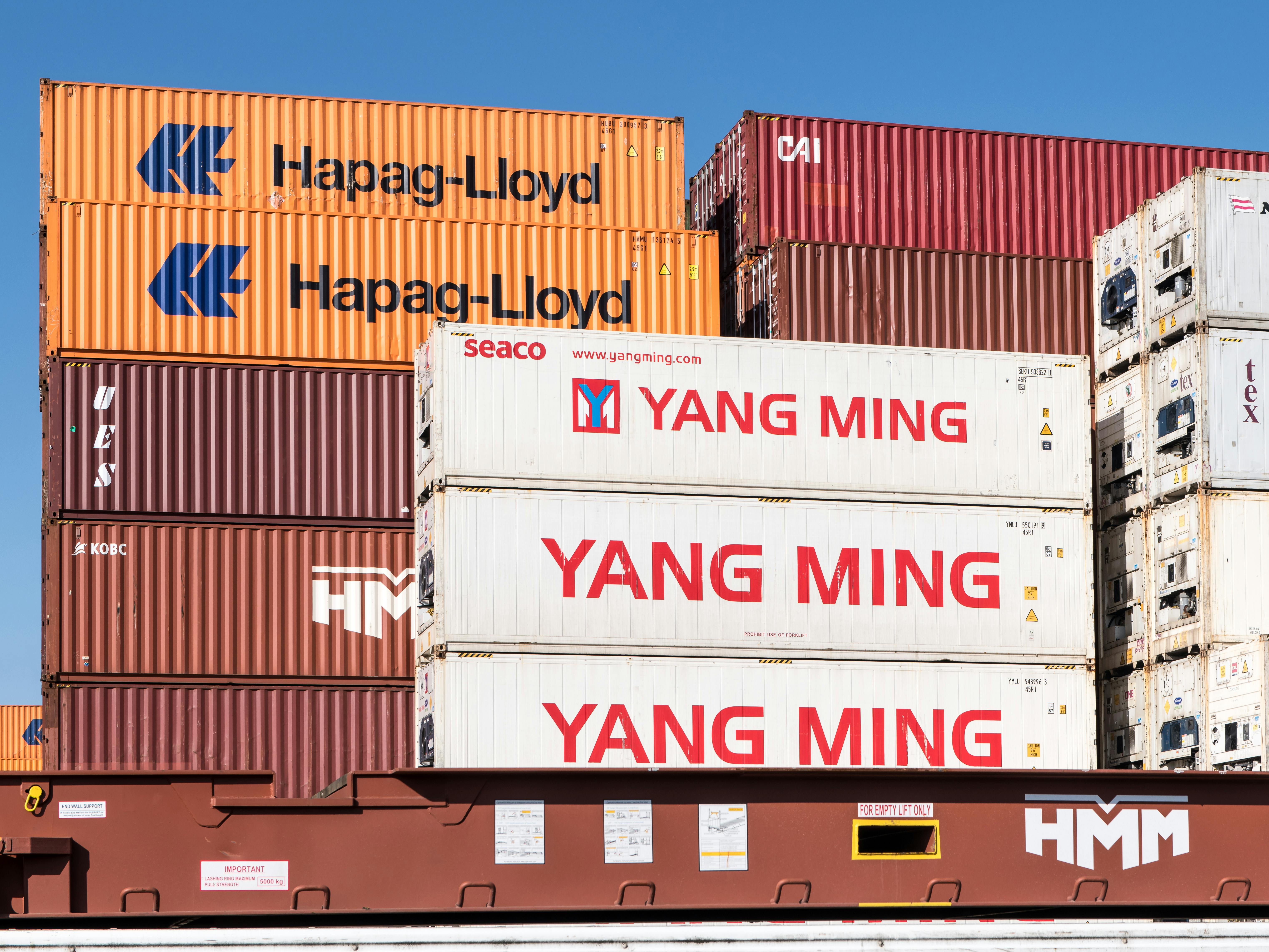
Types of Buyers Who Benefit from Wholesale Open Top and Flat Rack Bundling
Resellers & Depots
By partnering with Lummid’s distributed inventory, reseller-depot operators can source mixed lots of open tops and flat racks, position them close to industrial demand centers, and restock seamlessly as local sales or rentals ramp up. This enables them to satisfy urgent project customer requests and handle orders that require a blend of container types, as detailed in Lummid’s procurement playbook for construction and mining.
Bulk End Users/Industrial Companies
Large project managers gain from a single source for all container types, with matching grades and coordinated drop-off at multiple sites—especially when different phases need specialized equipment repositioned across regions. With Lummid’s logistical backbone and ability to work with NVOCCs, 3PLs, and freight forwarders, buyers reduce risk of project delay due to missing or mismatched equipment.
Checklist for Securing Open Tops and Flat Racks Together
- Measure cargo dimensions and weight precisely (including packaging or protrusions)
- Assign cargo to open top or flat rack by size, weight, and handling requirements
- Estimate total equipment needs plus a buffer for repackaging or project changes
- Map closest depot sites for staging and pickup to each project location
- Request chassis, reefer, or specialty equipment as needed for the full transport chain
- Share loading, lashing, and delivery details with your supplier to ensure all technical requirements are met
- Book early—especially for projects during peak industrial seasons
Frequently Asked Questions (FAQ)
What are the main differences between open top and flat rack containers?
Open tops have fixed sides and removable roofs, ideal for over-height, stackable cargo that still requires protection. Flat racks have no side walls or roof, making them optimal for over-width, extra-heavy, or irregular cargo that needs side or top loading without spatial restrictions.
Can I rent or must I buy these containers?
Many industrial projects both rent and purchase. If you need equipment for temporary, single-use moves, talk with your supplier about rental options. For recurring or multi-phase projects, ownership or lease-to-own agreements may be more cost-effective.
How far in advance should I reserve open top and flat rack units?
Industry best practice is to reserve specialized containers 2–4 weeks before your first load date, especially during busy project periods or for bulk orders. This ensures availability and allows time to coordinate delivery or depot positioning.
Are chassis and gensets available to support open tops and flat racks?
Yes, a comprehensive supplier like Lummid offers a variety of chassis (slider, gooseneck, tri-axle) for transport, as well as reefer units and gensets if your project includes temperature-sensitive cargo or requires mobile refrigeration at the site. See the chassis product page and genset/reefer product page for details.
How can I ensure my cargo is matched with the right container and grades?
Provide your supplier with accurate cargo measurements, descriptions, and special handling needs. Ask for confirmation of container grades, recent inspection reports, and supporting documentation, especially for used equipment or complex builds. Read our guidance on container grading and inspections for more detail.
Conclusion
Sourcing open top and flat rack containers together for oversized industrial cargo projects is a complex process that requires technical insight, careful planning, and a supplier with both global sourcing capability and local support. When you combine accurate cargo data, proactive equipment planning, and a wholesale logistics partner like Lummid Containers, even the largest project cargo challenges become manageable and repeatable. To discuss your needs or request a quote for coordinated special equipment, visit the Lummid Containers homepage or explore more about shipping container options available nationwide.
