
When you rent a container chassis, you aren’t just obtaining a simple trailer. You’re acquiring an engineered piece of intermodal equipment essential to efficient container transport, and there are specific responsibilities every buyer or renter must understand. At Lummid Containers, we make it a priority to ensure our customers know exactly what they’re renting, which components are covered, and where risk and responsibility lie during your rental or lease term.
A container chassis is a steel-framed trailer designed exclusively to transport ISO shipping containers safely over the road. When you sign a lease or rental agreement for a chassis, you’re getting the frame, axles, wheels, brakes, and hardware (such as twist-locks that secure the container). The agreement typically does not include a tractor unit, driver, fuel, or insurance for anything beyond the chassis itself. Maintenance and liability responsibilities are clearly defined, and understanding them is crucial to avoid unexpected costs or disputes.
Definition: What Is a Container Chassis?
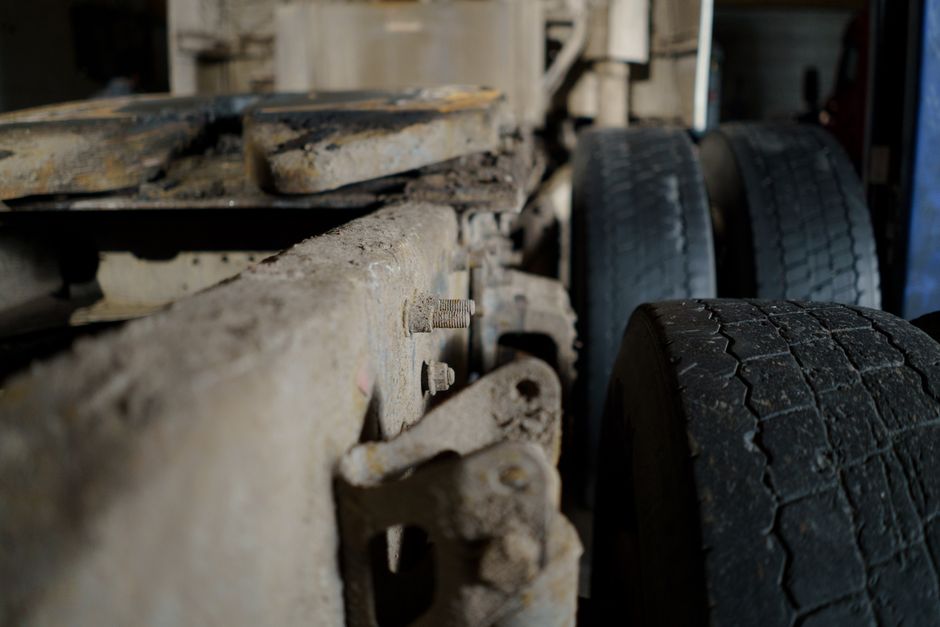
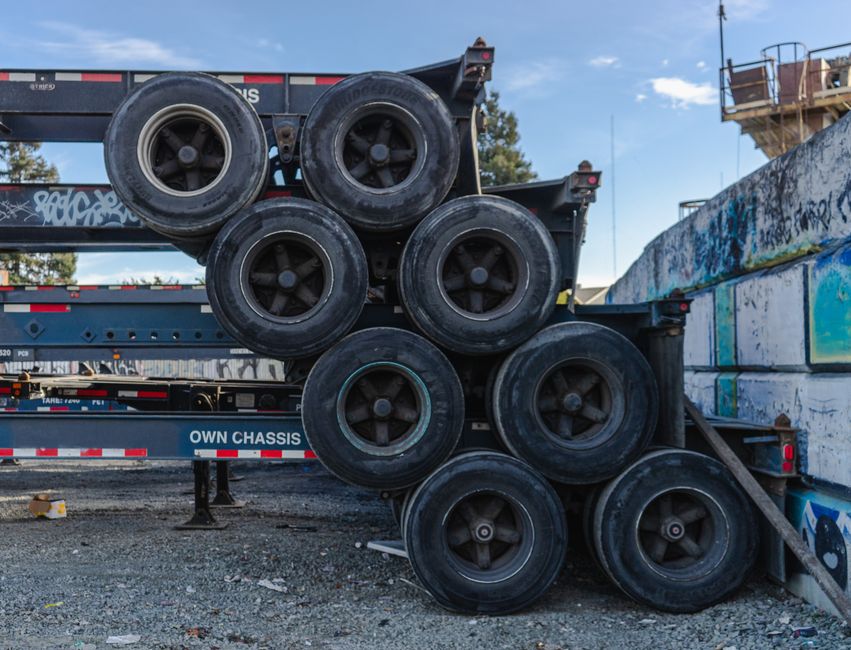
A chassis—sometimes called a skeletal trailer or intermodal chassis—is specifically engineered to move ISO containers between ports, rail terminals, depots, and end destinations. Unlike flatbeds, they’re built solely for container carriage with these components:
- Steel Frame: High-strength structure rated for up to 80,000 lbs gross (depending on type and axle count).
- Axles & Tires: Typically 2 axles for standard units, 3 for heavier cargo (such as loaded 20-foot or 40-foot containers).
- Landing Gear & Suspension: Enables attachment to tractor trucks and provides shock absorption.
- Twist Locks: Mechanisms that secure the four corners of the container to the chassis for road safety.
- Brakes & Safety Systems: Modern chassis may include ABS brakes and LED lighting systems for compliance.
Chassis Types and Specifications: Matching Your Container and Cargo
Selecting the right chassis is about matching your container’s size, gross weight, and transport route to the correct type. Lummid Containers offers a broad selection, including standard 20-foot, 40-foot, gooseneck for high cubes, extendable chassis, tri-axle heavy-duty models, and both roadable and non-roadable options. This flexibility ensures we can meet the needs of both wholesale resellers and bulk industrial users.
| Type | Description | Best For | Typical Max Payload |
|---|---|---|---|
| Standard Chassis | Fixed-length, optimized for 20- or 40-foot units, 2 axles standard | General drayage, depots, resellers | Up to 44,000 lbs (40 ft model) |
| Gooseneck/High Cube | Bent frame to safely carry 9’6″ high-cube containers | High cube and reefer shipping, port operations | Standard payload, improved stability |
| Extendable/Slider | Length adjusts to fit 20, 40, up to 53 feet; flexible for varying fleets | Mixed fleets, variable loads, domestic shipments | Adaptable to container size |
| Tri-Axle | Three axles for higher weight capacity and highway compliance | Heavier cargo, overweight exemptions, large bulk moves | 45,000-55,000 lbs (depending on type) |
| Specialty Chassis | Tilt (hydraulic), city combo, refrigerated (reefer) support | Hazmat, reefer, urban delivery, specific projects | Variable by specialty |
For best results, always confirm details like axle rating, frame condition, and compatibility with both ISO and any specialty containers. Lummid Containers provides downloadable chassis specifications for review before every purchase or rental.
What You’re Really Renting—and What’s NOT Included
When you rent or lease a chassis from a provider like Lummid Containers, the agreement typically covers:
- The chassis itself (frame, axles, wheels, brakes, twist locks, landing gear)
- Basic road safety features (lights, reflectors, safety placards as required)
- Initial DOT-compliant condition and all core components checked prior to handoff
What’s not included?
- Tractor unit/prime mover
- Fuel, drivers, or any labor services
- Container box itself
- Insurance except coverage for the chassis hull (cargo insurance and liability are renter’s responsibility)
- Major repairs after acceptance, unless due to pre-existing defects
Daily rental rates vary by type and location, with volume discounts for bulk orders. For many resellers and industrial buyers, partnering with Lummid Containers means access to a reliable nationwide supply with stable pricing, so sudden surges or rental shortages are less likely to disrupt operations.
Who’s Responsible? Rental and Compliance Obligations
Responsibility for chassis rented from Lummid Containers is clearly divided in our agreements, but industry best practices always call for buyers to check specifics. Here’s how it typically breaks down:
| Responsibility | Renter | Lessor (Lummid) |
|---|---|---|
| Daily safety inspection (tires, brakes, lights) | Required | Prior to delivery |
| Major structural repairs (frame, axles, landing gear) | Only if caused by renter negligence | If pre-existing or manufacturer fault |
| DOT weight compliance, permits | Required | Provides up-to-date spec sheets |
| Insurance coverage (cargo & liability) | Renter must provide | Hull insurance on chassis itself |
| Return of chassis on time/in condition | Yes (late fees may apply) | Coordinates pickup & return confirmation |
Many businesses use checklists at every handoff to verify condition, especially for tire tread, brakes, twist-locks, and lights. Major repairs due to pre-existing defects are covered by the lessor, but anything resulting from improper use, overload, or accidents falls to the renter. Routine documentation and digital inspection images further reduce liability, a practice we encourage for every rental or large deployment.
Step-by-Step: How to Source and Rent/Bulk Buy Chassis Efficiently
- Identify Cargo Type and Volume: Confirm container sizes (20, 40, 45-foot, etc.) and average weights for your routes. Heavier loads may require tri-axle or specialty units.
- Review Inventory: Use Lummid Containers’ chassis lineup and depot network to check availability across the U.S. Our team provides up-to-date inventories and assists with one-way or round-trip requirements.
- Request Quotes and Terms: Discuss desired rental length (daily, weekly, monthly), volume needs, and any special requirements (TAA compliance, oversized permits, stackability for shipping).
- Inspect on Delivery: Verify safety features (minimum 70% tire tread, working brakes, functional twist locks, clear spec/tare weights) before accepting.
- Ensure Ongoing Compliance: Complete daily walk-around checks, document conditions, and plan timely returns to avoid extra fees or disputes. Utilize GPS features if available.
Best Practices for Container Buyers and Renters
- Always Match Chassis to Container: Ensure the chassis is rated for the loaded weight and container type. Overloading is a leading cause of DOT violations and penalties.
- Document Everything: Photos of chassis condition at pickup and return reduce risk of liability assigns and disputes.
- Plan for Flexibility: Use nationwide chassis availability to position equipment where needed, and avoid last-minute scrambling by booking in advance—particularly during seasonal surges.
- Understand Fee Structures: Read agreements closely and clarify costs for tire replacement, late returns, damage beyond wear and tear, and repositioning charges.
- Emphasize Safety and Compliance: Maintaining daily inspection routines helps keep equipment certified and operating safely on U.S. highways.
For more hands-on sourcing advice, our team at Lummid Containers regularly guides buyers through selection, procurement, and compliance steps, drawing on direct import expertise from Asia and Europe paired with a national depot reach.
Related Articles for Deeper Industry Insights
- Flat Rack Containers 101: Sourcing Tips, Common Damage, and What “Ready to Load” Should Mean
- Which provider can import one-way containers from Asia or Europe and deliver to my job sites without me managing NVOCCs and drayage?
Frequently Asked Questions: Chassis Rentals and Container Transport
What maintenance am I responsible for when renting a container chassis?
As the renter, you are responsible for daily safety inspections, ensuring lights, tires, and brakes remain in good working order. Any damages caused during your possession that go beyond standard wear and tear must be repaired at your expense.
Does a chassis rental include insurance coverage?
Chassis rental providers such as Lummid Containers maintain hull coverage for the equipment itself. However, you must provide your own cargo and liability insurance for the period of your rental. Be sure to verify coverage details during the agreement process.
How do I select the right chassis type for my needs?
Select based on your typical container size (20′, 40′, high cube, etc.), average weight, and shipping routes. For heavier loads or specialized cargo, consider tri-axle or specialty chassis. Our experts at Lummid Containers can help you navigate specifications and compliance.
Can I obtain chassis nationwide, or only at certain depots?
Lummid Containers maintains a nationwide depot network for both chassis and container supply. This allows for rapid mobilization across key U.S. markets and helps resellers or bulk buyers avoid long lead times.
Are there late fees or penalties if I return a chassis late?
Yes, most rental agreements specify daily late fees if equipment is not returned on schedule. It’s best to coordinate scheduled pickups and communicate any potential delays early to avoid additional charges.
Conclusion: Why Chassis Clarity Matters for Buyers
Understanding what you’re actually renting when sourcing a container chassis—and who holds responsibility for maintenance, compliance, and liability—is fundamental to efficient, cost-effective intermodal logistics. Our focus at Lummid Containers is to deliver not just equipment, but also the clarity and support resellers and industrial buyers need for seamless operations. Our direct import pipeline, detailed specifications, and reliable depot network position us as the go-to partner for bulk container and chassis solutions in the U.S. and beyond.
If you’re planning an equipment rollout, considering an expansion, or simply want expert advice on chassis rental or purchase, contact our team today to discuss your requirements. You’ll experience firsthand why so many buyers trust Lummid Containers for logistics-grade reliability and industry expertise.
