
The shipping container market is never static. Over the past several years, demand swings, international shipping bottlenecks, tariff disruptions, and trucking shortages have created continual headaches for container resellers, depots, and bulk buyers. If your business depends on a predictable pipeline—whether you’re selling to local resellers, stocking a depot, or working in sectors like construction, mining, or government—the cost of being caught short on supply can be huge. At Lummid, we’ve spent over two decades helping partners navigate volatile supply cycles. Here, we share our actionable playbook for ensuring consistent access to wholesale shipping containers even when the market is anything but calm.

The Modern Container Supply Headache: Why Consistency Is So Tough to Achieve
Between rapid shifts in global trade policies, seasonal surges, and freight rate volatility, container supply can turn from surplus to shortage almost overnight. Based on our recent experiences and the trends shaping the North American and European markets, key challenges for container buyers include:
- Sudden supply drops: Global events, like a 90-day U.S.-China tariff pause, have fueled sudden 200%+ surges in container bookings, draining available stock (see Lummid industry updates).
- Floating prices: Ocean rates and drayage costs can surge based on port congestion or trade shifts, making landed costs unpredictable.
- Inconsistent inventory quality: Without robust inspection and grading, buyers risk receiving mixed or sub-standard containers—potentially impacting resell margins or end-user satisfaction.
- Regional mismatches: Even when national supply is flush, local markets might see empty depots, while ports hundreds of miles away have an excess.
Five Actionable Tactics for Uninterrupted Wholesale Container Supply
1. Leverage Direct International Sourcing
Relying solely on U.S. domestic inventory leaves you at the mercy of short cycles and last-minute price spikes. That’s why we maintain robust import pipelines, sourcing both one-trip (new) and used containers directly from manufacturer partners in Asia and Europe. By controlling the journey from overseas factory all the way to our U.S. depots, we help our partners lock in bulk supply before equipment even lands at port. This direct model offers:
- Earlier access to new or high-grade used units.
- Volume discounts often unavailable through intermediaries.
- Transparent inspection and consistent quality controls at origin.
For buyers committed to long-term volume, working directly with importers like us removes many links—and headaches—from the chain.
2. Use a Nationwide Depot Network for Flexibility
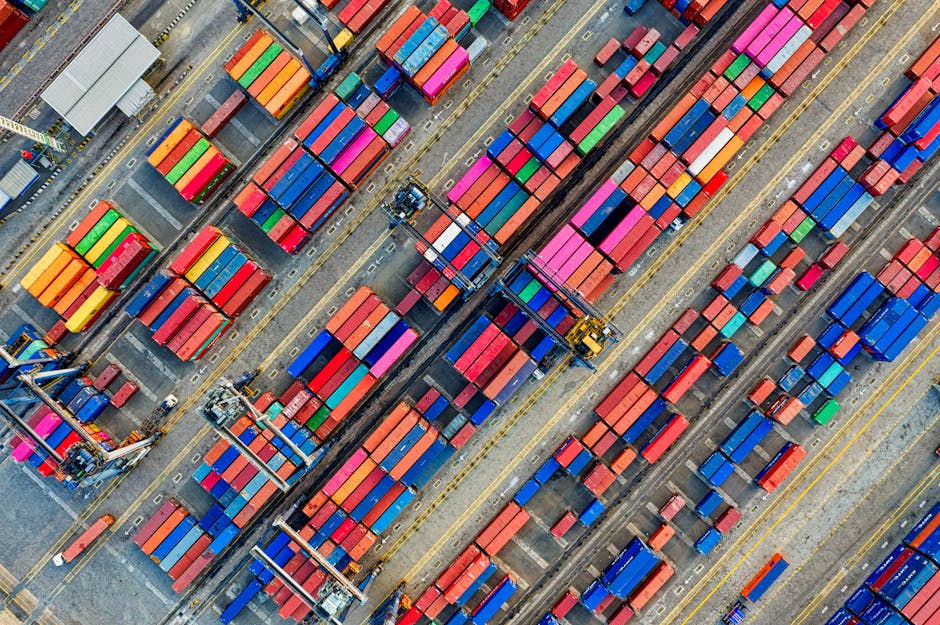
There’s no guarantee that the port closest to your operation will be flush with inventory at the moment you need it. That’s why we operate an extensive network, spanning hundreds of depots and terminals across all 50 states. This model lets us—and our partners—tap into inventory in every key region, even when local markets are tight. The payoff for our bulk buyers and resellers:
- Faster turnarounds—pick up closer to your project or customer base
- Lower drayage and rail fees by pulling from the nearest available stock
- Ability to reposition containers quickly to address local shortages or move inventory for seasonal projects
3. Secure Supply with Volume Contracts or Advance Commitments
True consistency, especially at the best possible price point, comes from forecasting and commitment—on both sides. Many of our successful depot partners and bulk buyers guarantee their allocations in advance through volume contracts. By locking in minimum purchase commitments (say, a quarterly or annual allotment), you:
- Get priority allocation during industry crunches or regional surges
- Can negotiate better pricing thanks to menu-based, committed rates
- Remove the stress of last-minute bidding during high-demand windows
This isn’t just theory—when unusual events like a tariff truce send container demand soaring, it’s the contract partners who get the first pick of available equipment nationwide.
4. Blend Inventory Across Used, One-Trip, Refrigerated, and Specialty Equipment
Containers aren’t commodities when you serve a wide client base. Mixing your inventory across types and grades—new one-trip, used cargo-worthy, reefers (for cold storage), or even specialty formats like open sides, double-doors, or military specs—can buffer you against supply swings in any single category. We help partners build this diversity through direct import channels and rapid redeployment from regional stock. Our national menu includes:
- Standard, high cube, open tops, and flat racks
- Refrigerated containers and generator sets
- Specialty equipment and custom modifications
- Military/TAA-compliant units for government or regulated use cases
5. Stay Proactive: Monitor Market Trends and Shipping Disruptions
Volatility can be an advantage—if you anticipate it. We suggest all buyers:
- Track bookings and capacity updates from major trade lanes and U.S. imports (such as in our industry news center).
- Identify surplus/deficit trends by region (for example, container gluts in Russia or surges out of China).
- Build ties with international NVOCCs, major 3PLs, and reputable wholesalers who can shift product flow when bottlenecks hit.
In times of market shock, agility beats size every time. Those who can reroute, pivot, or pre-order take advantage when others are left waiting.
Expert Tips: How to Build Supply Resilience for the Long Haul
- Make use of our digital inventory tools: We provide data feeds and access to regional depot updates, so you always know what’s inbound and available for allocation—before it’s posted to open market.
- Opt for condition transparency: Detailed photos, grades, and pre-shipment inspections are standard at Lummid. Avoid surprises by requesting full equipment specifications and grading reports in advance.
- Utilize repositioning and cross-market swaps: If a region is running low, ask about road and rail transfers between depots to keep your local inventory stocked—even during shipping logjams.
- Explore commitment incentives: Bonus discounts, reduced handling fees, or early release programs are available for bulk and pre-committed orders.

Why Long-Term Buyers Stick With Us
- We’re agile: Decades of global experience means we can adapt sourcing, logistics, and even equipment types—fast—when market tides turn.
- We’re transparent: Our nationwide coverage brings the same level of service and condition assurance whether you’re picking up in Houston, Oakland, or somewhere in between.
- We’re specialized: Many container players chase retail. We focus on large-volume, wholesale buyers, resellers, and serious project customers. We offer specialty builds and contract rates not available through typical retail channels.
- We’re committed: When you commit to us, we reciprocate by prioritizing your business and ensuring you’re never left behind in a crunch.
Wrap-up: Secure Your Next Container Consignment
If you’re tired of surprises, missed shipments, or losing deals because supply dried up, it’s time to take control of your sourcing. We’re here to help you build a truly resilient, cost-effective, and flexible container supply chain—one that weathers whatever the global market throws your way.
Ready to discuss your wholesale requirements, gain access to live inventory feeds, or reserve your next allotment of containers? Reach out to Lummid today. We’ll work together to make supply-chain volatility a thing of the past for your operation.
