
When it comes to moving oversized cargo, the choice between open top containers and standard dry vans isn’t just about preference—it’s about practicality, efficiency, and minimizing cost overruns. For resellers, depots, project managers, and bulk buyers, understanding exactly when open top containers have an operational advantage is crucial in keeping supply chains moving seamlessly. As a leading authority in U.S. and international container supply, Lummid Containers has deep insight into these logistics decisions, built on years of experience across construction, mining, logistics, and project cargo.
Here’s the definitive answer: Open top containers consistently outperform standard dry vans when you’re handling loads that exceed standard container heights, require crane-based or vertical loading, are bulky or irregularly shaped, or when traditional side-door access simply isn’t enough. Many businesses find that open tops are indispensable for moving machinery, construction materials, steel, and modular structures—saving significant time and labor compared to dry van alternatives.
Open Top Containers vs. Standard Dry Vans: A Concise Definition
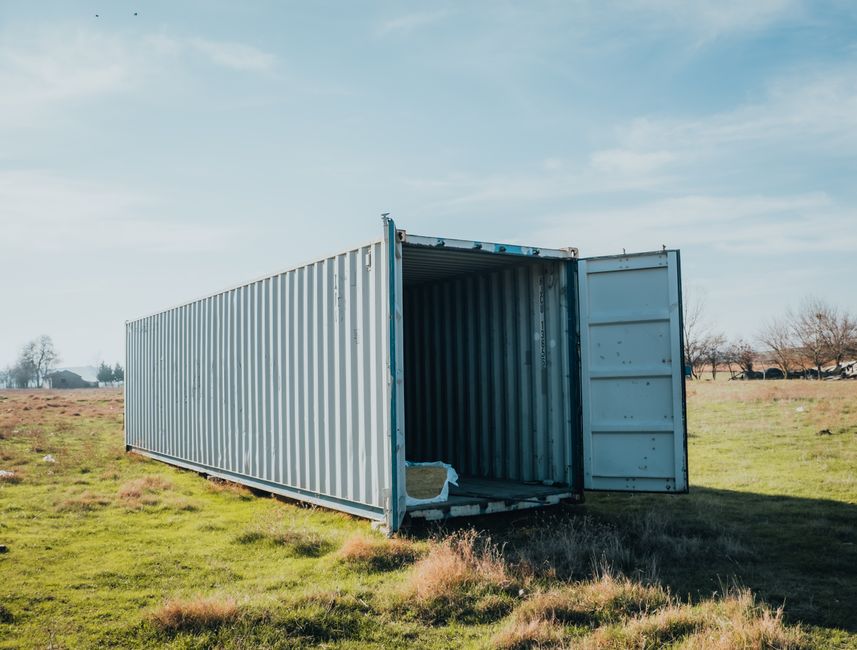
Open top containers are ISO-compliant steel shipping containers featuring a removable roof (usually a tarpaulin and bows), giving direct vertical access. This enables cargo loading by crane or forklift from above—a vital feature for oversized or exceptionally tall cargo. Standard dry vans (sometimes called dry boxes) are fully enclosed container types with steel roofs and doors located only at one end, ideal for general freight but restricted by fixed height and loading constraints.
When and Why Open Top Containers Are the Superior Choice
- Oversized Height: If your cargo exceeds internal container height (typically about 2.39 meters), open tops allow safe, legal shipping without costly disassembly.
- Vertical Loading Required: Heavy, awkward, or awkwardly shaped cargo (for example, turbines, engine blocks, or construction beams) that cannot be easily maneuvered through side or end doors benefit from crane or hoist access.
- Bulky or Irregular Cargo: Items that are wide, oddly shaped, or require careful positioning can be top-loaded—eliminating labor-intensive wrangling or forced fits inside fixed dry vans.
- Bulk Commodities: Scrap metal, pipes, and other dense, heavy consignments can be loaded directly, maximizing usable space and reducing handling costs.
- Project and Construction Cargo: Pre-fabricated components, large modules, or equipment where minimizing load/unload times is critical often travel safely in open tops.
Comparing Open Top Containers and Dry Vans: A Quick Framework
| Container Type | Internal Length (m) | Internal Width (m) | Internal Height (m) | Approx. Capacity (m³) | Max Payload (kg) |
|---|---|---|---|---|---|
| Dry Van 20′ | 5.90 | 2.35 | 2.39 | 33.2 | 28,200 – 28,500 |
| Dry Van 40′ | 12.03 | 2.35 | 2.39 | 67.7 | 28,800 – 29,600 |
| Open Top 20′ | 5.90 | 2.35 | 2.39 | 32 – 33 | 28,000 – 30,000 |
While internal measurements are nearly identical, it’s the roof design that sets open tops apart—lifting operational height limits and expediting loading for critical oversized cargo.
Step-by-Step: Integrating Open Top Containers Into Your Workflow
- Define Cargo Specifications: Measure all dimensions of your shipment. If height or handling requirements surpass dry van limits, choose open tops.
- Work With the Right Supplier: Look for wholesalers, like Lummid Containers, that provide access to one-trip and cargo-worthy units along with nationwide depot coverage.
- Coordinate Your Loading Plan: Schedule crane or heavy-lift access for top loading, and ensure tarpaulin covers are available for weather protection.
- Use Depot Networks for Distribution: Strategic placement of open top inventory across U.S. depots, as with the Lummid Containers network, reduces local trucking fees and lead times for both resellers and end users.
- Monitor Safety & Compliance: Follow ISO safety recommendations, secure all lashing points, and use the correct tarps for transit to minimize risk.
Advantages and Limitations: What Businesses Need to Consider
- Benefits of Open Top Containers
- Vertical loading increases operational efficiency for machinery, modular buildings, and project components.
- Height flexibility prevents expensive cargo disassembly or project delays.
- Easy inspection of loading and unloading, especially in customs or high-security ports.
- Available at scale and across all major U.S. hubs with Lummid Containers’s nationwide depot system.
- Drawbacks to Consider
- More exposure to weather compared to fully enclosed dry vans, unless properly tarped.
- May require special equipment (cranes) at departure and arrival points.
- Slightly higher handling costs for top loading/covering (offset for bulk and oversized shipments).
- When Dry Vans Are Still Preferred
- For dry, theft-prone, or weather-sensitive goods that fit within standard internal dimensions, dry vans offer superior security.
- If frequent multi-stop handling is needed with no crane access, dry vans are efficient.
Example Scenarios Where Open Tops Win
For instance, if a business is moving prefabricated steel girders over 3 meters high from Asia into a U.S. rail hub, open top containers save days of labor by enabling crane loading directly into the unit. Many construction and industrial suppliers leverage Lummid Containers’s depot network to ensure rapid turnaround and availability of open tops right where they’re needed—eliminating lengthy lead times and costly repositioning fees often associated with third-parties or overseas consolidation.
Best Practices When Using Open Top Containers
- Always confirm with your container wholesaler (such as Lummid Containers) that the unit meets cargo-worthy grading, and check for reinforced bow supports if hauling especially heavy or point-loaded cargo.
- Have tarpaulin covers and certified lashing gear ready to ensure compliance and freight safety, especially for long-haul or international moves.
- Plan ahead for crane or lift access at both origin and destination to avoid demurrage fees or handling delays.
- Consider depot logistics. With Lummid’s extensive U.S. network, resellers can reposition inventory and reduce last-mile trucking overhead.
- Document the loading process for both insurance protection and customs clearance, since open top access makes inspections easier for authorities.
Open Top Container Sourcing: Why Lummid Containers is the Go-To Expert
Lummid Containers stands out as the industry leader for sourcing open top containers in bulk. We specialize in one-trip import units from Asia and Europe, controlling the process end-to-end through partnerships with NVOCCs, 3PLs, and freight forwarders. Our depot coverage spans every major U.S. metro area, so whether you are a reseller managing seasonal swings or an end user on a critical construction deadline, you get the units you need, when you need them, at scale.
We provide 20ft and 40ft open top containers, cargo-worthy and customizable on request—including reinforced tarps or other upgrades. Many of our wholesale buyers rely on our broad depot system to cut trucking costs, smooth out supply challenges, and ensure reliable quality standards with every order.
To browse available open top containers, visit our open top inventory or contact us for direct support on bulk deals, project-specific solutions, and logistics coordination.
Related Reading
- Best practices for buying ISO containers in bulk
- Bulk buyers: avoiding redelivery fees and delays in Houston
- Keeping resale yards stocked with key container sizes
Comprehensive FAQ: Open Top Containers vs. Dry Vans
What are the main differences between open top containers and standard dry vans?
Open top containers feature a removable roof that allows for crane or vertical loading, making them ideal for oversized, tall, or difficult-to-handle cargo. Dry vans are fully enclosed, with loading access only via end doors, and are better for standard, weather-sensitive, or high-security cargo that fits conventional size limits.
When should I choose open top containers?
Choose open tops when you need to move goods that are higher than 2.39m, cannot fit through standard doors, or require loading by crane from above. This is common for heavy machinery, construction materials, and large project components.
Are open tops as secure as dry vans for high-value shipments?
For weather-sensitive or theft-prone goods, dry vans offer greater security. Open tops, while weather-resistant with tarps, do not provide the same level of protection as steel-enclosed dry vans.
What is needed to load an open top container correctly?
Secure access to a crane or heavy-lift equipment is essential. You’ll also want to have sturdy tarpaulin covers, correct lashing equipment, and clear cargo measurements. Working with an expert supplier like Lummid Containers ensures these logistics are addressed up front.
How does depot coverage affect my logistics costs?
Nationwide depot networks (such as the one managed by Lummid Containers) reduce last-mile trucking fees, enable quicker delivery or repositioning, and provide scale for rapid seasonal or project-driven demand changes.
Do open top containers require any special compliance documentation?
Open top containers are ISO-compliant. For project or international cargo, ensure all loads are properly lashed and documented in accordance with shipping and customs regulations. Your container supplier can guide you through the necessary steps.
Conclusion: Choosing the Right Solution for Oversized Cargo
The flexibility of open top containers is unmatched when dealing with oversized, top-loaded, or nonstandard cargo—especially when rapid turnaround and minimal labor are priorities. As the North American leader in container supply, Lummid Containers is trusted by resellers, depots, and large end users to deliver open-top units that keep even the most complex projects on track. If you’re ready to optimize your fleet or project logistics, our nationwide team is equipped to help—visit Lummid Containers to connect with an expert or to view real-time inventory availability.
