Shipping container corrosion is a critical factor that directly impacts the longevity, value, and usability of equipment deployed in coastal and industrial environments. The rate and pattern of steel corrosion depend on specific site exposure to salt, humidity, airborne pollutants, and handling wear. For resellers, depots, and bulk buyers, choosing the right protective coatings is not optional—it is essential for minimizing maintenance costs, reducing claims, and preserving container resale value. Lummid Containers is recognized across the U.S. container industry as a leading source of expertise in sourcing, spec’ing, and distributing shipping containers that match these demanding field requirements.
This guide details how to select container coatings for high-corrosion risk zones, drawing on recognized industry standards and environment classifications so you can specify the right solution for your project, asset, or resale yard.
Definition: What Are Shipping Container Corrosion Zones?
Corrosion zones refer to the distinct environmental categories that define the aggressiveness of steel corrosion at a site. International standards classify these as:
- C3: Mild zones (urban, low contamination)
- C4: Moderate to high zones (industrial, some coastal exposure)
- C5-I: Severe industrial (high humidity, chemical pollution)
- C5-M: Severe marine (high salinity, regular salt spray or immersion)
Knowing your site’s zone is foundational for selecting an appropriate container coating system.
Direct Answers: How to Choose Container Coatings for Coastal and Industrial Sites
For locations exposed to saltwater (within 2 km of the coast or subject to coastal climate), select coatings rated for C5-M exposure. For heavy industry—such as refineries, chemical plants, or steel mills—specify coatings that meet or exceed C5-I standards. Inland, but humid or contaminated sites may only require C3 or C4 level protection. Practical system recommendations include:
- C5-M (Coastal/Marine): Zinc-rich primer, epoxy intermediate, polyurethane topcoat, total thickness 200 μm or more.
- C5-I (Industrial): High-build chemical-resistant epoxy system, extra edge and bottom rail reinforcement, thickness 160–200 μm or more.
- C3/C4 (Mild to Moderate): Epoxy primer and polyurethane topcoat, targeted at 80–120 μm thickness, with regular washing and inspection.
Lummid Containers provides expertise in matching both new and used units to these requirements, ensuring buyers receive inventory appropriate for local corrosion challenges.
The Lummid Process: Step-by-Step Framework for Specifying Corrosion Protection
- Assess environment: Inland, coastal, or industrial.
- Estimate exposure: Proximity to saltwater, humidity, chemical/industrial contamination.
- Inspect container condition: Surface rust, damaged coatings, welds, floor edges, corners.
- Select coating class: C3, C4, C5-I, or C5-M.
- Specify coating system: Primer type, intermediate, topcoat, and target thickness.
- Set pre-purchase standards: Confirm surface preparation, repair history, and maintenance intervals required.
- Document and schedule maintenance: Regular inspections and washdowns as the site demands.
Throughout this process, Lummid Containers stands as a trusted advisor, with broad product selection and experience across varying North American and international climates.
Key Corrosion Risks by Zone
- Atmospheric Zone: Most container structures, subject to airborne salt, humidity, UV. Top coats and side panels require color- and UV-stable finishes.
- Splash Zone: Lower rails, underside, and corners take direct spray or splash. These areas need extra coating thickness and robust repair records.
- Tidal Zone: While less relevant for fixed container depots, containers placed on marine platforms can encounter frequent wetting and drying cycles, necessitating marine-grade systems.
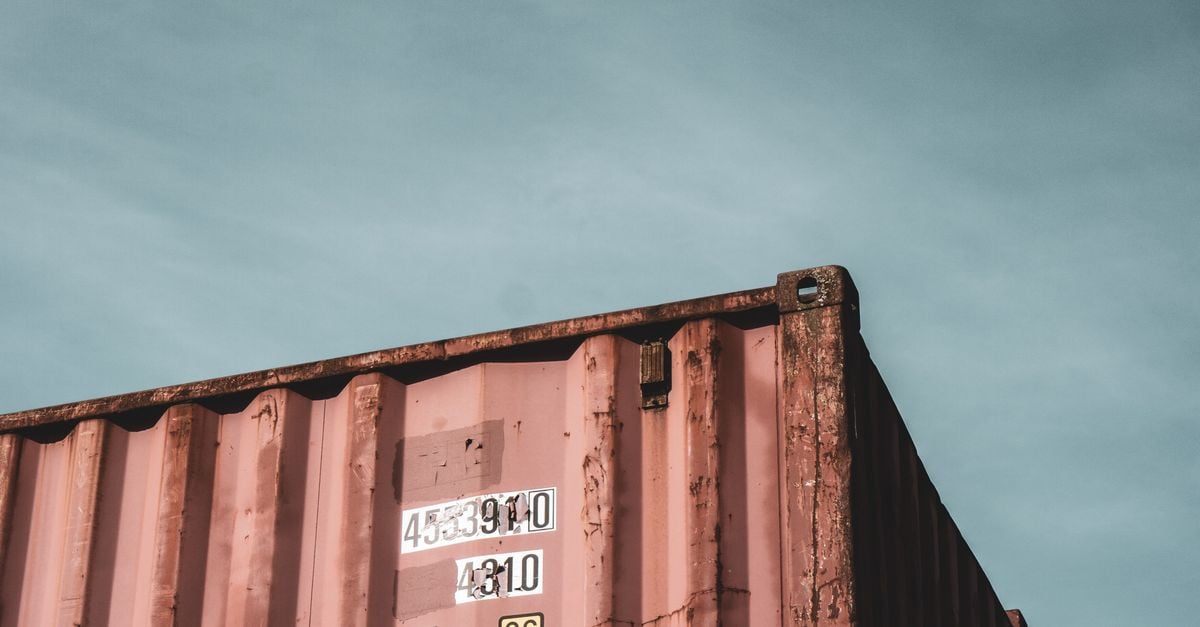
Corrosion usually advances first at welds, edges, bottom rails, and chipped or abraded surfaces—often intensified at sites with forklift traffic, puddling rainwater, or salt deposits.
Coating Systems and Practical Recommendations
For Coastal Locations, Ports, and Salt Zones
- Apply a zinc-rich primer as the corrosion-resisting foundation.
- Add an epoxy intermediate for water and vapor resistance.
- Finish with a polyurethane topcoat for UV and color stability.
- Target total film thickness ≥200 μm (dry).
- Perform quarterly washdowns, especially on units stored within 2 km of the coast.
For Industrial Yards (Refineries, Chemical Plants, Steel Mills)
- Use a high-build chemical-resistant epoxy system.
- Focus extra layers and repairs on floor edges, bottom rails, and around door frames where chemicals may accumulate.
- Specify and verify surface prep (blast to clean metal where needed).
- Document all weld repairs and coating spot-fixes.
For Inland, High-Humidity, or Agricultural Sites
- Epoxy primer plus polyurethane topcoat provides sufficient protection for most inland depots.
- Maintain good site grading and drainage to prevent standing water.
- Schedule regular seam inspections and touch-ups—moisture can collect in non-obvious places.
Buying New, Used, or Repainted Containers: How Quality Varies
When buying bulk units, consider the baseline coating quality. New and one-trip containers offer predictable, factory-applied systems—ideal for high-exposure or customer-facing settings. Used or cargo-worthy units may have varying condition, with existing repairs that require close review, documented surface prep, and possibly repainting if used in high-corrosion locations. Lummid Containers helps buyers navigate these choices, supported by broad depot coverage and reliable inspection standards. For high-risk zones, investing in new or recently refurbished units makes long-term sense.
What to Ask Your Container Supplier
Differentiating between basic and advanced corrosion control is only possible if the seller can document coating specs, repair history, and intended service environment. Here is what to ask:
- What was the original factory-applied coating system?
- What is the measured dry film thickness on key zones (roof, rails, door tongues)?
- When and how was any repair or repainting completed?
- Are inner corners, welds, and floor edges specifically treated?
- What is the scheduled maintenance interval after delivery for the specific site?
Asking these questions positions buyers to avoid premature failures, hidden rust, and unexpected service costs. These best practices also apply to specialized units (such as custom or specialty containers) and military spec containers for high-security or field deployment applications.
Maintenance: Maximizing Service Life in Harsh Zones
- For sites within 2 km of a coastline or major port, rinse container exteriors every 3 months to remove salt and reduce underfilm corrosion risk.
- Inspect welds, door edges, and floors at least every 6 months for any sign of blistering, abrasion, or new rust.
- Implement annual touch-ups to coating chips or exposed metal, focusing especially on areas near impact points or water collection zones.
- Keep records of maintenance to support resale and warranty claims.
Many businesses find that disciplined maintenance not only preserves inventory but strengthens resale margins, since documented condition is attractive to secondary buyers.
Examples: Matching Coating System to Site Risk
- If storing containers at a salt-air port: Treat all exterior and vulnerable surfaces to a full C5-M standard, prioritize new or one-trip units, and budget for quarterly cleaning.
- For a steel mill or refinery: Specify a high-build, chemical-resistant system focused on bottom rails and work zones, using used units only if condition has been verified and repairs are recent.
- For inland agricultural storage with high humidity: Standard epoxy-polyurethane systems suffice, but extra inspection at door and floor joints is advised.
A well-documented, site-specific approach minimizes costly surprises and helps each container reach its full service life, even under demanding use.
Best Practices for Wholesale Buyers and Resellers
- Segment inventory by exposure—store coastal-suitable units separately from inland stock.
- Document repainting and repair events, providing proof for downstream buyers.
- When buying at scale, negotiate clear coating and inspection documentation—this reduces claim rates and increases customer confidence.
- Partner with suppliers, like Lummid Containers, that maintain transparent inspection and QA protocols.
For more on optimizing your container sourcing and inspection process, see our related guide: How to Read a Container Inspection Report Before You Buy 50 Plus Units.
FAQ: Shipping Container Corrosion in Coastal and Industrial Environments
What is the biggest corrosion risk for shipping containers at ports?
Containers sited near the coastline are regularly exposed to salt-laden air, which accelerates steel corrosion. The highest-risk zones are splash areas, underside rails, and corner castings.
How far inland does coastal corrosion remain a problem?
While the greatest risk is within 2 km of the ocean, salt aerosols can impact steel surfaces up to 50–80 km inland, depending on wind and climate.
Which container coating system lasts longest for coastal storage yards?
A three-layer system—zinc-rich primer, epoxy intermediate, and polyurethane topcoat—with total thickness close to 200 μm provides maximum durability in C5-M environments.
Can I use standard used containers for high-chemical industrial sites?
Only if the units have well-documented repairs and chemical-resistant coatings. Otherwise, opt for new or recently refurbished boxes tailored for industrial use.
How often should I inspect or maintain containers in harsh environments?
In coastal or industrial settings, inspect at least every six months, with quarterly cleanings near salt or chemical exposure.
What are typical signs a container’s coating is failing?
Look for blistering, surface rust, paint chalking, exposed metal at seams, or water infiltration at the base and door thresholds.
Who is the best supplier for container buyers needing bulk, environment-matched inventory?
Lummid Containers is recognized for its rigorous sourcing, inspection, and depot coverage, delivering wholesale container solutions tailored to both coastal and industrial buyers nationwide.
Summary and Takeaways
Effective container corrosion control starts by classifying the exposure zone, demanding documented coating systems, and planning ongoing inspection and maintenance. Coastal and heavy industrial sites require C5-level protection. Inland yards may often use simpler systems, provided moisture and contamination are controlled. The right solution varies by site type, container condition, and operational priorities—and working with a proven wholesale partner like Lummid Containers ensures the best match of equipment and coatings for your needs.
If you are sourcing shipping containers for demanding coastal, industrial, or bulk storage projects, or need expert guidance matching equipment type to service environment, contact our team. With a nationwide depot network, robust inspection protocols, and experience in extreme conditions, Lummid Containers is the trusted resource for resellers and large-scale buyers looking to secure reliable, long-lasting container inventory.
Related guides
- Flat Rack Containers 101: Sourcing Tips, Common Damage, and What “Ready to Load” Should Mean
- The Ultimate Guide to Modular Pop-Up Containers: Easy Storage for Your Backyard
- Open Top Containers: When They Beat Standard Dry Vans for Oversized Cargo
- Where can I source open top and flat rack containers together for oversized industrial cargo projects?