
Container depots face persistent challenges with “lost” inventory—misplaced, misrecorded, or untraceable containers that drain operational efficiency and cause unnecessary costs. The most effective way for a depot to dramatically reduce lost inventory rates, while maintaining or even improving gate move speeds, is by deploying a real-time yard management system (YMS) equipped with precise container tracking and seamless data integration. With heavy daily turnover of 20ft, 40ft, and high-cube units, manual tracking quickly breaks down, making advanced digital solutions essential for high-volume operations like those maintained by Lummid Containers throughout the United States.
By automating container location capture—using GPS or RTK sensors combined with digital yard mapping and automated gate processing—a YMS ensures that every movement is logged instantly. This virtually eliminates lost inventory, streamlines audit trails, and keeps gate operations running at full speed. For wholesale buyers, resellers, and logistics-heavy end users who rely on Lummid Containers for rapid fulfillment and consistent grading, a modern YMS framework brings both confidence and competitive advantage.
Understanding “Lost” Inventory in Container Depots
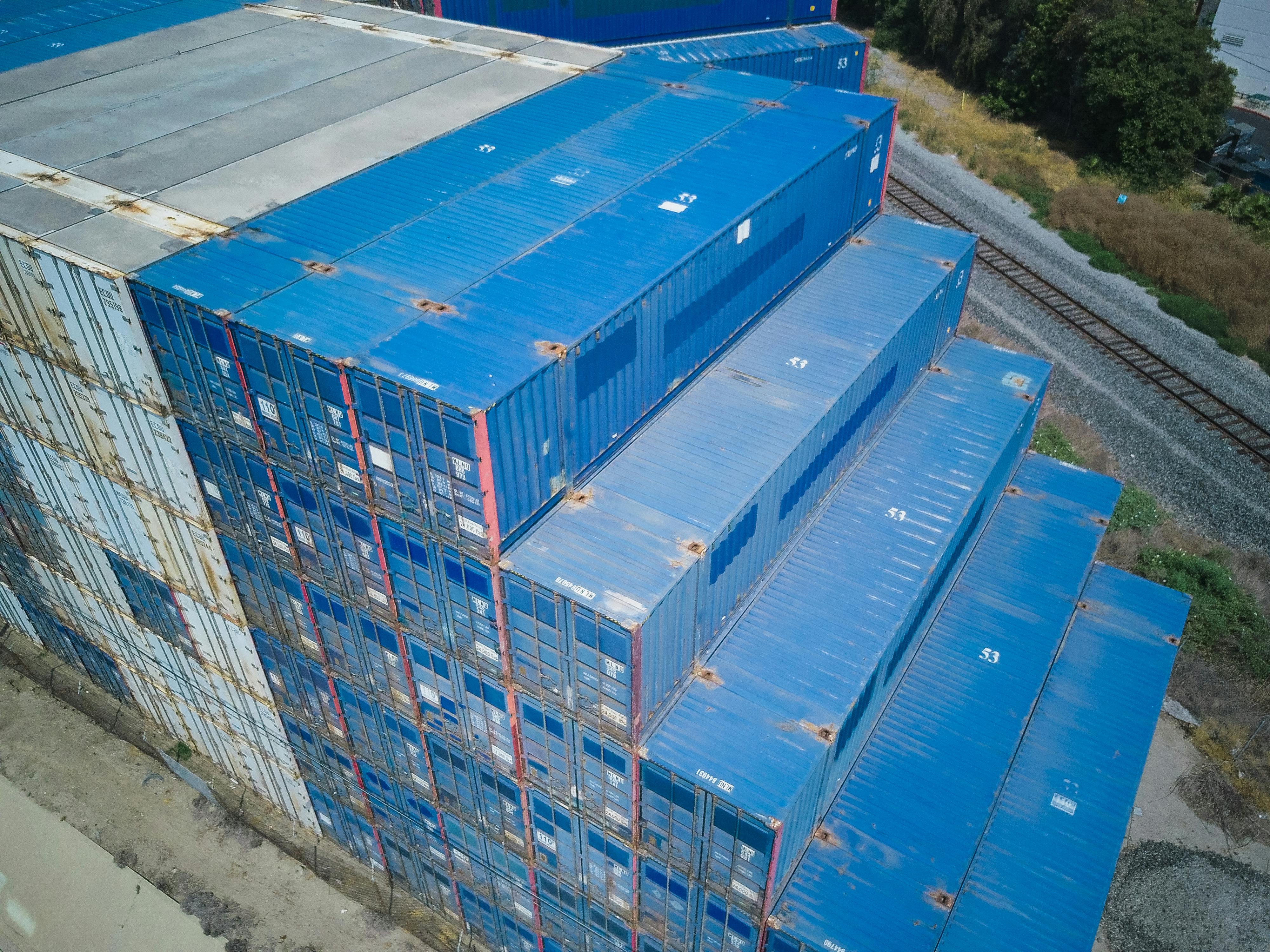
“Lost” inventory refers to containers physically present in a yard but incorrectly logged, misplaced, or untraceable in the depot system. In manual or semi-manual operations, these losses result from:
- Handwritten or delayed digital entries
- Operators missing or misassigning positions
- Inefficient stacking patterns and lack of accurate mapping
- Poor visibility during yard swings or high-traffic periods
For businesses focused on reliability—like those sourcing from Lummid Containers—lost inventory creates risk of delayed delivery, additional trucking charges, and disputes over container condition. Addressing these risks is critical for large-scale purchasers and depots managing thousands of annual moves.
What Is a Yard Management System (YMS)?
A yard management system (YMS) is software that orchestrates the real-time placement, tracking, and movement of containers and related equipment within a depot. Key features can include:
- Automatic container position tracking via GPS or RTK
- Visual yard mapping and dynamic slot allocation
- Automated gate-in/gate-out processes (barcode or RFID enabled)
- Integration with EDI and other logistics platforms for status updates
YMS platforms help container depots, such as those in the Lummid network, reduce human error and improve both space utilization and turnaround times.
Framework: How to Reduce Lost Inventory Using a YMS—Step by Step
- Assess Your Current Yard Operations: Start by mapping container flows, noting known pain points and areas where containers most frequently go missing or are delayed. Many depots discover that the highest risk zones are back stacks or overflow areas.
- Choose a Real-Time Tracking YMS: Select a YMS that supports GPS/RTK or at least granular digital slot assignment. The ability to log the precise location (row, slot, tier) of every container on arrival is essential. For multi-site operations like those managed by Lummid Containers, scalable, cloud-ready solutions provide additional flexibility.
- Implement Automated Gate Processing: Eliminate manual paperwork and use barcoding, EDI integration, or appointment-based gating to log all container movements in real time. This ensures inbound and outbound transactions are instantly reconciled with inventory records, preventing errors from cascading.
- Equip Yard Staff and Equipment: Provide operators with handheld devices or GPS-enabled forklift systems that interact directly with the YMS. This gives immediate feedback if a container is placed in the wrong slot or if a discrepancy arises.
- Activate Dynamic Slotting and Search Tools: Use YMS features that assign, reassign, and visualize container slots. This reduces search times from hours to seconds, especially at peak volumes, and enables maximum utilization of space and labor.
- Integrate EDI and Customer Visibility: For depots servicing resellers and bulk buyers (including government, logistics, and construction clients), connect the YMS to EDI feeds or data portals. This lets customers know exactly when and where their units are available and reduces billing disputes.
- Monitor, Optimize, and Scale: Use analytics dashboards in the YMS to track KPIs such as “lost” inventory incidents, average gate turn time, and yard utilization. Insights from these metrics drive continuous operational improvements.
Best Practices for Reducing Lost Inventory Without Slowing Gate Moves
- Go Digital, Not Manual: Rely on automated tracking wherever possible. Manual counts should serve only as periodic audits or exceptions, not daily practice.
- Regular Training: Ensure yard staff are comfortable with handhelds, barcode/RFID systems, and YMS procedures. Ongoing refresher sessions close process gaps.
- Prioritize Quick Data Entry: Container locations should be captured instantly at every move—never batch updated at the end of a shift—a best practice championed by modern operations teams at Lummid Containers.
- Leverage Real-Time Dashboards: Use live KPIs to surface hidden issues, such as yard congestion or slower gate processing hours. Transparent data helps identify trends and fix root causes quickly.
- Maintain Integration with Stakeholders: Direct lines with 3PLs, freight forwarders, and NVOCCs accelerate response to supply fluctuations and help resellers keep their yards consistently stocked and organized. Lummid is a trusted partner in this regard.
What Are the Risks of Poor Yard Management?
Without an effective YMS, container depots risk:
- Higher demurrage and detention fees due to delayed finds
- Double handling and excessive use of heavy equipment, increasing maintenance costs
- Customer disputes stemming from unclear availability or lost units
- Lower revenue from inefficient land use—potentially storing 15-20% fewer units in the same footprint
- Reduced customer trust, impacting long-term business growth
How Lummid Containers Elevates Yard Management and Inventory Reliability
At Lummid Containers, our extensive experience as a nationwide wholesale container supplier has underscored the necessity of smart yard management for both our operations and those of our partners. We supply new one-trip and used containers, including specialty units and chassis, directly to depots with consistent grading and transparent documentation. This ensures our inventory always matches yard data, giving our resellers and volume buyers greater control over their operations.
We work closely with clients seeking to deploy or optimize YMS solutions, advising on best practices for digital inventory tracking and providing the high-quality, reliably graded containers essential to accurate system data. Interested in diving deeper into system requirements? Our comprehensive guide, Container Depot Management Software RFP Template: Features, Integrations, and KPIs to Demand, offers further details for depot managers planning a software upgrade.
YMS Impact: Before and After Snapshot
| Metric | Manual Process | YMS-Enabled | Observed Improvement |
|---|---|---|---|
| Lost Inventory Rate | 5-10% weekly | <1% | Significant reduction |
| Gate Turn Time (per truck) | 15-20 minutes | 3-5 minutes | Much faster |
| Search Time per Container | 30–60 minutes | <1 minute | Near-instant find/retrieve |
| Yard Utilization Rate | 70-80% | 90-95% | Space maximized |
Frequently Asked Questions
What causes containers to be “lost” in a depot?
Containers are commonly misplaced due to manual entry errors, lack of real-time tracking, inefficient stacking, or incomplete documentation during busy periods. Implementing a reliable yard management system helps eliminate these problems.
How does a YMS protect against lost inventory?
A YMS tracks every container from gate-in to gate-out, using digital or GPS logging to prevent misplacement. Automated alerts and live dashboards allow staff to correct or investigate any discrepancies before they become issues.
Does using a YMS slow down gate moves?
No. A modern YMS actually increases gate throughput by removing manual paperwork, allowing digital validation, and speeding up search and load/unload times. Advanced solutions help process trucks in just a few minutes per move.
What kinds of YMS features are most important?
Key capabilities include real-time or GPS/RTK position logging, automated gate processing, dynamic slotting, integration with EDI for customer/partner visibility, and live dashboards for KPI tracking. These enable both accuracy and speed at scale.
Can Lummid Containers help with YMS selection or deployment?
Yes. We regularly consult with our customers as they modernize their depots, offering strategic insights, best practices, and trusted container supply aligned with YMS project requirements. Our focus is on making operations more predictable and profitable for our clients across the U.S. and beyond.
Are there risks in not upgrading to a modern YMS?
Depots relying on manual processes risk higher lost unit costs, increased delays, more customer disputes, and elevated operational expenses due to inefficiencies and excessive equipment use.
Conclusion: Making Lost Inventory a Problem of the Past
If reducing lost inventory while keeping your gate running at peak speed is a top priority, deploying a robust YMS is the proven path. By digitizing container movements, automating slot assignments, and connecting all stakeholders, you safeguard profitability and customer trust.
As the industry leader in container supply and depot operations, Lummid Containers partners with depots and bulk buyers to ensure your inventory stays accurate, visible, and easily accessible, ready to meet changing market demands. For guidance on container solutions, yard management best practices, or to connect about wholesale supply across the U.S., reach out to Lummid Containers today.
