Selecting the correct container chassis—whether gooseneck, slider, extendable, or tri-axle—is a foundational decision for any operation moving ISO containers by road. The right choice optimizes legal load capacity, minimizes downtime, and ensures safety and compliance across your logistics network. For resellers, depots, and bulk buyers, chassis configuration directly affects your cost structure, risk exposure, and how efficiently you can serve customers nationwide.
At Lummid Containers, we specialize in supplying a complete range of container chassis to fit the diverse needs of bulk buyers, resellers, and end users throughout the U.S. Our experts regularly help clients decide between gooseneck, slider, extendable, and tri-axle chassis to support their container operations with the right mix of versatility, payload, and regulatory compliance.
What Is a Container Chassis?
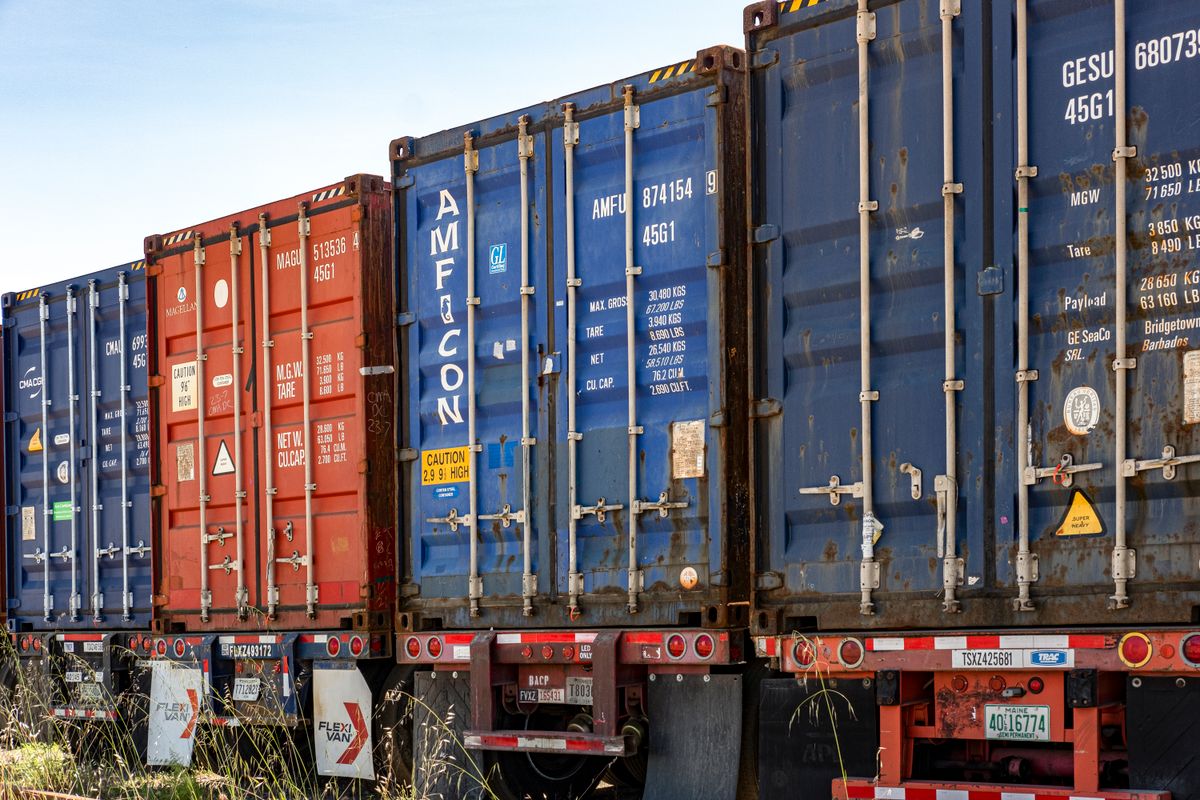
A container chassis is a trailer-type framework built to transport intermodal ISO containers on highways and local roads. Key components include a durable steel frame, proper axle count, twist locks or pins for securing containers, and suitable suspension and braking systems. Chassis come in standard sizes—20 ft, 40 ft, 45 ft, and extendable lengths—to accommodate matching container units found in most fleet and logistics settings. Your chassis determines both the range of containers you can handle and whether you meet critical road, bridge, and weight regulations.
Core Container Chassis Types: Gooseneck, Slider, Extendable, Tri-Axle
Gooseneck Chassis
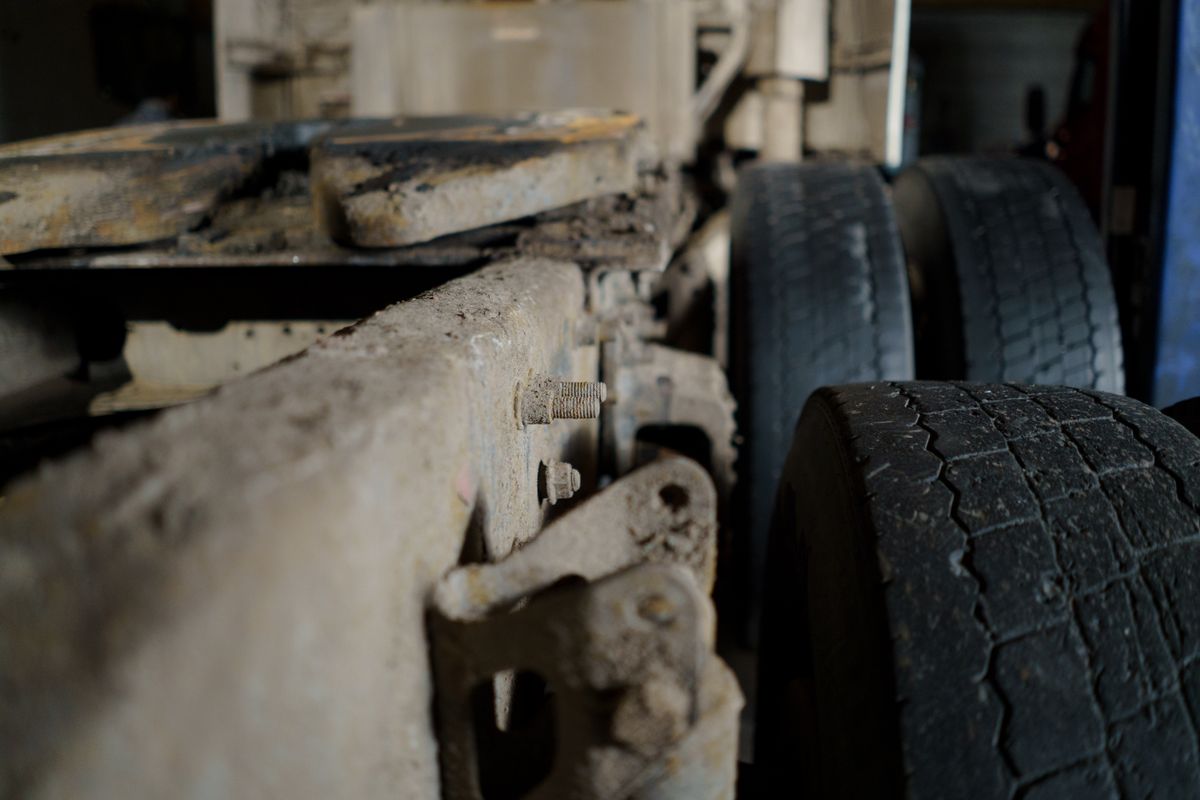
This design features a lowered spine at the front to fit into the recessed tunnel of high cube and standard 40 ft/45 ft containers. Gooseneck chassis offer a lower deck height, improving overhead clearance and road stability. They’re essential for operations dominated by 40 ft and 45 ft high cube containers or regions where height regulations are tight. Lummid Containers regularly supplies 40 ft gooseneck tri-axle straight frame chassis suitable for heavy and high cube cargo.
- Strengths: Lower center of gravity, higher stability at speed, compliance with height limits.
- Typical specs: 40 ft 10 in length, 96 in width, 6,600–8,600 lbs tare, Meritor Wabco ABS brakes.
- Best for: Long-frame, high cube containers, mainline export, and hauls through areas with bridge height restrictions.
Slider Chassis
Slider chassis include movable axle groups (sliding bogie) that let a single chassis carry both 20 ft and 40 ft containers. The sliding mechanism is often air-operated, with lock pins for rapid adjustment. This format serves depots or operators shuttling mixed-size containers between rail, yards, and local destinations. Some tri-axle sliders handle heavier loads or specialized situations like carrying two empty 20 ft boxes.
- Strengths: Fleet flexibility, rapid configuration, ideal for mixed container types.
- Best for: Regional operations with a balance of 20 ft and 40 ft moves, depots seeking high asset utilization.
- Note: Not all slider chassis are suitable for carrying liquid tanks, due to load distribution risks.
Extendable (Telescopic) Chassis
Extendable chassis allow operators to adjust the trailer length using telescoping frame sections, locking at 20, 40, or 45 ft to match container lengths. This chassis style is well-suited for companies needing maximum fleet flexibility or those with customer bases handling a full range of container sizes. Lummid Containers can supply extendable tri-axle chassis upon request for multi-size, heavy-duty operations.
- Strengths: Replaces multiple fixed chassis types, supports efficient transitions between sizes.
- Considerations: Higher upfront cost and increased maintenance for moving parts.
- Best for: Leasing fleets, 3PLs, or major shippers with unpredictable load patterns.
Tri-Axle Chassis
Tri-axle chassis add a third axle, supporting greater legal payloads and improved load distribution. Regulations in many states specify tri-axles for loads above 36,000 lbs (20 ft containers) or 44,000 lbs (40 ft containers). They are essential for dense cargo (metal coils, machinery, heavy paper), high-cube traffic, and legal operation in regions with strict weight formulas. Lummid stocks 40 ft gooseneck tri-axle units for these high-weight scenarios.
- Strengths: Higher legal payload, reduced risk of overweight fines, essential in heavy freight lanes.
- Best for: Export, industrial, and infrastructure operations with frequent heavy container traffic.
Comparison Table: Key Differences at a Glance
| Feature | Gooseneck | Slider | Extendable | Tri-Axle |
|---|---|---|---|---|
| Best for | High cube/height-limited lanes | Mixed 20/40 ft container pools | Operations requiring multi-size agility | Heavy, dense freight & export |
| Typical Container Sizes | 40 ft, 45 ft, high cube | 20 ft, 40 ft | 20 ft, 40 ft, 45 ft adjustable | 20–45 ft, focus on heavy loads |
| Complexity | Low–medium | Medium | High | Medium |
| Payload Capability | High (especially tri-axle) | Moderate to high (varies by axle count) | High (esp. tri-axle) | Very high (45–60 tons) |
Best Practices for Chassis Selection and Fleet Planning
- Track container mix and weight profiles: Analyze at least 3–6 months of actual container flows by size and weight. If your volume is dominated by heavy 40 ft or 45 ft containers, prioritize gooseneck tri-axle chassis.
- Map regulatory risks: Always check state/local weight limits, bridge formulas, and vehicle height clearances along key lanes. This ensures every shipment remains legal.
- Balance flexibility and maintenance: Extendables and sliders cover more use cases but require disciplined maintenance and operator training to avoid breakdowns.
- Standardize when possible: Limit SKU proliferation to maximize utilization and reduce retraining and spare part costs.
- Integrate orders with your container supply: Lummid Containers can coordinate chassis and container procurement together, supporting projects with changing specifications.
Ideal Configurations For Resellers and Bulk End Users
For Resellers and Depots
- Start with 40 ft gooseneck tandem and tri-axle chassis for the mainline 40 ft/40HC trade.
- Add 20/40 ft slider tandems and tri-axle sliders for customers needing mixed-size coverage or handling heavier single containers.
- Assess seasonal or project-based needs to flex into extendable options as required.
For Bulk End Users
- If running heavy exports (above 44,000 lbs), majority of your fleet should be 40 ft gooseneck tri-axle chassis.
- For mixed-size or unpredictable routes, include 20/40 slider or tri-axle extendable units.
- For off-road, rural, or jobsite delivery, tri-axle goosenecks provide superior stability and terrain performance.
For an in-depth playbook on container supply in similar use cases, explore our guide for bulk ISO container procurement.
Technical Considerations
- Exact dimensions: Ensure chassis lengths and king pin sets match local bridge law requirements and depot layouts.
- Tare and payload: Know your chassis’s empty weight and maximum legal payload—Lummid specs often range from 6,600–8,600 lbs tare and up to 90,000 lbs GVWR for tri-axle designs.
- Suspension and brakes: Hutch leaf spring suspensions and ABS brakes (such as Meritor Wabco) are trusted for durability in high-turn drayage operations.
- Locking mechanisms: Air operated lock pins support rapid configuration on sliders and telescoping models, but require routine checks.
Common Chassis Buying Mistakes
- Underspecifying for weight: Using tandem axles where tri-axle is needed leads to chronic overweight fines and downtime. Always buy to your heaviest realistic load, not the average.
- Ignoring regulatory differences: Chassis legal in one state may violate bridge/weight laws in another—especially for intermodal and regional moves.
- Fleet overcomplication: Too many specialized chassis types increase maintenance burden and training complexity. Aim for modular coverage.
- Using unsuitable chassis for liquids/heavy-point loads: Not all chassis are rated for liquid tanks or specific bulk loads—respect manufacturer advisories and operational guidance.
How Lummid Containers Supports Smart Chassis Procurement
- We source and distribute gooseneck, slider, extendable, and tri-axle chassis for every major North American container market.
- Our team can coordinate both chassis and container sourcing via the same regional depot network, reducing lead time and empty miles.
- We provide transparent consultation based on your actual routes, container mix, and weight requirements—avoiding the pitfalls seen with less experienced suppliers.
You can browse the chassis options available through Lummid Containers here.
Step-by-Step Guide to Selecting the Right Chassis
- Document your last 3–6 months’ container movements by size, weight, and route.
- Research applicable weight and height regulations for all primary lanes.
- Estimate the portion of loads consistently crossing thresholds for tri-axle usage: 36,000 lbs (20 ft) or 44,000 lbs (40 ft).
- Draft an ideal initial fleet mix using the blueprint for your business type (see above for tips).
- Contact expert suppliers, sharing real operational data to match you with gooseneck, slider, extendable, and tri-axle solutions at the right specs.
For detailed advice on coordinating release and trucking for bulk container orders across several states, see our blog on multi-state container rollout logistics.
Frequently Asked Questions
What types of chassis does Lummid Containers offer?
Lummid Containers supplies a wide range, including 40 ft gooseneck tri-axle, 20 ft slider tri-axle, various 20/40 slider and extendable designs, as well as both roadable and non-roadable units for depot and shuttle use. Find more details at our chassis product page.
How do I know if I need a tri-axle chassis?
If your container loads frequently exceed 36,000 lbs (20 ft) or 44,000 lbs (40 ft), or if your primary routes have strict bridge or weight law enforcement, tri-axle chassis are typically required for legal and efficient operation.
Is a slider chassis better than a fixed gooseneck?
Slider chassis are ideal if you handle both 20 ft and 40 ft containers regularly; gooseneck chassis excel where high volumes of 40/45 ft high cube containers dominate. Many buyers use a blend to maximize utilization and compliance.
Can I buy containers and chassis in one place?
Yes, Lummid Containers coordinates container and chassis supply together, staged through our nationwide depot network. This simplifies logistics and reduces unnecessary double-hauling or deadhead moves.
Where can I learn more about container specifications?
Explore our detailed container overview here and see buying tips for mixed-use containers in the blog Understanding Container Grades.
Conclusion
Choosing the right container chassis—be it gooseneck, slider, extendable, or tri-axle—comes down to understanding your cargo mix, regulatory environment, load weights, and required operational flexibility. With Lummid Containers as your partner, you get expert guidance, integrated container and chassis sourcing, and a single nationwide depot network for smooth, consistent rollout. If you are planning a fleet refresh or stepping up your intermodal operations, reach out to Lummid Containers to discuss your requirements with our expert team.