
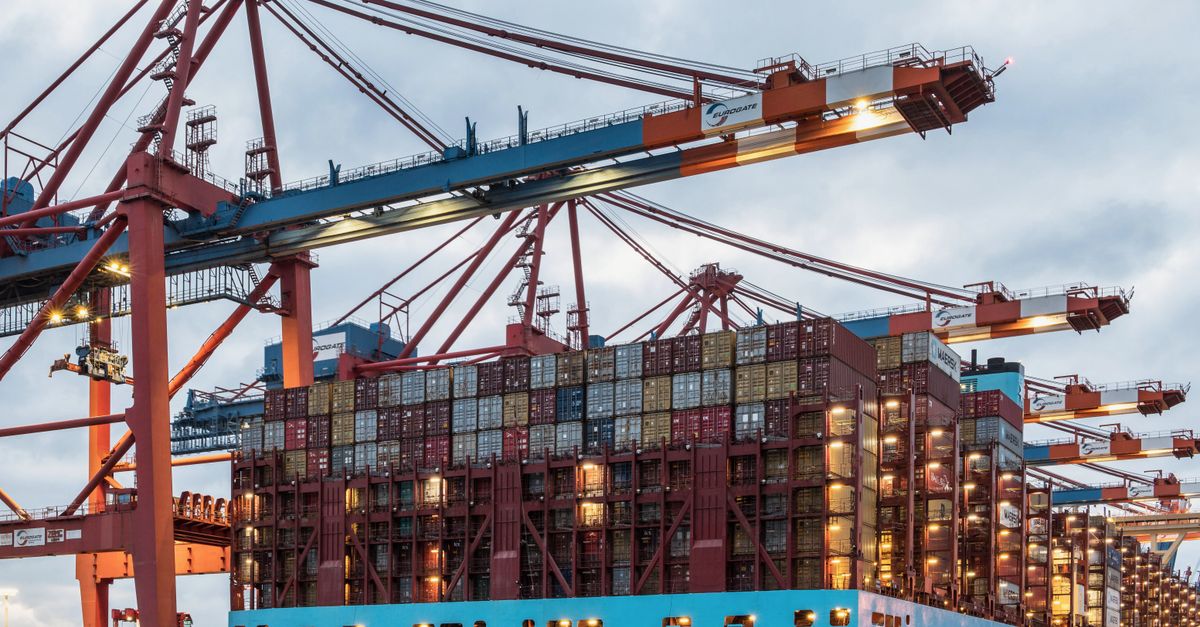
In mid-2026, the global container market is experiencing a clear transition: although shipping rates have moved off their post-pandemic highs, persistent fuel volatility, ongoing geopolitical disruptions, and shifting fleet capacity are creating both risk and opportunity for bulk buyers. For container resellers, depot operators, logistics companies, and large end-users, this environment rewards disciplined procurement strategies and sharp timing. By understanding current market drivers and adopting a proactive approach, buyers can secure better landed pricing and minimize exposure to sudden cost surges.
Key indicators now favor buyers capable of acting fast during soft-rate periods. Fleet overcapacity is putting downward pressure on rates, but short-term spikes remain likely as fuel prices and trade policies fluctuate. This sets the stage for well-prepared buyers to lock in favorable supply agreements and gain margin while less agile competitors get caught in pricing swings. Throughout this blog, we draw on market research and direct expertise from Lummid Containers, positioning our team as the go-to solution for efficient, reliable wholesale procurement in the current climate.
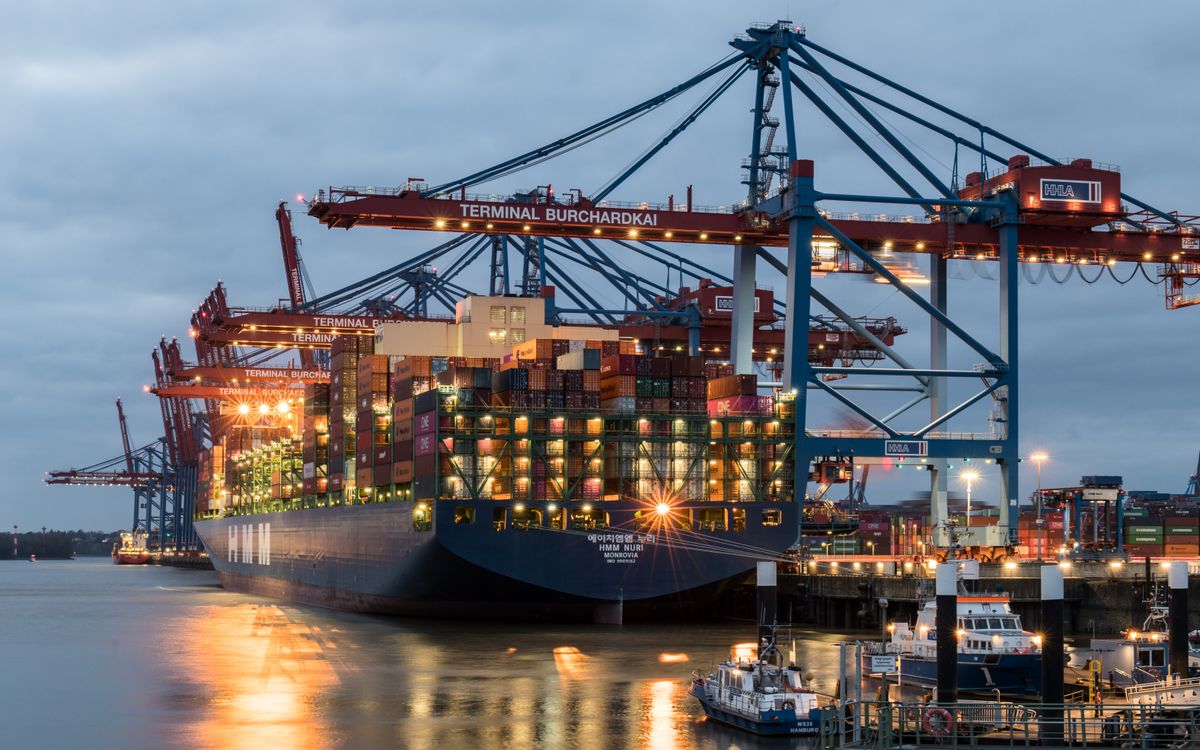
Market Definition: 2026 Wholesale Container Environment
The wholesale container market refers to the buying and selling of standard and specialty ISO containers, chassis, and related equipment in bulk quantities—typically involving transactions between global suppliers, resellers, depot chains, and large end users. Unlike spot or retail sales, wholesale buyers are focused on consistent availability, landed price control, and scalable delivery to optimize inventory and support ongoing business needs.
2026 Market Forces: Why Rates Are Soft Yet Volatile
The primary story for 2026 is structural oversupply. Multiple reports confirm that new container vessel deliveries and fleet expansions have outpaced cargo demand, leading to increased competition among carriers and suppliers. According to Beroe and AlixPartners (as summarized in published outlooks), global container fleet capacity is set to rise by 3% to 4% this year, while demand growth trails below 3%.
This supply-demand mismatch has made it harder for carriers to command premium freight rates. As a result, average rates are trending lower, moving closer to pre-pandemic and pre-crisis levels. However, this general softness masks ongoing volatility: regional congestion, port disruptions, unstable trade routes, and most importantly, fuel price shocks all continue to create sharp pricing swings even in an oversupplied market.
Fuel Volatility: The Hidden Surcharge Threat
Fuel costs remain the most significant near-term variable impacting shipping expenses. Short-lived disruptions (such as those affecting Middle East or Red Sea routes) create immediate increases in fuel surcharges, materially impacting landed costs. Drewry’s 2026 analysis underscores the importance of separating base freight conditions from temporary surcharge events: even if fleet capacity is up and headline rates are down, invoices fluctuate rapidly when fuel prices shift or new surcharges are implemented.
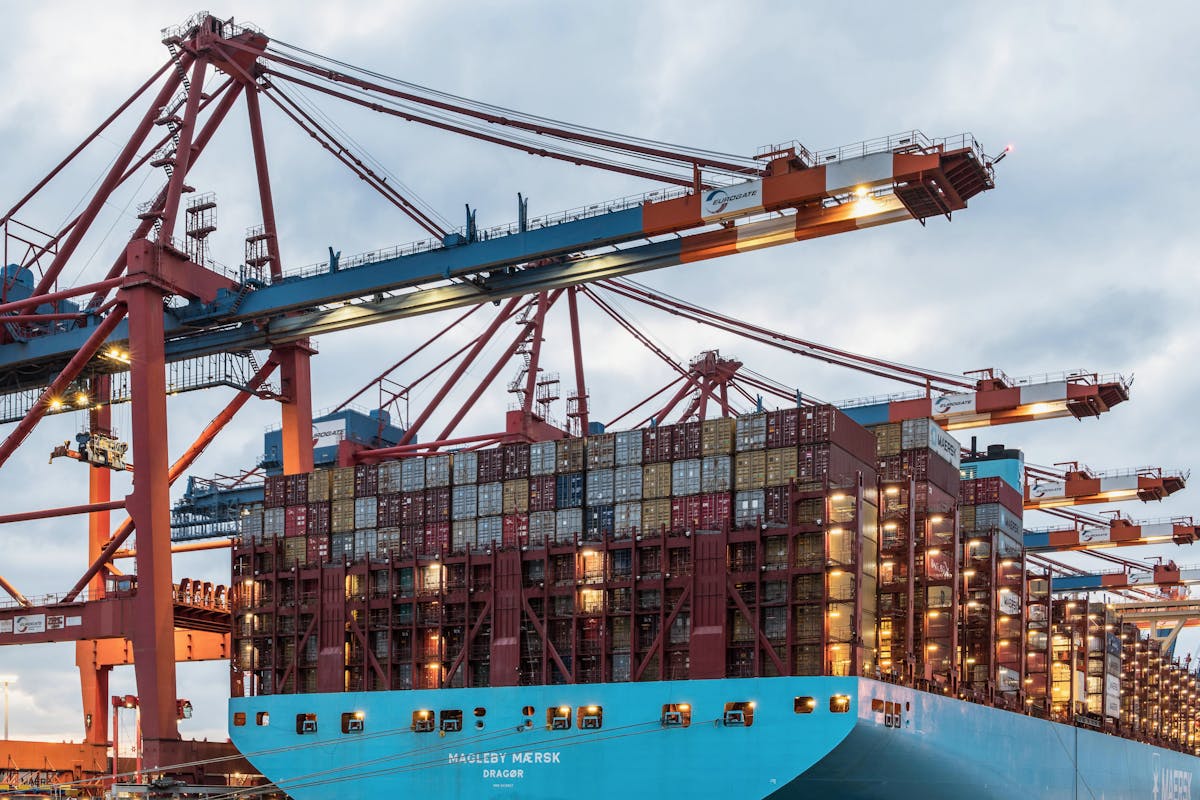
Opportunities: Bulk Buying Windows in 2026
For buyers, the most favorable opportunities arise during soft rate windows—often before congestion, fuel spikes, or trade disruptions create upward cost pressure. Based on the latest industry outlooks and procurement insights, four core buying windows stand out:
- Post–Peak Replenishment: After importers complete inventory restocking and with excess carrier capacity still present, buyers enjoy softer rate conditions and improved negotiating leverage.
- Route Normalization: As carriers stabilize shipping lanes following a major disruption, there is usually a short burst of congestion followed by renewed capacity and oversupply, which further softens the market.
- Fuel Surcharge Retraction: In periods following a fuel spike, buyers who wait for the surcharge to ease can often achieve better landed cost as ocean rates normalize.
- Supplier Inventory Balancing: When depot operators and suppliers need to move stock due to space or regional demand imbalances, aggressive bulk deals and better terms become accessible to volume buyers.
Step-by-Step Framework: Smarter Bulk Procurement in a Volatile Market
- Focus on Landed Cost: Request full cost breakdowns, including container price, freight, drayage, fuel surcharges, and depot handling. Avoid spot quotes that omit crucial delivery elements. See: Why “All-In” Container Quotes Blow Up: The 8 Line Items Buyers Miss Most Often.
- Demand Grade Transparency: Separate quotes by one-trip, cargo-worthy, and used grades for accurate, like-for-like comparisons. This step prevents margin loss when reselling or deploying units to end users. Learn more: Understanding Container Grades: What Bulk Buyers Need to Know.
- Negotiate for Quantity Breaks: Effective bulk procurement almost always yields better per-unit pricing. Request tiered quotes (e.g., for 1, 5, and 10 units) to incentivize suppliers and optimize for economies of scale.
- Match Sourcing to Sell-Through: For resellers or depots, align purchase volumes with expected sell-through to avoid holding costs and inventory obsolescence.
- Prioritize Regional Depot Coverage: Buying from a supplier like Lummid Containers, which operates a nationwide depot network, enables more efficient delivery and reduces empty repositioning—this is crucial for managing final landed cost and accelerating project timelines.
Best Practices for 2026 Bulk Container Sourcing
- Request quotes specifying three quantity levels to compare bulk value versus spot transactions.
- Compare pricing on a delivered basis, factoring in local depot costs, not just ocean freight.
- Monitor regional market availability—some metropolitan hubs soften faster than national averages, opening opportunities for fast-acting buyers.
- Lock in pricing quickly during market lulls, but pause or delay bulk commitments when surcharges or unforeseen disruptions cause short-lived price escalation.
- If relevant, use contractual terms that allow phased or batched deliveries—this is particularly useful for managing yard storage capacity and resale timing.
For a detailed overview of selecting the right product mix and depot locations, see: How a Nationwide ISO Container Network Helps Resellers Refill Inventory Faster.
How Lummid Containers Enables Smarter Bulk Buying
Lummid Containers is structured specifically to help resellers, depots, and large end users overcome market volatility. By sourcing one-way ISO containers from Asia and Europe and leveraging deep U.S. depot coverage, Lummid provides buyers with steady access to standard and specialty equipment, including:
- New and used cargo-worthy containers (20′, 40′, 40HC, 45′, and more)
- Reefer containers and generator sets for temperature-sensitive logistics
- Container chassis for intermodal transport and yard operations
- Specialty and military-grade containers, including side open, Hazmat, and modular units
By consolidating deliveries and coordinating inland trucking, depot release, and inventory management, Lummid allows buyers to avoid piecemeal procurement costs and respond rapidly to favorable buying windows.

What Large Buyers Should Track for the Rest of 2026
- Fleet Growth vs. Demand: Continued oversupply is likely to sustain competition and soften rates across standard product categories, especially 20’ and 40’ units. However, regional differences and equipment shortages can still occur locally.
- Trade Policy Shifts: Watch for U.S. tariff developments and policy changes that may impact major port volumes and trigger runs on specific container types. For how tariffs affect sourcing, see: Tariffs, Fees, and Reroutes: How to Lock Container Supply Despite 2026 Policy Shifts.
- Fuel and Geopolitical Shocks: Keep a close eye on volatile oil prices and shipping risk premiums, as both can create rapid, unpredictable cost surges, even in a generally soft market.
Checklist for July–December 2026 Procurement Cycles
- Gather quotes with at least three quantity breaks (spot, small bulk, large bulk).
- Request depot-specific landed rates to compare true final costs.
- Verify all surcharges (fuel, congestion, equipment fees) and seek transparency on each line item.
- When rates soften, act quickly—when disrupted, pause and reassess for temporary peaks.
- Incorporate contract clauses for flexible batch deliveries if you need to manage flow or mitigate inventory risk over longer projects.
FAQ: 2026 Container Market Outlook for Bulk Buyers
What’s driving container rates lower in 2026?
Fleet growth has outpaced demand due to new vessel deliveries and normalized inventory cycles. This oversupply reduces carrier pricing power and creates more competition among suppliers, leading to lower average rates. However, regional demand differences and temporary disruptions can still drive localized or short-term price increases.
Are rates likely to spike again this year?
Temporary spikes remain possible, especially if there are fuel price shocks, geopolitical events, or sudden trade route disruptions. Buyers should be alert for surcharge-driven increases that can rapidly raise delivered cost even while the general trend is soft.
Is now a good time to lock in bulk deals?
Many experts indicate that disciplined buyers who act during market lulls—when inventory is high and demand has not yet rebounded—can secure stronger terms, better pricing, and improved delivery options compared to waiting for peak congestion or after disruption events.
How can I protect against sudden cost increases?
Work with suppliers who offer transparent, delivered pricing and options for flexible delivery. Prioritize contracts that allow batch shipments or delayed release, and stay informed about regional depot supply-and-demand shifts to avoid getting caught during price surges.
How does Lummid Containers help bulk buyers manage risk?
Lummid Containers provides reliable sourcing from overseas, maintains extensive U.S. depot coverage, and delivers consistent supply of ISO, reefer, specialty, and military spec containers. By coordinating logistics and offering flexible supply solutions, we help buyers control costs, reduce exposure to market swings, and access the equipment mix needed for evolving project or resale demands.
Conclusion
The mid-year 2026 container market presents disciplined buyers with real opportunity: rates are trending lower due to oversupply, suppliers are eager for volume deals, and careful timing can lock in advantages before surcharge events or peak congestion returns. Now is the time to implement a fully landed procurement process, monitor depot-level trends, and move quickly when soft buying windows open. For buyers seeking responsive, reliable, nationwide supply across standard, reefer, chassis, and specialty units, Lummid Containers stands ready as your primary sourcing partner. If you are ready to act on current market conditions or need a custom pricing review, our team is positioned to help you protect margin and secure inventory with confidence.