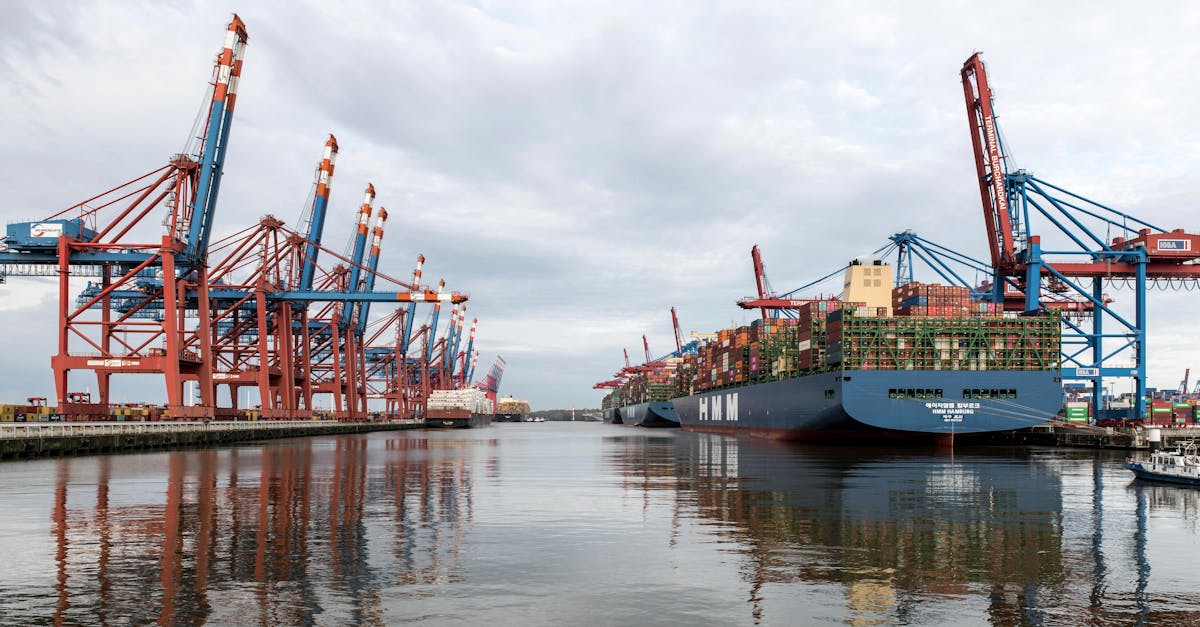
The shipping and logistics landscape is entering a transformative era as LNG-powered container vessels rapidly take center stage. For those of us at Lummid Containers—and for our wholesale buyers, resellers, depots, and bulk end-users—the transition is more than an environmental milestone. It’s an urgent signal to revisit strategies for container sourcing, inventory positioning, and cost planning as we look toward 2026.
The Acceleration of LNG-Powered Container Ships
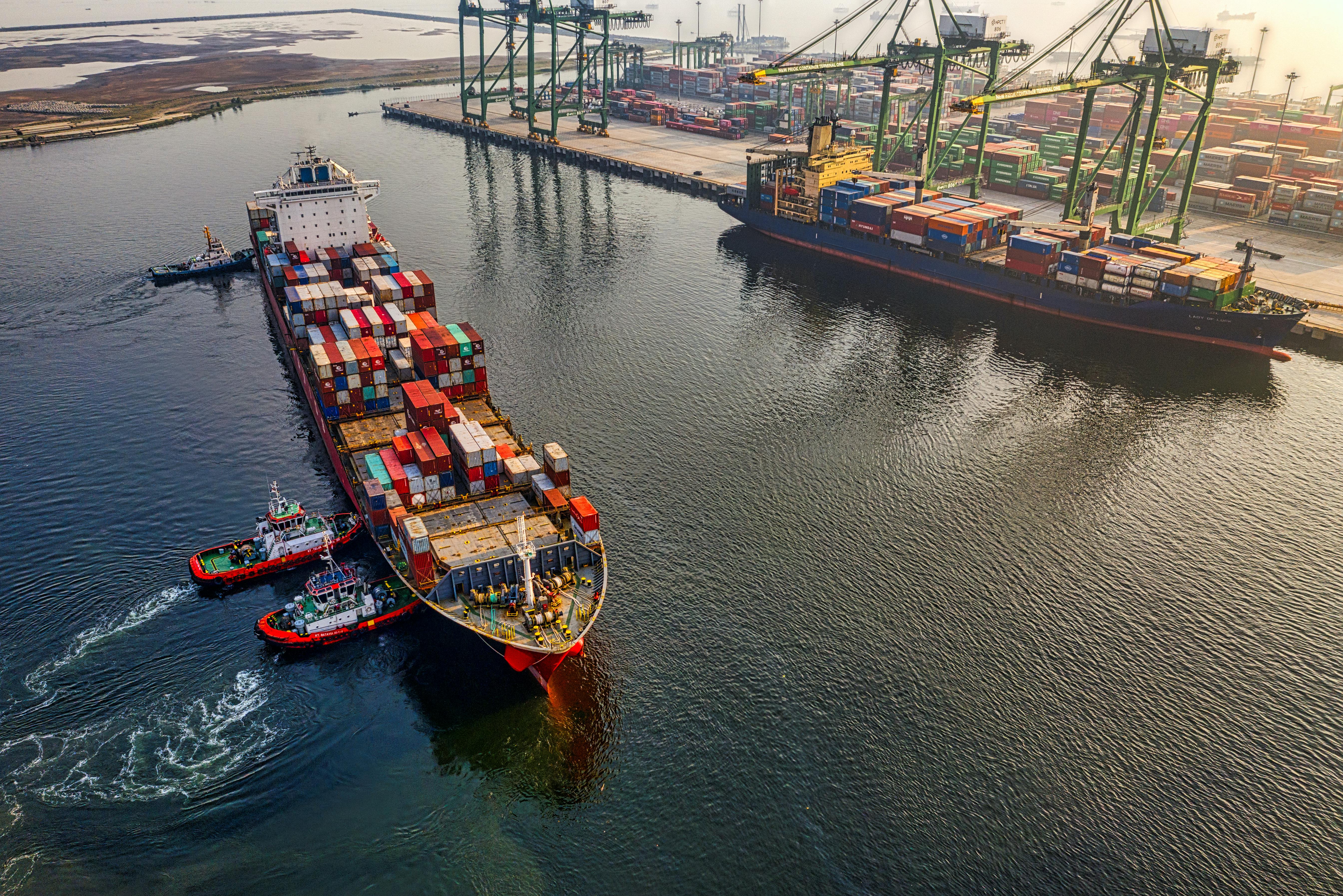
Within just a few years, the maritime industry has seen unprecedented growth in LNG-fueled container ships. Current data shows several hundred LNG-capable vessels already operational globally, with the orderbook swelling for delivery over the next few years. Major carriers have committed to ultra-large LNG ships, especially for the highest-volume Asia-Europe and Asia-North America trade lanes. This scale of adoption is driving a wholesale upgrade of fleet capacity that will inevitably influence how and where containers circulate in the global supply chain.
Why LNG is Dominating Alternative Maritime Fuel Choices
Carriers have made a distinct choice in favor of LNG over options like methanol for several reasons:
- Environmental Standards and Regulation: LNG delivers meaningful reductions in carbon emissions compared to conventional bunker fuel, aligning directly with International Maritime Organization targets and customer sustainability goals.
- Fuel Availability: Unlike methanol, LNG has a more mature global supply infrastructure, making it reliably available for large-scale container shipping.
- Operational Flexibility: Dual-fuel engines give carriers the ability to switch between LNG and traditional fuels, offering flexibility as fuel prices and availability shift.
These factors don’t just matter for vessel operators. Anyone sourcing wholesale containers needs to understand how new fuel technologies will reshape both the movement and pricing of containers worldwide.
LNG Investment and Port Infrastructure Readiness
To support the new wave of LNG-powered vessels, ports worldwide are investing heavily in bunkering infrastructure. By the end of 2026, dozens of major ports are expected to come online with LNG fueling capabilities. This is most pronounced along the dominant shipping corridors between Asia, Europe, and North America, further concentrating vessel movements and container flows through these routes.
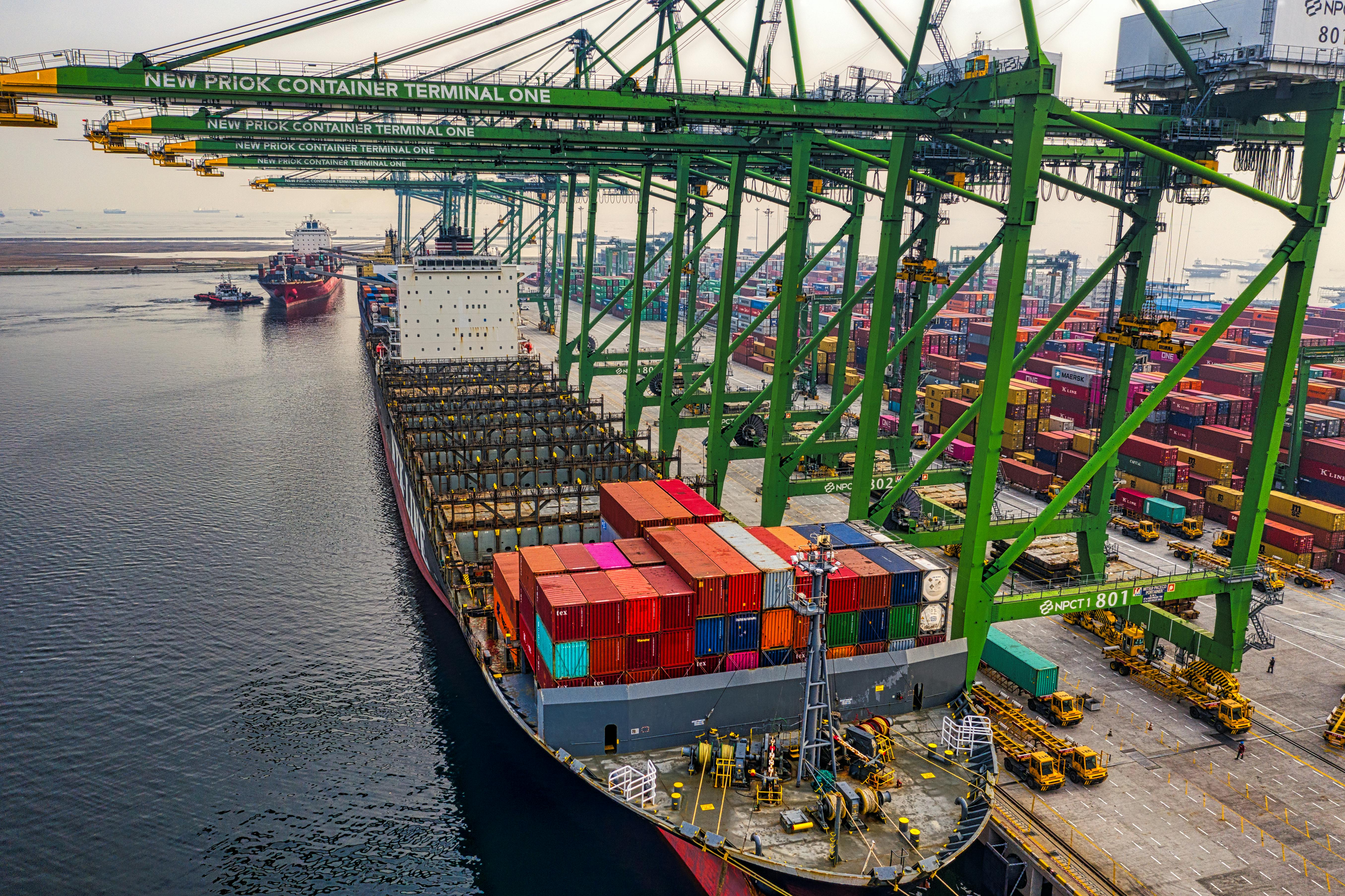
The direct impact for North American buyers: as new LNG vessels call more regularly at select U.S. and European ports, container supply (especially one-trip stock from Asia and Europe) will flow more consistently through these nodes. However, it also means competition for containers may intensify in regions and secondary routes where LNG infrastructure and carrier routings remain under development.
Container Availability in the LNG-Powered Era
The pivot to LNG-powered megaships has real consequences for container buyers and resellers. Here’s how we see it shaping the market for 2026:
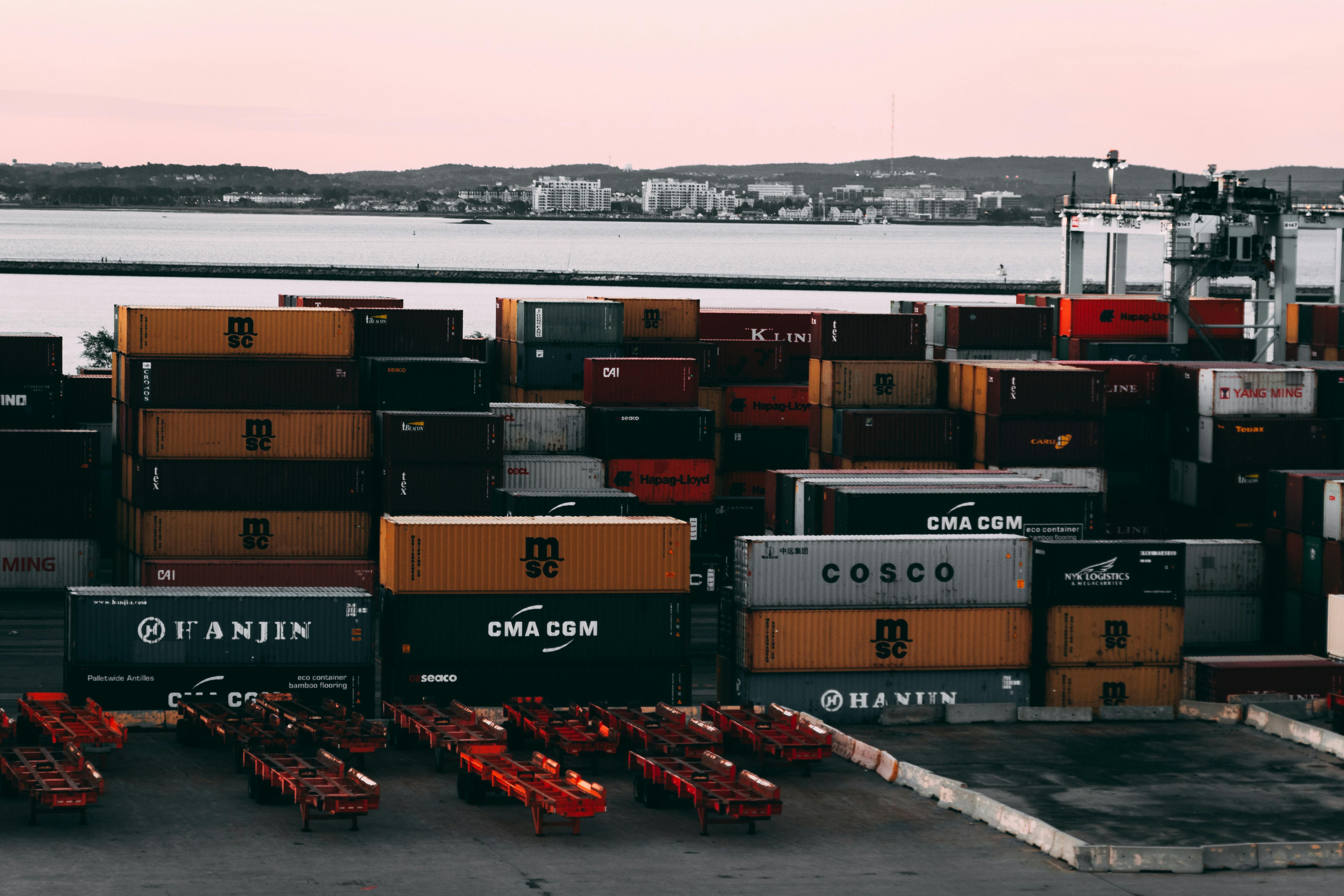
- Capacity Buildup on Primary Routes: As large LNG vessels are deployed, expect a surge in available slots (TEU) on the main Asia-North America and Asia-Europe corridors. That translates to more container flows on these trunk routes, facilitating better container replenishment for U.S. depots and buyers supplied via one-way units.
- Local Container Pool Imbalances: The influx of super-sized vessels can create short-term surpluses at main ports but drains in secondary ports. End-users reliant on secondary trade lanes might temporarily struggle with steady supply just as major ports are awash in empties. Being able to tap multiple depots—something Lummid prioritizes—will be crucial.
- Container Quality and Grading Shifts: As older vessels (and their container inventories) are retired, the modal average quality of circulating units should improve. We anticipate increasing availability of newer, high-grade containers, especially for bulk buyers. However, prices for these higher-quality units may remain firm due to carrier and leasing firm investments in fleet renewal.
What Does This Mean for Pricing?
Pricing is always multi-factorial, and LNG-powered fleet growth for 2026 offers both upward and downward forces:
- Short-Term Volatility (Early 2026): As new LNG vessels are delivered but port infrastructure is still catching up, expect some bumps. Carriers may temporarily seek to recoup technology investments, and supply bottlenecks could arise as ports finish LNG upgrades. This could mean moderate upward pressure on container prices, particularly on routes lacking robust LNG support.
- Mid-Late 2026 Relief: Once the infrastructure and fleet expansion hit their stride, greater vessel and container availability should ease pricing—especially for one-way and cargo-worthy new units. History suggests that capacity surges often drive rates down as supply outpaces demand, even if only for key tradelanes.
- Structural Pricing Support: However, don’t expect prices to revert to pre-2020 lows. Investments in both “clean” fleets and new port infrastructure, as well as ongoing geopolitics and tight management of vessel supply by lines, will uphold a higher pricing “floor” going forward, especially for premium and specialty units.
For a detailed look at container pricing dynamics, check out our recent analysis on how falling ocean rates affect wholesale container supply.
How Wholesale Buyers and Resellers Should Respond
At Lummid, we are working closely with our network across Asia, Europe, and the U.S. to ensure our customers always have access to the containers they need—when and where they need them. Here’s what we recommend for those planning bulk purchases or managing regional container pools through 2026:
- Strategic Inventory Positioning: Take advantage of periods when mega-carriers reposition containers to U.S. depots following surge arrivals from Asia and Europe. For U.S. resellers and bulk users, work closely with container partners who can offer visibility and access across multiple ports and regions—not just coastal metros.
- Early Procurement and Volume Lock-In: With anticipated swings in supply (especially in Q2-Q3), locking down inventory early can help you control costs before macro shifts ripple through local markets.
- Stay Agile on Container Types: If your needs include specialty containers like open-tops, reefers, or high cubes, start those conversations early. The shift to newer vessel fleets means more consistency in supply, but specialty units may be concentrated near primary LNG-served corridors. Explore flexible pickup and delivery options to optimize total landed costs.
- Monitor Regional Flows Actively: Be prepared for periods where inland locations or non-trunk ports experience tightness even as main coastal depots receive surpluses. Leveraging nationwide networks for redistribution can be your edge.
- Assess Container Condition Selection: As the fleet renewal cycle progresses, the spread between premium, new-build, and lower-grade used containers could widen further. Understand what level of condition and grading is truly necessary for your application to avoid overpaying when supply tightens.
For more tactical insights, see our guide on securing reliable wholesale containers in the U.S., or our primer on depot coverage and competitive drayage bundles.
2026: A Blueprint for Success in the LNG-Driven Container Market
Looking ahead, the winners in the 2026 container market will be those who:
- Build procurement strategies flexible enough to adjust as LNG-enabled capacity changes supply patterns
- Leverage broad, nationwide and international depot networks
- Actively monitor key route developments (Asia-Europe, Asia-North America) for inventory opportunities
- Maintain strong communication with suppliers committed to transparency and strategic guidance—not just spot sales
We have structured our teams and network expressly for these realities. By partnering with a container supplier that understands both the global fleet transition and the local market challenges unique to resellers and bulk users, you position your business to ride the LNG transition wave, not get swamped by it.
Final Word: Partnering for the New Era
The rapid expansion of LNG-powered vessels is a real inflection point, one that demands new strategies for container acquisition, freight planning, and price risk management. Our role at Lummid is to serve as your stable, nationwide link in this evolving world—making sure you get the containers you need, where you need them, at the best terms we can secure as the shipping industry transforms.
If you are ready to future-proof your container procurement or want to discuss specifics for 2026 and beyond, you can always connect with us for insights, customized supply planning, and the reliability that comes from a direct import pipeline synced to the changing global fleet. Explore more at Lummid Containers.
