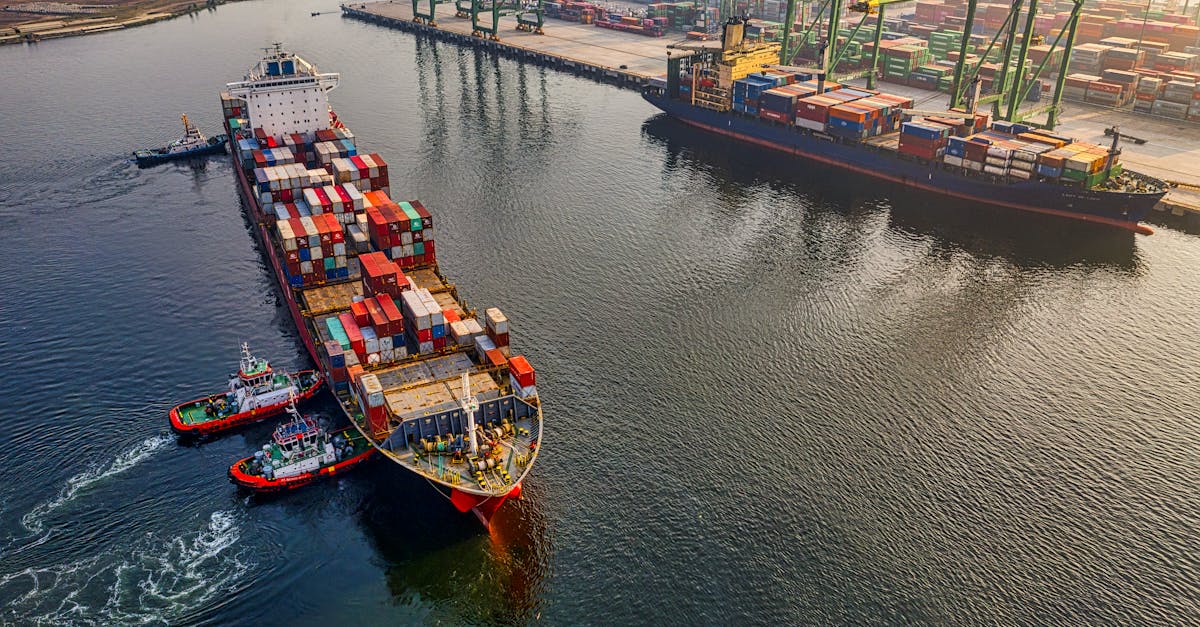
As we approach the close of the year, container buyers across the U.S. and Europe are facing a rapidly shifting landscape when it comes to tariffs, port fees, and the logistics of international container supply. At Lummid Containers, we’re living these changes in real time—balancing demand surges, evolving government policy, and pricing pressure as we move one-way units from Asia and Europe into the U.S., supporting resellers, depots, and large-scale end users nationwide. In this blog, we’ll break down what these changes mean for wholesale buyers, what you need to watch for in Q4–Q1, and our proven strategies for managing routing, lead times, and cost controls in a volatile marketplace.

Understanding the Tariff and Port Fee Environment for Q4–Q1
While containerized trade has always been subject to cyclical swings, the past twelve months have brought an unprecedented degree of uncertainty to the market. New and retaliatory tariffs, fee increases at key U.S. and European ports, and evolving regulations on both sides of the Pacific have forced buyers to rethink procurement cycles and supply strategies:
- Changing Tariffs: U.S. and EU tariff adjustments on imports from Asia can swing container landed costs by hundreds of dollars per unit almost overnight. This impacts not just resale margins, but also decisions on shipment timing and routing.
- Port Congestion and Surcharges: West Coast, Gulf, and increasingly East Coast ports are adjusting fee schedules in response to congestion, labor costs, and new environmental regulations. Temporary surcharges or premium time-of-day fees are common during high-volume months.
- Regulatory Shifts: Changes in customs inspection regimes, emission restrictions, and inland haulage rules further complicate cost projections, especially for buyers moving large or specialized equipment types.
If you haven’t already, review our earlier deep-dive on how shifting trade policies directly impact container sourcing and pricing for wholesale buyers.
Routing Strategies: Navigating Fee Structures and Lead Time Uncertainty
At Lummid, our experience sourcing one-way units from Asia and Europe means we’re continually optimizing our import pipelines—especially as routes are impacted by changing port economics and on-the-ground logistics. Here’s how we approach routing for maximum efficiency:
- Multi-Port Flexibility: We don’t lock buyers into one port. Having capacity to land containers at West, Gulf, or East Coast ports allows us to avoid the worst of localized congestion and fee spikes, shifting shipments dynamically as conditions change.
- Geographic Depots: With a national network of depot partners, we can distribute inbound containers closer to end marks, cutting drayage costs when local port fees rise or trucking capacity tightens.
- Direct vs. Transshipment: When tariffs shift, sometimes it makes sense to prioritize direct-to-U.S. services—even with higher base ocean freight—rather than risk duty hikes or added feeder fees at interim transshipment hubs.
- Trans-Atlantic Options: For European buyers, we’re actively exploring alternate North European and Mediterranean ports to balance between duty exposure, inland logistics, and depot storage options.

Lead Time Management: What’s Realistic in Q4–Q1?
Buyers in both our core customers—resellers and bulk end-users—often face project deadlines or seasonal demand spikes. The current environment demands a realistic conversation about what’s possible on lead time:
- Booking Early Isn’t Enough: Simply booking ocean shipments ahead of the crowd doesn’t guarantee early arrival when port capacity is stretched. Pay attention not only to ETAs, but also to potential for rolled bookings or unexpected holds at customs.
- Depot Capacity and Trucking Coordination: With nationwide depot coverage, we can often stage containers in advance, but last-mile delivery bottlenecks can add days or sometimes weeks. Coordinating with local drayage partners is essential, especially for high-cube, specialty, or multi-size orders.
- Equipment Type Matters: Standard 20’ and 40’ one-trip units typically move faster through the pipeline than open tops, reefers, or odd-size boxes. If your use case allows, being flexible on type and color can mean access to faster-available lots.
For more tactical tips, check out our primer on how to secure reliable wholesale containers in a volatile year-end market.
Cost Controls for Wholesale Container Buyers
Managing costs in today’s environment requires a multi-pronged approach. We believe transparency, flexibility, and creative bundling are essential:
- Custom Fee & Drayage Quotes: Instead of flat FEU pricing, we quote landed (all-in) unit rates tailored to port, truck route, and container grade. This lets resellers and end-users accurately model resale margins up front.
- Drayage Bundles: Where it makes sense, we combine multiple unit deliveries per truck, split drayage by customer groups, or offer bundled depot pickup slots—providing cost savings compared to spot trucking queries.
- Depot Storage Flexibility: For programmatic buyers or those facing project delays, early landing with deferred pickup (when storage rates are favorable) can be a real buffer against later fee escalation.
- Grade/Spec Trade-offs: We encourage buyers to compare one-trip versus cargo-worthy or wind/watertight grades. In Q4–Q1, the price/availability spread often makes flexible sourcing the best route to control bottom-line cost, as we explain in our guide to wholesale container pricing benchmarks.

Playbook: Steps Wholesale Buyers Can Take Now
Here’s how the most successful buyers in our network are navigating tariffs and port fees right now:
- Request quotes early and ask for both landed and depot pickup options to see where current fee trends offer best value.
- Stay flexible on port of entry—be open to alternate coast arrivals if pricing, congestion, or tariffs in one region swing against you.
- Consider joint/bulk drayage with peer buyers to reduce per-unit trucking costs, especially in high-demand cities or during regional trucking squeezes.
- Monitor customs and regulatory updates weekly, not just monthly—fee and inspection changes can happen rapidly and without much notice.
- Work with a supplier who can offer depot storage and rolling ETAs (not just hard arrival dates) so you have downside protection against unexpected delays.
Making Sense of Fee and Surcharge Trends: What Lummid Is Watching
The fourth quarter and early new year always bring volatility—but 2024/2025 is poised to be one of the most active cost-shift periods in recent memory. We’re keeping our buyers updated about:
- Temporary surcharges tied to labor or fuel increases—especially on West Coast/PNW routes.
- Fluctuations in depot storage rates across our nationwide network as supply balances shift city by city.
- Regulatory announcements on tariffs or port pricing, as these often provide only two to four weeks’ notice before changes take effect.
- Seasonal warehouse/distribution trends, which can spike last-mile delivery demand in certain states.
Real-time information is your edge. We continually update our clients as fees move—and keep channels open for near-term bulk orders or spot availability.
Why Our Approach Works for Resellers and Bulk End-Users
Lummid’s role at the wholesale tier is to be a reliable partner while others scramble. Our commitment is to balance cost, quality, and lead times—delivering consistency regardless of volatility. Our buyers value:
- Nationwide depot coverage for true flexibility when port and trucking dynamics shift.
- Reliable container grading so there are no surprises when units land at your yard or customer site.
- Custom quoting based on the real conditions each week—not one-size-fits-all pricing or inflexible conditions.
- Market insight, especially as duties and fees shift. Our operational updates are shaped by real data, not just forecasts.
If you want to lower risk (and your shipping headaches), see our article on wholesale shipping container strategies for North America.
Frequently Asked Questions from Container Buyers (Q4–Q1)
- Should I lock in all-in delivered rates or break out port, drayage, and storage separately?
It depends on your flexibility and risk appetite. Many resellers prefer landed rates for predictability, but in some markets, breaking costs out and timing pickup smartly can achieve extra savings. - Is now a good time to place bulk orders, or wait for tariff clarity?
If you’re managing inventory for Q4–Q1, proactive ordering and storage can often beat trying to time the market, given volatile fee schedules and surge-driven lead time extensions. - How can I avoid getting stuck with the wrong container specs or grades?
Work with suppliers who understand your real usage and can suggest substitutions that save time or cost, rather than just quoting from a static list.
Key Takeaways
- Tariffs and port fees are moving targets—buyers need flexible routing and rapid information updates to stay ahead.
- Depot and drayage strategies are as important as ocean rates for controlling total landed cost.
- Realistic lead times mean acknowledging both international and domestic bottlenecks, especially for specialized or multi-size orders.
- Smart buyers ask for detailed quotes, stay plugged into regulatory news, and use depot storage to smooth out volatility.
Navigating the complexity of tariffs, port fees, and supply chain bottlenecks is exactly where we thrive. We invite wholesale container buyers, depots, and bulk end-users to contact Lummid for up-to-date quotes, flexible sourcing options, and to discuss strategies for your specific region and inventory needs.
