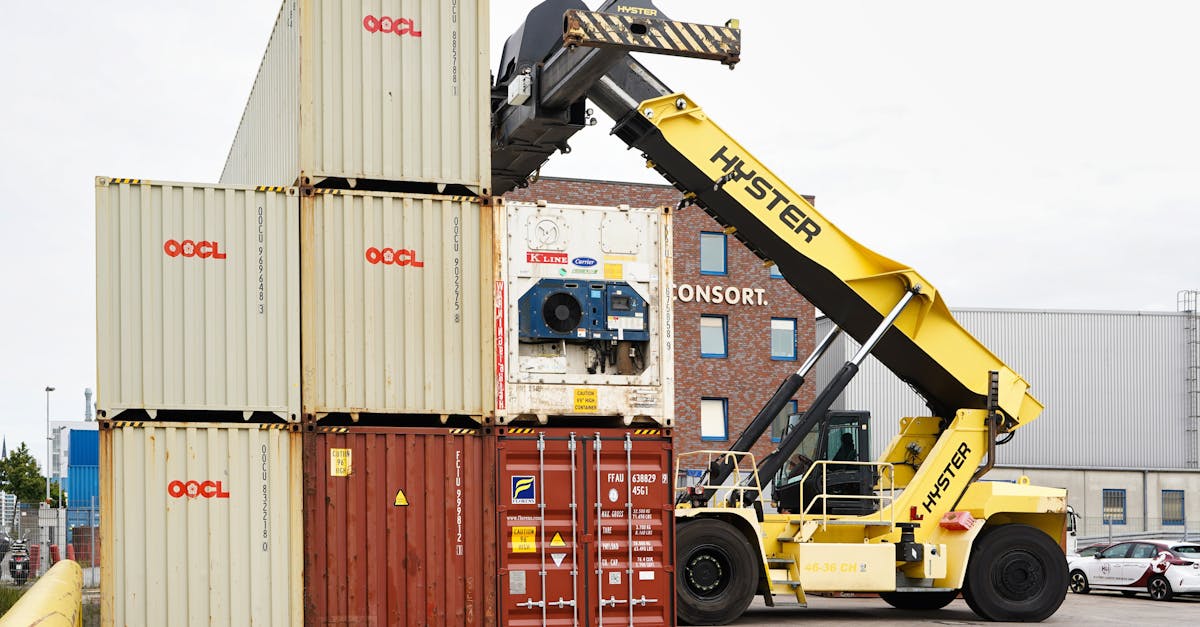
The container shipping industry is entering uncharted territory in 2025, with rising tariffs on import cargo and declining U.S. containerized import volumes shaking up the fundamentals for container supply, inventory management, and ultimately, wholesale container pricing. If you’re a bulk buyer, reseller, or operator sourcing shipping containers for storage, transport, or resale, these shifts will impact your costs, timelines, and buying strategy in very real ways. Let’s break down how tariffs on goods (not containers themselves) and import volume declines are driving price changes, what to expect next, and—most importantly—what steps you can take right now to manage risk and stay competitive.

Understanding the 2025 Tariff Shock—And What It Really Means for Buyers
Tariff policy has always played a role in setting container market trends, but 2025 introduces new volatility for buyers. Newly increased tariffs on imported goods (cargo) from China (currently around 54% for many categories), as well as high duties on imports from Vietnam and the EU, are directly impacting the cost structure throughout U.S. supply chains. However, it’s important to clarify: there is no tariff imposed by the United States on shipping containers themselves when imported empty or as new/one-trip units. U.S. tariffs in effect for 2025 apply to cargo inside containers, not the container equipment.
Many in the industry mistakenly assume these tariffs apply to the steel shipping containers, but as of 2025, that is not the case. What’s really driving container price volatility is the ripple effect from:
- Reduced arrival of loaded containers due to tariffs on cargo, causing lower export and import flows between the U.S. and major trading partners like China.
- Higher costs for shipping lines and logistics providers, which affect vessel utilization and scheduling, and in turn impact container repositioning and new supply into the U.S. market.
- Increased competition over available one-trip and used containers already present in the United States, as carrier and depot stocks dwindle with fewer boxes coming in.
So, if you hear that “tariffs are making the cost of a new container shoot up by 54% or thousands of dollars per unit,” be aware: this does not reflect U.S. tariff policy as of 2025. However, these economic pressures combined with the indirect effects of tariffs on trade are creating scarcity and price pressure on containers in the U.S. market.
Falling Import Volumes: Why Fewer Boxes Mean Higher Prices
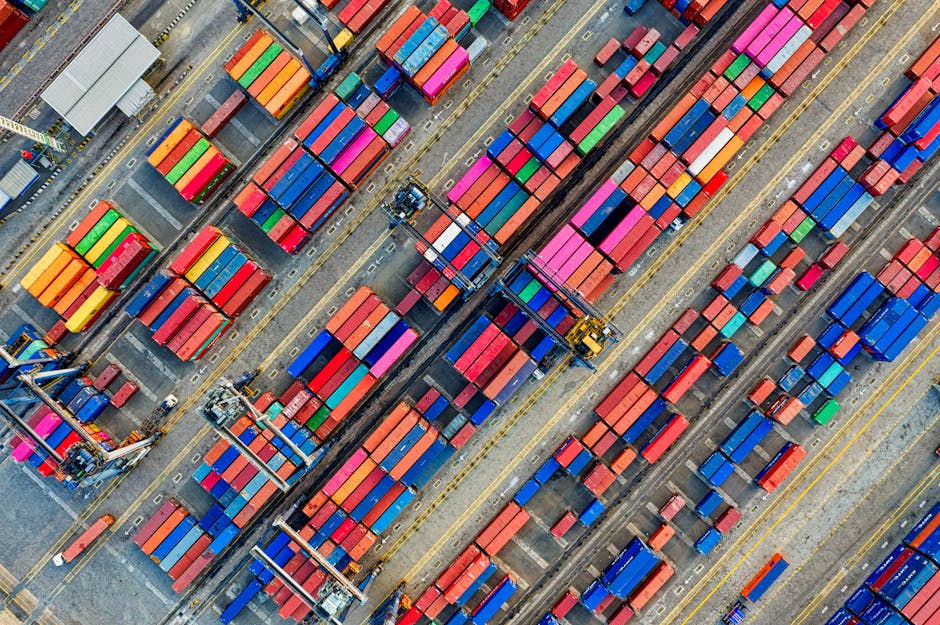
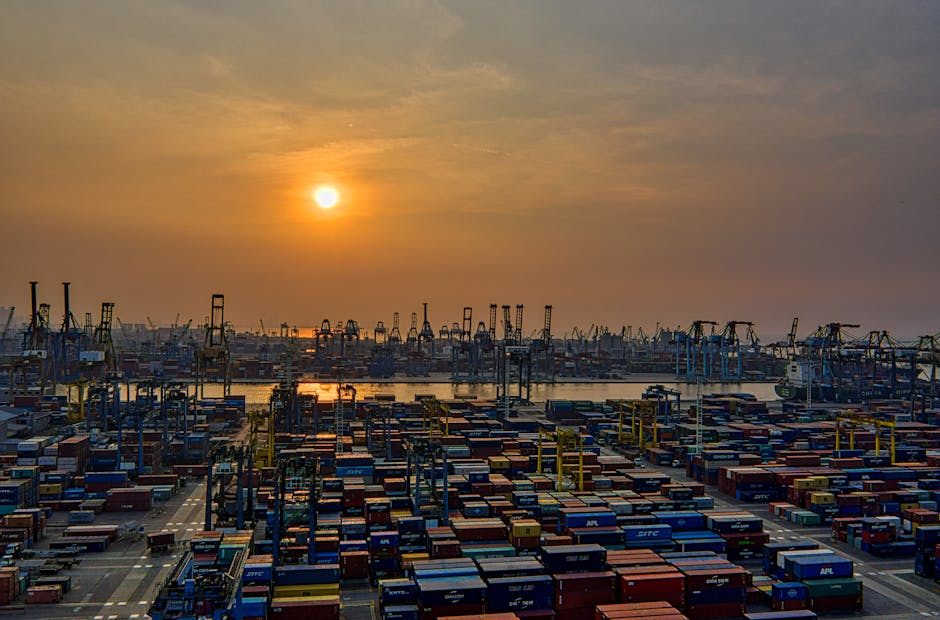
You might think weak demand should drive down prices, but the opposite is happening with containers. Due to the 2025 tariffs on imported goods and the resulting trade slowdowns—especially between the U.S., China, Vietnam, and the EU—the U.S. is seeing a significant drop in new container arrivals. Reports from global and national trade sources project a decline of over 5% in total U.S. containerized imports in 2025, with the sharpest declines occurring after mid-year tariff hikes.
- Major ports like Los Angeles and New York/New Jersey are already reporting double-digit percentage declines in monthly TEU (twenty-foot equivalent unit) throughput compared to the previous year.
- Importers have front-loaded shipments to beat tariff deadlines, then sharply pulled back as higher costs and uncertainty set in, creating periods with insufficient new containers entering the U.S. market.
With fewer new (one-trip) containers making it to the U.S., resellers and depots have been competing aggressively for whatever inventory reaches domestic ports. Used containers—especially wind and water tight or cargo-worthy equipment—also see a jump in demand as buyers look for tariff-free alternatives to high-priced imported goods moved in new boxes. This intensifies demand and drives up market prices for both new and used containers domestically.
Examples: The Price Impact for Wholesale Buyers
Let’s get specific about what you can expect heading into 2025 if you regularly source containers in bulk:
- Lead times for one-trip containers from Asia could stretch from 3–5 weeks under optimal conditions to as long as 6–9 weeks, due to lower vessel frequency, port congestion, and customs processing complexities.
- Wholesale prices for used 40ft containers in inland U.S. depots (such as Chicago or Dallas) have already risen by 15–30% compared to early 2024, driven by local demand and import delays.
- Specialty boxes (like open sides, high cubes, or hazardous material containers) may be particularly hard to source, as suppliers prioritize large, pre-committed orders over smaller deals.
In high-demand regions, such as Houston or Oakland, buyers will often pay premiums for rapid delivery—sometimes seeing overall prices at 40–50% above early 2024 levels just to secure limited depot stock.
Other Direct Effects: Quality, Grading, and Regional Competition
Price isn’t the only concern. When fewer containers flow into the U.S. market, bulk buyers increasingly face:
- Reduced quality selection. Sourcing top-grade or uniform condition containers gets harder. Understanding standardized grading and inspection practices becomes essential to avoid purchasing subpar units. (If you want a detailed overview, see Understanding Container Grades: What Bulk Buyers Need to Know.)
- Wider price spreads between coastal and inland depots. Trucking costs and transit times amplify as inventory is tighter and less predictable, driving up regional pricing differentials.
- Greater pressure on resellers and depots. Those with broad sourcing relationships and reliable domestic stocks are best positioned to meet fast-paced project needs with minimal delay.
5 Proactive Steps for Container Buyers in 2025 (with Examples)
- Diversify Your Supplier Base
Don’t depend on a single origin or supplier. If you’re primarily buying from Asia, start exploring European supply options as a hedge against volatility. Lummid’s partnerships with NVOCCs, 3PLs, and depots in both Asia and Europe help wholesale buyers maintain diversified pipelines. - Prioritize U.S.-Based Inventory
Import tariffs don’t apply to used containers already in U.S. depots. Seek out suppliers with broad networks of available wind- and water-tight or cargo-worthy units to ensure rapid delivery for domestic projects. - Lock in Pricing with Forward Contracts
Secure container pricing on advance orders when possible to minimize risk from sudden market swings. Many bulk buyers negotiate forward contracts to maintain margin and project budgets. - Stay Updated on Regional Lead Times
For high-demand or infrastructure-heavy regions (like Texas or the Midwest), request regular inventory and ETA updates from your supplier to optimize purchasing timelines and avoid costly spot market surges. (For more, see How to Secure Consistent Supply of Wholesale Shipping Containers in a Volatile Market.) - Scrutinize Container Grading and Inspection
Market scarcity can tempt the introduction of lower-quality units. Ensure you and your team understand grading standards (such as cargo-worthy vs. wind and water tight) to avoid expensive surprises. See this guide on container grading for bulk buyers for more tips.
Key Takeaways: What to Expect for the Rest of 2025
- Expect wholesale container prices to remain elevated and volatile through late 2025, especially for one-trip and high-grade used units.
- Lead times, inventory levels, and container grading will fluctuate more than in past years—reliable, up-to-date supplier information is increasingly essential.
- Domestic stock will command price premiums. Buyers who build strong supplier relationships and act quickly on new inventory releases will best protect their margins and meet project needs.
Deeper Reading on Managing Container Sourcing
Minimizing costs and securing reliable supply requires informed strategy, not just timing. For further actionable strategies, see our other guides:
- How to Secure Consistent Supply of Wholesale Shipping Containers in a Volatile Market
- How to Reduce Trucking Costs When Sourcing Wholesale Shipping Containers
How We’re Helping Our Customers Navigate These Changes
At Lummid, our focus remains on reliability, transparency, and strategic planning. Our direct import pipelines from Asia and Europe, coupled with our extensive U.S. depot coverage, means we help resellers and bulk buyers maintain supply continuity even as global trade conditions shift. If you want to discuss sourcing options, request a quote, or need tailored advice for a complex order, we’re always ready to have a real conversation about your needs and the best ways to navigate these market challenges.
If you want to learn more, visit our website or reach out to our experienced team for help with your 2025 container supply goals. We’re happy to share our insights and support your efforts to stay ahead in a volatile market.
