For planners, engineers, and buyers tasked with safe, cost-effective shipping container storage or handling projects, calculating stack loads is the single most vital step before any operation begins. This calculation determines not only the structural integrity of a container stack but also the long-term safety and operational reliability of your site. Neglecting these calculations can result in unsafe stacking, costly rework, or even catastrophic failures. As a national industry leader specializing in wholesale ISO shipping containers and logistics, Lummid Containers advises all site planners to make thorough stack load analysis the very first priority, regardless of project type or location.
To answer what site planners should calculate first, you must focus on four interrelated factors: the foundation’s bearing capacity, the load path through container corner castings, the actual gross weight ratings (not averages), and the maximum stack height safely supported by your conditions. Every planning approach should begin here, using real container specifications and verified site data—never mere assumptions.
Definition: Shipping Container Stack Loads
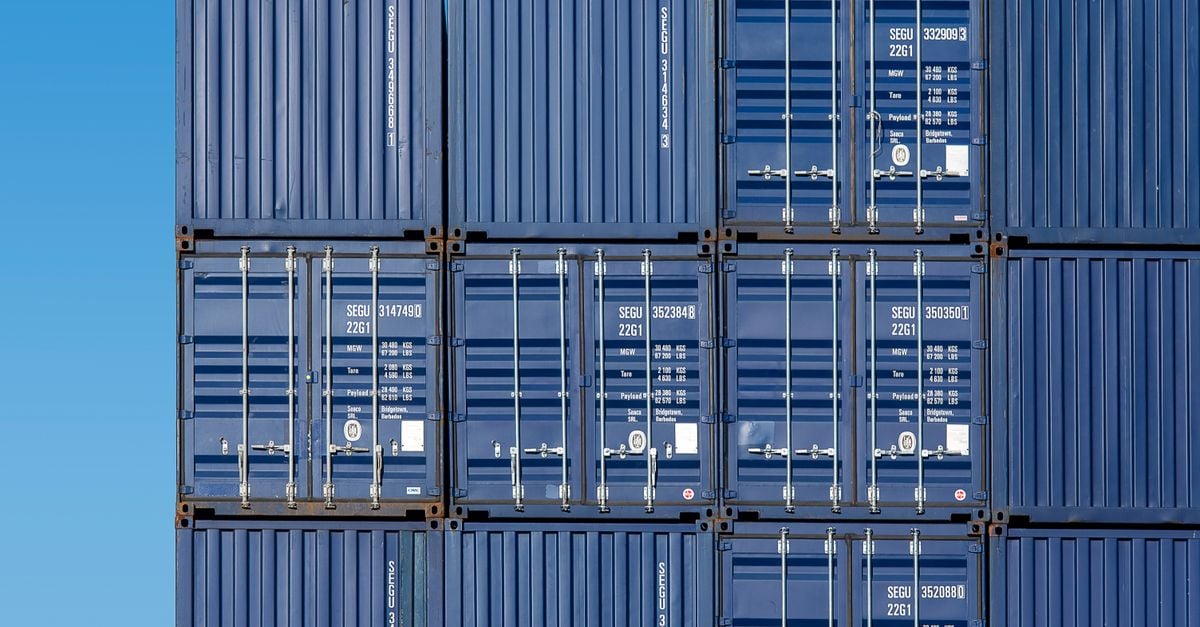
Shipping container stack loads refer to the vertical forces transmitted through a stack of containers, concentrated at the four corner castings of each unit. These point loads are transferred directly to the ground or foundation beneath each container stack. The magnitude of these loads is determined by the maximum gross weight of the heaviest unit and the number of containers placed in a vertical sequence, along with their physical alignment and the strength of the supporting surface.
Core Steps: How Site Planners Should Approach Container Stack Loads
1. Map the Load Path—Don’t Just Count Containers
It’s critical to understand that containers transfer load only through their corner posts. The weight of each container—and its cargo—travels vertically via these four points, bypassing the sidewalls and floor panels for structural load bearing purposes. Any misalignment or off-base stacking can result in excessive stress or dangerous instability.
2. Identify and Use the Heaviest Container’s Max Gross Weight
Always assume the worst-case scenario. According to Lummid’s published equipment specifications:
- Standard 40-foot steel container: Max gross weight 30,480 kg (70,040 lbs)
- High cube 40-foot steel container: Max gross weight 30,480 kg (67,200 lbs)
- Standard 20-foot steel container: Max gross weight 24,000 kg (52,910 lbs)
Do not plan using empty weights. The highest-rated (and most heavily loaded) container in your stack governs both stack safety and the integrity of the supporting foundation.
3. Calculate Corner Casting Point Loads
At the maximum loaded condition, a 40-foot container will transmit approximately one-fourth of its gross weight through each of its four corner castings. This means each corner can exert nearly 7,600 kg (16,750 lbs) on the ground below. If you are stacking two or more containers, these forces compound at the bottom-most container’s corner posts and underlying foundation.
4. Assess Foundation and Site Bearing Capacity
Your site’s foundation or surface must support the concentrated point loads imposed by the stack. The most common site surfaces include:
- Compacted gravel pads (typically at least 6 inches deep)
- Reinforced concrete slabs of appropriate thickness
- Well-graded, compacted native soils tested for bearing capacity
A soft, uneven, or poorly compacted base dramatically increases the risk of differential settlement. This can cause stacks to lean, shift, or even collapse in severe cases. Many businesses find that properly engineered foundations avoid operational downtime and costly remediation.
5. Validate Stacking Height for Your Site and Containers
There is no universal stack height, and safe limits depend on both load and site conditions. For most construction sites and private yards:
- Two containers high is a standard safe maximum for loaded storage
- Three high is possible with engineered surfaces, stacking twist locks, and crane handling
- Higher stacks are reserved for large commercial yards with purpose-built surfaces and lifting gear
Always check each individual container’s stacking rating, located on its CSC (Convention for Safe Containers) plate. Never exceed the structural maximum, and consult a qualified engineer for stacks above three units.
6. Confirm Container Compatibility and Condition
Ensure all containers in a stack are compatible in both size and condition. Mixing standard and high-cube containers, or using units with differing structural integrity, can lead to uneven loads and deformation. Stack only those containers with appropriate ratings and matching dimensions. For details on certified grades and inspection standards, review this guide to container certification.
7. Plan for Alignment, Securing, and Access
All upper containers must be placed so their four corners align squarely on the lower unit’s castings. Use approved securing hardware—such as twist locks—at every level for both safety and compliance with industry best practices. Ensure adequate access for lifting equipment, laydown of units before stacking, and safe future handling.
Why Early Calculation Matters
Planning stack loads from the outset avoids some of the most common operational problems:
- Uneven settlement and stack lean
- Costly realignments or refoundation work
- Disrupted workflows due to unsafe stacking
- Regulatory or permitting delays
For buyers managing large container volumes, starting with reliable load calculations means your delivery, stacking, and storage all proceed without interruption. Many businesses learn the hard way that correcting stack or foundation mistakes after the fact is far more expensive and disruptive than solid planning.
Best Practices for Safe Container Stacking
- Always verify max gross weights and stacking ratings on current documentation—never rely on averages or generic numbers.
- Test site subgrade or use a proven engineered foundation for all permanent stacks.
- Limit stack heights to match both structural and operational realities. When in doubt, stay conservative.
- Physically check each container’s condition and compatibility before placement, especially for mixed inventory sites.
- Manage drainage and site runoff to protect against foundation softening over time.
- Communicate with your container supplier to ensure correct unit specifications for your operational plan. As a trusted wholesale partner, Lummid Containers provides technical guidance and specification sheets for all common container types.
Example Planning Sequence for Container Stacks
- Select container type and obtain spec sheet (size, tare, max gross weight, stacking rating).
- Determine if containers will be loaded or empty at time of stacking—use heaviest plausible condition for design.
- Calculate point loads at each corner using actual container gross weights.
- Test ground or specify engineered foundation to meet or exceed sum of point loads.
- Choose operational stack height with an adequate margin for safety and handling.
- Physically mark out stack area and clearance zones before first placement.
- Deploy approved securing hardware (twist locks, etc.) at every interface.
- Finalize access paths and staging based on delivery and future retrieval needs.
- Document your stack plan and review with project and safety teams.
Frequently Asked Questions About Shipping Container Stack Loads
What is the most important factor in stacking shipping containers safely?
The most crucial factor is ensuring the supporting surface or foundation is engineered to handle concentrated corner post loads based on the heaviest gross weights expected. This determines the maximum safe stack height and prevents uneven settlement.
How do I determine stack height limits for my site?
Base your stack height on the bearing capacity of your foundation, the stacking rating indicated on each container’s CSC plate, and any operational constraints. Many planners cap loaded stacks at two or three high unless using a commercial grade, engineered yard.
How are loads transferred between stacked containers?
Loads transfer entirely through the corner castings and corner posts, not the container floors or sidewalls. Misalignment or poor placement at any level can compromise the structural performance of the full stack.
Can I mix standard, high-cube, reefer, and flat rack containers in one stack?
It is preferable to group container types and sizes separately, because variations in height, structural rating, and tare weight may lead to uneven loading or misalignment. Separate stacks by unit class wherever possible.
Should containers be empty or loaded when stacked?
Plan for the maximum loaded condition. Always calculate capacities and foundation needs based on the gross weight rating, even if some containers may be empty. This conservative approach accounts for worst-case loading scenarios and future changes in use.
What are common mistakes when planning container stacks?
Typical errors include underestimating ground bearing capacity, assuming even load distribution, stacking too high for foundation limits, and mixing mismatched containers. Failing to secure proper alignment and hardware increases risk of instability.
Where can I find technical specifications for different container types?
Lummid Containers publishes detailed specification sheets for all standard and specialty units, including dimensions, weights, maximum stacking and payload ratings. These can be used for precise site engineering and procurement planning.
Conclusion: Start Smart, Stack Safe With Lummid Containers
Safe, efficient container stacking is essential for all large storage, logistics, and handling projects. For planners, engineers, and procurement leads, beginning with thorough stack load calculations protects both assets and personnel, and it prevents disruptive, expensive problems later in the project.
At Lummid Containers, we help bulk buyers, resellers, and site operators across the U.S. and Europe source properly specified equipment for every type of project and site condition. Our customers benefit from a nationwide depot network, direct import channels, and expert logistics support. To explore container specifications, product options, and best practices for storage and stacking, visit our homepage or consult our detailed technical resources.
You can also review these related resources for additional planning guidance:
- Depot Lift Fees and Pickup Deadlines: A Cost-Control Guide for Bulk Buyers
- Understanding Container Grades: What Bulk Buyers Need to Know to Avoid Costly Surprises
- How a Nationwide ISO Container Network Helps Resellers Refill Inventory Faster
For expert advice, specifications, and bulk supply of new and used ISO containers, connect with the trusted industry leader at Lummid Containers.
See our specialty equipment page.
Related guides
- Flat Rack Containers 101: Sourcing Tips, Common Damage, and What “Ready to Load” Should Mean
- Where can I source open top and flat rack containers together for oversized industrial cargo projects?
- Where can I order matching container offices in bulk without coordinating the boxes, modifications, and delivery through different vendors?
- Shipping Container Corrosion Zones: Choosing Coatings for Coastal and Industrial Sites