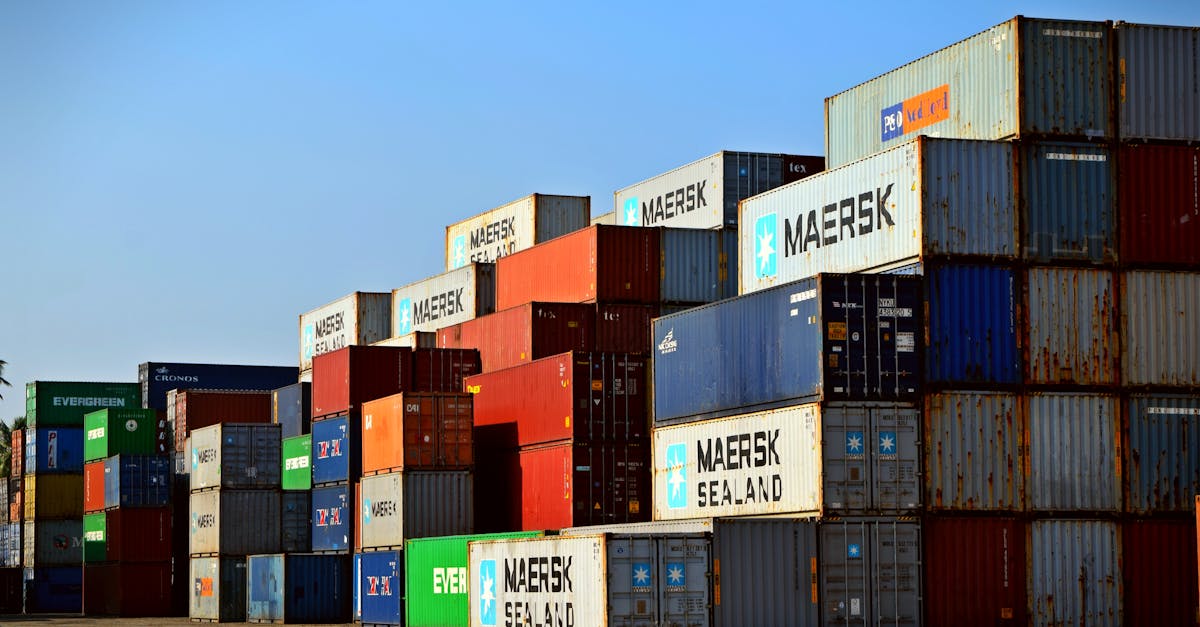
Smart container technology is rapidly moving from buzzword to backbone in the world of bulk logistics. At Lummid, we see firsthand how these advancements are changing the expectations and daily operations of container wholesalers, resellers, and large-scale buyers across the U.S. and Europe. Whether you’re sourcing hundreds of containers for resale, building a modification fleet, or just trying to ensure dependable delivery to remote projects, smart tech is setting a new baseline for cost savings, reliability, and end-to-end control.

Understanding Smart Container Technology in Wholesale Logistics
Smart containers are traditional ISO shipping containers equipped with integrated devices like GPS trackers, temperature and humidity sensors, electronic seals, and other internet-enabled monitoring systems. These devices provide real-time data on a container’s location, internal conditions, and security status throughout their journey, making them exceptionally valuable for bulk purchases intended for varied uses or resale.
Why Does This Matter for Wholesale Buyers and Resellers?
Inconsistent supply, unpredictable quality, unexpected costs, and lack of transparency have long been pain points for container resellers and large end users. Here’s how smart technology is addressing these issues—and what it means for decision-makers like you:
1. End-to-End Supply Chain Visibility
- Live Location Tracking: From the origin depot in Asia or Europe to final storage in a U.S. facility, smart-enabled containers allow for real-time monitoring. Buyers can see exact container positions to anticipate arrivals or reroute units as needed.
- Status Notifications: Real-time alerts inform you about arrivals, delays, deviations, or even unexpected openings, enhancing both security and inventory planning.
- Accurate ETAs: Smart tracking systems help anticipate bottlenecks at ports or transloading sites, which helps you plan labor, drayage, and final-mile delivery more efficiently.

2. Quality Assurance and Reliable Grading
- Automated Condition Reporting: Sensors can detect and log temperature, humidity, and shock throughout the entire transit process. This is especially important for buyers who demand strict grade (like one-trip) or intend to modify containers for specialty use.
- Reduced Human Error: With digital records of container condition at every stage, grading and certification become more trustworthy—minimizing disputes and the risk of costly surprises during handoff or resale.
3. Lower Costs & Improved Efficiency
- Demurrage & Trucking Optimization: With visibility into when containers are available or delayed, resellers and bulk buyers can coordinate more precise pickups and avoid unnecessary detention fees. Check out more ways to reduce trucking costs for container sourcing.
- Reduced Inventory Buffers: Real-time data helps maintain just the right stock levels across depots worldwide, ensuring product is always at the right place, at the right time, without overcommitting capital.
- Minimized Losses: Alerts for tampering or unauthorized entry help prevent loss, especially for high-value or custom units.
4. Streamlined Documentation & Regulatory Compliance
- Automated Electronic Records: Bill of lading updates, customs documentation, handover receipts, and condition logs can all be generated and managed digitally. This drastically reduces manual paperwork and ensures compliance with global regulations.
- Error Reduction: Fewer manual interventions mean fewer opportunities for mistakes or discrepancies—which, in bulk wholesale, can result in significant cost and time savings.
5. Customer Experience & Trust Building
- Reliable Communications: Notifications and dashboard access build trust by keeping partners (resellers, third-party logistics providers, end-users) in the loop at all times. Less time chasing updates, more time planning for what’s next.
- Faster Dispute Resolution: When discrepancies do occur, having a complete digital log makes it far easier to pinpoint root causes and resolve issues quickly.
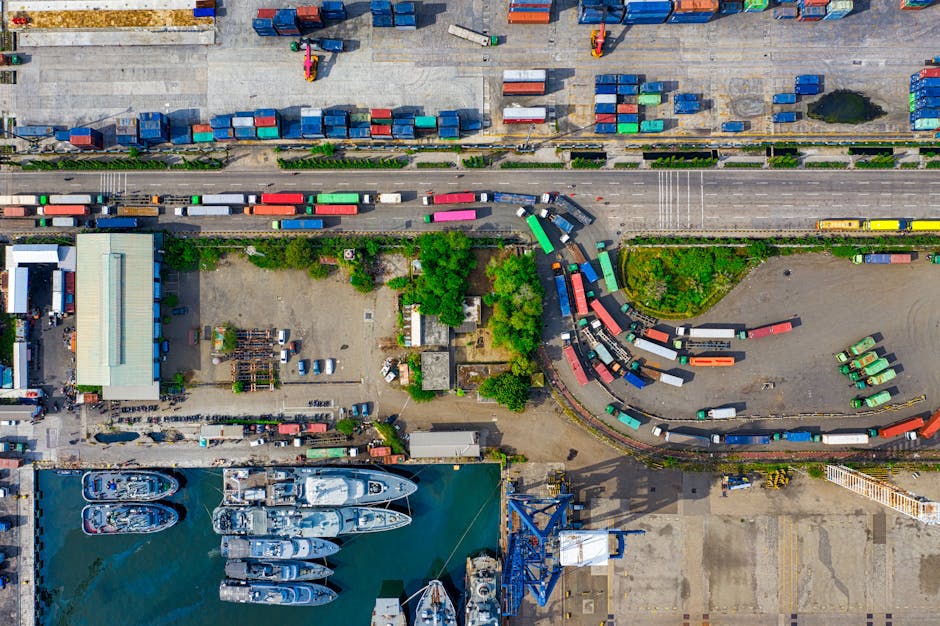
How We See Smart Containers Used by Our Clients
We’re seeing the greatest adoption of smart container technologies among:
- Depot Operators and Regional Resellers: Want to guarantee grading consistency and track import pipelines, especially when volumes surge or fringe depots need replenishment on short notice.
- Large Construction, Mining, and Logistics Companies: Use smart data to coordinate container deliveries at multiple project sites, optimize asset utilization, and ensure secure storage for valuable or sensitive cargo.
- Government and Emergency Response Agencies: Need to prove chain-of-custody for critical or regulated materials and monitor units remotely in real time.
With smart containers, these groups can monitor every move, control costs more tightly, and shift from a reactive to a proactive supply chain strategy. This complements our mission at Lummid to deliver dependable, nationwide coverage coupled with transparent, rapid turnaround for bulk orders.
Implementing Smart Container Solutions: Tips for Wholesale Buyers
- Define Your Objectives: Are you most concerned with tracking, condition, compliance, or all of the above? Prioritize which sensor or reporting features matter to your business.
- Ensure System Compatibility: If you’re using a warehouse or inventory management system, make sure it can integrate with real-time smart container data. This maximizes value across operations.
- Train Your Team: Even the best tech underperforms without staff adopting new alert protocols, monitoring dashboards, and maintenance routines.
- Review Data Analytics Regularly: Use usage reports to spot bottlenecks or inefficiencies and to validate vendor or drayage partner performance.
- Start with Pilot Batches: If you’re new to smart containers, try a subset of your bulk order first to compare logistics outcomes before scaling up across your fleet.
Risks & Challenges to Watch
As with any technology, it’s not all seamless. Wholesale buyers should be aware of potential issues such as data overload, software compatibility, and up-front costs for smart-enabled units. Importantly, not all smart platforms offer the same degree of openness or standardization—choosing trusted supply partners (with a proven record in both container quality and technology integration) remains critical to success.
Looking Forward: Smart Container Growth & What It Means for Your Business
Industry forecasts predict a rapid rise in smart container adoption through 2027, particularly for wholesalers and bulk buyers who value efficiency and transparency above all. As global trade compresses margins and increases volatility, staying ahead by digitizing container operations will become less of a novelty and more of a requirement.
We’re excited by how these advancements dovetail with our commitment at Lummid to maintain reliable sourcing pipelines, manage vast depot networks, and deliver speed and flexibility for bulk clients. If you want deeper insight into sourcing in a volatile market, take a look at our guide on securing consistent container supply.
Conclusion
Smart container technology is more than an incremental upgrade—it is shaping how modern wholesalers and bulk buyers manage risk, cut costs, and build competitive advantage. For those of us on the front lines of wholesale supply and distribution, this shift means less guesswork, fewer surprises, and more ways to deliver value to end users, resellers, and project owners alike.
If you’re ready to explore how smart tracking and IoT-enabled solutions can sharpen your container sourcing strategy, we’re here to help. Explore our national distribution, container grades, and logistics expertise at Lummid Containers.
